Until
the 1990s, Poeh (also known as the Pueblo of Pojoaque) lived up to its
name. In
Tewa, the traditional language of six of New Mexico's eight northern
Pueblos, "Poeh" means pathway. That's all Poeh seemed to be--a pathway to somewhere else.
Located fifteen miles
north of Santa Fe on U.S. 84/285, Poeh didn't seem to draw a second
glance from speeding motorists on their way to Taos.
That was the case until
the 1990s when the late Poeh governor Jake
Viarrial and other tribal visionaries led
an economic renaissance that established thriving Pueblo businesses,
including flourishing gaming operations.
Today Poeh's numerous
tribal enterprises make it a model of prosperity and self-sufficiency.
Its empire now includes the Cities of Gold casino, two hotels, two golf
courses, a shopping center, a wellness center and a Santa Fe caliber
fine-dining restaurant called Ó (pronounced "oh") Eating House.
The
restaurant is named for the traditional corn grinding stone at the
center of traditional Pueblo kitchens.
Located
just east of the Poeh Cultural Center and Museum, the Ó Eating House
launched its new dining concept on December 18, 2006. Like the
museum, it is visually striking, almost breath-taking. It was
designed by Poeh's governor George Rivera, an accomplished artist and
enterprising leader who was instrumental in designing the restaurant's
most awe-inspiring feature (maybe aside from the food).
Easily
the most prominent and wow-eliciting feature in the dining room is a
Pueblo-themed metal and mica lighting arrangement suspended from the
ceiling. At 17X24, the multi-hued light mural is replete
with Pueblo motifs such as the whirling eternal spiral of life at the
center of this functional masterpiece.
The
commodious dining room is far from the only eye-catching feature at this
spectacular setting. One foyer wall includes three modernist
landscapes by the phenomenally talented Taos artist
Tony
Abeyta.
A cozy
bar accommodates kitchen-side dining while a walled courtyard with
rough-hewn latillas and open-air ventilation provides yet another
terrific milieu.
The
kitchen is in the capable hands of Enrique Guerrero, once the personal
chef to the president of Mexico. Guererro's credentials are
impeccable. Before serving as executive chef at the Ó Eating
House, he served as head chef at the Galisteo Inn. During his
tenure there, the restaurant was named one of the 82 best restaurants on
the planet by Conde Naste Traveler magazine.
An
artistic theme continues with the menu, a compendium of culinary
creativity. Although the adjective "fusion" is probably bandied
about too often, Guerrero's menu truly incorporates some of the best
elements of Mexican, Native American, Spanish, French and New Mexican
influences.
It
might be debatable as to who the better artist is, governor Rivera or
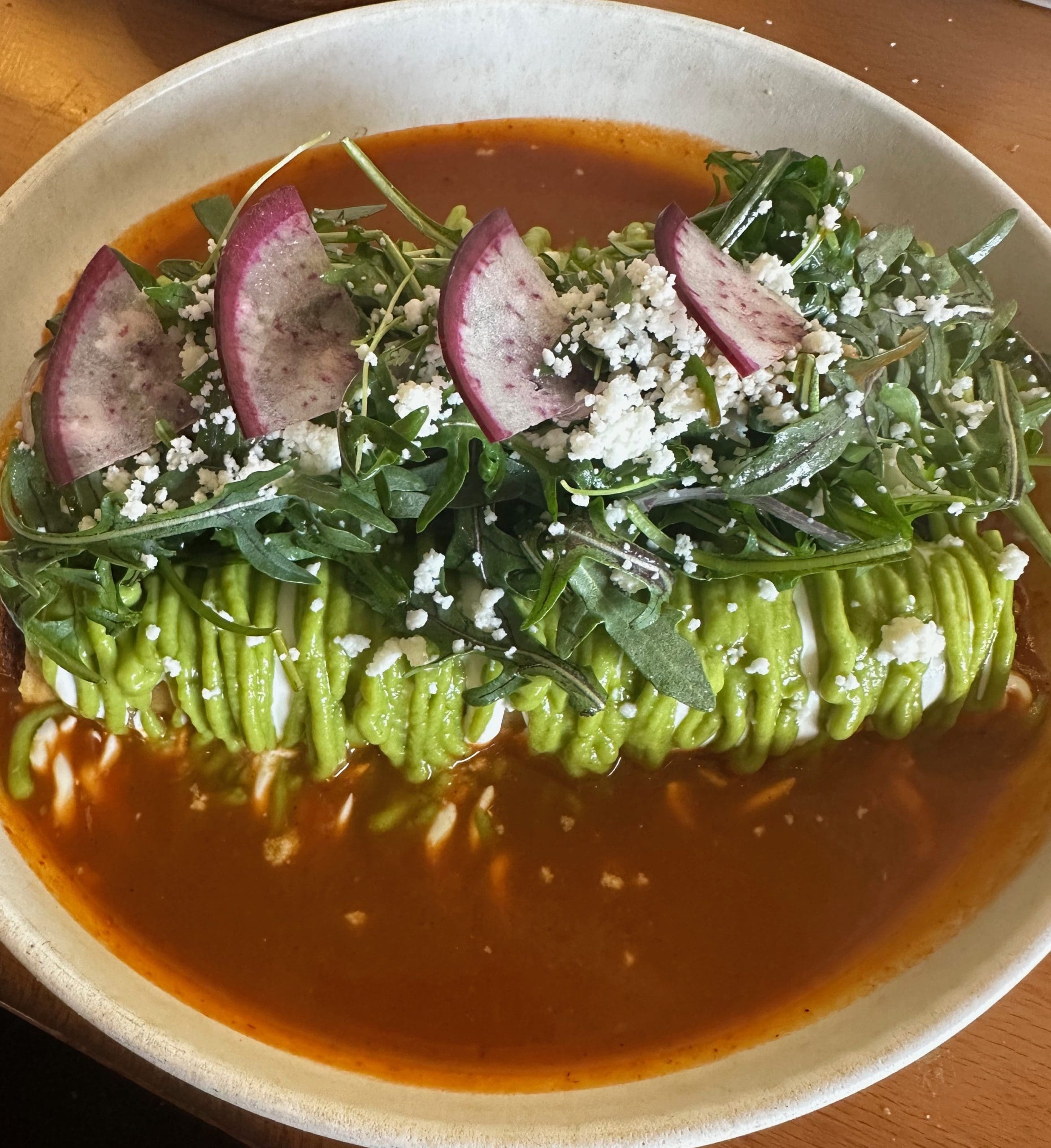
chef Guerrero. On each plate, be it appetizer, entree or dessert,
everything is where it should be for optimum harmony, balance and
appearance. The balance of color, texture and appearance gives diners
pause to reflect on how great everything looks. If they think
everything looks good, just wait 'til they taste their bounty.
The
bocadillos (appetizers) are a prelude to the prandial perfection to
follow. The challenge will be in deciding which bocadillo or three
to order.
Pueblo Style Guacamole is an excellent choice. Served with
both blue and yellow corn tortilla chips as well as sliced jicama, the
guacamole may be very best we've had in New Mexico. What makes it
special is the balance of flavors--from a barely discernable lime
influenced tartness to the aromatic savoriness of garlic and avocados
mashed at their peak of flavor.
Accompanying the guacamole are two salsas almost as luminous as they are
delicious. A neon-green tomatillo salsa is barely piquant, but is
redolent with lime infused tartness and a sweet aftertaste we were
unable to determine.
The red
salsa is also slightly sweet and despite the presence of habañero, isn't
especially piquant. Still, it is an excellent salsa.
Another
outstanding bocadillo option are the rajas de chile: roasted
seasonal peppers, sweet corn and queso fresco in a flour tortilla.
The
nibblets of corn are indeed sweet and fresh, while the yellow, red and
green peppers are roasted to perfection, but it's the roasted green
chile flavor that is thankfully most prevalent. The queso fresco
lends a subtle touch that a more pungent cheese would not be able to.
Entrees
are referred to on the menu as "platos fuerte" which translates from
Spanish to main plates. Unlike novel-sized menus at some
restaurants, the Ó Eating House menu lists only eleven platos fuerte,
but even with a limited number, you'll be hard-pressed to select just
one. You'll probably want to order everything on the menu.
Lunch
entrees are reasonably priced, most costing just around ten dollars
each. Portion size is also reasonable.
One
example of Chef Guerrero's ability to meld seemingly disparate
ingredients to create a flavorful entree is the pomegranate BBQ duck
taquitos. Three steamed corn tortillas are overfilled with
tender duck and a mango salsa that includes red onions, cilantro, red
peppers and more. This is a stellar entree!
The
duck taquitos are accompanied by the very best sweet potato fries I've
ever had, by far. Unlike most sweet potato fries, these are
neither desiccated nor brittle. Not quite flaccid. they retain the
moistness and flavor of the potato. The fries are served with an
apple ketchup.
If that
isn't enough, this entree also includes an apple coleslaw made with
thinly-sliced apple and a bed of red and green cabbage with a sweet
salad cream base.
The
pork sandwich pibil style featuring achiote marinated pork
loin, pickled onions and avocado slices is a handful of complementary
flavors that go well together. The pork is unbelievably tender and
entirely free of annoying fat or gristle. It's one of the best
pork sandwiches of any kind we can remember having.
One
item available for both lunch and dinner is a fabulous tortilla soup big
enough to share. Tortilla soup is a ubiquitous item on menus
throughout the Southwest, but rarely does one encounter greatness in a
soup some refer to as a "soup version of an enchilada."
Greatness isn't so much trust upon the Eating House's tortilla soup as
it is bestowed with a comforting flair. In the middle of a lagoon
comprised of a lukewarm tomato puree is a timbale of flavorful
ingredients: red, white and blue tortilla strips; smoked chicken, fresh
niblets of sweet corn, sour cream and Mexican queso fresco.
The
soup is served lukewarm by design in deference to ingredients such as
the sour cream and queso fresco which are intended to be cool. The
flavorful mélange is like a soiree for the senses, a delicious fiesta
for the taste buds. It may be the very best tortilla soup we've
encountered in our travels.
The
dinner menu is considerably more pricy with main courses ranging from
just under $20 (for an orzo pasta based mac and cheese) to just over $40
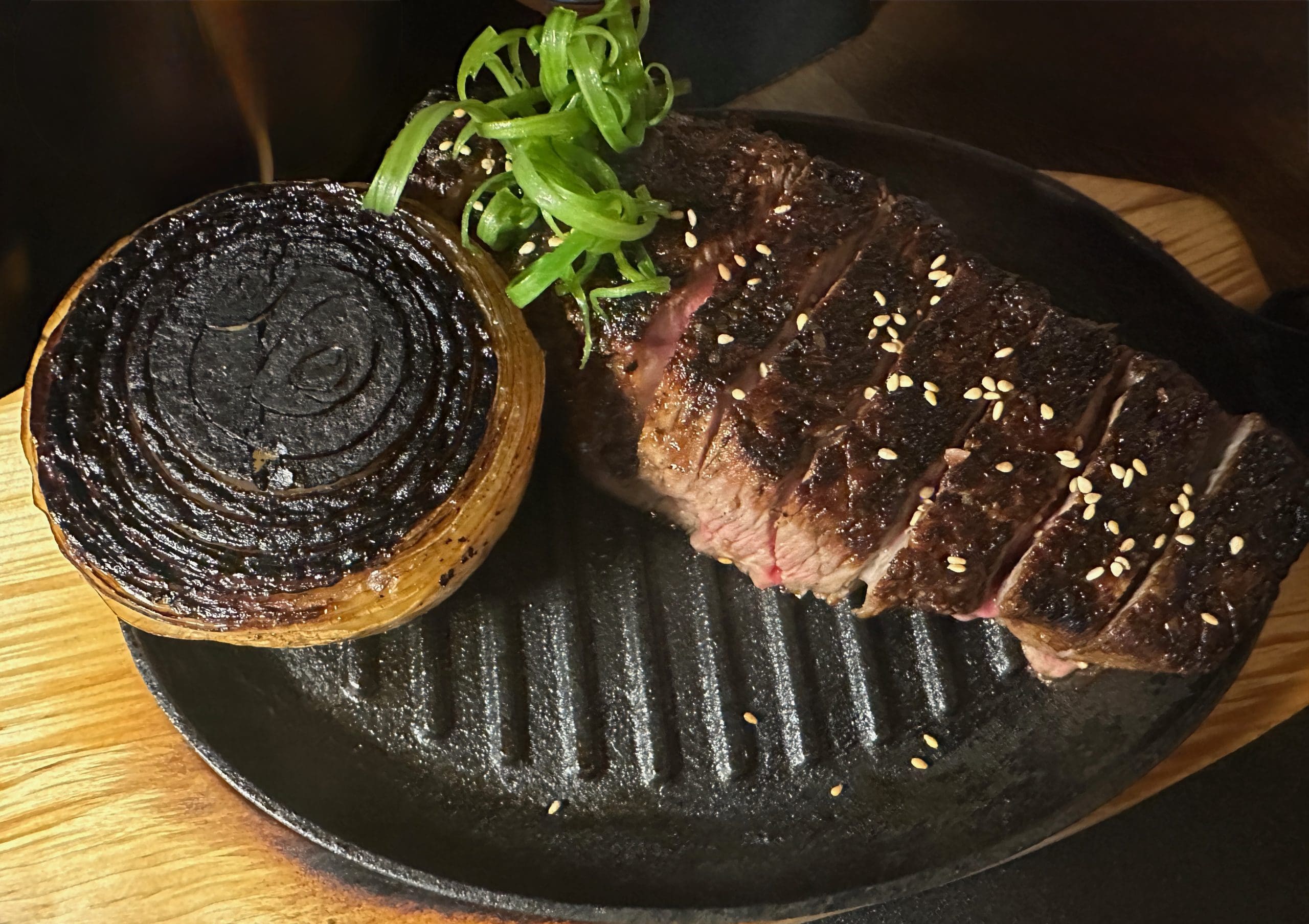
for a grilled aged rib eye. Santa Fe caliber extends to the price
structure but with quality this high is worth any price.
While
in Poeh, you have to make time to visit not only the
Poeh Museum
whose focus is on preserving traditional and contemporary art and
culture, but the five-story
Roxanne Swentzell Tower Gallery.
Swentzell is a rare talent and an inspiring human being with exceptional
personal warmth. Her sculptures are unforgettable!