Fan Tang – Albuquerque, New Mexico

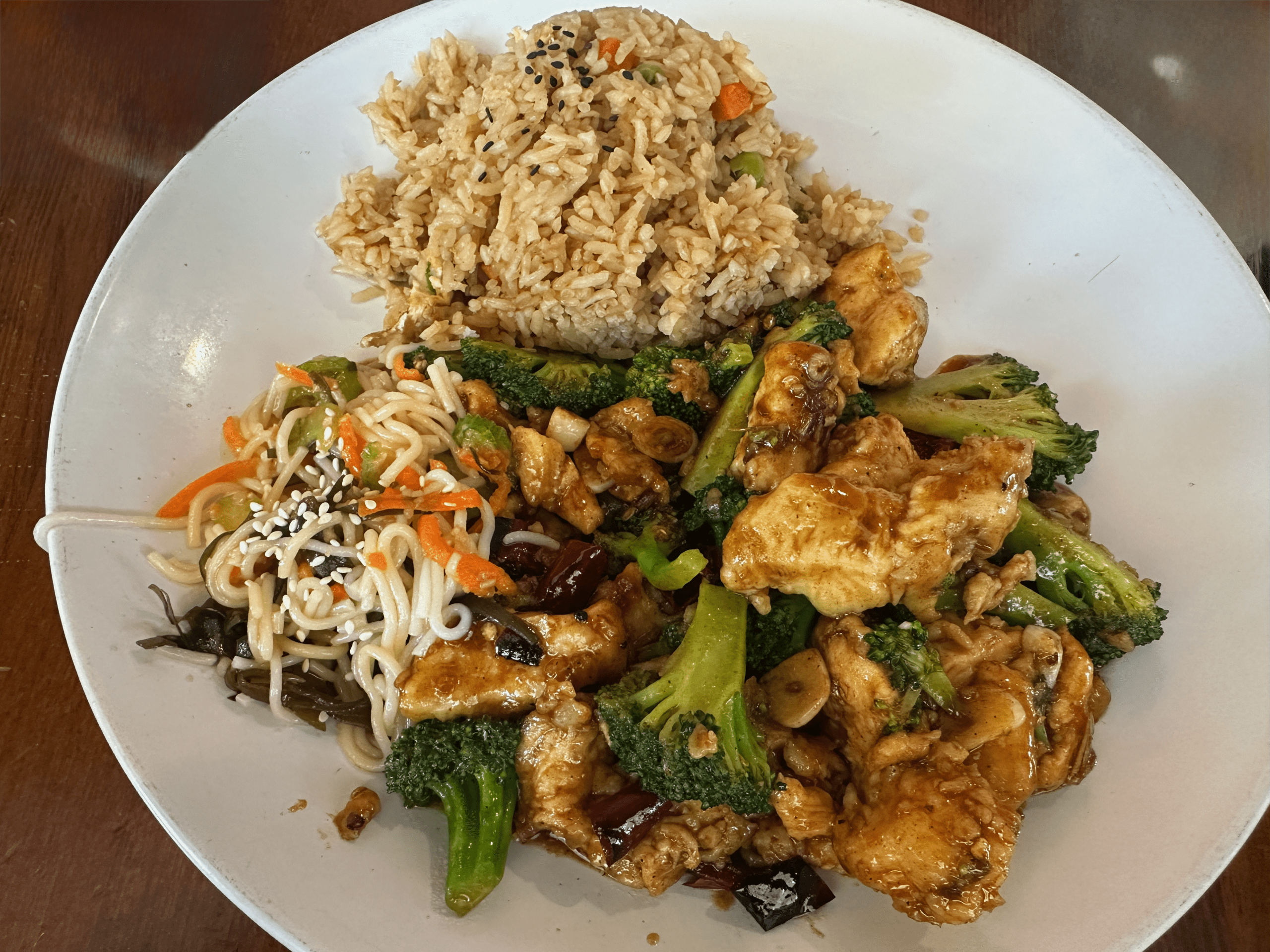
For “city dwellers” Chinese restaurants are ubiquitous.  There’s one in every corner   Most urbanites were weaned on Chinese food.  It’s as much a part of their diet as “American” food.  Those of us who grew up in the “sticks” during the stone age had to travel great distances to find Chinese food…and when we did find a Chinese restaurant, we really had no idea what we were getting ourselves into.  Everything we knew about that mysterious, exotic cuisine came from television programs in the days long preceding the Food Network.  Every once in a while, mention was made on one of those  television shows about egg foo young.  I’m thinking maybe Maxwell Smart may have mentioned egg foo young during in an episode in which he battled his nemesis “The Craw“, er…The Claw. As chronicled on Gil’s Thrilling…my very first experience with Chinese food transpired in Lexington, Massachusetts within easy walking distance of the famous Lexington Minuteman Statue.  My friend (and boss at the time) Paul Venne enjoyed my bumpkinly naivete.  I literally had no idea about Chinese food other than the little bit learned from television.  He recommended starting out at the Chinese Food 101 level.  That meant egg…

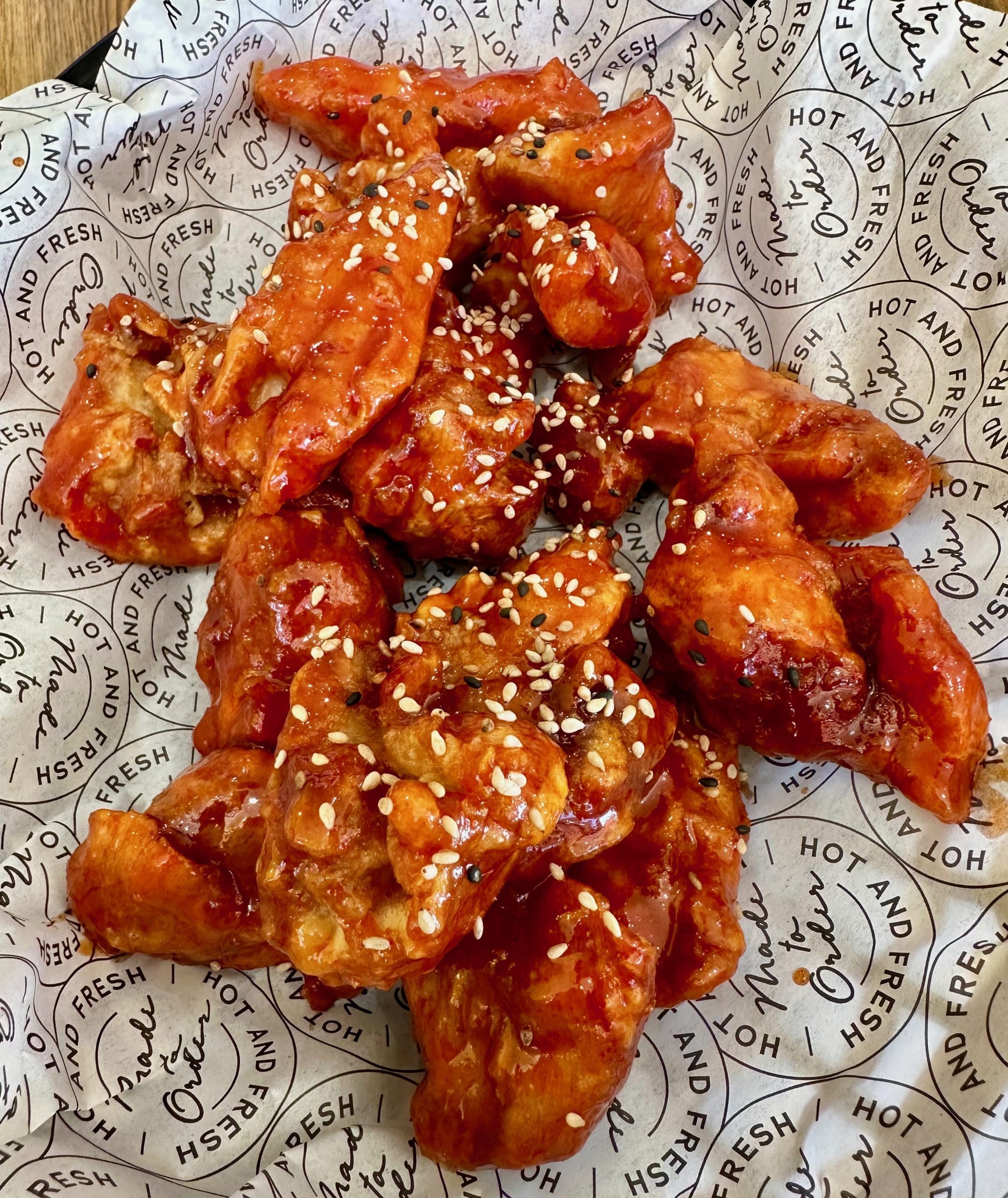
Kokio Chicken – Albuquerque, New Mexico

Most culinary historians agree that black American soldiers stationed in Korea during the Korean War (June 25, 1950 – July 27, 1953) taught the Korean soldiers with whom they fought side-by-side how to make fried chicken.  Popular theory holds that black American soldiers wanting to celebrate American Thanksgiving feasted with fried chicken. (Apparently not even scrounge-master Radar O’Reilly could find a turkey in the entire Korean peninsula).   The fried chicken was shared with their Korean compatriots. Before that memorable Thanksgiving celebration, chicken in Korea was commonly served boiled in stews.   Eating it  fried was an entirely new experience for the Korean soldiers. Though fried chicken was an instant hit, the war thoroughly devastated the Korean economy.  Essential ingredients for fried chicken – such as chicken and cooking oil – were extraordinarily scarce and beyond most people’s financial reach. In fact, cooking oil was not even commercially available until the 1970s.  During the 1960s, whole rotisserie chicken became a coveted luxury dish served on special occasions in Korea. The commercialization of inexpensive cooking oil in 1971 coupled with a period of economic boom and incredibly rapid industrialization which gave Korean people more disposable income, and made chicken far more…