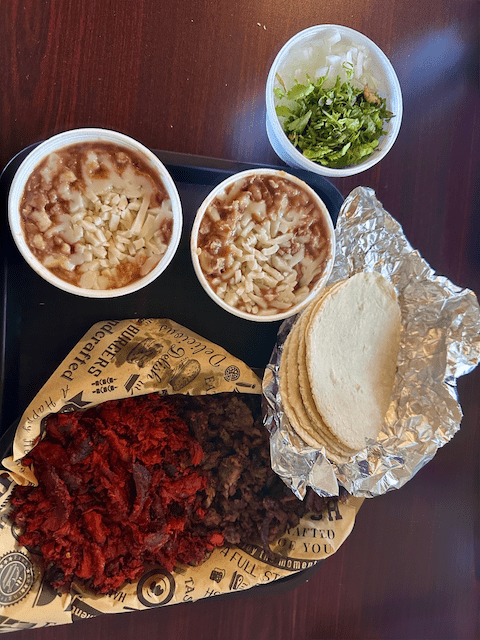
Al Trompo Mexican Grill – Albuquerque, New Mexico

Comaraderie, brothers-in-arms, esprit-de-corps, commitment, dedication…Unless you’ve served your country in the armed forces of the United States, these terms probably don’t mean much.  For those of us who did serve–proudly, gallantly, nobly–these terms mean everything.  They’re not just a call to arms; they’re our code of conduct.  They’re the way we carry ourselves.  They denote our commitment to one another, the importance of taking care of our own.   The uniforms worn by the select and exceptional men and women  signify the call to duty–the ideals, and the shared title of being an American and believing in all that means.  More than any other factor, it’s those ideals that truly bind servicemen and women together, across all five branches. Our brotherhood–that inexorable bond–doesn’t mean we’re not competitive with one another. Fierce rivalries exist among the five branches. We’ve been known to throw down with brothers-in-arms in defense of our particular branch. We rib one another good-naturedly with insults and derrogatory terms.  That’s what brothers and sisters do.  Our familial skirmishes and disses are ours exclusively.  If you didn’t serve, you won’t be invited to participate.  Like good families are, we’re mostly respectful and proud of our brothers-in-arms.  We thank one another…

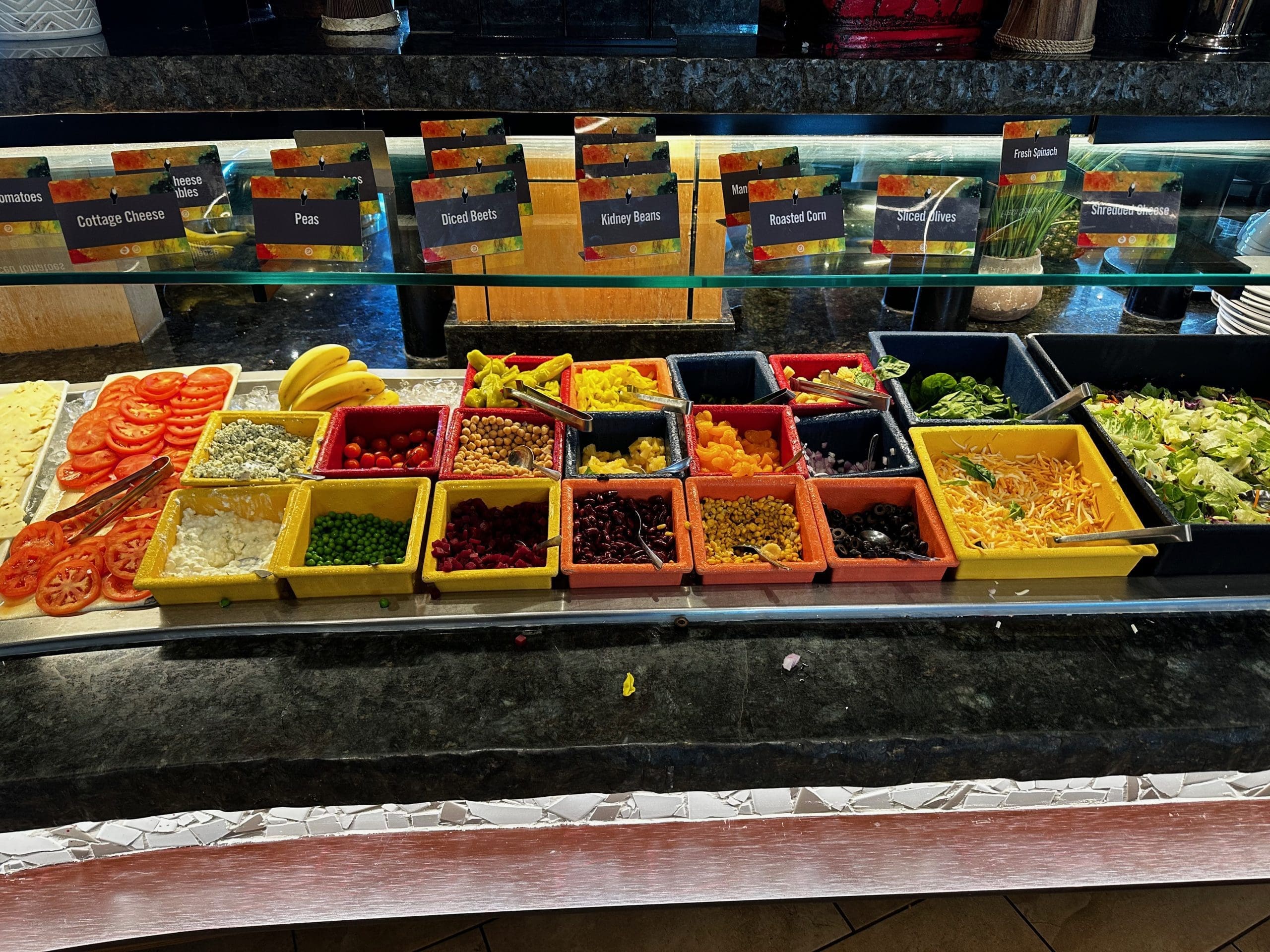
Tucanos Brazilian Grill – Albuquerque, New Mexico

Many New Mexico born Hispanics of my generation grew up watching not only American “shoot ’em up” Westerns featuring rugged cowboys, rowdy rustlers, round-ups and home on the range, but the Mexican equivalent–movies featuring the exploits of charros, the traditional cowboys of central and northern Mexico. My friends and I could only dream about overcoming marauding Indians, desperate rustlers and flooding rivers as we drove our cattle to the stockyards in Abilene just like our white hat wearing heroes. It’s conceivable that in Brazil, cinematic exploits glamorized the equivalent to America’s cowboy–the gaucho, a South American cattle herder who tended his herds on the rich, verdant pampas. For generations the pampas is where the very best cattle herds in Brazil have been raised.  Like American cowboys, gauchos had their version of the chuckwagon of the old West in which horses pulled a mobile kitchen from which they were fed during roundups…and similar to cowboys, gauchos became adept at preparing meals over an open fire.  Gaucho rotisseries are renown for the delicious preparation of beef. The gaucho style of grilling, called churrasco (roughly the Portuguese equivalent of “barbecue”), is today celebrated from Rio de Janeiro to Albuquerque in Brazilian steakhouses called churrascarias. In…

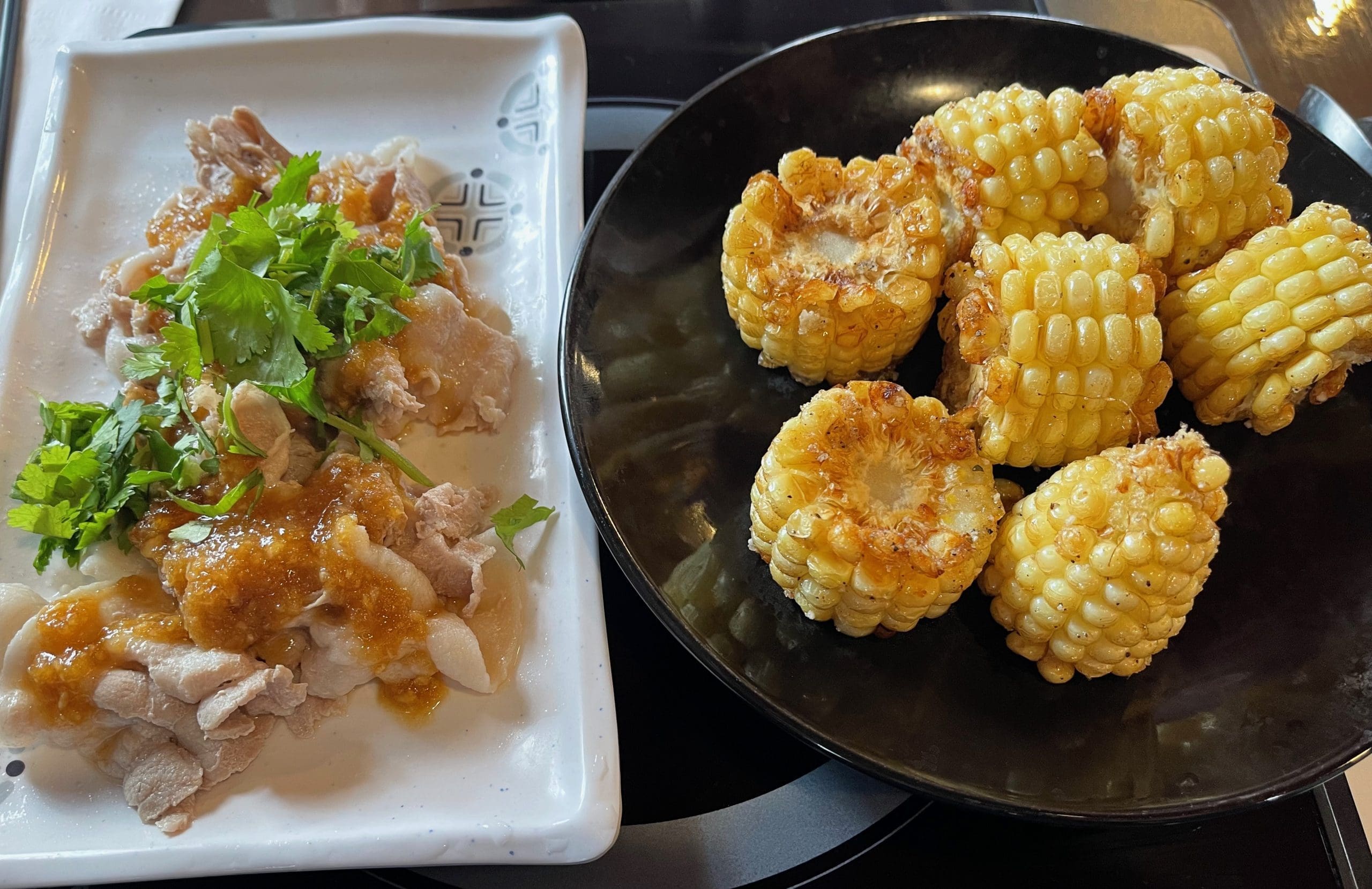
Zu Hot Pot – Albuquerque, New Mexico

“You have tattoos and others have piercings, but for me, there’s nothing that says more about me than the food I choose to carry every single day. As a kid trying to maintain my identity in America, my Chinese was passable, my history was shaky, but I could taste something one time and make it myself at home. When everything else fell apart and I didn’t know who I was, food brought me back and here I was again.” ~Eddie Huang, Fresh Off The Boat Food: It triggers memories that provide a sense of identity and belonging. It feeds the soul and nourishes the body. It impacts the environment and geopolitical politics. It inspires song, art and lore. It affects virtually every facet of our lives each and every day. Food has been a topic of debate and conflict and entertainment and fascination over the millennia. Despite its importance and the modern obsession with celebrity chefs that have been increasingly shaping America’s palate, the actual study of the history of food is a relatively new field. Shortly after Thomas Jefferson founded the University of Virginia, I was a bumpkinly wide-eyed 19-year-old student who couldn’t grasp how differential calculus could possibly…