Perea’s Tijuana Bar & Restaurant – Corrales, New Mexico

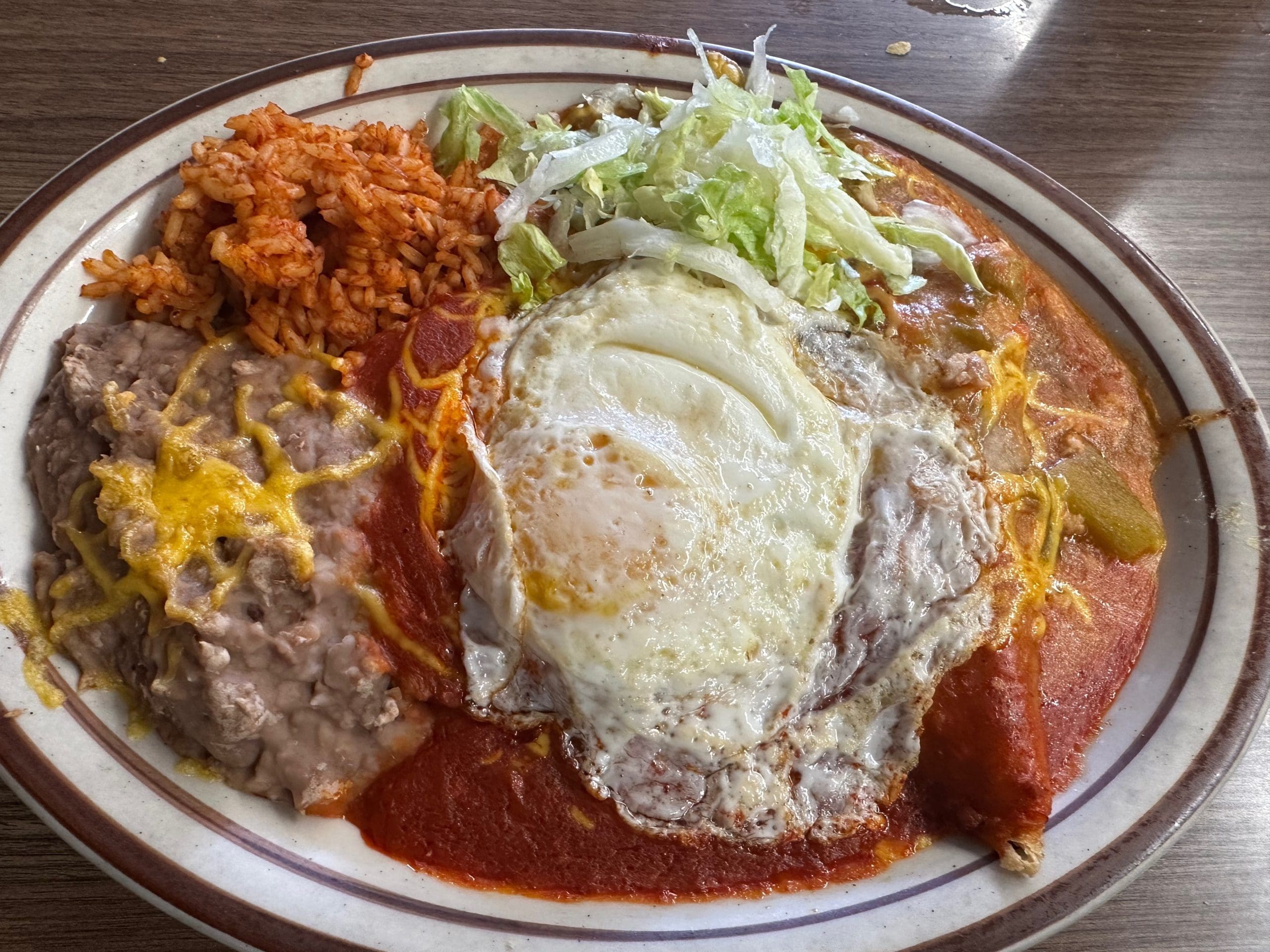
The curious appellation “Tijuana Bar” dates back to the 1920s when the 18th amendment to the Constitution established Prohibition in the United States during the period 1920 to 1933. Because Prohibition forbade the sale of alcoholic beverages, many Americans got their alcohol illegally or they went to Mexico. Tijuana was a popular vacation and honeymoon destination and it happens to be where Teofilo C. Perea, Sr. and his bride honeymooned in the 1920s. The newlyweds visited a bar called the “Tijuana Bar” and decided then and there to use that name should they ever open a bar. Bureaucracy being what it is, once a license to dispense alcohol is issued, it’s very difficult to change the name on the license–hence Tijuana Bar. It fits. Housed in one of the oldest buildings in Corrales, a 200 year plus old structure constructed of “terrones” or thick slabs of earth rather than adobes, Perea’s Tijuana bar & Restaurant doesn’t subscribe to the notion that all food served in Corrales has to be of high-brow fru-fru variety. In fact, for outstanding home-cooked New Mexican food, Perea’s is one of a handful of restaurants vying for “best restaurant” in the Duke City area. In my…

Jerry’s Cafe – Gallup, New Mexico

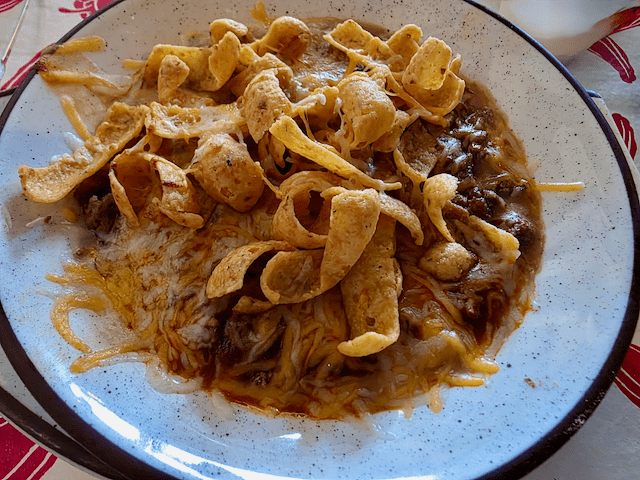
The Land of Enchantment is bisected north to south by the murky and mucky Rio Grande which meanders some 700 miles through the state.  Throughout the millennia, the fourth longest river in America has been the often tenuous lifeline upon which New Mexico’s citizenry has relied for sustenance and for recreation.  Its precious waters are multifarious in their use–from human and animal consumption to the sustainment of agricultural systems and so much more.  Depleted over time by human dependence and a perpetual drought condition, it is nonetheless a linchpin for New Mexico’s future even as demand for its resources increases and stresses on the river grow. The Rio Grande Corridor is where the vast concentration of New Mexico’s urban centers exist and more than half of its population (over one million) resides.  The four most populous cities in the state–Albuquerque, Las Cruces, Rio Rancho and Santa Fe in that order–are all within this riverine corridor.  It’s been that way for the estimated 10,000 years in which New Mexico has been inhabited.  The arable lands near the Rio Grande, for example, is where a vast concentration of the indigenous peoples the Spaniards named “Pueblos” chose to live.  Considering their dependence on…