Firenze Pizzeria – Albuquerque, New Mexico (CLOSED)

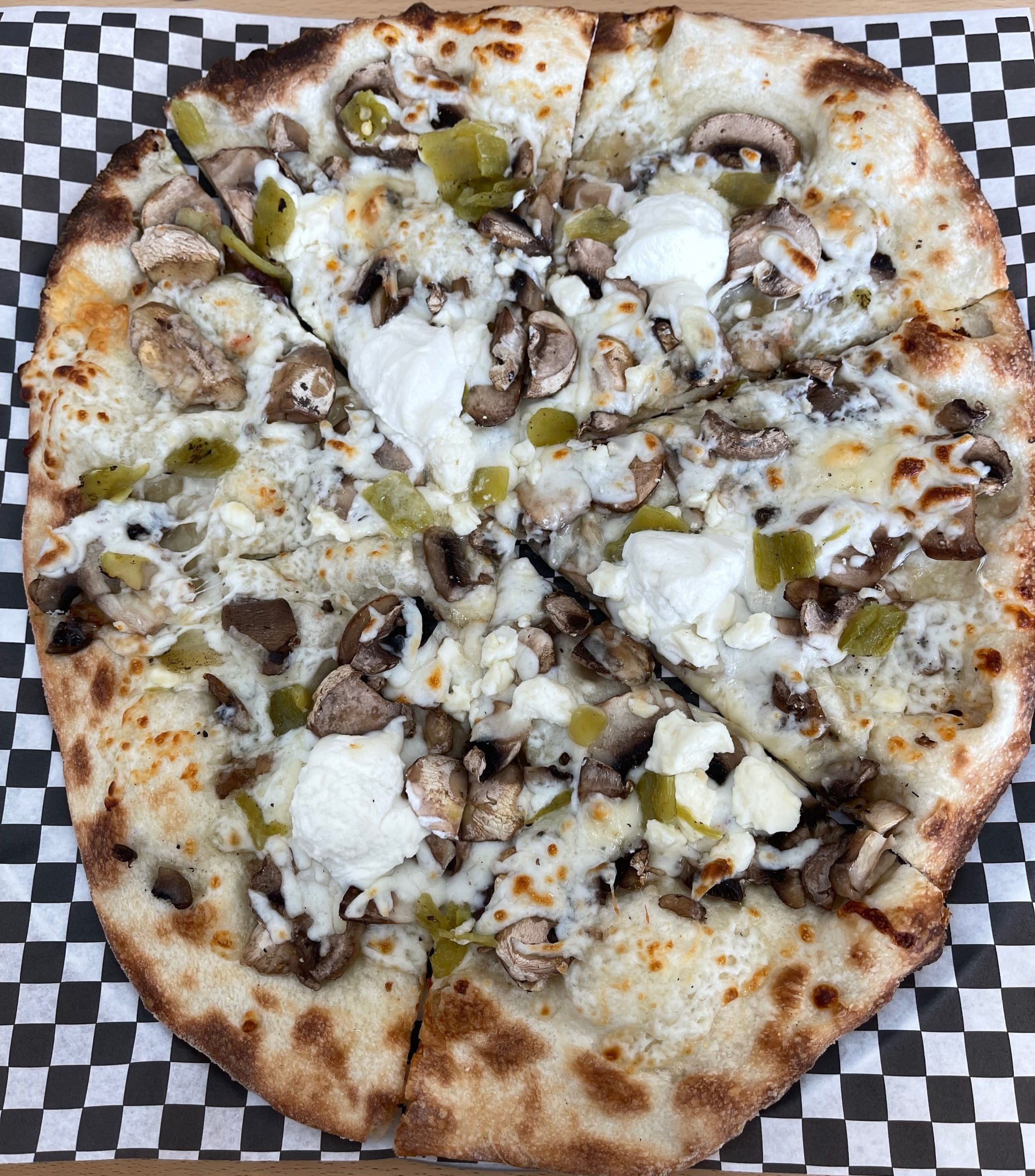
Name a pizza joint “Florence Pizzeria” and public reaction would likely be dubious:  “Who the heck is Florence?”  “Can someone named Florence possibly have a clue how to make pizza?”  Now translate “Florence” to Italian and all of a sudden, “Firenze Pizzeria” has instant credibility.  Never mind that most of the pizza in Florence (er, Firenze), Italy is of the Neapolitan variety.  The name Firenze is a perfect fit for a pizzeria.  Even the name inspires visions of a fire-breathing Italian oven preparing a waifishly thin pizza in just about a minute. Steven Meyer, owner-operator of Albuquerque’s Firenze Pizzeria knows a thing or two about fire-breathing ovens and waifishly thin pizzas.  In 2011, he pioneered portable pizza in the Duke City, toting an Italian-made oven throughout the city.  Being booked every weekend for nearly two years for special events, catering and a semi-permanent gig at the Downtown Growers’ Market at Robinson Park facilitated the decision to seek a permanent venue.  He found the perfect spot at 900 Park Avenue, S.W., just across Central Avenue to Robinson Park. The two-story edifice Firenze called home for nearly nine years had plenty of character and personality.  One of its neighbors was the lair…

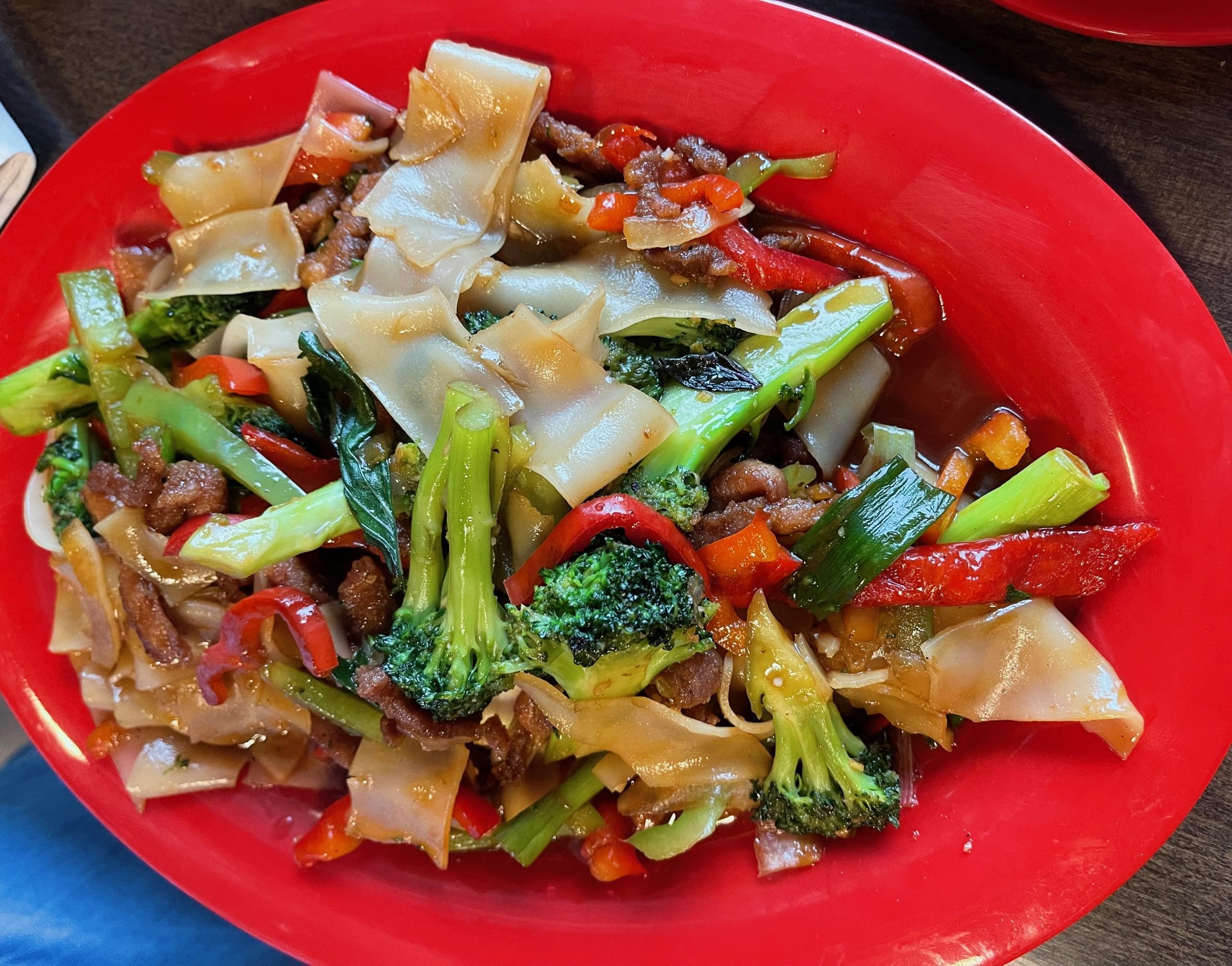
Thai Street – Albuquerque, New Mexico (CLOSED)

By chronological standards, Thai cuisine–especially as we know it today–is relatively new to the world culinary stage.  Culinary historians believe Thai cuisine may be as young as 1,400 years, coinciding with a mass migration of people from regions of China.  These settlers dined mostly on seafood, herbs and plants prepared mostly by stewing, baking and grilling (over time, stir-frying and deep-frying also became popular).  Large domestic animals such as water buffalo and oxen were too valuable to slaughter for food.  As such, meat was used very sparingly though considering the settlers’ propensity for seasoning, a small amount of meat went a long way.   While Chinese–particularly Szechuan–dietary practices were the most significant early influences, the introduction of other ingredients and culinary techniques began to define the Thai food with which we are familiar today. Foremost were curries from the exotic subcontinent of India which people infused with coconut.  After the European discovery of the American continents, Portuguese mariners brought chili spices to the region.  These were the forerunner of the incendiary dishes which give Thai cuisine their popularity and explosions of flavor.  Understandably, regional preferences were developed with five or so distinct regional styles of cooking defined.  Variations resultant from…