Thai Cuisine – Rio Rancho, New Mexico

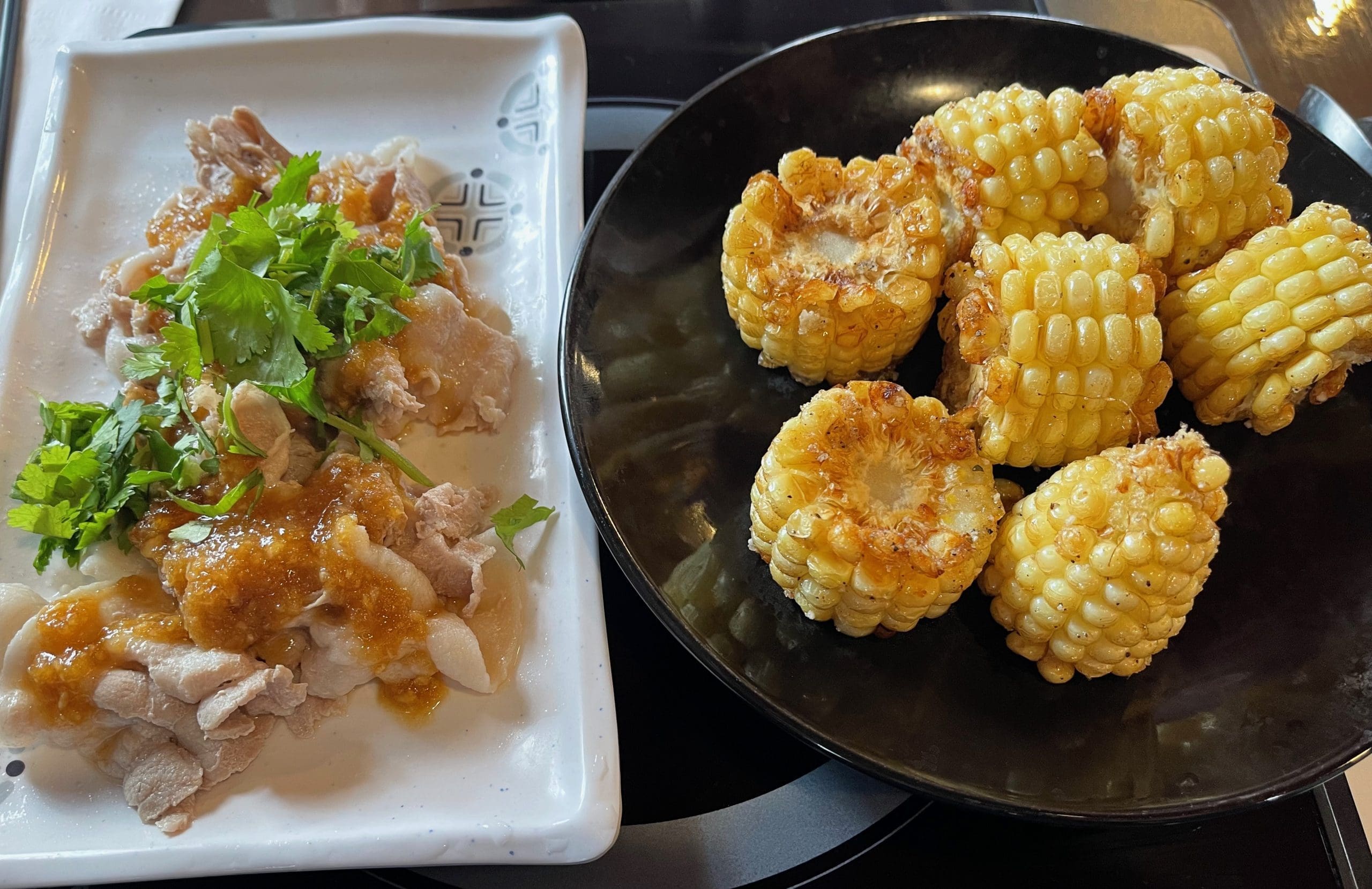
New Mexican men can be so haughty.  (I don’t include New Mexican women in this categorization because they’re generally smarter.)  We laugh at what Californians, Arizonans and especially Texans call “chili.”  We pride ourselves on machismo, some of which is on display even when we eat out.  We never ask if the chile is hot.  We assume (and hope) it is so we can prove how tough we are.  We question the manhood of any New Mexican who prefers his chile “mild.”  Mild chile is for children and law enforcement officials in Uvalde, Texas.  Give us chile with the piquancy of napalm or volcanic lava.  Give us chile even Satan can’t eat. Yeah, right!  I’ve seen New Mexican men wheeze and sputter, their eyes watering with tears as they beg for sweet, merciful death as they try to eat Thai food…and that’s not even at the “Thai hot” level of heat.  Thai peppers provide another level of heat, one that makes New Mexican chile seem like bell peppers in comparison.  Consider that sacrilege if you will, but Thai peppers have kicked even my tail and I’m pretty heat tolerant.  I still order the “Thai heat” level at most restaurants.  Over…

THE LOVE APPLE – Taos, New Mexico

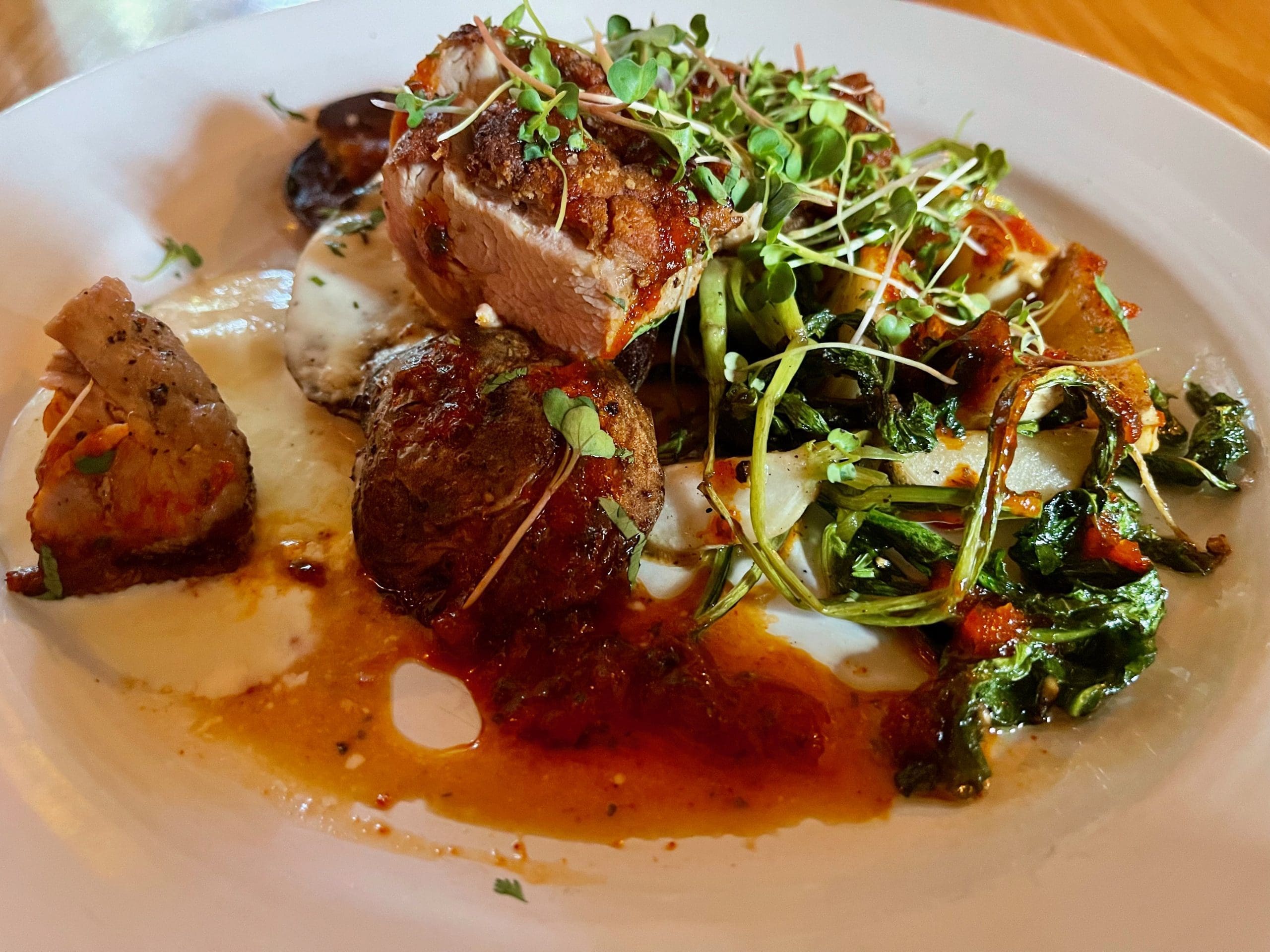
If the Roman Catholic Church in the 16th century had had its way, the tomato might not be a ubiquitous ingredient in the cooking of many cultures today. So, just what is it about the seemingly innocuous tomato that once earned it a scurrilous reputation in the Church, the type of reputation which made it the Paris Hilton of the nightshade family? Brought to Europe by the Spanish conquistadors, it was initially viewed with apprehension, thought not to be edible but purely decorative–and poisonous. Leave it to the French to change that perception by ascribing aphrodisiac properties to what they called pomme d’amour or love apple. This prompted the Roman Catholic Church of the time to declare the tomato the “fruit of the devil,” a sinful indulgence. >The scandalous tomato, its sensuous red color and sweet-tangy flesh spurting with red juiciness, was even believed to be the fruit Eve offered to Adam. Because of its role in original sin, the Church believed the tomato to have been cast off to the furthest reaches of man (the new world), where it could no longer be the tempting source of transgression (sins of the flesh).  Leave it to the Spanish explorers to…

Zu Hot Pot – Albuquerque, New Mexico

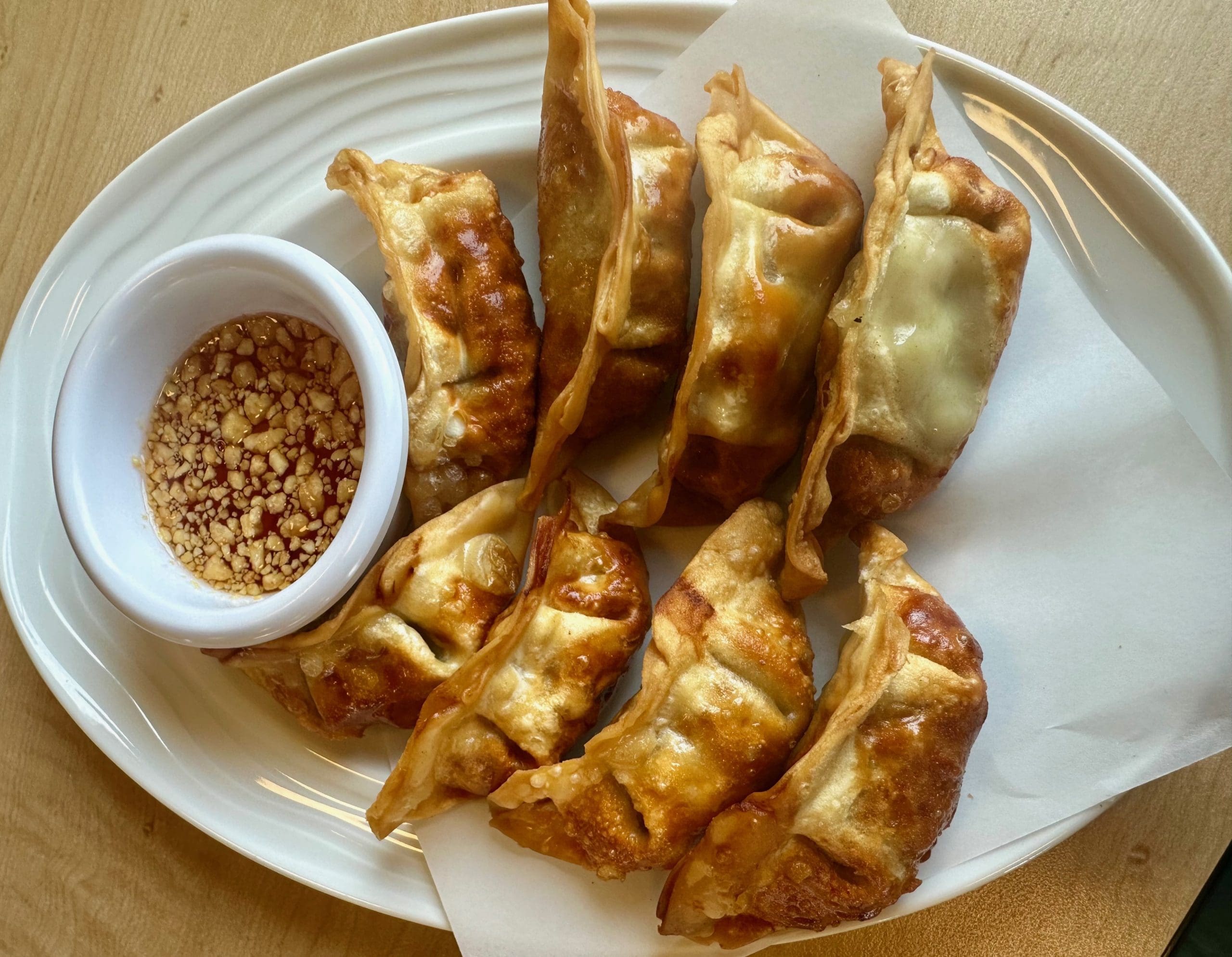
“You have tattoos and others have piercings, but for me, there’s nothing that says more about me than the food I choose to carry every single day. As a kid trying to maintain my identity in America, my Chinese was passable, my history was shaky, but I could taste something one time and make it myself at home. When everything else fell apart and I didn’t know who I was, food brought me back and here I was again.” ~Eddie Huang, Fresh Off The Boat Food: It triggers memories that provide a sense of identity and belonging. It feeds the soul and nourishes the body. It impacts the environment and geopolitical politics. It inspires song, art and lore. It affects virtually every facet of our lives each and every day. Food has been a topic of debate and conflict and entertainment and fascination over the millennia. Despite its importance and the modern obsession with celebrity chefs that have been increasingly shaping America’s palate, the actual study of the history of food is a relatively new field. Shortly after Thomas Jefferson founded the University of Virginia, I was a bumpkinly wide-eyed 19-year-old student who couldn’t grasp how differential calculus could possibly…