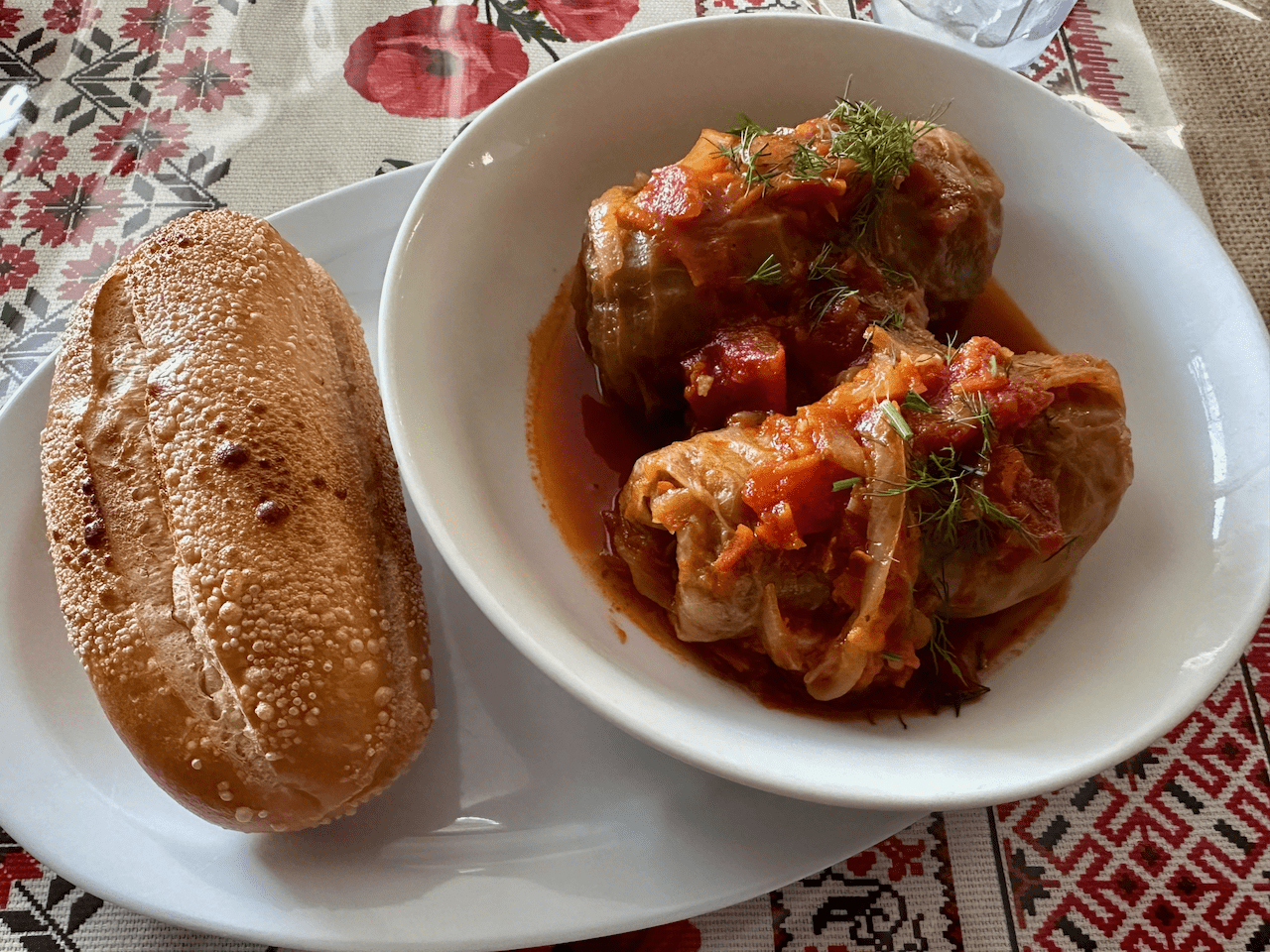
Red Rock Deli – Albuquerque, New Mexico

America may be a multicultural melting pot, but thriving within its most populous metropolises are ethnic neighborhoods–pockets of diversity residing in two worlds, retaining many of the cultural and culinary traditions of their motherland while integrating into and pursuing the American dream. Cities such as Chicago have long realized that these ethnic enclaves offer a treasure trove of cultural and culinary experiences. Most of these neighborhoods welcome culinary tourism–the opportunity to showcase the cuisine of their homelands. One such example is the city of Chicago which boasts of the largest Polish population outside of Warsaw (as many as 183,000 by some estimates) in the world. Storefronts and restaurants in “Little Poland” on Chicago’s far Northwest side are bedecked in the white and red flag of Poland. Eateries offer everything from pierogies to kielbasa. Every Labor Day weekend Chicago celebrates its Polish heritage at the Taste of Polonia festival where Polish cuisine and culture are showcased. Obviously Albuquerque doesn’t have the population to support a “Chinatown” or a “Little Poland,” but the Duke City does offer multicultural dining diversity. Although several of the city’s ethnic restaurants are clustered throughout the International District, many others are strewn throughout the metropolitan area where…

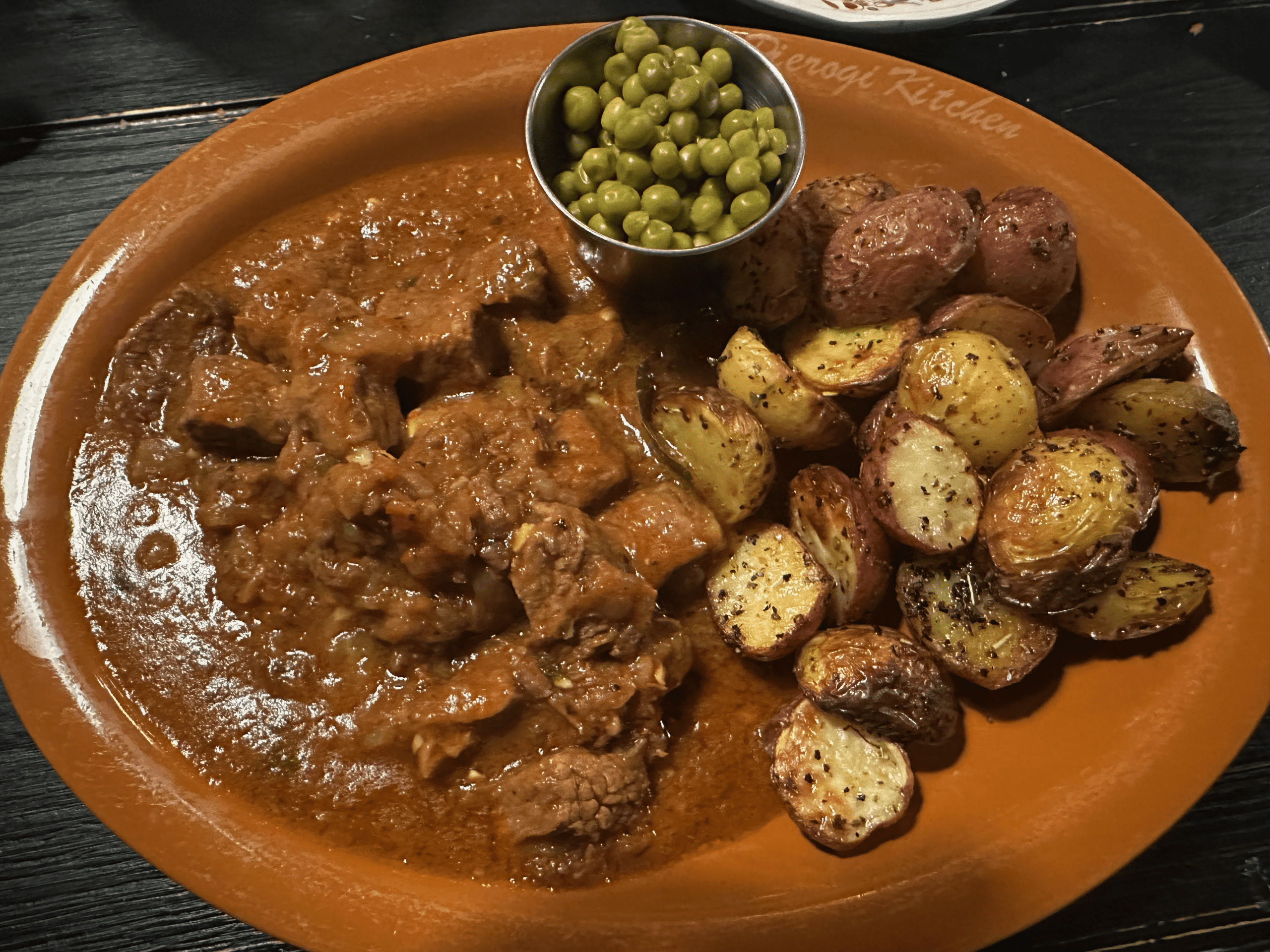
All Pierogi Kitchen – Mesa, Arizona

Not surprisingly, culinary historians aren’t in complete agreement regarding the origin of pierogi.  Most believe dumplings likely traveled from Asia along the Silk Road to Eastern Europe.  Perhaps they were even brought over by Marco Polo or Turkish traders.  That’s the more likely origin story.  The more popular Polish origin story credits St. Hyacinth of Poland for the pierogi.  In fact the Polish exclamation “St. Hyacinth with his dumplings!” is a call for help during hopeless circumstances (much like St. Jude being asked to intercede in the resolution of hopeless causes). There are two legends involving St. Hyacinth and pierogies.  During a visit to a village in Poland, a hailstorm broke out, destroying crops and leaving people with the prospect of famine. Hyacinth told them to pray. The next day, the crops were miraculously restored. As a token of gratitude, the people then treated Hyacinth to pierogi made from those crops. The second legend mentions Hyacinth feeding people with pierogi during a famine caused by the Mongol invasion of 1241.Whatever the true origin of pierogies may be, you can’t dispute that divine intervention was involved in the creation of one of the most universally popular foods throughout Eastern Europe. They…