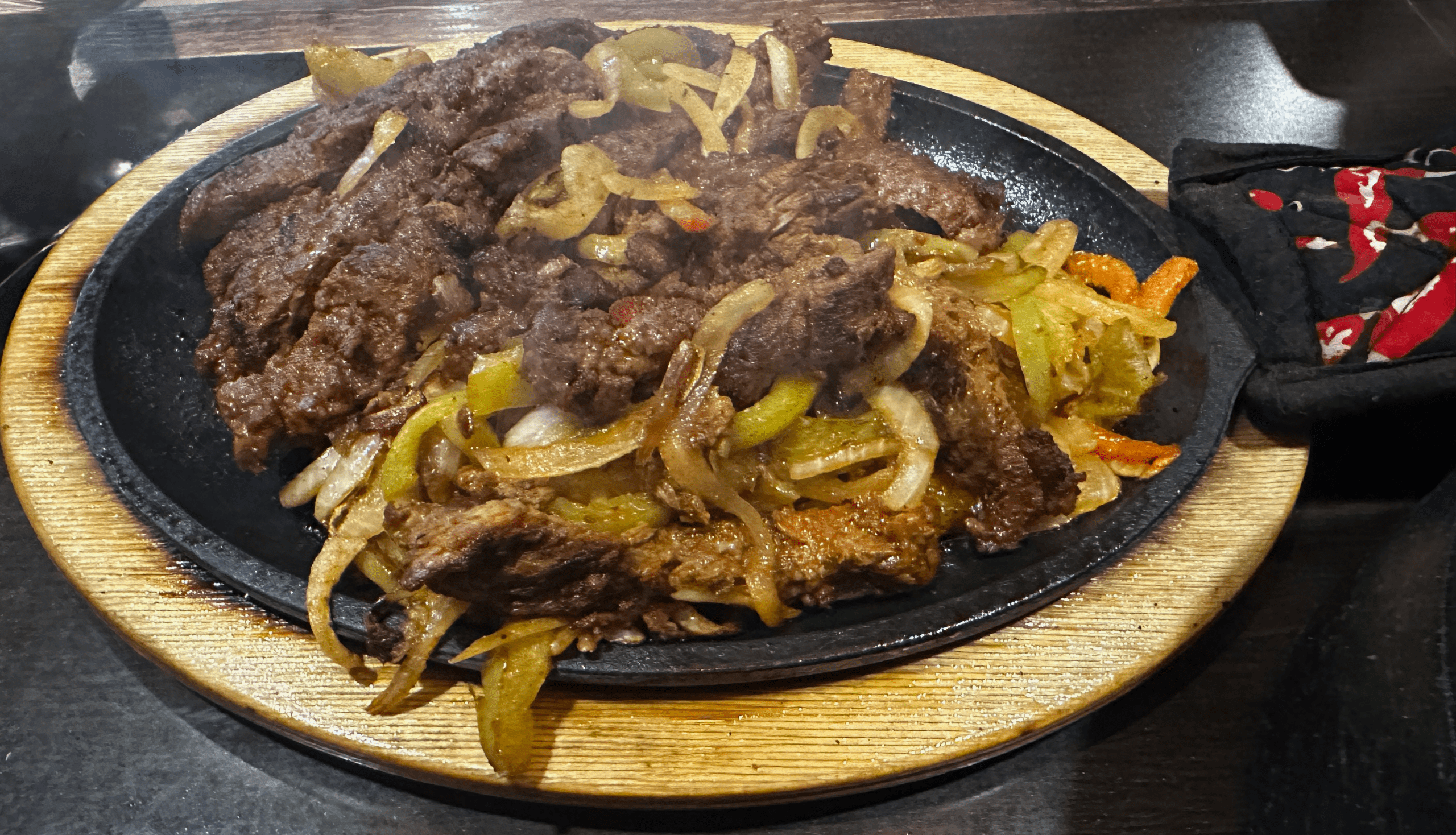
Albuquerque City Limits – Albuquerque, New Mexico

“It’s when I reach the city limits that my sense of security ends and my sense of adventure begins.” ~Anthony T. Hincks Author: Verbs in Storyland Why is it the term “city limits” conjures the same type of trepidation today that very early (before the Third Century BC) explorers must have felt when they thought the Earth was flat and if they navigated too far west, they’d fall off the edge of the map?   Why is it Hollywood has consistently portrayed the area just beyond city limits as either a dystopian wasteland or a bastion of lawless libertinage?  For that matter, why do so many “inner city” Duke City dwellers believe the city limits is too far a distance to travel for a good meal? Think I’m kidding?  When I told friends and colleagues about having discovered one of the state’s very best green chile cheeseburgers in the South Valley, their typical reactions were “only you would go that far for a burger” and “why didn’t you just go a little further and eat at The Owl.”   You’d think I had trekked to South America, not the South Valley.  You’d think I had risked life and limb.  Perhaps the South Valley…

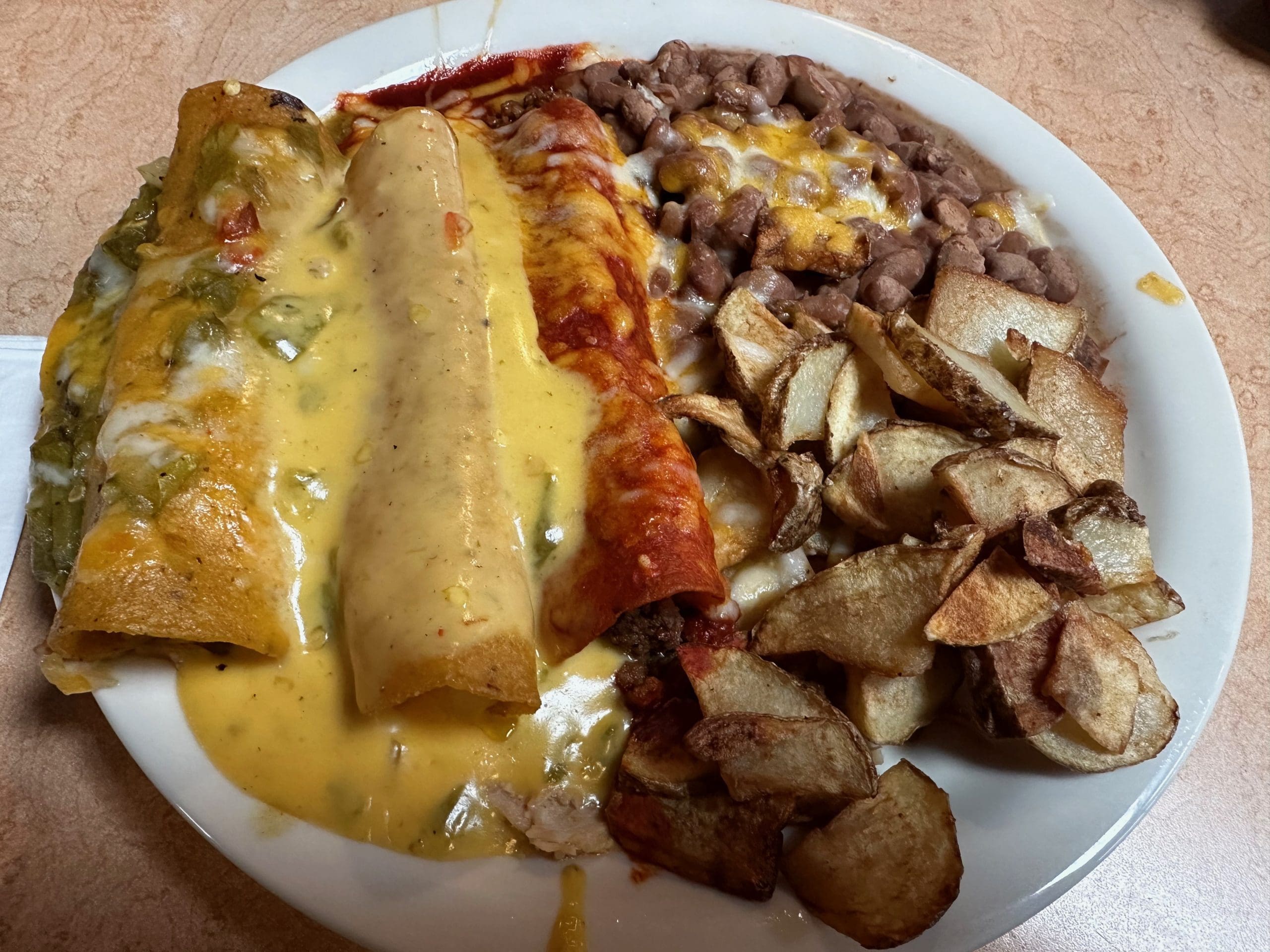
El Patron – Albuquerque, New Mexico

I was a strapping lad of fifteen when hired as a “box boy” at a country store in Peñasco. Now, being a box boy at a small village country store is to being a bagger at Smith’s or Albertson’s in Albuquerque what the red chile at Mary & Tito’s is to McCormick’s chili seasoning mix. The former is so much more than the latter. For one thing, my duties included bailing hay, rounding up cattle, stacking lumber, loading cement, operating a forklift and every once in a while actually bagging or boxing groceries. The job kept me in great physical condition for football season. “Eloy,” my fellow “box boy” was a crusty curmudgeon sixty-some years old who didn’t always take direction well and expended more energy getting out of work than actually doing it. Every morning when our boss, a lovely and gracious woman, gave us our marching orders, he would respond “si patrona” (“yes boss.”) after each order. On busy days those orders came with the rapid fire cadence of an auctioneer. Eloy’s responded just as quickly, “si patrona, si patrona, si patrona.” Occasionally he sneaked in in a “si cabrona” (the literal term means female goat, but is…

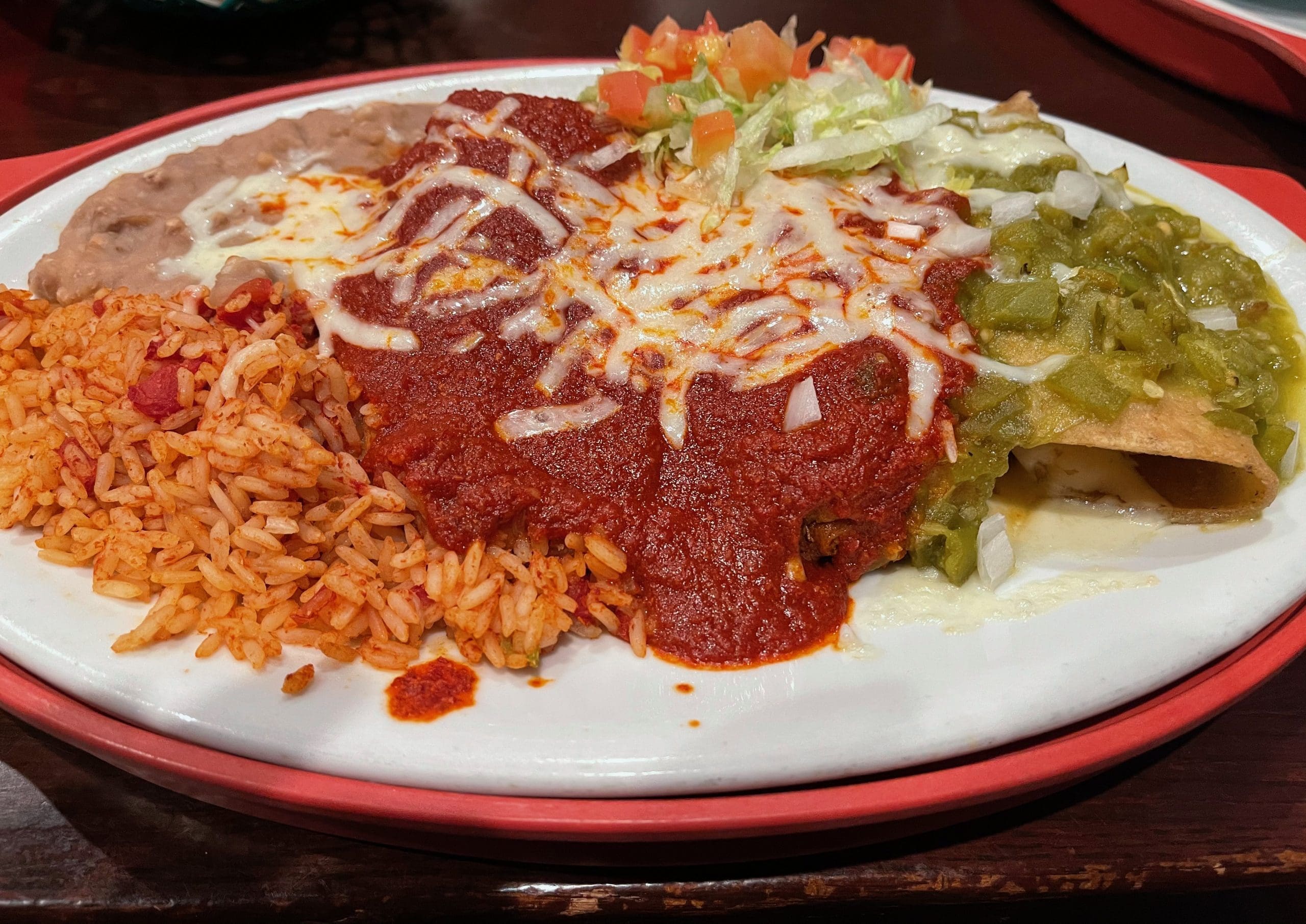
Hot Tamales – Rio Rancho, New Mexico

While the word tamale is most certainly Spanish, its derivation is from the Nahuatl word tamalli.  Tamallis were developed as a portable ration carried by war parties in pre-Columbian North America and were as common and varied as the sandwich is today.  One commonality among tamalli then and tamales today, is the corn meal dough (masa) which is made through a process called “nixtamalization.”  In pre-Colombian times, the process involved using wood ashes to soften field corn for easier grinding.  Today this is done by slaking lime.  Interestingly, nixtamalization not only softens field corn, it aids in digestibility and increases the nutrients absorbed by the human body. Though the fundamental component of the tamale remains masa, fillings for this delicious snack or entree are almost as diverse as the imagination, ranging from sweet (pineapple, coconut, pecans, bananas, chocolate and more) to savory and everything in between.  There are also tremendous variations in the wrapper which envelops the filling.  Dried corn husks are probably the most common, but the descendants of the Meso Americans also use fresh corn husks, banana leaves and the membrane from some agave plants. In New Mexico, we like to think of tamales as being part of…

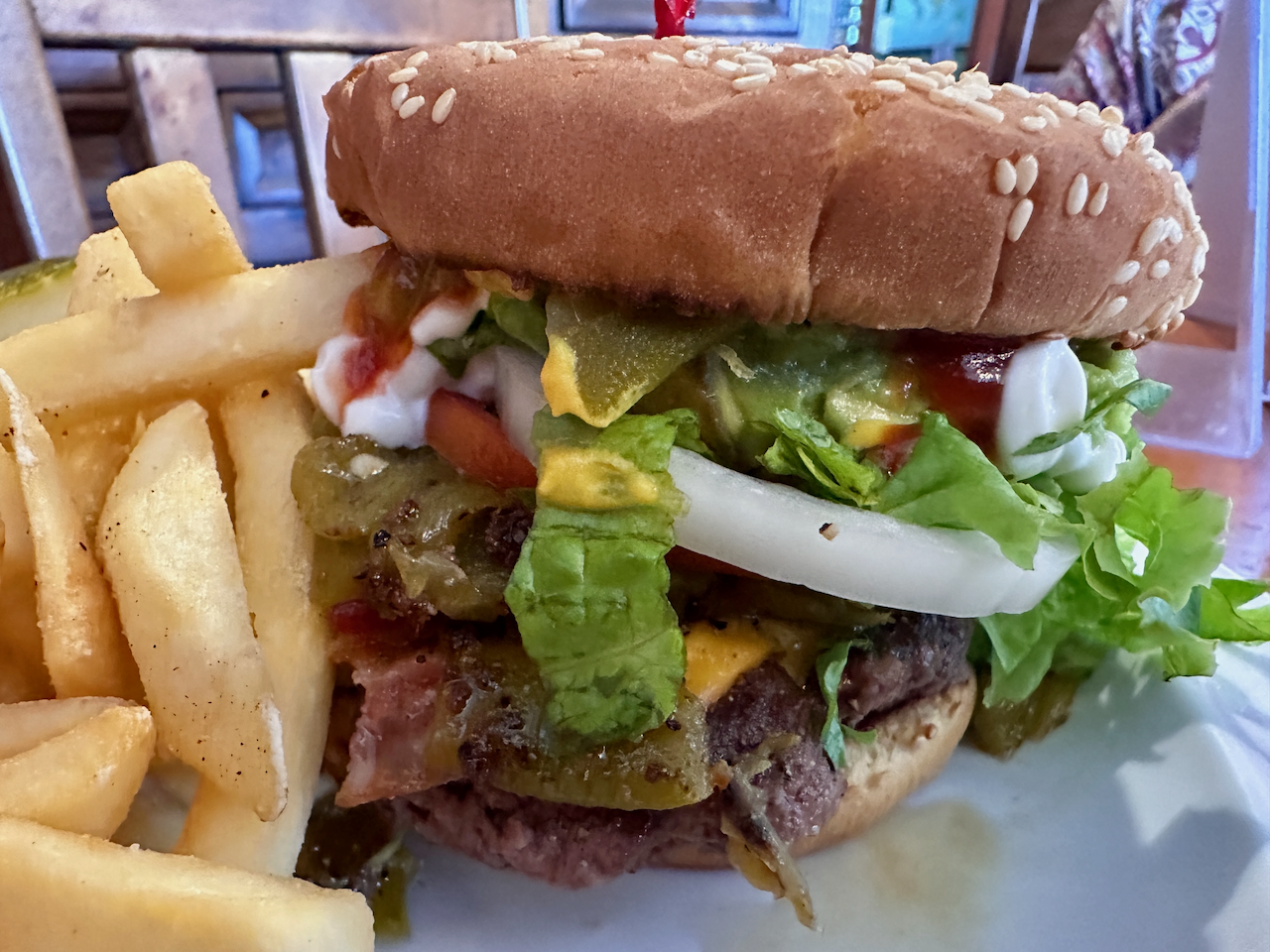
Tomasita’s – Albuquerque, New Mexico

Much as I like and respect Bob of the Village of Los Ranchos (BOTVOLR), the most prolific commentator on Gil’s Thrilling…naming this blog for him has never been a consideration.  Like Bill Richardson, the former governor of the great state of New Mexico, most of us would like to see our names immortalized on the side of a building, newspaper article or in my case, a thrilling (and filling) food blog.  Call it ego or self-aggrandizement, it’s just human nature to want our names recognized, preferably in large print and not for some act of ignominy.  That’s what makes the story of Georgia Maryol and Tomasita Leyba so compelling. That Georgia would name her new restaurant venture for her long-time friend and chef speaks volumes about both of them.  Their stories–Georgia’s and Tomasita’s—are chronicled on Tomasita’s website, told far better than this blogger is capable, but here’s just an example of a very unique and wonderful relationship:  In the early 70s when the opportunity to lease the historic former terminus of the “Chile Line” in Santa Fe’s Railyard presented itself, Georgia jumped at the chance. Nay-sayers, both press and public, predicted gloom and doom. Concerned that she’d made a mistake…