El Papaturro Restaurant – Los Ranchos De Albuquerque, New Mexico

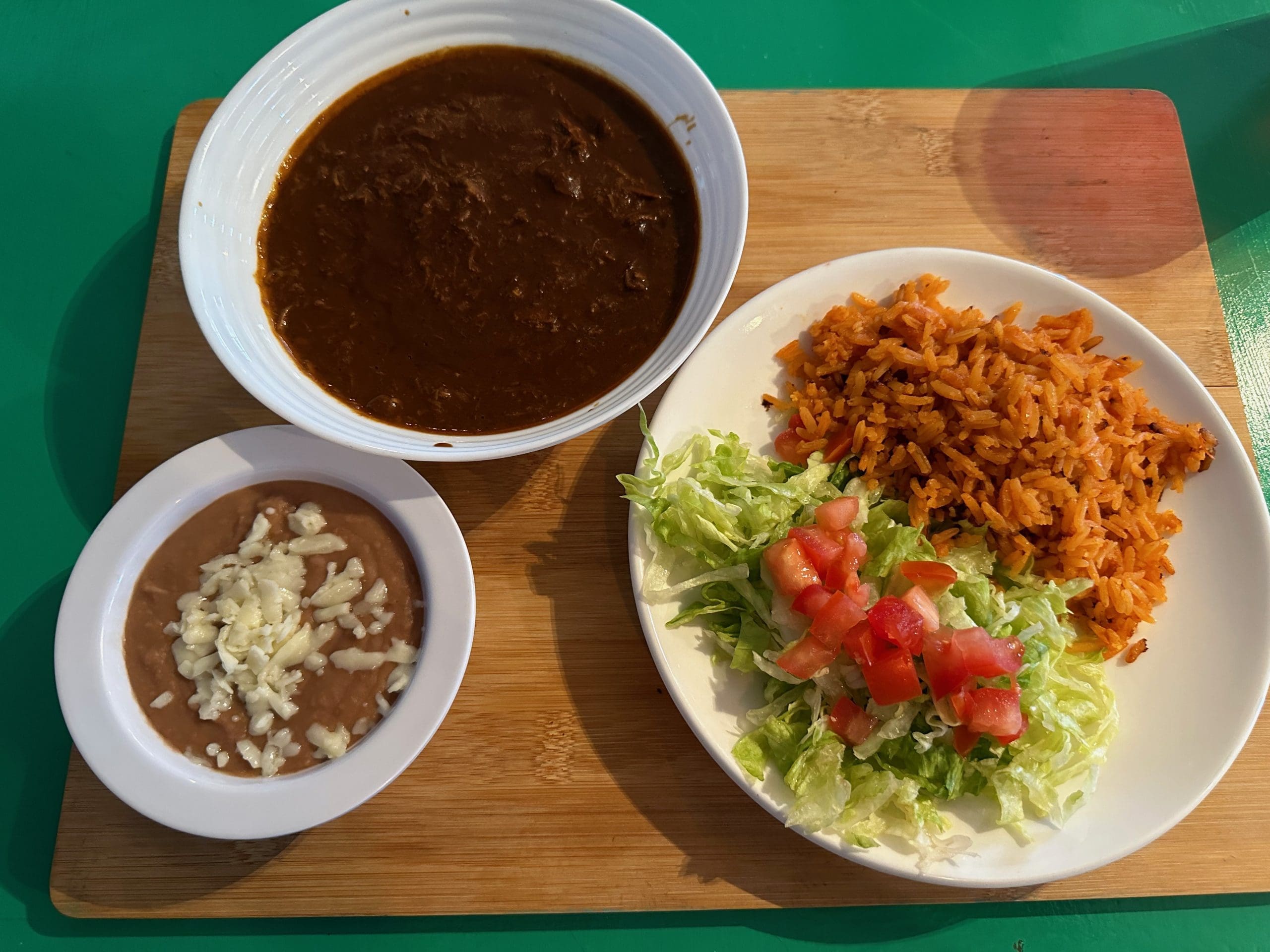
Driving north on Fourth one Sunday afternoon, my sharp-eyed Kim espied a new eatery with the curious name El Papaturro. Our first inclination was that the Pappas Restaurants group had made another incursion into the Land of Enchantment. It seemed to make sense considering the Pappas Restaurant Group, a family-owned and operated restaurant company based out of Houston, is the parent restaurant of Pappadeaux which has had a presence in Albuquerque since 2004. Pappadeux, a seafood restaurant with Cajun leanings, has several sibling eateries across the fruited plain, all sporting “Pappas” on their appellation. Seemingly covering all palates, the Pappas restaurant family includes Pappasito’s Cantina for the Mexican food lover in you, Pappas Seafood House, Pappas Brothers Steakhouse, Pappas Bar-B-Q, Pappas Burger and Pappas Grill and Steakhouse. Upon finally remembering that the trademark spelling for the Pappas family of restaurants calls for “Pappa” to be spelled with two p’s, we dismissed the notion that this was yet another restaurant in the burgeoning Pappas family. So what the heck, we wondered, is a Papaturro? Most likely, we reasoned, the term was probably Greek and not Spanish. With our combined vocabulary of Spanish and Spanglish words (including dozens of invectives), we would…

CubaMex – Albuquerque, New Mexico

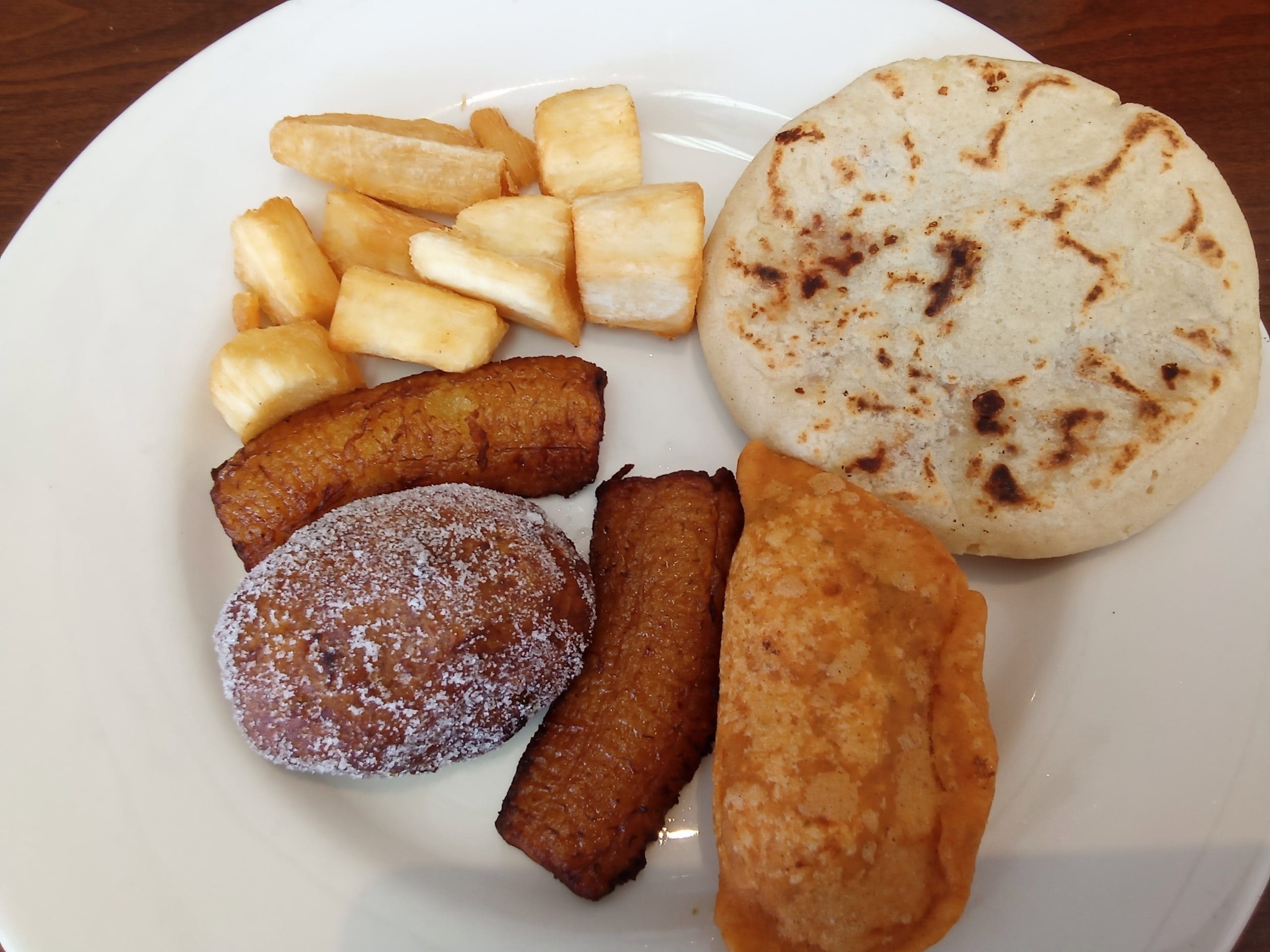
Because Columbus sailed the ocean blue in 1492 and a succession of Spanish explorers followed suit, you might expect that Spanish cuisine would have proliferated across the new world.  Instead, Spanish discoveries included indigenous cooking techniques and ingredients that forever altered the way scions of Spain ate. At the time of conquest, the European diet was principally comprised of bread, olive oil, olives, “meat,” and wine.   The “new world”–Mexico in particular–was rich, fecund, and replete with such crops such as beans, pumpkins, chilies, avocados, tomatoes, cocoa, cotton, tobacco, corn, and cassava, foods that could not be found in Mother Spain. All the territories explored and conquered by the Spaniards had their own bounty of unique and delicious culinary offerings.  Because traditional Spanish foods were an ocean away, it made sense the Spaniards would adopt indigenous foodstuff.   Many of those foods were ultimately introduced to the European continent.  It was the advent of eating not just for survival, but for pleasure.  To some extent, the vast variety of new ingredients and techniques were also shared among conquered lands.  Solely from the perspective of culinary diversity and deliciousness, it was a win-win.  The uniqueness of foods among such Spanish-held territories…