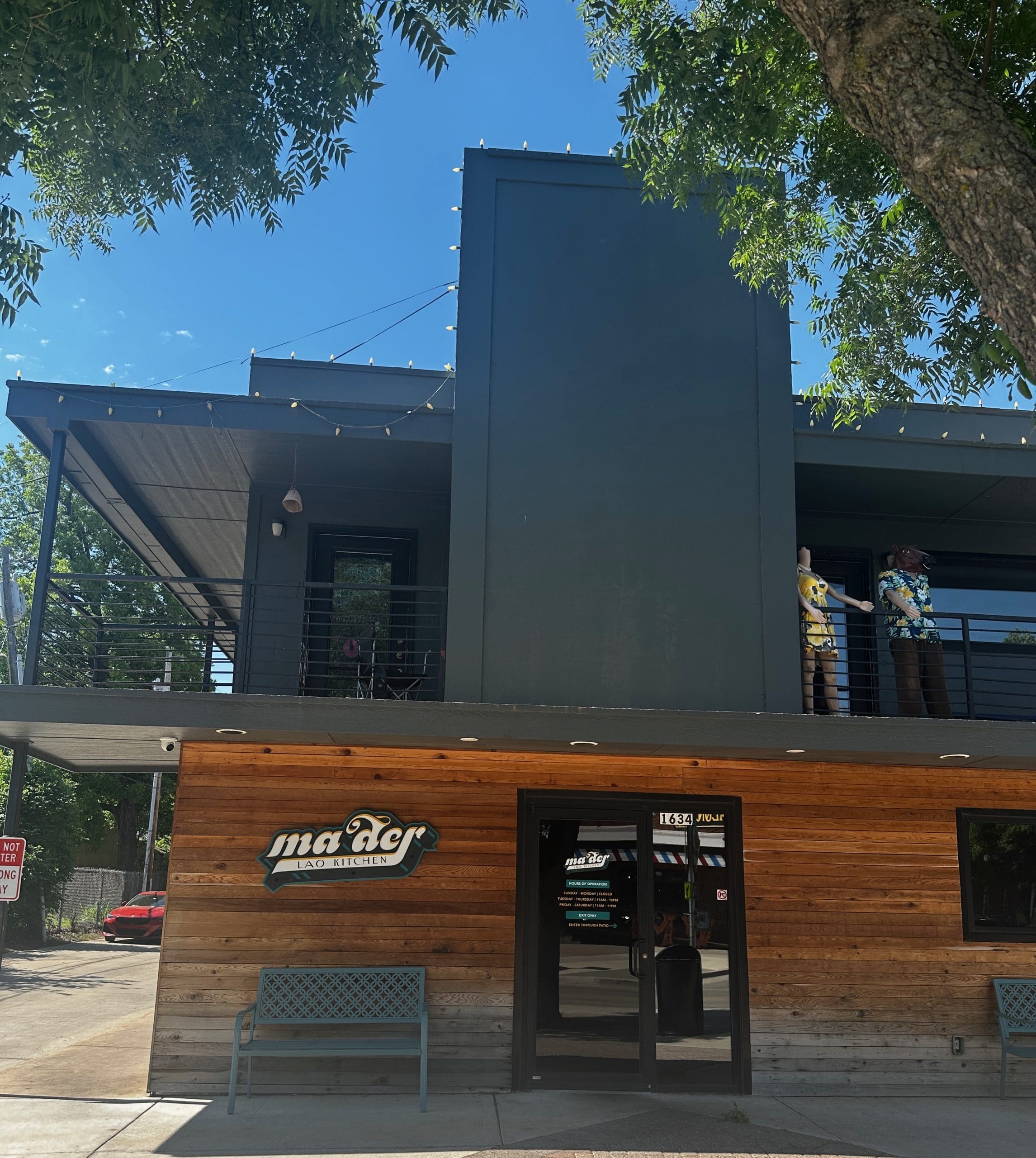
In Italian, the term “mangia, mangia,” is an encouragement to enjoy food abundantly. In Spanish, the polite phrase “Buen Provecho” translates to “enjoy your meal.” The French term for “enjoy your meal” is “bon appétit” while the Cajun equivalent is “Allons manger.” You’re probably acquainted with most of these terms, but here’s one you may not know. In Lao, “Ma Der!”(ma-derr) is a phrase that basically means “come eat! or “come through!” Throngs of Oklahoma City’s savvy diners have been coming to eat at Ma Der Lao Kitchen since 2022. It’s a good bet not all of them realize the meaning of the restaurant’s name. Perhaps some of them believe “Ma Der” is someone’s mother.
Even if not everyone understands the term “Ma Der,” denizens of the Oklahoma state capital and beyond are intimately familiar with the restaurant’s reputation. Indeed, Ma Der Lao Kitchen has a national profile. In 2022, Bon Apetit named it among the 50 best new restaurants in the country. The New York Times went one better, in 2022 naming it one of America’s fifty best restauants. Ma Der also made it to USA Today’s listing of restaurants of the year for 2024. Additionally, Chef and owner Jeff Chanchaleune was a 2023 and 2024 James Beard Foundation finalist for Best Chef: Southwest.
Chef Chanchaleune says Ma Der Lao is “the greatest hits of everything he grew up eating.” Indeed, Ma Der Lao is a family affair for the Oklahoma University graduate who spent two and a half years in the advertising field. Having grown up immersed in the restaurant industry alongside his chef father, it didn’t take him long to realize his real passion was food. His pursuit took him to Chicago where he gained invaluable experience working in Japanese restaurants, including Arami, an eight-time Michelin Bib Gourmand award winner. Upon returning to Oklahoma, the chef tried his hand at food truck and pop-ups to test concepts, his goal being to eventually introduce traditional Japanese ramen noodles to Oklahoma City. He obtained his first James Beard nomination at one of those Japanese restaurants.
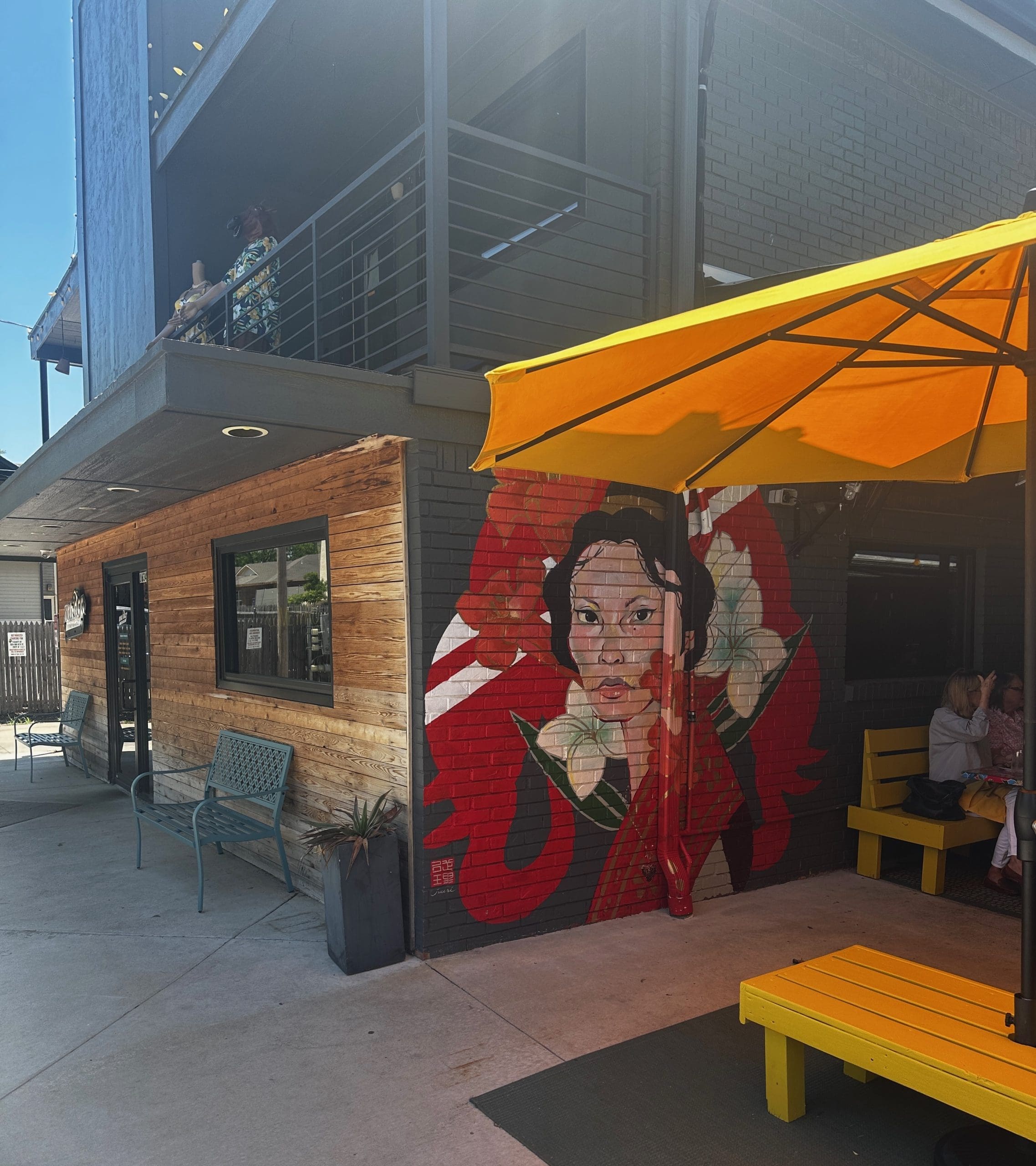
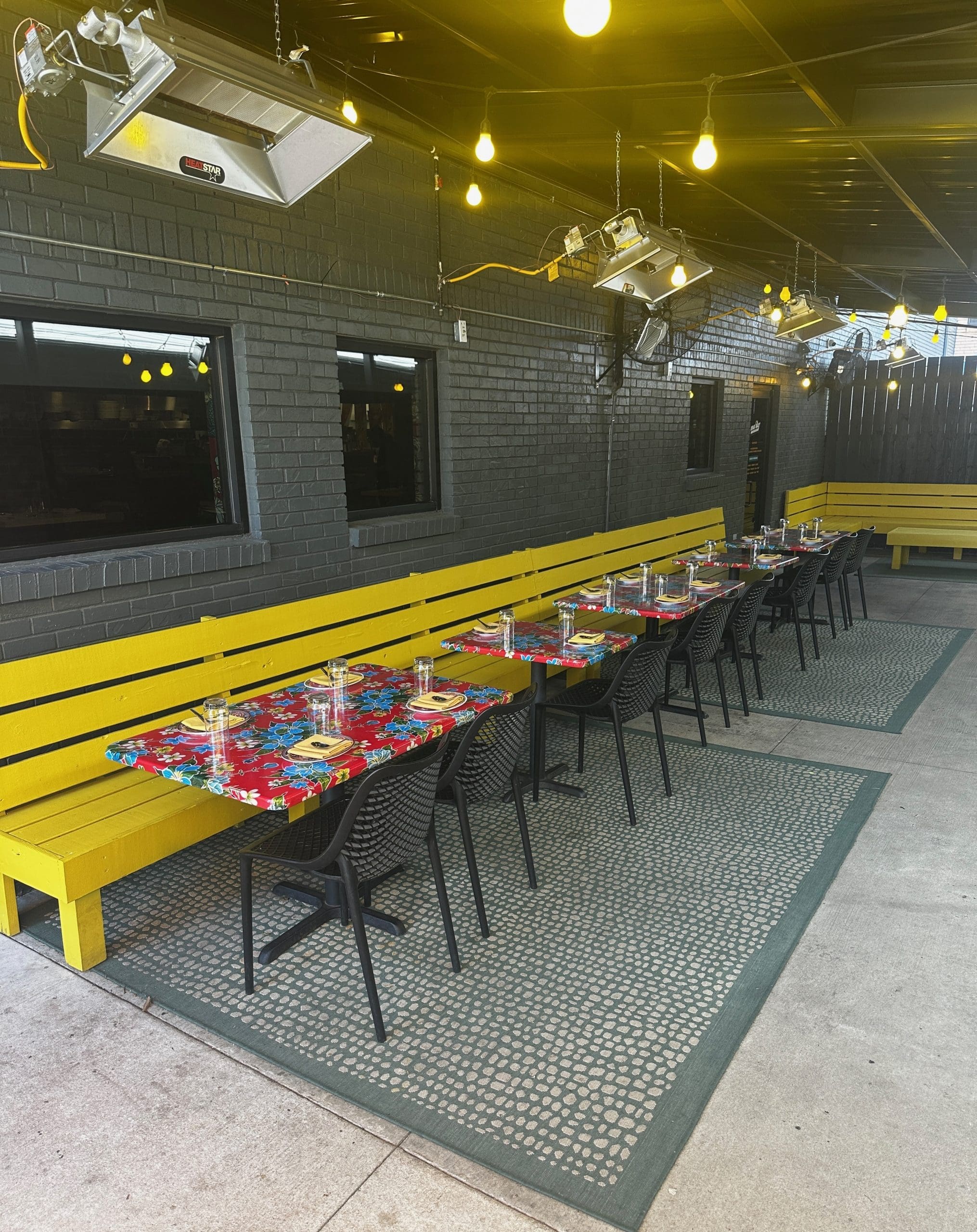
After two decades of cooking Japanese food and establishing a solid reputation, Chef Chanchaleune determined he had the platform to go back to his roots. Not only does Ma Der serve the Lao food with which he was raised, framed photos of his parents are displayed on one wall. His parents had brought family recipes when they migrated to the United States forty years ago. His sister works behind the counter and his late grandmother’s image is painted on a mural preceding the expansive patio. The chef actually grew up on the block in which his restaurant is situated. He’s even more firmly entrenched in the neighborhood now, having launched Bar Sen, his second Lao restaurant just around the corner from Ma Der. Bar Sen, is Chef Chanchaleune’s love letter to his family, heritage and Oklahoma City. “Sen” is the Lao word for “noodles, and the concept is just that — a noodle bar that focuses on bringing new flavors and options to Oklahoma City.

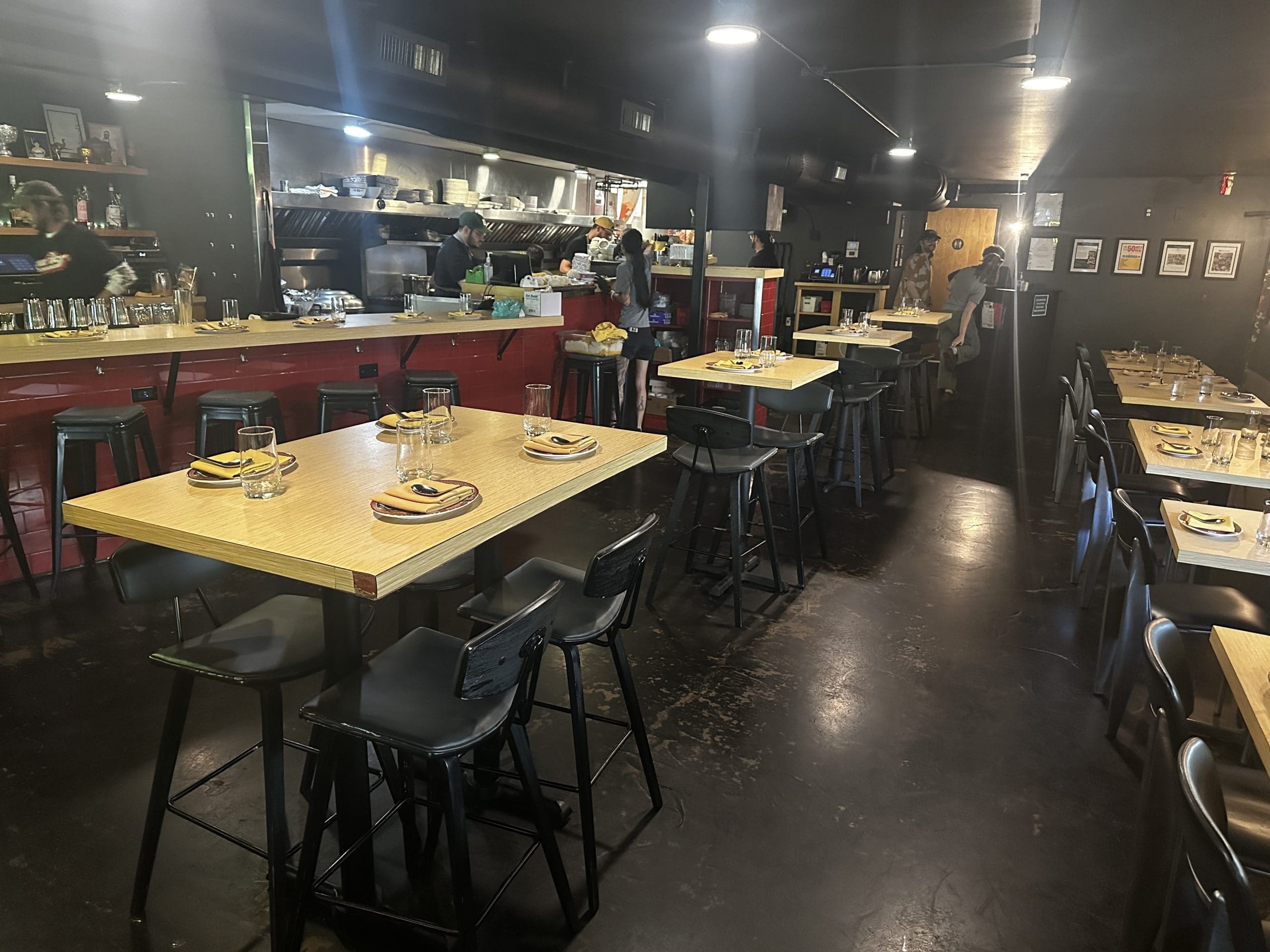
The entrance to Ma Der is through the patio. From the minute you step into the dimly lit dining room, you know you’re in for a special experience. Not only are you greeted cordially, you’re greeted with the kind of enthusiasm you might wish your boss had when you showed up for work. It isn’t wait schtick and it isn’t insincere. It’s a passionate crew which works in tandem to make sure you have a great dining experience. They will explain the restaurant concept in the detail each diner might require. Should you notice common dishes (such as papaya salad, sticky rice and larb) in what Ma Der serves and what you’ve experienced in Thai restaurants, the staff will clarify differences. They’re happy to recommend dishes based on personal experience as well as knowing what diners order most frequently. Those dishes include the crispy rice salad and the fried chicken.
The cuisine of Laos is similar to Issan-style Thai food, its genesis being the northeastern region of Thailand. If you’ve ever dined at Lotus of Siam, helmed by a James Beard award-winning chef in Las Vegas, you’ll be well acquainted of the similarities between Lao food and that of Northeast Thailand. Both are replete with umami, the pleasant savory taste” which has been described as brothy or meaty. Unlike the cuisine of Laos’s neighbors Thailand and Vietnam who favor sweet and sour foods, the collective palate of Lao’s citizenry gravitates towards savory, salty, sour, bitter, and spicy foods. Lao cuisine is bold, funky, and addicting! Some of us with well-traveled palates will tell you the main difference is how “Americanized” Thai food has become in many Thai restaurants.
Some of my most cherished memories of grown up in a farm-ranch involve tending to livestock and crops. It was difficult sun-up to sun-down work, but working hand-in-hand with my dad and brothers made it fun. Though we butchered our own cows for all the usual cuts, my dad always ensured there were copious thin cuts of meat we would use to make beef jerky. We hung and sun-dried those thin cuts until an ideal texture was achieved. We didn’t use any marinades as beef jerky stores tend to use today. Nor did we even call it beef jerky. To us, it’s always been carne seca.
You don’t often see beef jerky on menus aside from at New Mexican restaurants such as the New Mexico Beef Jerky Co. where you can find carne seca in such flavors such as habanero, lemon pepper, teriyaki, salt and pepper and garlic, green chile and red chile. You will also see beef jerky in Issan-style Thai restaurants as well as in Lao restaurants. Ma Der doesn’t have an appetizer menu per se. Instead, servers encourage sharing several dishes. The lemongrass marinated beef jerky is ideal for sharing. It bears little resemblance to the Land of Enchantment’s beloved carne seca. Instead of dried beef strips, the jerky is about bite-sized. Accompanying the jerky is a cylindrical “lump” of sticky rice. You’re encouraged to use your hands to scoop up some of that sticky rice and use it as a “wrapper” for the jerky. The sticky rice is a perfect foil for the umami-rich beef jerky, blending contrasting flavors and textures beautifully.
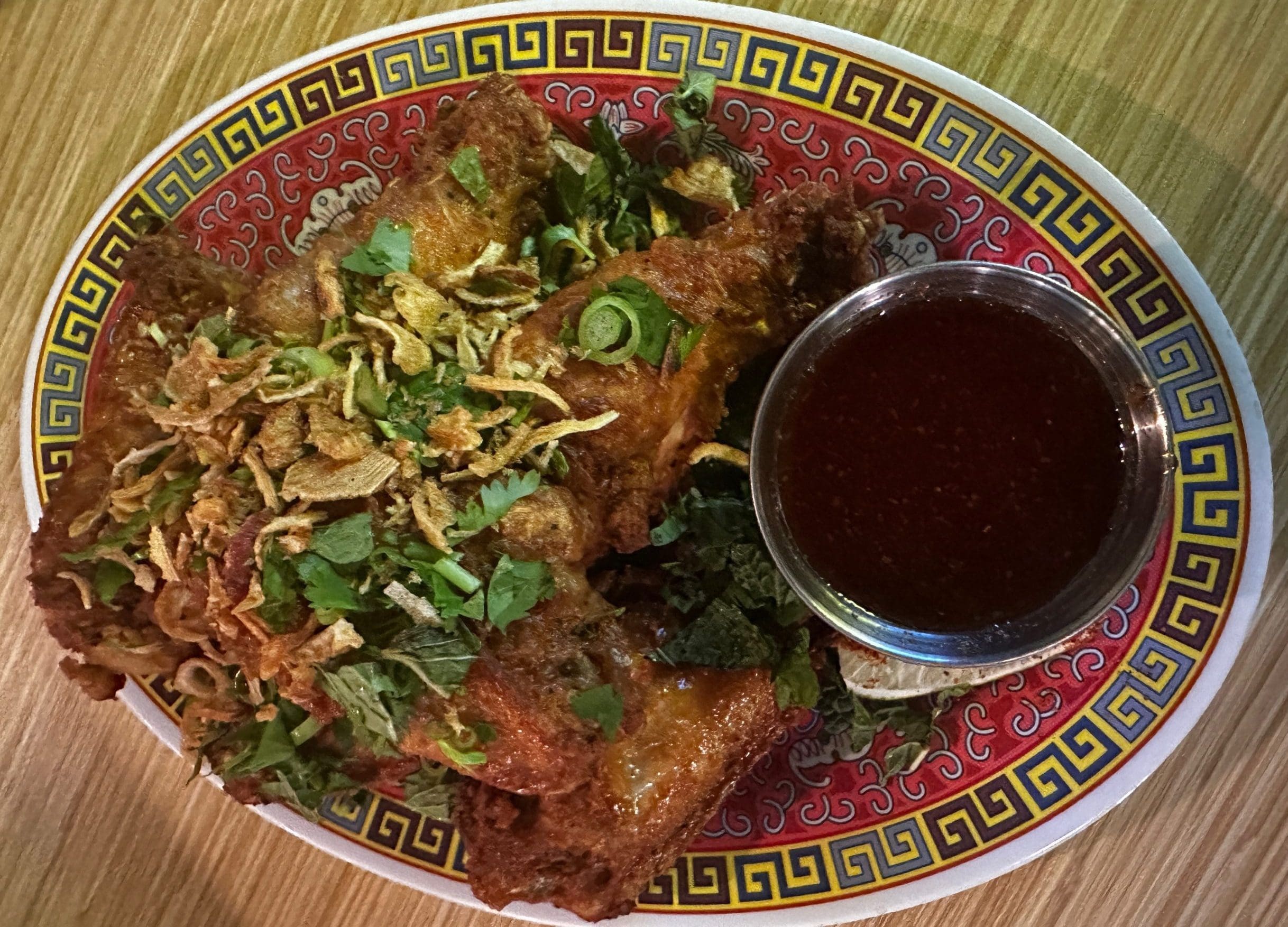
Four businessmen at an adjacent table polished off one order of Ma Der’s fried chicken (twice-fried wingettes and drumettes, fried shallots, herbs; red curry fish sauce is optional) after another in addition to each wiping out an entree. My Kim barely got through her one order, but then each of those businessmen was twice her size. The fried chicken is accompanied by a somewhat sweet, sticky sauce my Kim found a bit too piquant (though her fire-eating husband could discern no heat). Twice-frying chicken imbues it with an extra-crunchy crust and meat that’s still plenty juicy. This chicken was fried perfectly with a crust so flavorful that you dare not discard it. Damn those calories.
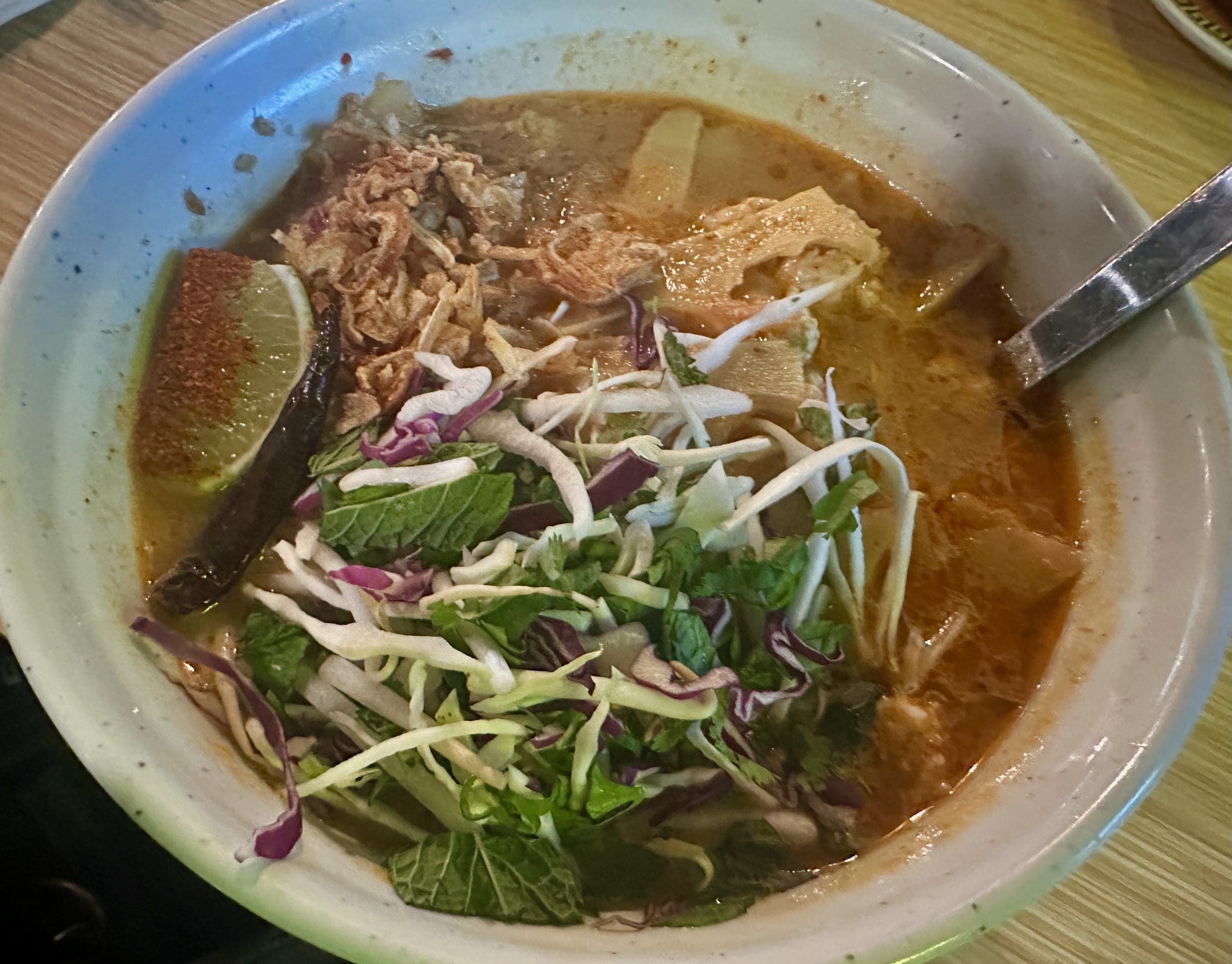
Ma Der offers a daily special served from open to close (or until the special runs out). Tuesday’s special is khao poon (vermicelli noodles with a red curry coconut broth). This gluten-free dish is not nearly as sweet as a Thai equivalent. Not by a long shot. The khao poon is ameliorated with cabbage, piquant bird peppers, lime, bamboo strips, mint, bean sprouts, fried shallots and shredded chicken. Although the dish is available at Ma Der only on Tuesdays, it’s available every evening at Bar Sen. It’s an mouth-watering, traditional Lao curry dish that imparts a balance of sweet, salty and spicy flavors.
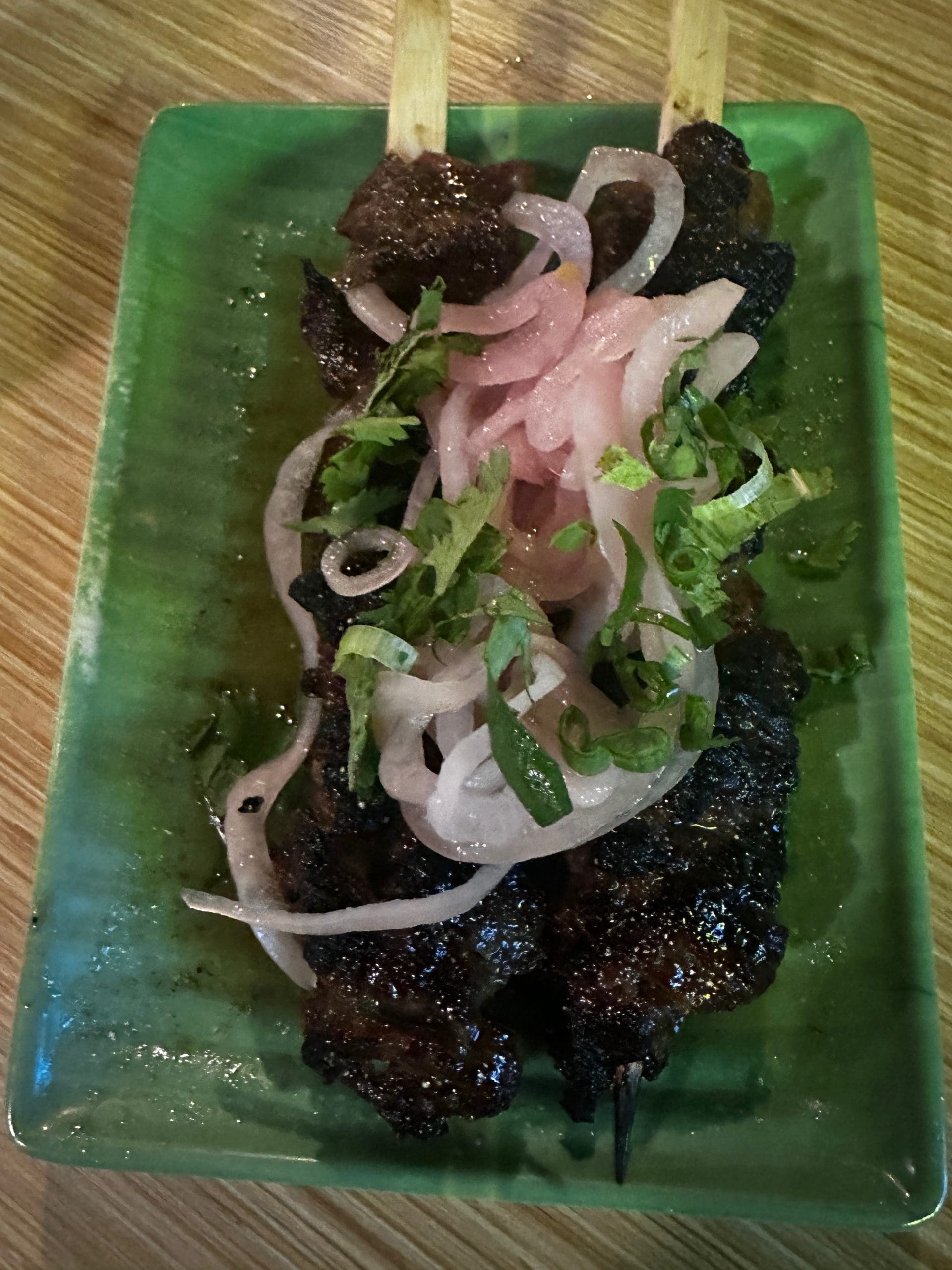
A December, 2024 visit to Glai Ban followed by a January, 2025 visit to Tambayan Filipino Food, both in Phoenix, reenforced a conclusion at which we’d already arrived. That conclusion is that satay, a Thai restaurant standard may just be “desiccated corpse meat,” a term my friend Carlos coined for the thin strips of meat (usually pork or chicken) skewered onto wooden sticks. We arrived at our conclusion after one too many disappointing servings of satay. Both Glai Ban and Tambayan serve grilled beef skewers that kick sand on the 98-pound weakling that is satay. So do the grilled beef skewers (lemongrass marinated beef rib fingers, toasted rice powder, Jaew Som, pickled shallots and herb medley) at Ma Der. Look up the definition of “meat candy” and these delicious skewers might just show up. They’re terrific: flavorful, moist, tender and absolutely wonderful
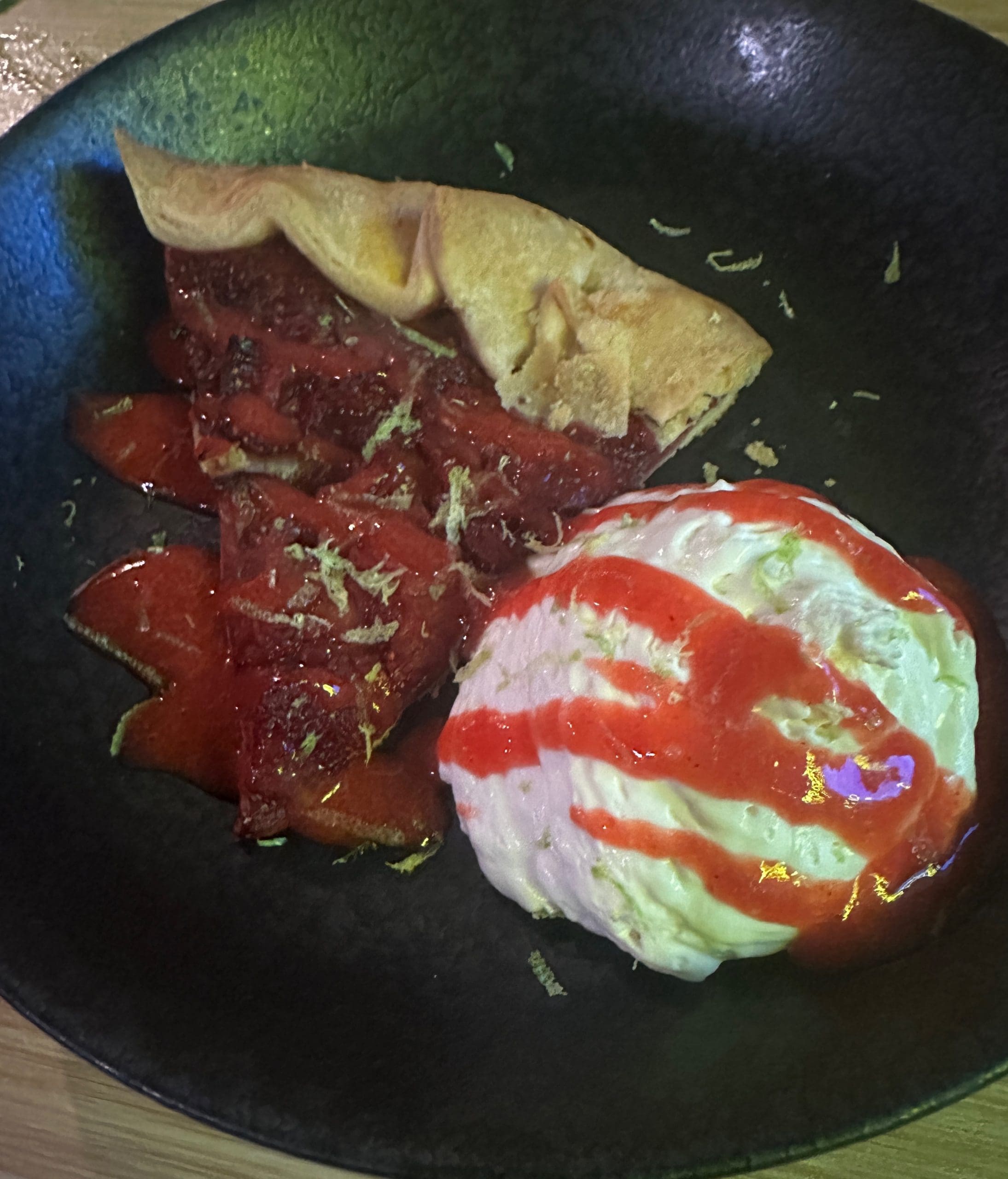
Ma Der’s menu offers two desserts. One is coconut soup (chilled coconut soup with jackfruit, palm seed, coconut jelly). The other is a rotating dessert which may contain gluten. We observed as the for businessmen in the table adjacent to ours all ordered the coconut soup. Most of them didn’t finish it, but we attributed that to the chicken coops of chicken they had eaten. Instead of the coconut soup, we had the strawberry galette with a strawberry coulis. The strawberries were tangy and plentiful; no filler here. The crust proved a perfect canvas for a dessert that exemplifies summer’s freshness.
I won’t be so presumptuos as to declare Lao cuisine “the next big thing” though it’s my hope that it achieves this status. With stellar cooking from traditional Lao chefs, it is among the very best among Asian cuisines, especially if your preferences lean toward umami. Ma Der is an outstanding restaurant I hope to someday return to.
Ma Der Lao Kitchen
1634 N. Blackwelder Avenue, #102
Oklahoma City, Oklahoma
405-900-5503
Website | Facebook Page
LATEST VISIT: 13 May 2025
# OF VISITS: 1
RATING: N/R
COST: $$-$$$
BEST BET:
REVIEW #1467