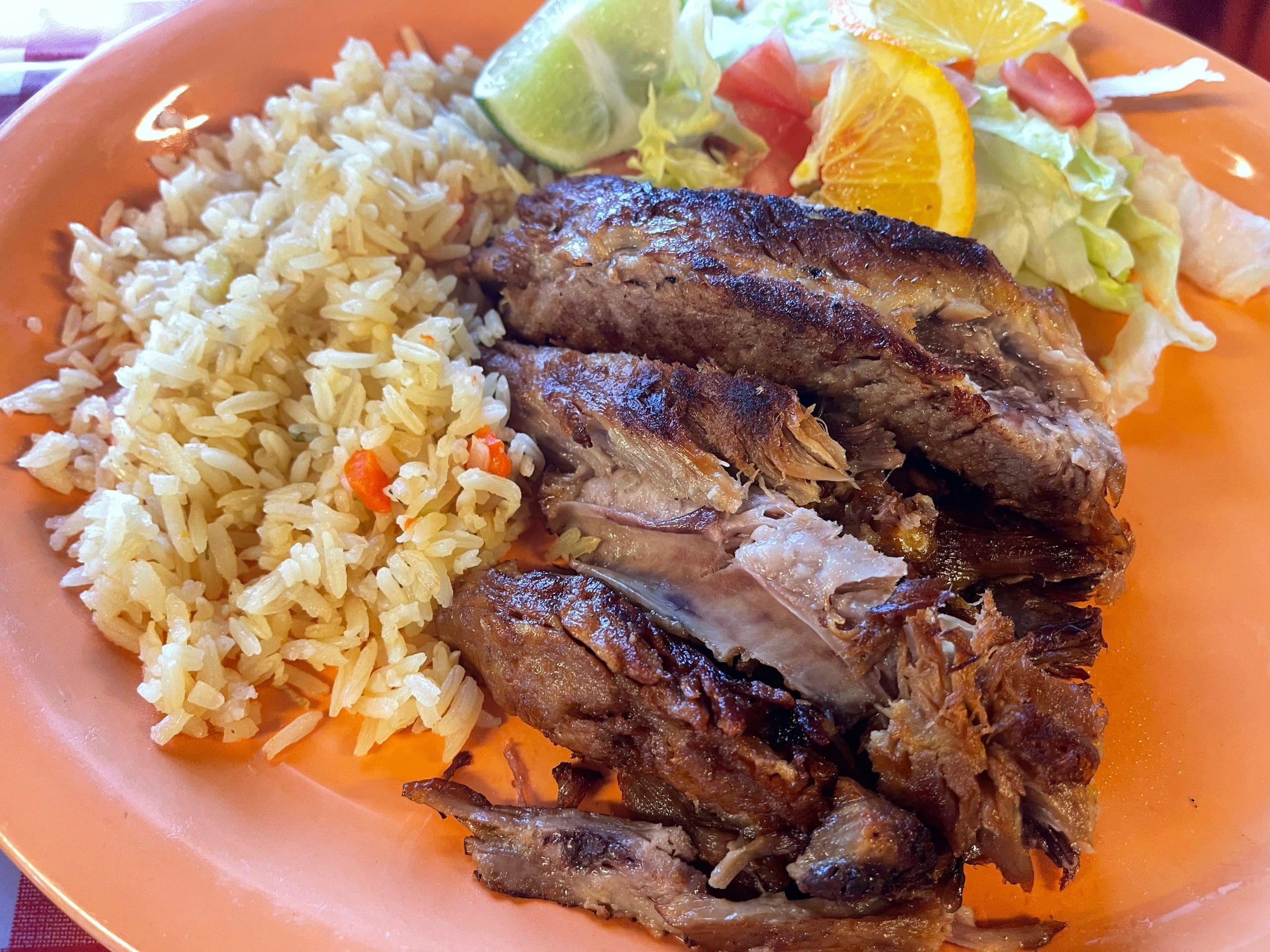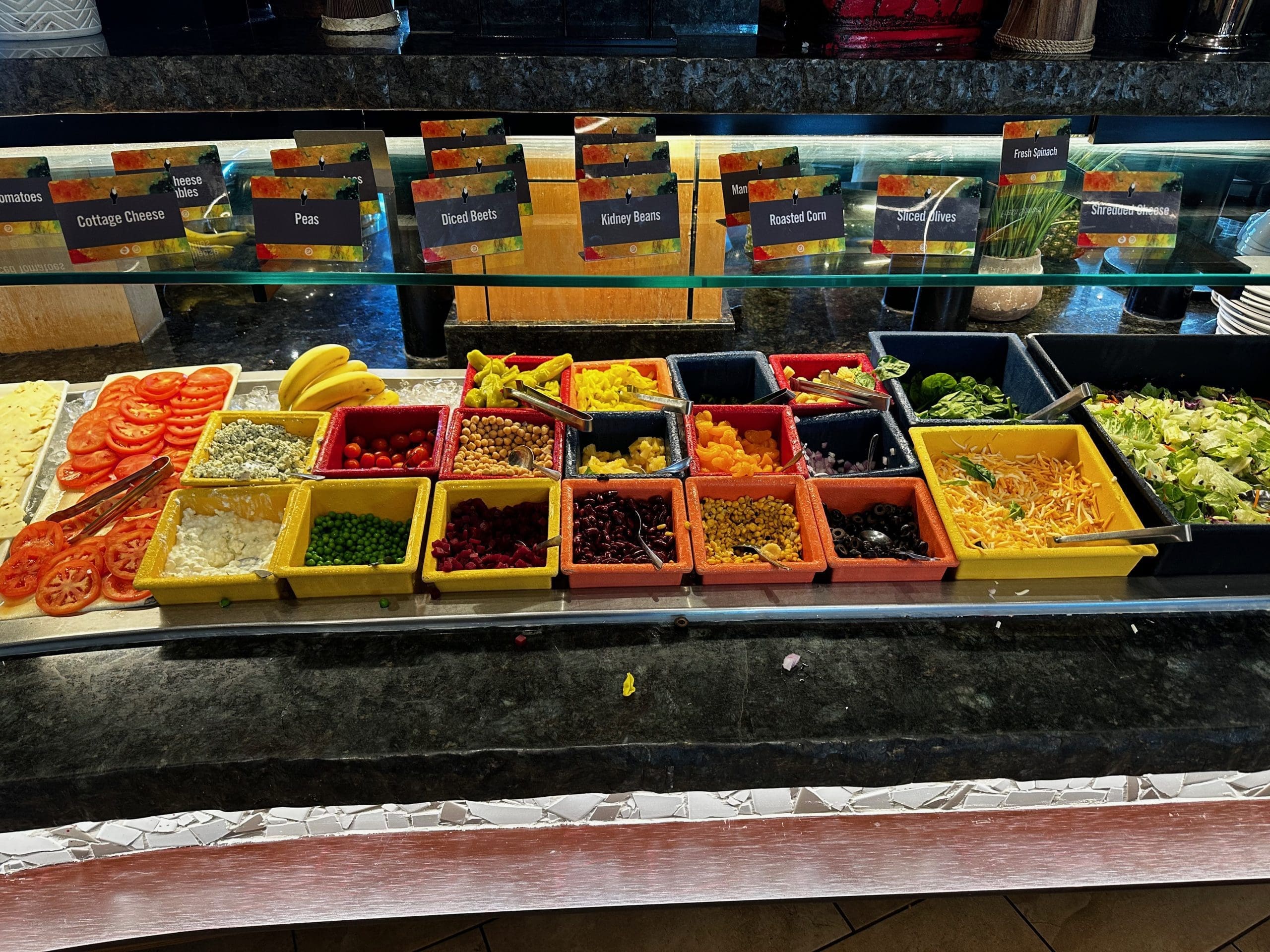
Tucanos Brazilian Grill – Albuquerque, New Mexico

Many New Mexico born Hispanics of my generation grew up watching not only American “shoot ’em up” Westerns featuring rugged cowboys, rowdy rustlers, round-ups and home on the range, but the Mexican equivalent–movies featuring the exploits of charros, the traditional cowboys of central and northern Mexico. My friends and I could only dream about overcoming marauding Indians, desperate rustlers and flooding rivers as we drove our cattle to the stockyards in Abilene just like our white hat wearing heroes. It’s conceivable that in Brazil, cinematic exploits glamorized the equivalent to America’s cowboy–the gaucho, a South American cattle herder who tended his herds on the rich, verdant pampas. For generations the pampas is where the very best cattle herds in Brazil have been…

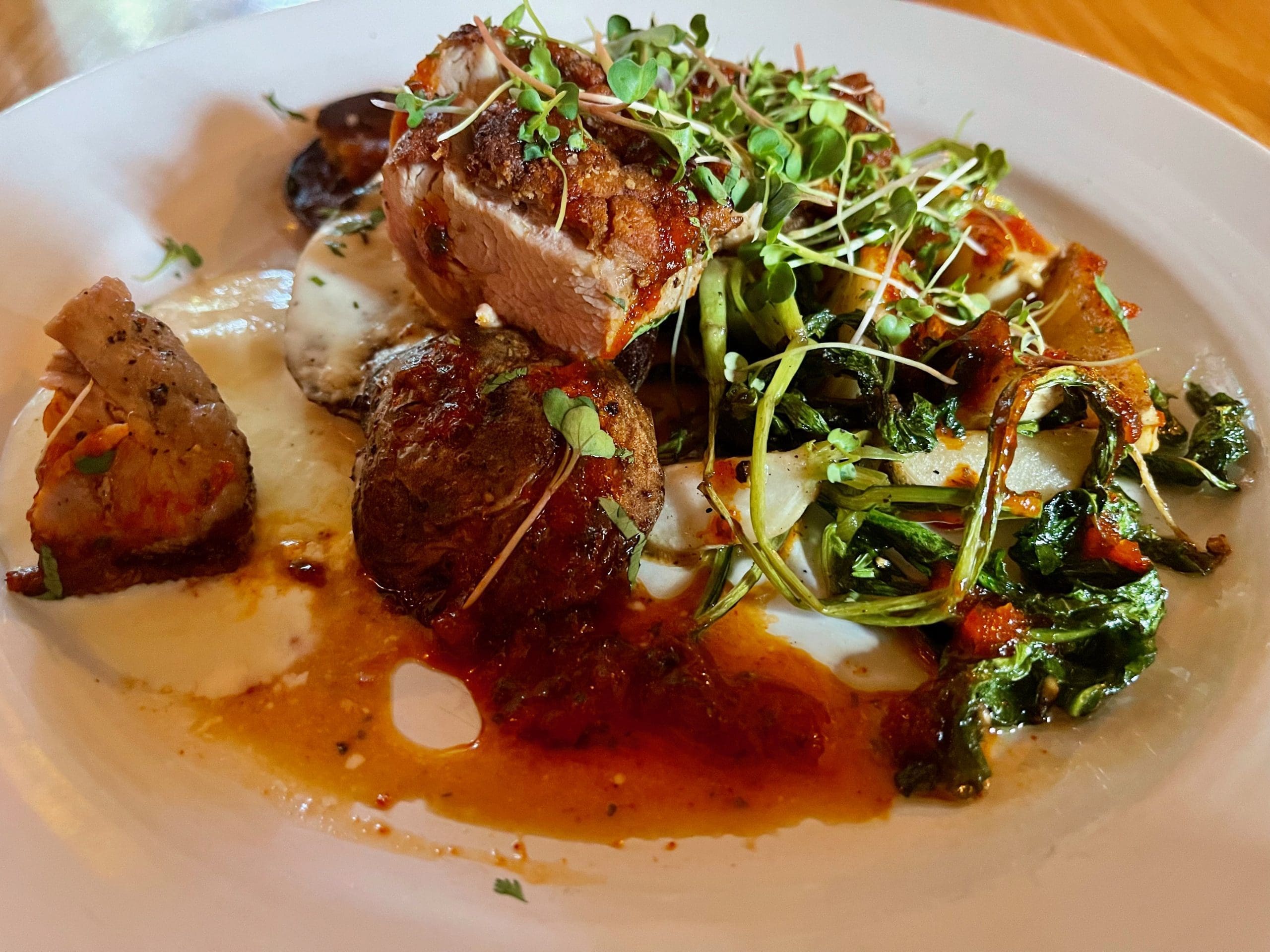
Los Olivos – Albuquerque, New Mexico

For many New Mexicans, Durango, Colorado is much more familiar than Durango, Mexico.  In truth, however, Mexico’s Durango may actually have more historical significance and ties to the Land of Enchantment than its like-named resort town in Colorado.  That’s especially true for the Catholic Churches of New Mexico. Episcopal jurisdiction for the Catholic church in New Mexico was placed in 1797 under the stewardship of the Bishop of Durango. New Mexico remained part of the Diocese of Durango until 1850 when Pope Pius IX created the Vicariate Apostolic of New Mexico and appointed Father Jean Baptiste Lamy as its first Bishop.  Yes, that’s the same Father Jean Baptiste Lamy on whom Wila Cather’s Death Comes For the Archbishop is based.…

THE LOVE APPLE – Taos, New Mexico

If the Roman Catholic Church in the 16th century had had its way, the tomato might not be a ubiquitous ingredient in the cooking of many cultures today. So, just what is it about the seemingly innocuous tomato that once earned it a scurrilous reputation in the Church, the type of reputation which made it the Paris Hilton of the nightshade family? Brought to Europe by the Spanish conquistadors, it was initially viewed with apprehension, thought not to be edible but purely decorative–and poisonous. Leave it to the French to change that perception by ascribing aphrodisiac properties to what they called pomme d’amour or love apple. This prompted the Roman Catholic Church of the time to declare the tomato the…

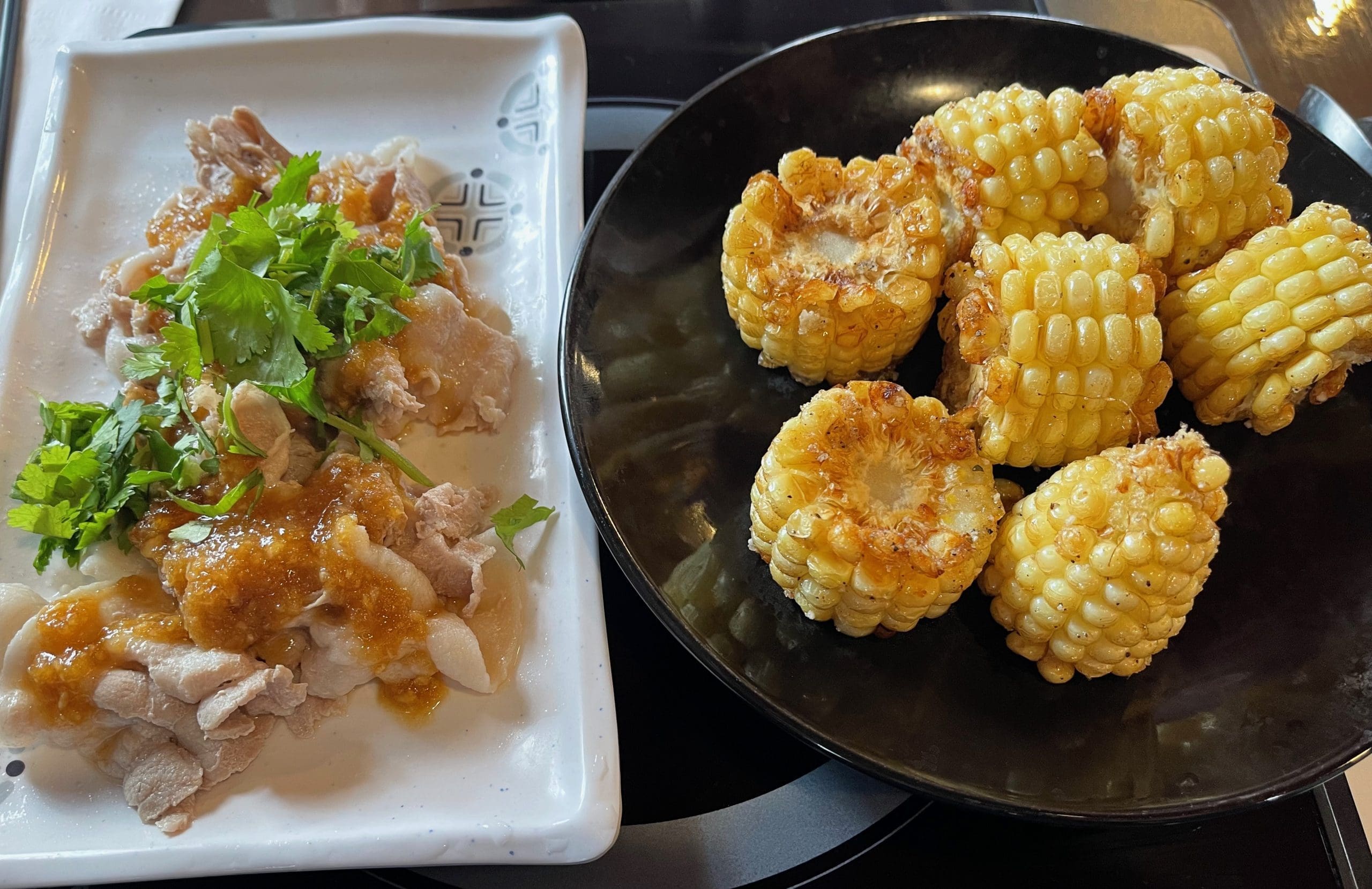
Zu Hot Pot – Albuquerque, New Mexico

“You have tattoos and others have piercings, but for me, there’s nothing that says more about me than the food I choose to carry every single day. As a kid trying to maintain my identity in America, my Chinese was passable, my history was shaky, but I could taste something one time and make it myself at home. When everything else fell apart and I didn’t know who I was, food brought me back and here I was again.” ~Eddie Huang, Fresh Off The Boat Food: It triggers memories that provide a sense of identity and belonging. It feeds the soul and nourishes the body. It impacts the environment and geopolitical politics. It inspires song, art and lore. It affects…