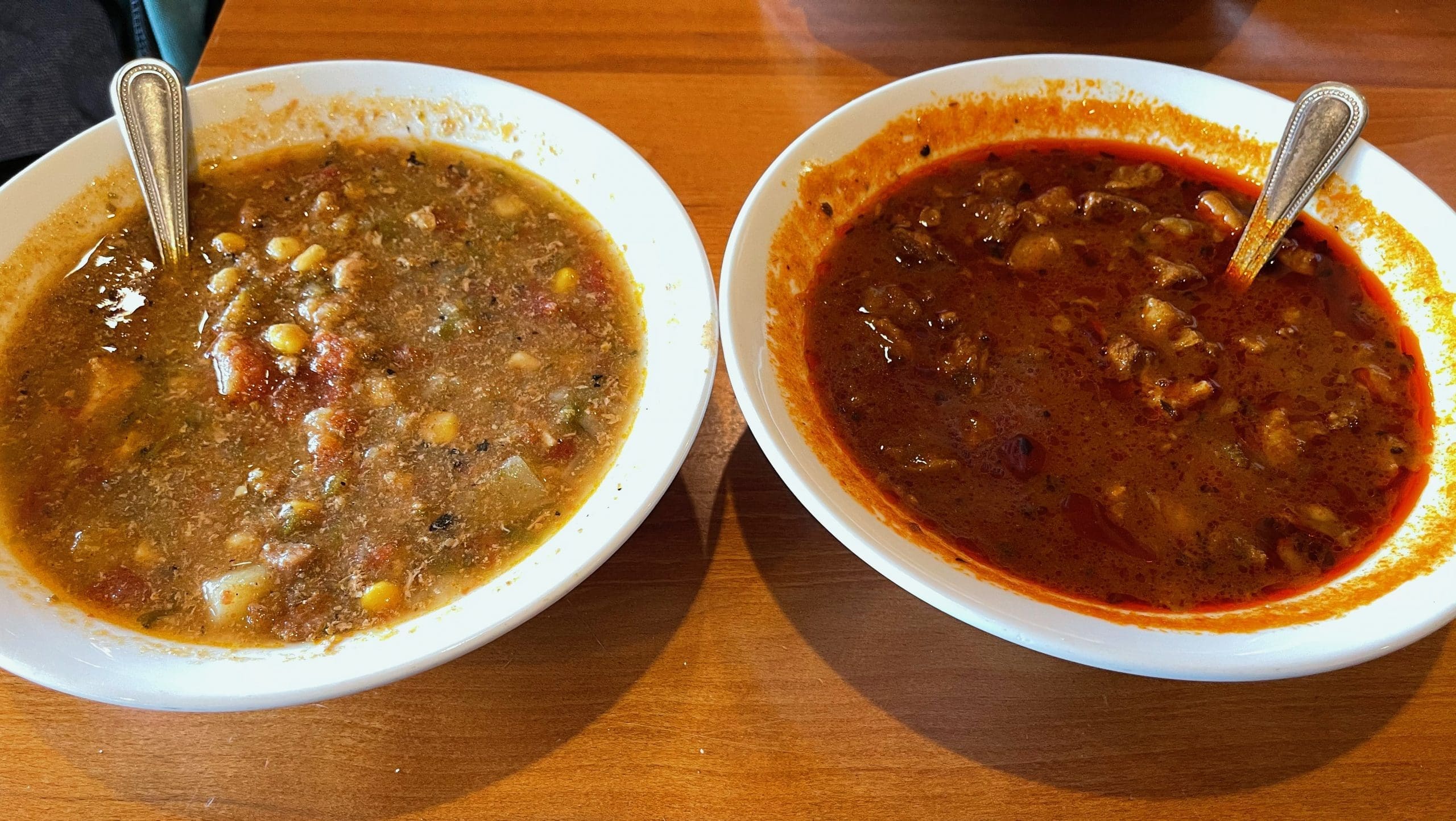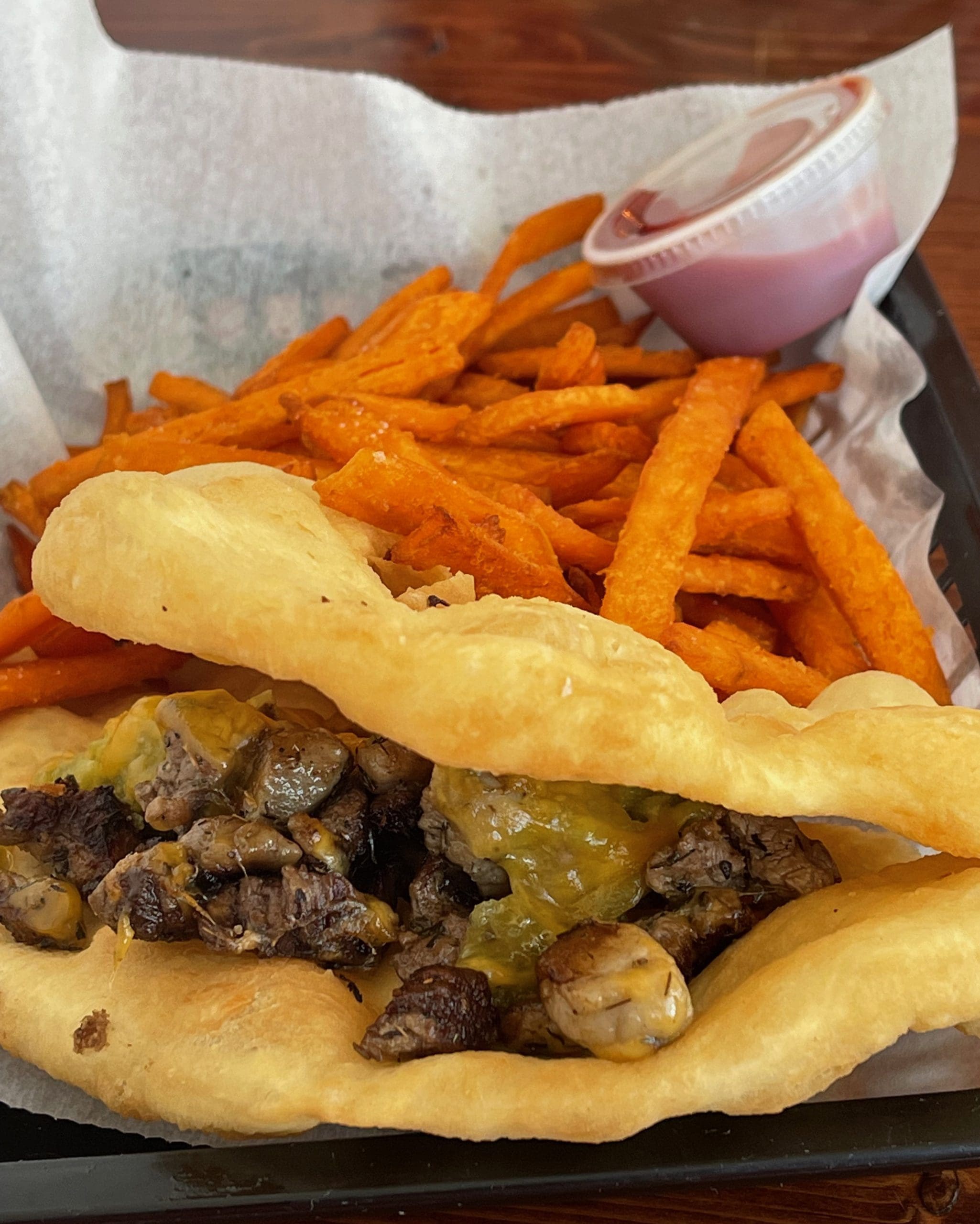
El Roi Cafe – Albuquerque, New Mexico (CLOSED)

You know you’ve been involved in project management for too long when the only thing that comes to mind when told about a restaurant named “El Roi” is “why would a restaurant be named for a Return on Investment (ROI).”  For those of us who have worked in Information Technology, ROI is a financial ratio used to calculate the benefit an investor will receive in relation to their investment cost.  Restaurants often have a poor return of investment–not just in financial capital, but in human capital.  Restaurants require a significant investment in time by owners as well as kitchen and “front of the house” staffs and the financial return isn’t exactly lucrative.  My Kim theorized that Roi is probably a preferred derivation of Roy.  “By poor spellers,” I chortled.  It turns out my brainy bride was correct…well, almost.  According to Namedat, a website which takes social security administration data and converts it to facts and stats about names of people in the United States, there are actually 8,706 humans in the country with the first name Roi.  Naturally one of the very first questions we asked when we finally made it to El Roi is just what does the name…

Indian Pueblo Kitchen – Albuquerque, New Mexico

>Pedro de Castaneda, a Spanish explorer who chronicled Coronado’s expeditions through the southwest from 1540 to 1542 observed that corn, beans, and squash were the main staples of the pueblo diet. Of the three, which have come to be known as “Three Sisters,” corn was the most important. It was boiled whole, toasted on the cob, or dried and ground into a fine powder easily cooked as bread or gruel.  Every day female family members knelt before metates (grinding stones), grinding corn to feed their gods, fetishes and kin. One crushed the maize, the next ground it and the third ground it even finer. Castaneda observed that the women worked joyfully at this task.  The three sisters of corn, beans and squash remain an integral part of the pueblo diet. Think “pueblo harvest” and the first image the term evokes is likely of the classical “horn of plenty” motif depicting a bountiful cornucopia in which corn, beans and squash spill out of a goat’s horn.  This rich symbolism of pueblo life also represents the cuisine at the Indian Pueblo Kitchen (formerly known as Pueblo Harvest), a restaurant which celebrates the culinary traditions of New Mexico’s nineteen Indian pueblos and showcases…