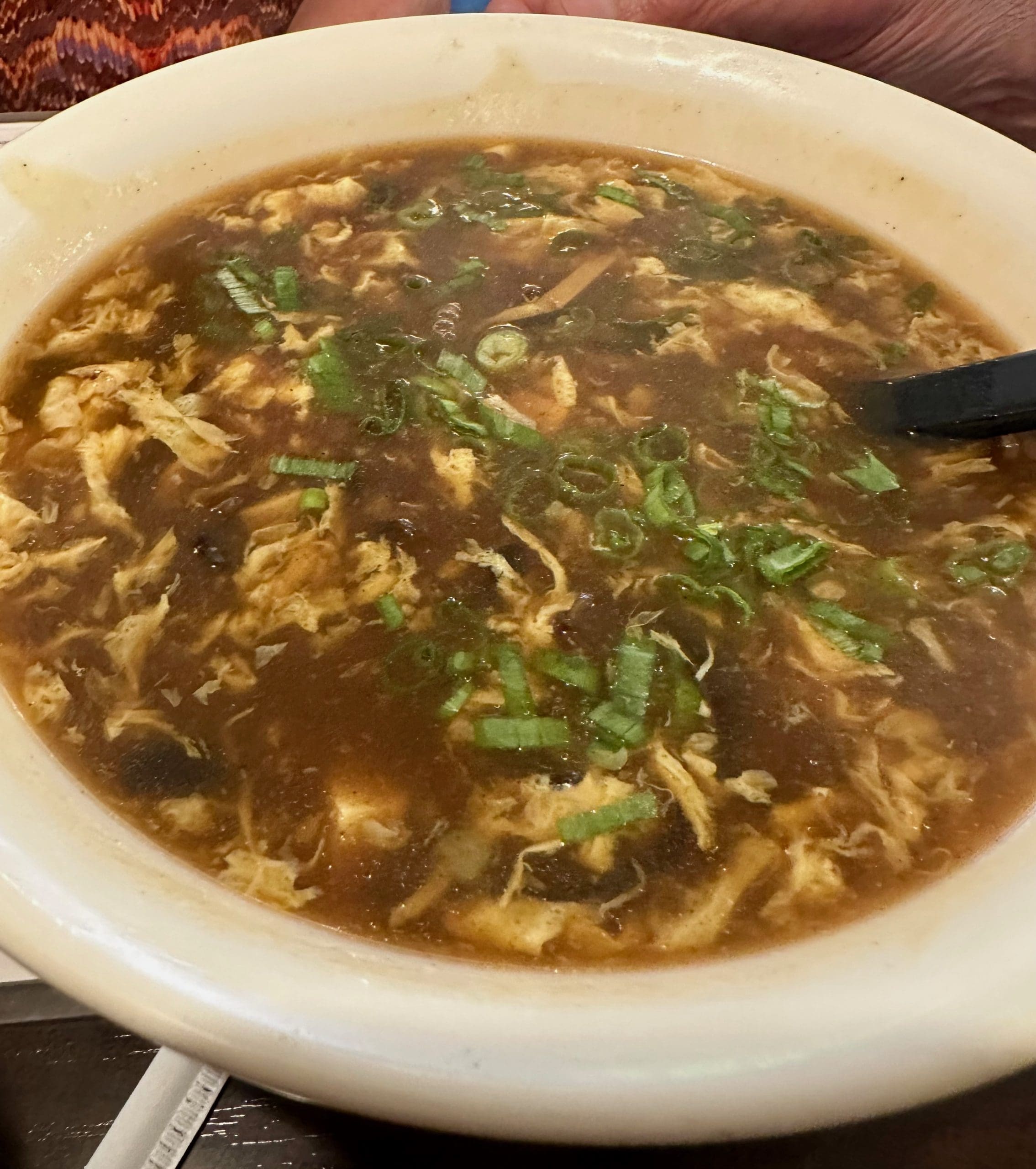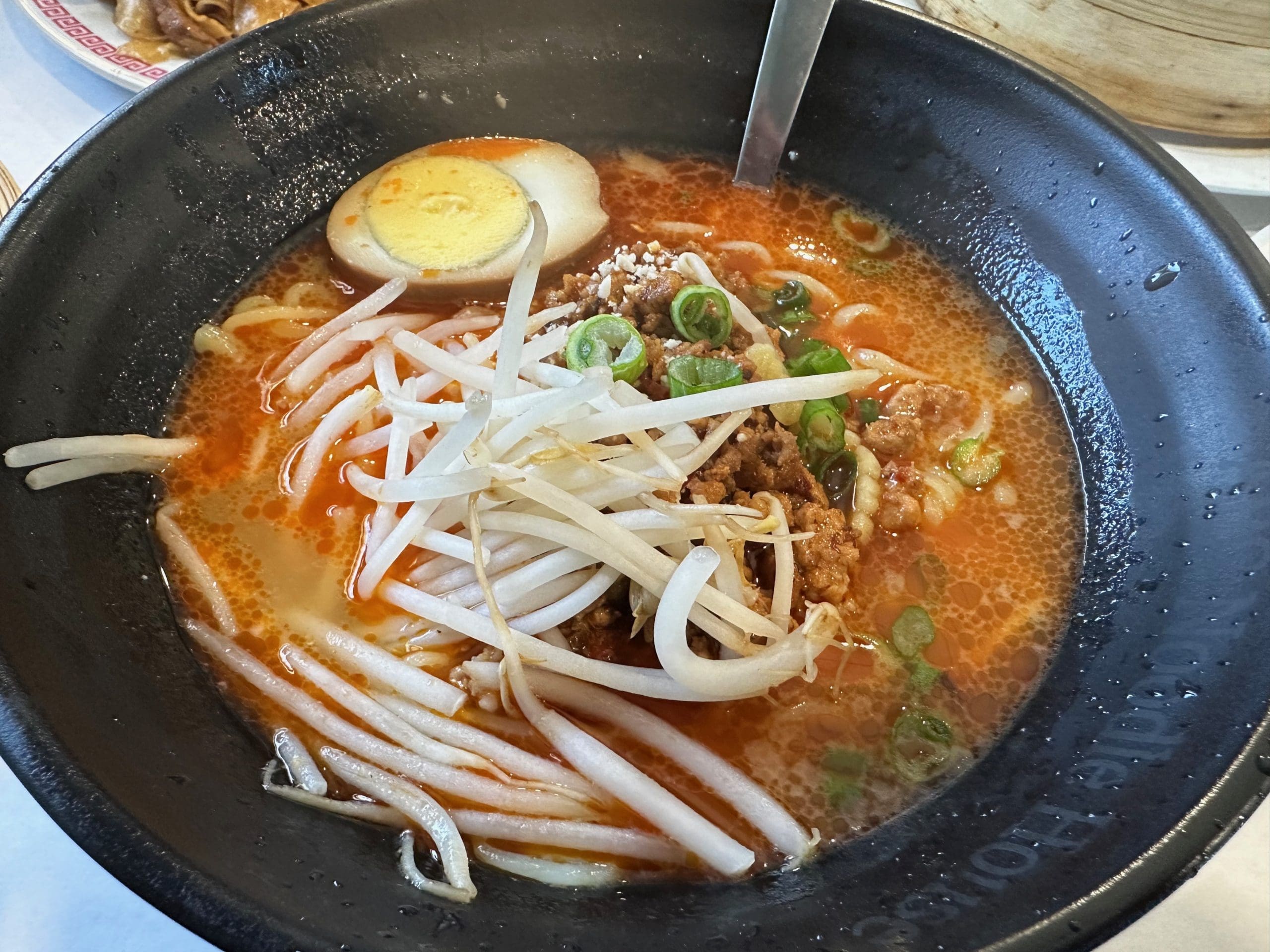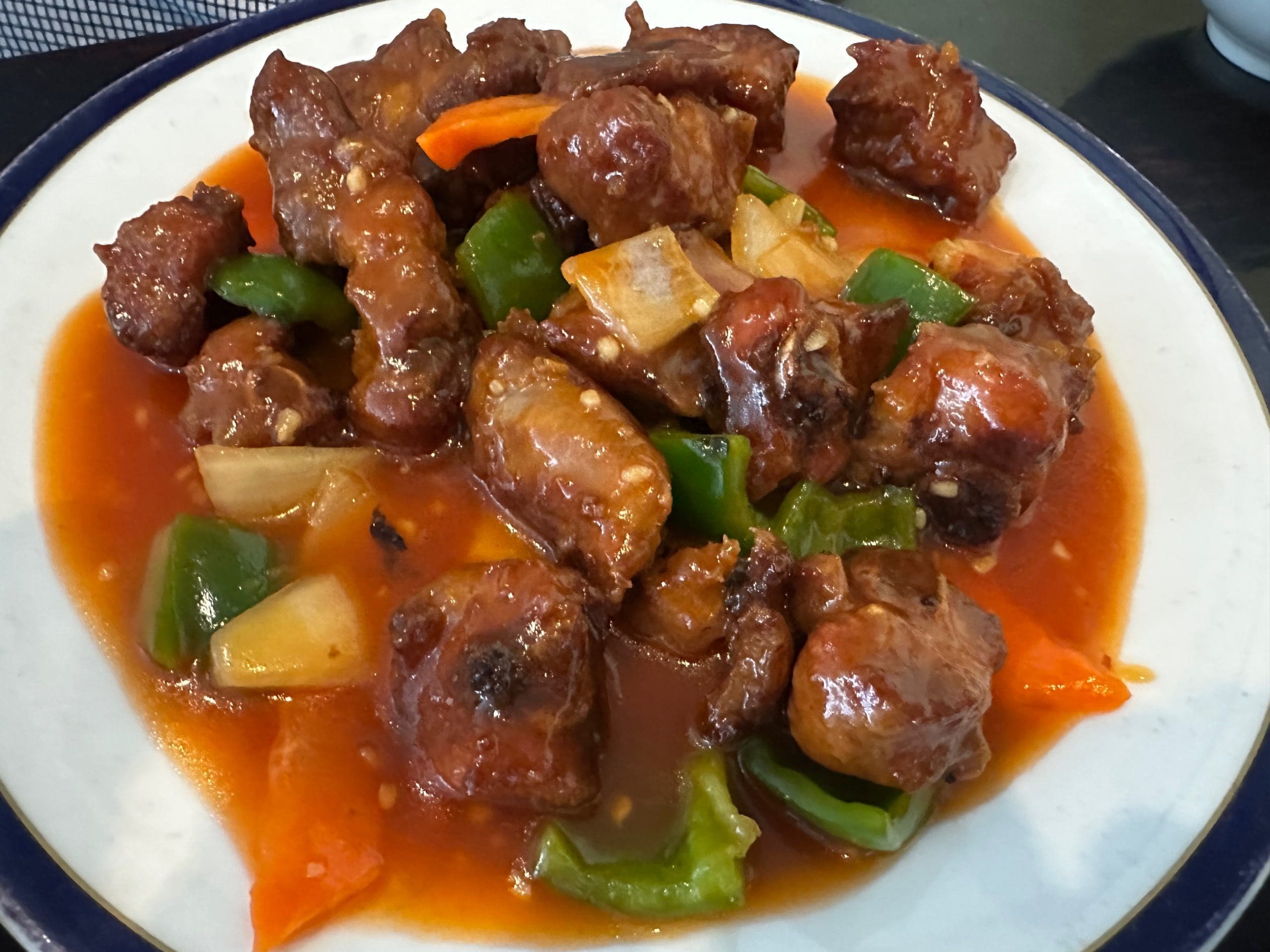
BUDAI GOURMET CHINESE – Albuquerque, New Mexico (CLOSED)

“The true gourmet, like the true artist, is one of the unhappiest creatures existent. His trouble comes from so seldom finding what he constantly seeks: perfection.” –Ludwig Bemelmans By definition, gourmets are connoisseurs, taking food more seriously than most and embodying the axiom “live to eat rather than eat to live.” True gourmets, as Ludwig Bemelmans would define them, appreciate food of the highest quality, exalting only in the rarefied experiences–those which require the most discerning palates and noses to cognize subtle nuances in complex and sophisticated flavors and aromas. Bemelmans, himself an internationally known gourmet, posited that the true gourmet will find joy only in tasting, smelling and appreciating perfection, not in its pursuit. I’ve known several true gourmets fitting Bemelmans definition. Most of them are insufferable and condescending. Though endowed with refined palates cultivated by years of indulgence in the finest foods and blessed with olfactory senses which would put a German shepherd to shame, they derive no sensuous enjoyment from most culinary experiences. Nothing is quite good enough. Nothing meets their demanding and exacting standards. Dining (they don’t eat) with them is a test in patience as they deride and diminish everything put before them. Perhaps the…

Tasty Noodles & Dumplings – Albuquerque, New Mexico

The first time I noticed that the dishes served to people of Asian descent weren’t covered in neon bright sauce, I wondered why those strange looking dishes weren’t on the menu.  Or maybe I just didn’t see them.   I asked my server (who was barely conversant in English) and was essentially told I wouldn’t like “authentic” Chinese food.  “What the heck am I eating?” I  asked myself.  That was the beginning of my explorations into the ancient and traditional culinary culture of China.  I delved into just what dishes are considered “authentic” and just what “authentic” means. Dogmatists and purists insist that dishes that weren’t “invented” in China are spurious, not legitimate.  They use such terms as “Americanized” and “white-washed” to describe those dishes.  They point out that much of the Chinese food served across the fruited plain is stickier, sweeter, and unhealthier than traditional dishes served in China.  They don’t necessarily point out that some of the differences between Chinese food from China and Chinese food served in the states is because of the wide availability of American ingredients such as carrots, snow peas, green peppers, broccoli and mushrooms. Additionally, Chinese immigrants were partly forced to rely on…

ABC Cajun Seafood & Noodle House – Albuquerque, New Mexico

Although popular myth attributes the introduction of pasta in Italy to Marco Polo, pasta’s origins in Lo Stivale can be traced back as far as the 4th century B.C.  That’s when the Etruscan civilization-which existed in the Tuscany region from the 8th to the 3rd century BCE–began the centuries old love affair between Italians and pasta.  Culinary historians agree that pasta’s earliest roots begin in China, during the Shang Dynasty (1700-1100 BC), where some form of pasta was made with either wheat or rice flour. Pasta also appears to have been part of the ancient Greek diet in the first millennium B.C.  Africa also had its own form of pasta (made with the kamut crop). Despite being first to create pasta, you don’t often hear the term “pasta” associated with China.  That’s because there’s a difference between pasta and noodles.  The National Pasta Association defines pasta as being “a dough made from durum wheat and water and stamped into different shapes.”   Noodles, on the other hand, aren’t linked to one particular grain.  Nona Lin, a wonderful website explains: “From buckwheat noodles to rice noodles, yam noodles, and wheat flour noodles, there’s no shortage of choice. Noodles can be crafted from…