Los Olivos – Albuquerque, New Mexico

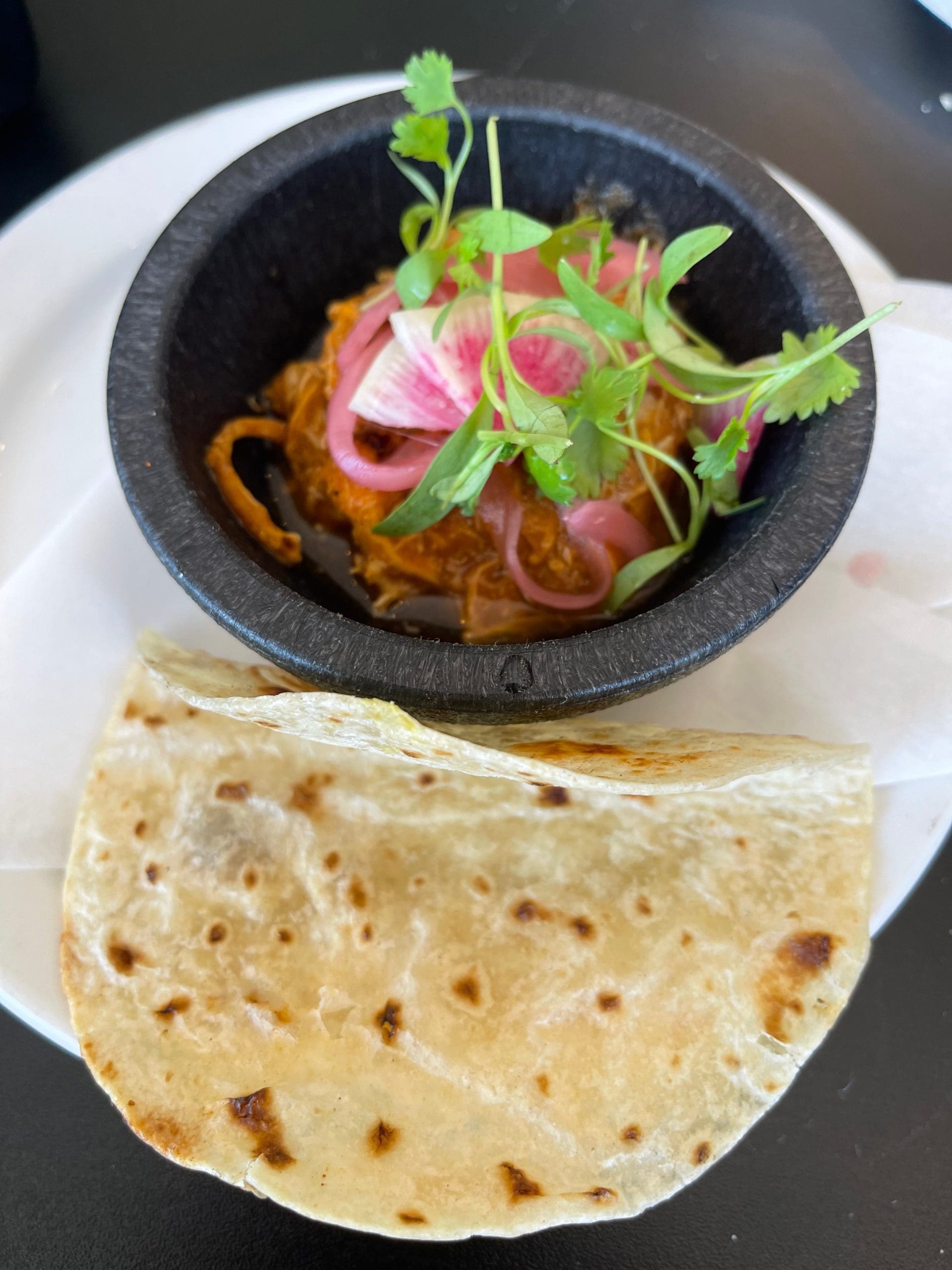
For many New Mexicans, Durango, Colorado is much more familiar than Durango, Mexico.  In truth, however, Mexico’s Durango may actually have more historical significance and ties to the Land of Enchantment than its like-named resort town in Colorado.  That’s especially true for the Catholic Churches of New Mexico. Episcopal jurisdiction for the Catholic church in New Mexico was placed in 1797 under the stewardship of the Bishop of Durango. New Mexico remained part of the Diocese of Durango until 1850 when Pope Pius IX created the Vicariate Apostolic of New Mexico and appointed Father Jean Baptiste Lamy as its first Bishop.  Yes, that’s the same Father Jean Baptiste Lamy on whom Wila Cather’s Death Comes For the Archbishop is based. Durango, Mexico was also a significant “paraje” (stopping point) along the The Camino Real de Tierra Adentro (Royal Road of the Interior Land), the 1,590 mile road between Mexico City and San Juan Pueblo (Ohkay Owingeh), New Mexico. During the 17th Century, the area between the villas of Durango and Santa Fe also came to be known as “the Chihuahua Trail.”   It’s a vast understatement to declare that Santa Fe’s reliance on El Camino Real was crucial to the…

El Cotorro – Albuquerque, New Mexico (CLOSED)

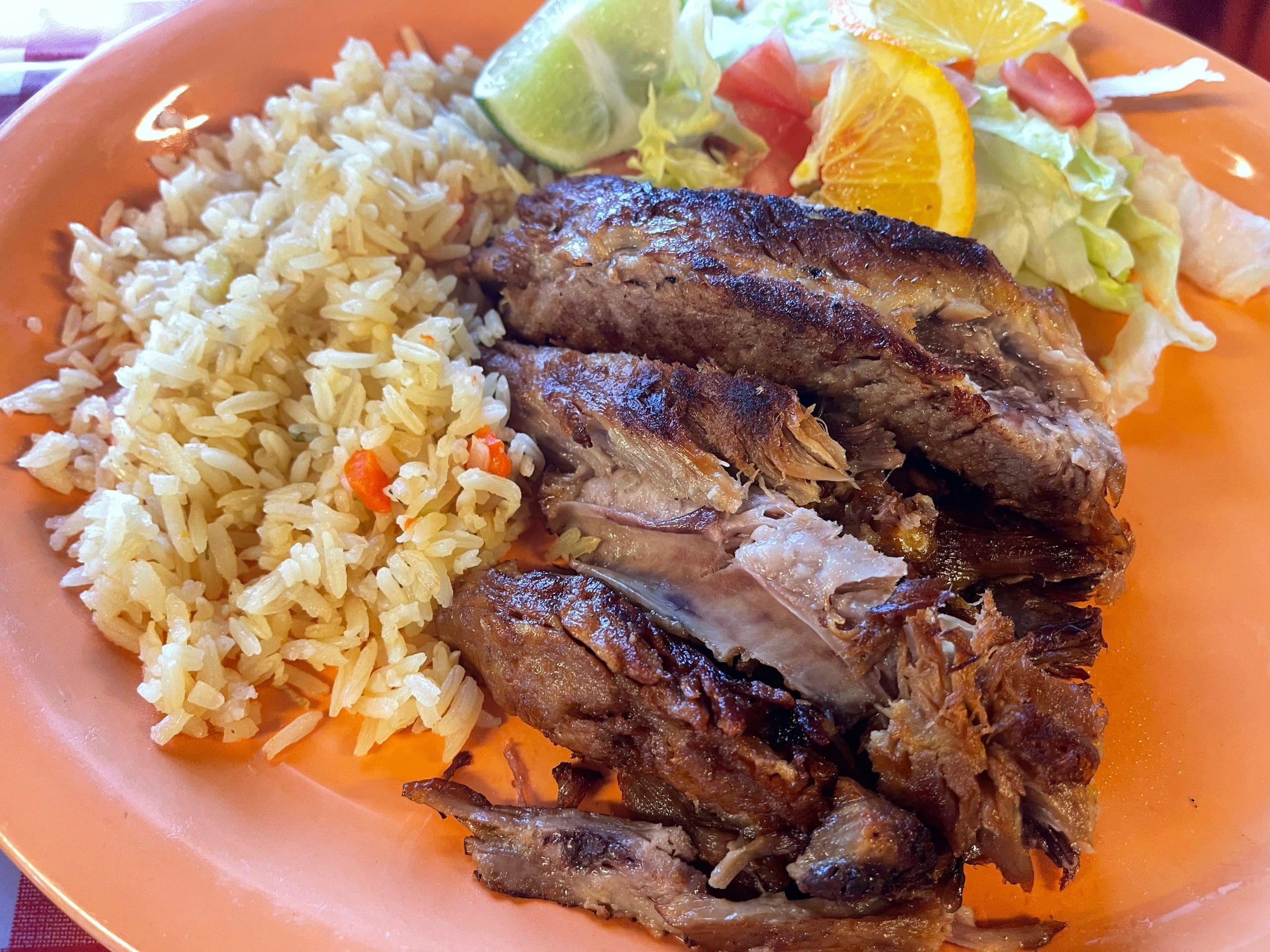
There’s a scene in the 2006 lucha libre (Mexican professional wrestling) comedy film Nacho Libre in which Nacho’s ectomorphic tag team partner Esqueleto (“the skeleton”) orders two grilled, buttered and chile-dusted elotes (corn-on-the-cob) from a street vendor. Esqueleto graciously attempts to hand one to Nacho who rebuffs the offer, knocks the elotes to the ground and bellows “get that corn out of my face!” That antagonistic act so enraged Esqueleto that he leaped on Nacho’s back and attempted to throw his corpulent partner to the ground. The sight of the two golden elotes tinged with red chile on the ground was funny at the time, however, after consuming the elotes at El Cotorro, we would consider knocking elotes to the ground an act of sacrilege and sheer madness. It’s no wonder Esqueleto was so upset. Sure we’ve had elotes elsewhere…plenty of elotes at a plethora of elsewheres, in fact, but only at El Cotorro have elotes made us swoon in appreciation. El Cotorro, which translates to “the parrot” in English is not what you might expect from a Mexican restaurant of that name. It’s not a restaurant named for the stereotypical squawking “Polly wants a cracker” parrot mascot some kitschy…

Los Potrillos – Santa Fe, New Mexico

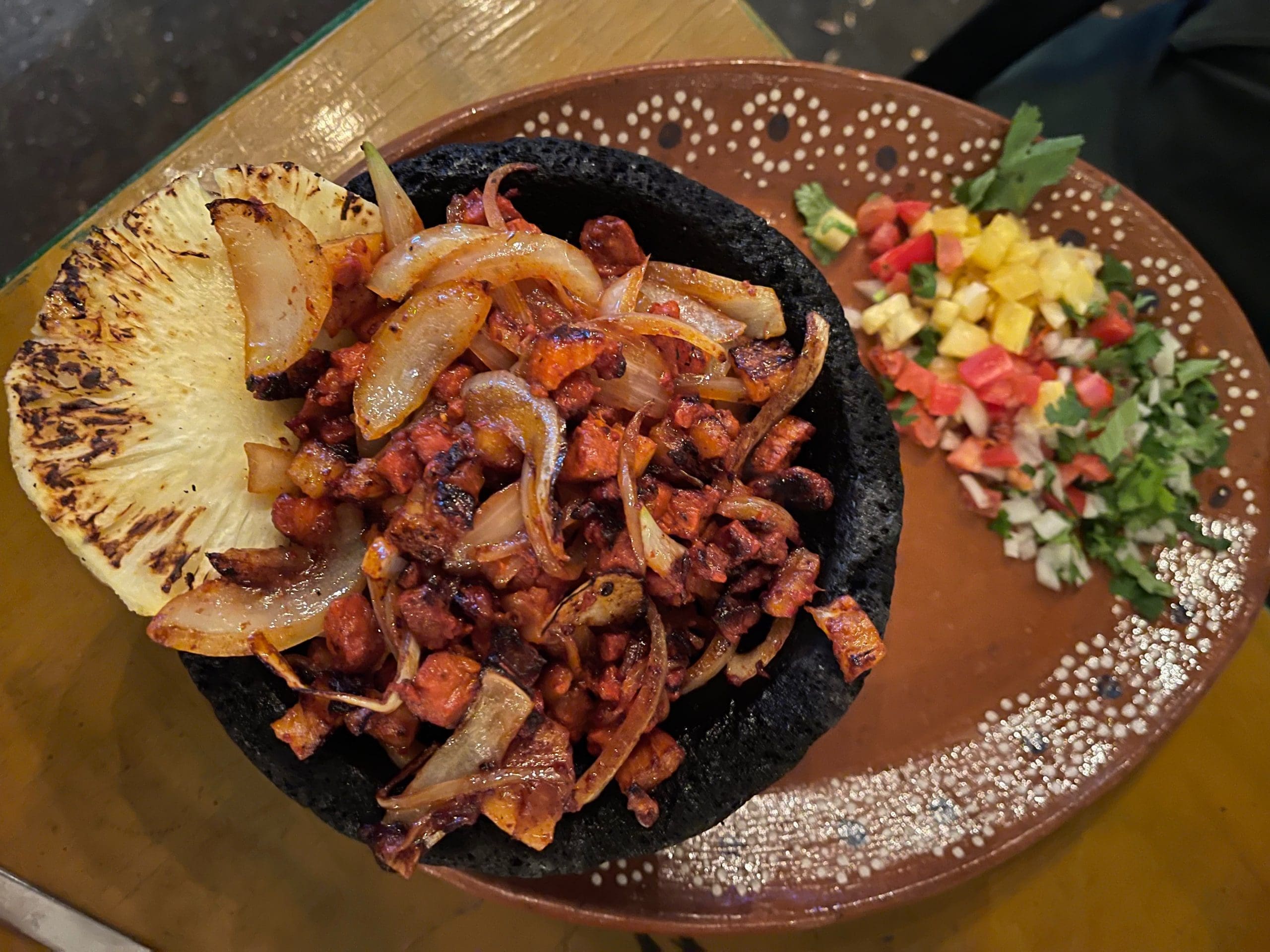
Faced with a situation that renders us incredulous, many of us might yammer incoherently, complain vociferously or maybe even utter colorful epithets. Such moments, it seems, are best expressed with succinct precision, a rare skill mastered by a select few wordsmiths from which eloquence flows regardless of situation–polymaths such as the late Anthony Bourdain, a best-selling author, world traveler, renowned chef and “poet of the common man.” Flummoxed at the discovery of a Chili’s restaurant a mere five miles from the Mexican border, I might have ranted and raved about another inferior chain restaurant and its parody of Mexican food. With nary a hint of contempt, Bourdain instead compared the spread of Chili’s restaurants across America to herpes. How utterly brilliant and wholly appropriate was that? Indicating that chain restaurants are “the real enemy, the thing to be feared, marginalized and kept at a distance at all costs,” he wondered aloud why anyone would eat institutionalized franchise food when the real thing is available nearby. Bourdain, a cultural assimilator, would love Los Potrillos, an unabashedly authentic Mexican restaurant which serves the food Mexican citizens eat everyday, not the pretentious touristy stuff or worse, the pseudo Mexican food proffered at Chili’s…