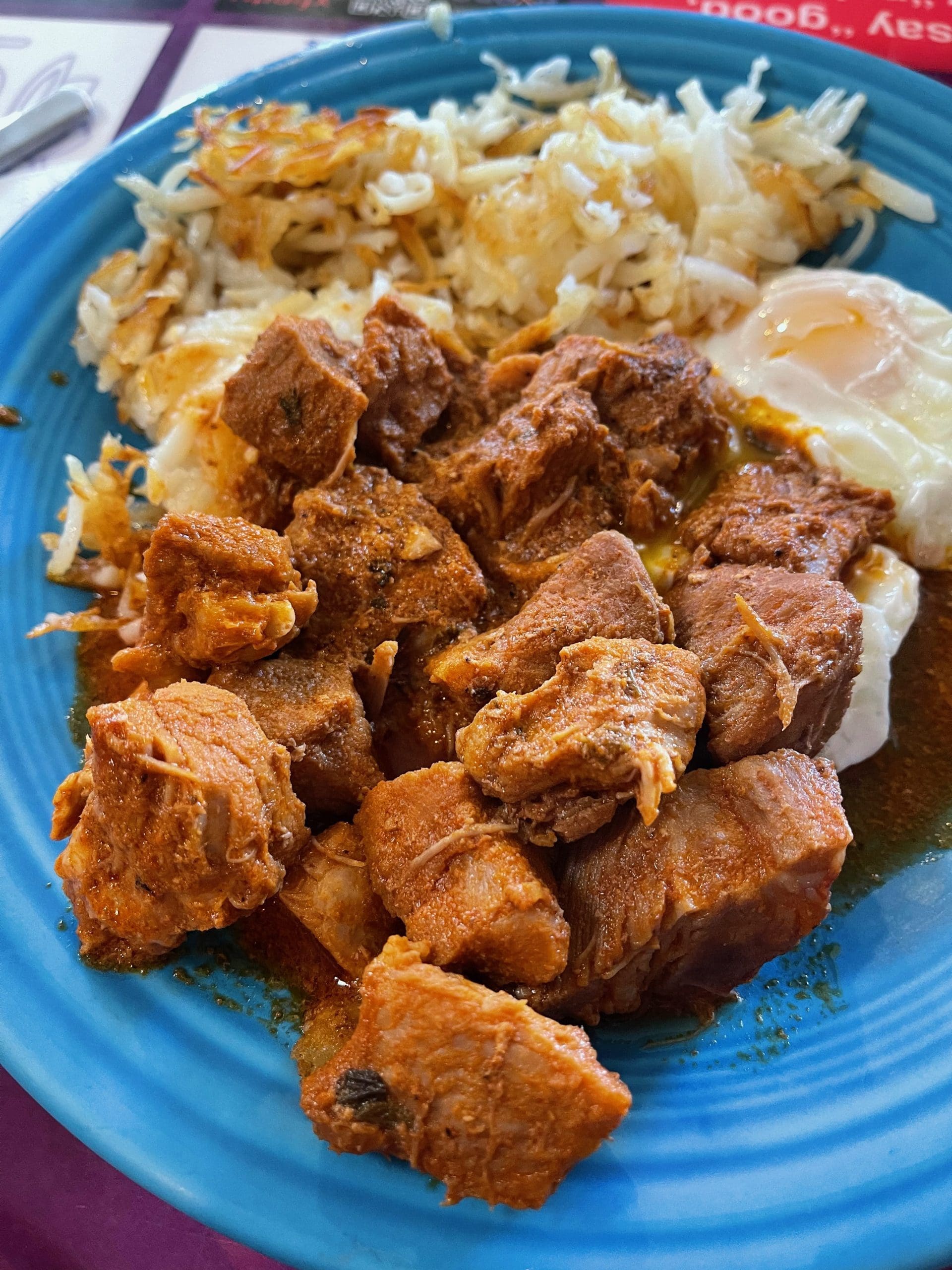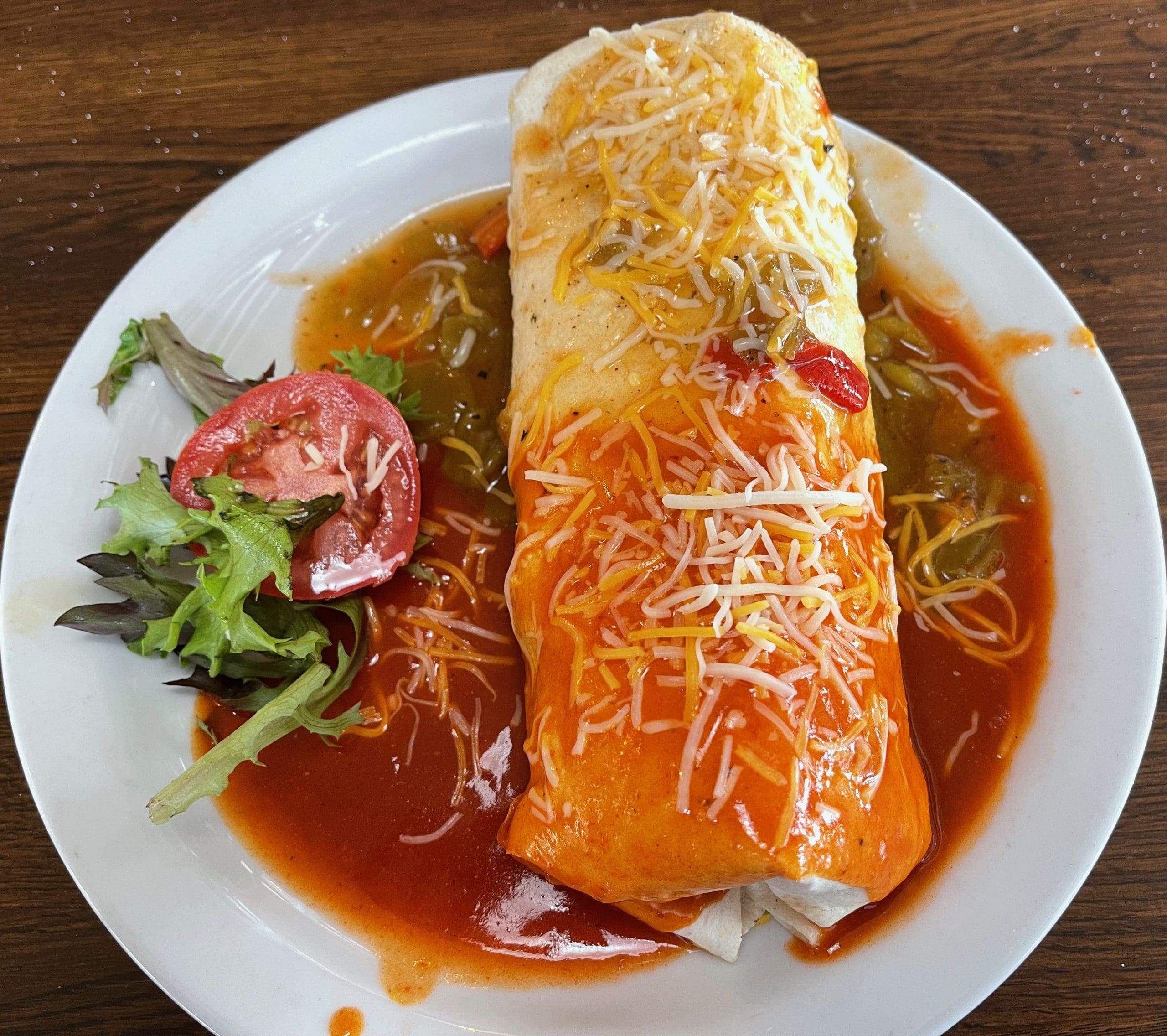
Central Grill and Coffee House – Albuquerque, New Mexico

It’s been said that “when you feed those in need, you are feeding your soul.”  That is especially true when the giver is practicing selfless giving, a conscious, intentional approach to giving that not only benefits others, but comes during a time when the giver is in dire need of help as well.  When the New Mexico state government’s approach to the Cabrona Virus virtually closed down or limited restaurant operations across the state, it’s an understatement to say restaurateurs were really hurting.  Dozens of restaurants across the Land of Enchantment closed. Hundreds of employees were laid off.   It was during these trying times that several restaurateurs demonstrated truly heroic altruism, showing precisely what it means to be a great neighbor.   Among the most selfless givers were restaurateurs George and Alicia Griego, owners of Albuquerque’s Central Grill.   In 2020, George and Alicia were named the New Mexico Restaurant Association’s (NMRA) Restaurant Neighbor of the Year for 2020.  Though their popular eatery faced the same unpredictable operating conditions crippling other restaurants, George and Alicia looked for opportunities to help their neighbors.  In the spirit of Luke 10:25, they opened their hearts, providing thousands of boxes to feed school…

Barelas Coffee House – Albuquerque, New Mexico

Quick, name the oldest neighborhood in Albuquerque. Most people would say Old Town which was settled in 1706 near the banks of the Rio Grande. Most people would be wrong. The oldest neighborhood in Albuquerque is actually the Barelas neighborhood, formally established as a ranching settlement in the late 1600s. The history of the central Rio Grande region began at and expanded from Barelas, once a thriving hub of commerce bustling with activity. Both the Camino Real, the royal road to Mexico City and Route 66, America’s mother road passed through the Barelas neighborhood. Barelas was the seat of a flourishing railroad enterprise which facilitated a burgeoning economy.  The neighborhood began a precipitous decline in the 1950s when odoriferous emanations from an area sewage treatment plant drove people away. Then in the 1960s, shopping mall developments proved too formidable competition for long-established mom and pop businesses, the economic heart of the community. Before long, the federal government was calling Barelas a “pocket of poverty” and what was once a thriving neighborhood languished. By the 1970s, Barelas was all but forgotten–perhaps a blessing in disguise because that allowed the preservation of historic buildings for which the community is best known today.…