D. H. Lescombes Winery & Bistro (Old Town) – Albuquerque, New Mexico

There are varying accounts as to the genesis of wine-making in the United States. While it is widely acknowledged that as early as the 1500s Spanish and French Huguenot settlers in Florida began making wine with a native grape known as muscadine, efforts to plant the classic grapes used to create the great wines of Europe failed because of pests prevalent in wet climates. It wasn’t until Spanish Missionaries discovered the dry climate of New Mexico in 1629 with its sandy soils that the first European Mission grapes brought over from Spain were planted in what is now the United States.  The original grape stocks supposedly remain the source of many of New Mexico’s vinters to this day. Sources relates that in 1629, Franciscan friars planted the first vineyard (for sacramental wine) in New Mexico in defiance to Spanish law prohibiting the growing of grapes for wine in the new world. Those first wines were planted on the east bank of the Rio Grande slightly north of the village of present day San Antonio by Fray Gracia de Zuniga, a Franciscan monk. Despite conflicting accounts, one fact appears incontrovertible–New Mexico is among the oldest wine-making regions in the country. Today the…

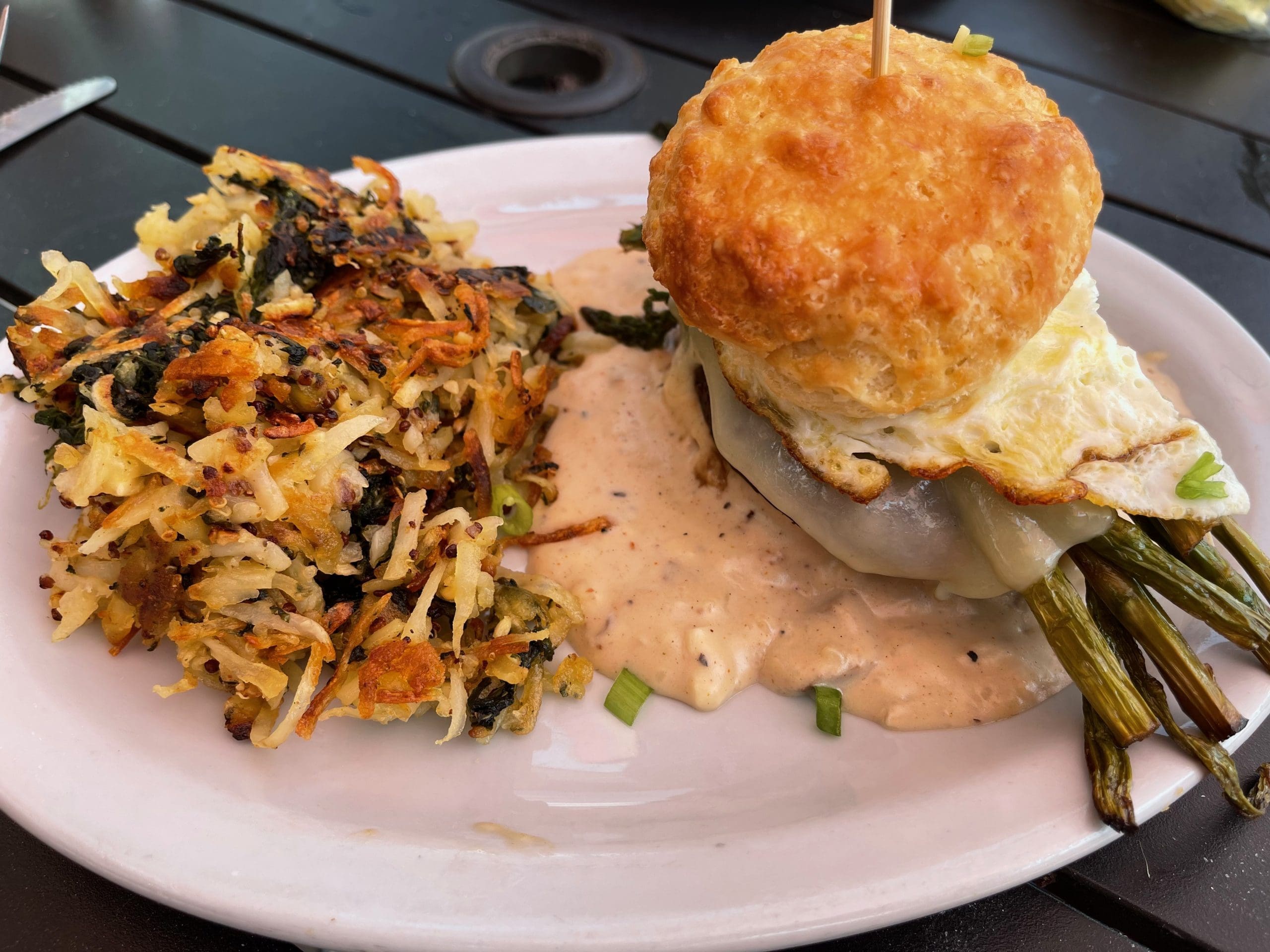
Sweet Lake Biscuits & Limeaid

In 2008, Natchez, Mississippi, was officially named the Biscuit Capital of the World, a process which took three years of research by Chef Regina Charboneau.  Just our luck, the Natchez native and French-trained chef began serving her famous biscuits at her Twin Oaks Bed & Breakfast in Natchez a decade after our last visit to the “Antebellum Capital of the World.”  While we didn’t get to partake of Chef Charboneau’s celebrated biscuits (revered by the Rolling Stones), our breakfasts in Natchez were memorable because biscuits in the Mississippi River town are truly “biscuit capital” worthy. In the quarter-century plus since we lived in Mississippi, we haven’t missed the oppressive humidity or the politics (on par with New Mexico and let’s just leave it at that), but we’ve missed the patriotism, people and…maybe especially the biscuits.  Yes, I know biscuits are made everywhere across the country, but only in the South are biscuits a transformative flaky, buttery and ethereal experience.   Everywhere else most biscuits are floury hockey pucks–dry, tasteless disappointments not worthy of the butter, jam or gravy with which they’re slathered. Not surprisingly, the last truly life-altering biscuit to cross my lips was in Charleston, South Carolina at the James Beard…

Desert Bistro – Moab, Utah

My Kim didn’t buy my explanation that Moab is an acronym standing for “Mother Of All Buffets.”  She did find my legitimate explanation viable.  I explained that Moab means “a land just short of the Promised Land,” a name bestowed  because the Moab valley was a verdant oasis in the middle of a desert.  Moab first appears in the Old Testament book of Genesis and is situated in ancient Palestine just east of the Dead Sea where Jordan now lies.  Because of the physical similarities to the desert jewel of the Old Testament, the small Utah town founded by Mormon settlers in the 1800s was dubbed Moab. When we first visited the Moab area nearly three decades ago, its breath-taking topography and emerald skies called to mind a term synonymous with “a land just short of the Promised Land.”  Never mind the Blue Ridge Mountains and Shenandoah River of John Denver’s “Take Me Home Country Roads.”  Even more than West Virginia, the Moab area was “almost heaven.”  More spectacular than Sedona, more wondrous than Taos, more otherworldly than Abiquiu, the Moab area was quite simply an awe-inspiring idyll.    Because life…and mostly work, gets in the way, it took us…