Las Villas Taqueria – Rio Rancho, New Mexico

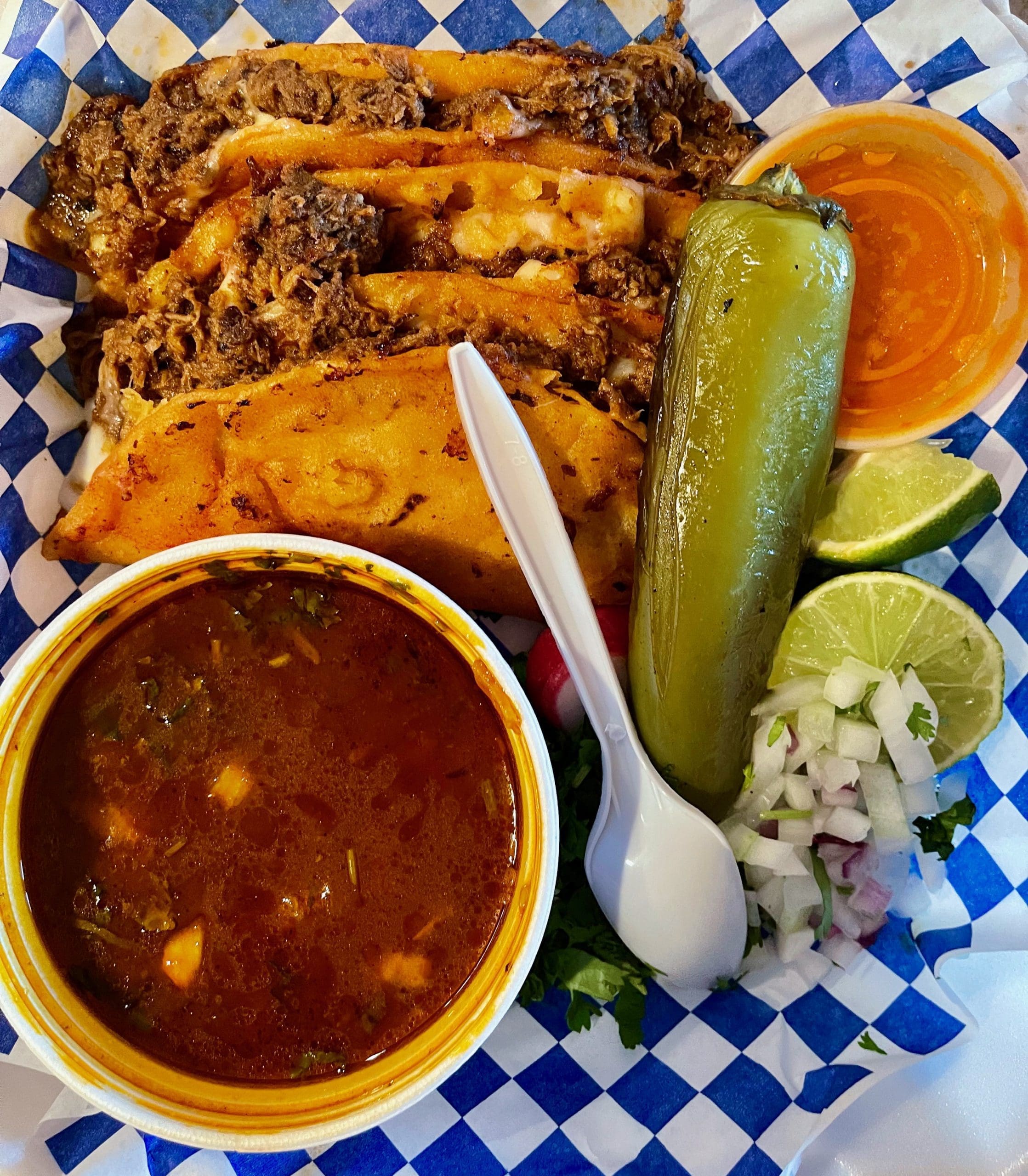
Upon learning that a new Mexican restaurant named “Las Villas Taqueria” would be launching in Rio Rancho, the bilingual lexicologist in me didn’t immediately ponder the menu.  Instead, my ruminations were of the translation of “Las Villas,” a Spanish term with several meanings depending on context.  I pondered whethr the restaurant was named for  small towns or settlements or for  luxurious country homes, both translations of the term “las villas.”  Then again, “Villas” is a common Spanish surname.  After a superb meal with my dear friend Bill Resnik, I came to the conclusion that “Las Villas” is actually a diminutive form of “las maravillas,” or “the wonders.”  That’s wonder as in “a feeling of surprise mingled with admiration caused by something beautiful or unexpected.”  I had not expected for Las Villas to be quite as good as it was. Las Villas had its grand opening on 11 October 2025. It occupies the very high turnover space which most recently housed Whiptail and before that Banana Leaf.   Visionaries (residents of Rio Rancho) have long surmised that one of the reasons tenants don’t last long at the space is because there is no direct entrance or egress.  in fact, if you didn’t…

Foodtopia – Albuquerque, New Mexico

When a restaurant with the curious name “Foodtopia” surfaced in 2022, long-suffering readers of Gil’s Thrilling… probably realized an etymology lesson would soon be in order.   If the suffix “topia” intrigued you as much as it did your grandiloquent blogger, hang on.  First, a review of what we all know.  Utopia is “a seemingly perfect society, one without flaws, where everyone is content and conflict and strife are unknown.”  One example of a Utopian society is the movie Zootopia in which animals live in harmony and lions sing kumbaya with antelope.  More common than movies about Utopian societies are movies and literature about dystopia, “societies that are either extremely chaotic or extremely authoritative, a hellish place where most people suffer.”  No, it’s not your place of employment, but rather something like Planet of the Apes or George Orwell’s 1984. The common element in these two opposite societal types is the suffix “topia,”  a Greek word meaning “a place with specified characteristics.”  An imaginary society with both good (Utopian) and bad (Dystopian) features might be called a “mixtopia.” Some posit an imaginary place where everything (especially the government) is as bad as it can be.  Fittingly, the term for this…

No Te Rajes – Rio Rancho, New Mexico

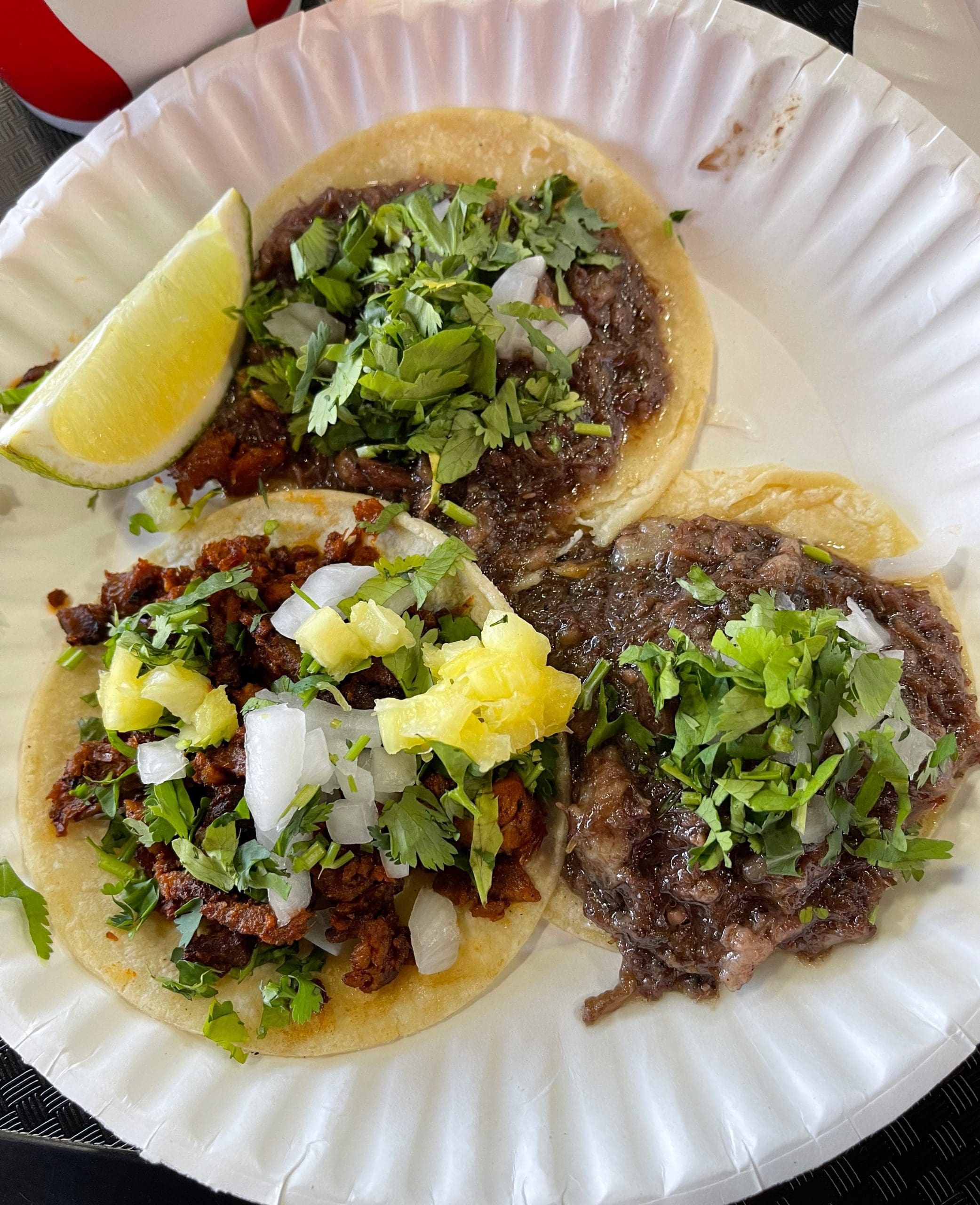
As the eldest of six, I had the wonderful blessing of having spent more time with our dad than my siblings did.  Dad was the embodiment of the term “gentle man,” a patient mentor and nurturing exemplar of how to be a father and friend.  During our many outings, dad always had the radio tuned to KDCE, “The Station That’s All Heart” out of Espanola.  KDCE played the New Mexican and Mexican songs dad grew up with and loved.  Among his favorites (frequently on KDCE’s repertoire) was Ay Jalisco No Te Rajes by Jorge Negrete. It became one of my favorites, too. The song title made absolutely no sense to me because the term “rajes” comes from the verb “rajarse” which means to “crack” or “split.”  Dad explained that colloquially, “no te rajes” means “don’t back out” or “don’t chicken out.”  He assured me the song was basically a love song to the Mexican state of Jalisco.  He also told me it was the theme song to the 1941 Mexican movie of the same name, based on a novel by the same name.  If you think I’m a wealth of information, you should have met my dad, one of the…

Los Olivos – Albuquerque, New Mexico

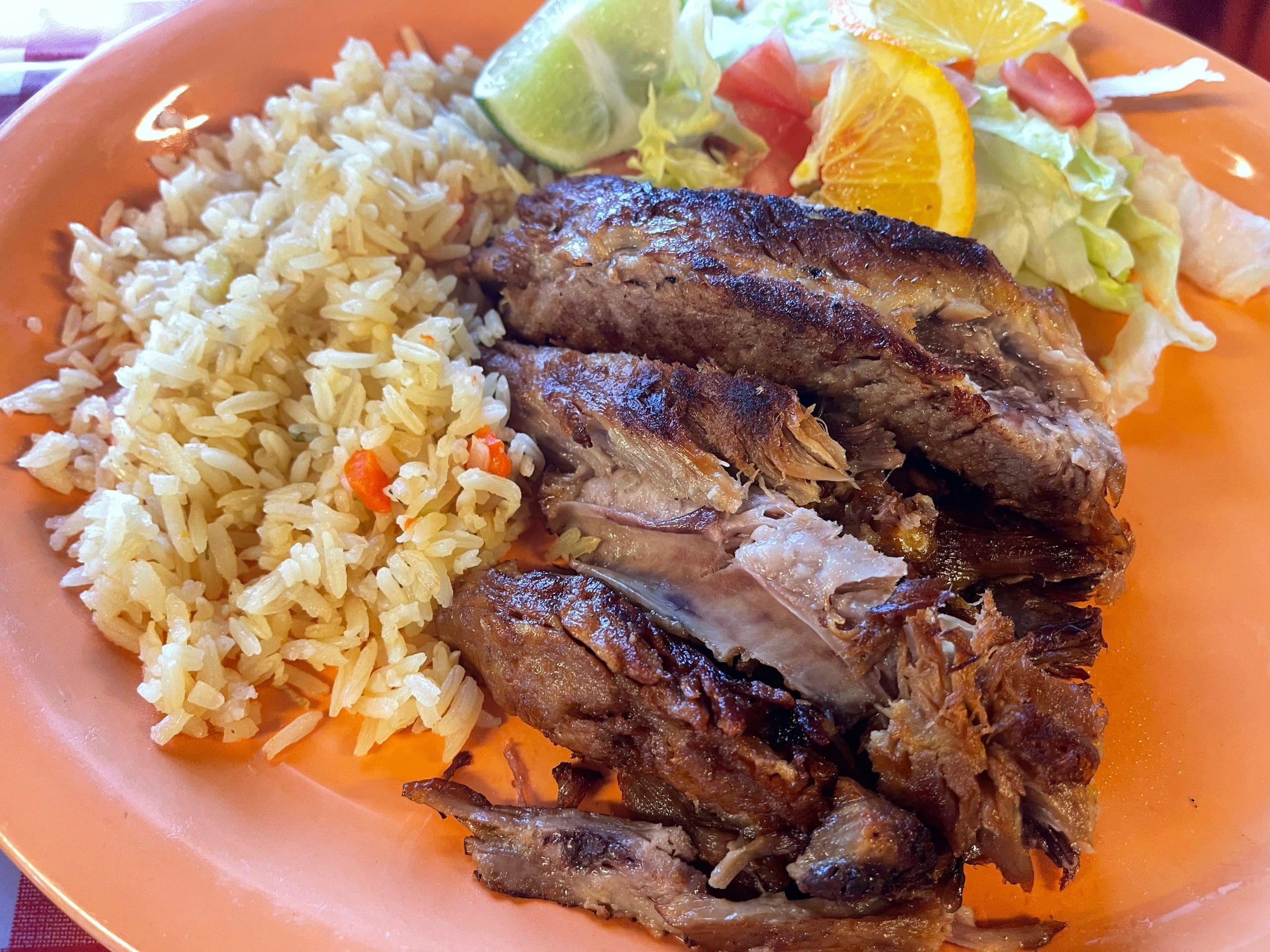
For many New Mexicans, Durango, Colorado is much more familiar than Durango, Mexico.  In truth, however, Mexico’s Durango may actually have more historical significance and ties to the Land of Enchantment than its like-named resort town in Colorado.  That’s especially true for the Catholic Churches of New Mexico. Episcopal jurisdiction for the Catholic church in New Mexico was placed in 1797 under the stewardship of the Bishop of Durango. New Mexico remained part of the Diocese of Durango until 1850 when Pope Pius IX created the Vicariate Apostolic of New Mexico and appointed Father Jean Baptiste Lamy as its first Bishop.  Yes, that’s the same Father Jean Baptiste Lamy on whom Wila Cather’s Death Comes For the Archbishop is based. Durango, Mexico was also a significant “paraje” (stopping point) along the The Camino Real de Tierra Adentro (Royal Road of the Interior Land), the 1,590 mile road between Mexico City and San Juan Pueblo (Ohkay Owingeh), New Mexico. During the 17th Century, the area between the villas of Durango and Santa Fe also came to be known as “the Chihuahua Trail.”   It’s a vast understatement to declare that Santa Fe’s reliance on El Camino Real was crucial to the…

Tap N Taco – Rio Rancho, New Mexico

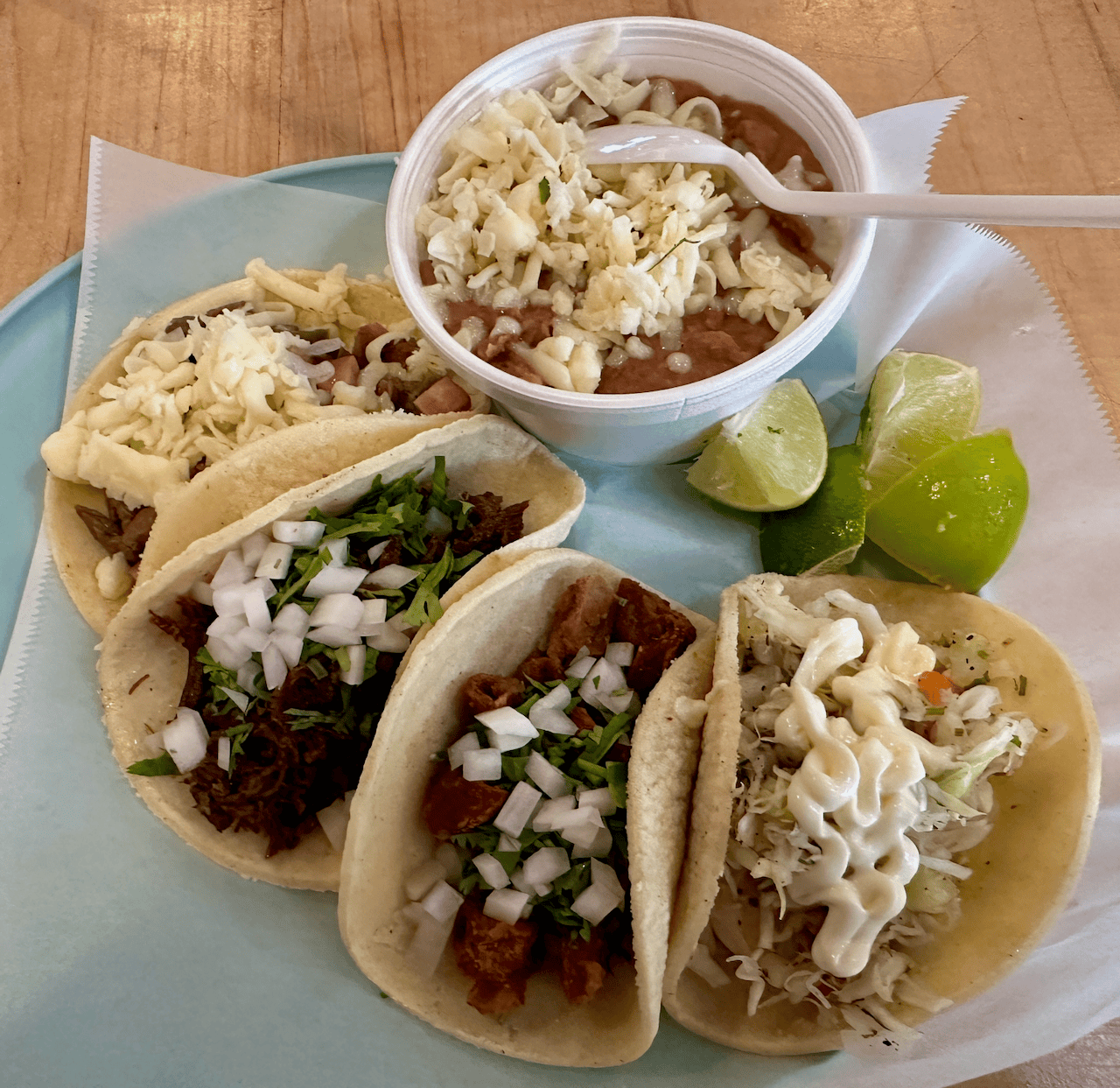
Imagine Marty McPlata, a 17 year old Rio Rancho High School student who gets transported back in time seven years to 2015. With the help of his mad scientist friend Bill Resnikoff, he makes his way back to the future to the year from which he left–2022.  Significant changes and burgeoning growth have transpired in the City of Vision since he left.  Among one of the improvements by subtraction is the absence of one of the city’s three Burger King restaurants, a multi-national chain he drove past only because it was on the way to Corrales. Marty smiled at the thought that Burger King’s incredibly creepy, big-headed mascot may finally driven away all of the “home of the Whopper’s” customers.  That realization hit Burger King CFO Josh Kobza in 2011: “We got rid of the creepy king character that tended to scare away women and children.”  Gone, Marty thought, are the gold and red colors of Burger King’s logo, ironically the same colors used by McDonald’s.  Gone, too, is the empty parking lot.  On some days only the drive-up window seemed to have customers. While the iconic, standardized shape of the familiar Burger King restaurant remains, the building is now…