Red Rock Deli – Albuquerque, New Mexico

America may be a multicultural melting pot, but thriving within its most populous metropolises are ethnic neighborhoods–pockets of diversity residing in two worlds, retaining many of the cultural and culinary traditions of their motherland while integrating into and pursuing the American dream. Cities such as Chicago have long realized that these ethnic enclaves offer a treasure trove of cultural and culinary experiences. Most of these neighborhoods welcome culinary tourism–the opportunity to showcase the cuisine of their homelands. One such example is the city of Chicago which boasts of the largest Polish population outside of Warsaw (as many as 183,000 by some estimates) in the world. Storefronts and restaurants in “Little Poland” on Chicago’s far Northwest side are bedecked in the white and red flag of Poland. Eateries offer everything from pierogies to kielbasa. Every Labor Day weekend Chicago celebrates its Polish heritage at the Taste of Polonia festival where Polish cuisine and culture are showcased. Obviously Albuquerque doesn’t have the population to support a “Chinatown” or a “Little Poland,” but the Duke City does offer multicultural dining diversity. Although several of the city’s ethnic restaurants are clustered throughout the International District, many others are strewn throughout the metropolitan area where…

Pullano’s Pizza & Wings – Glendale, Arizona

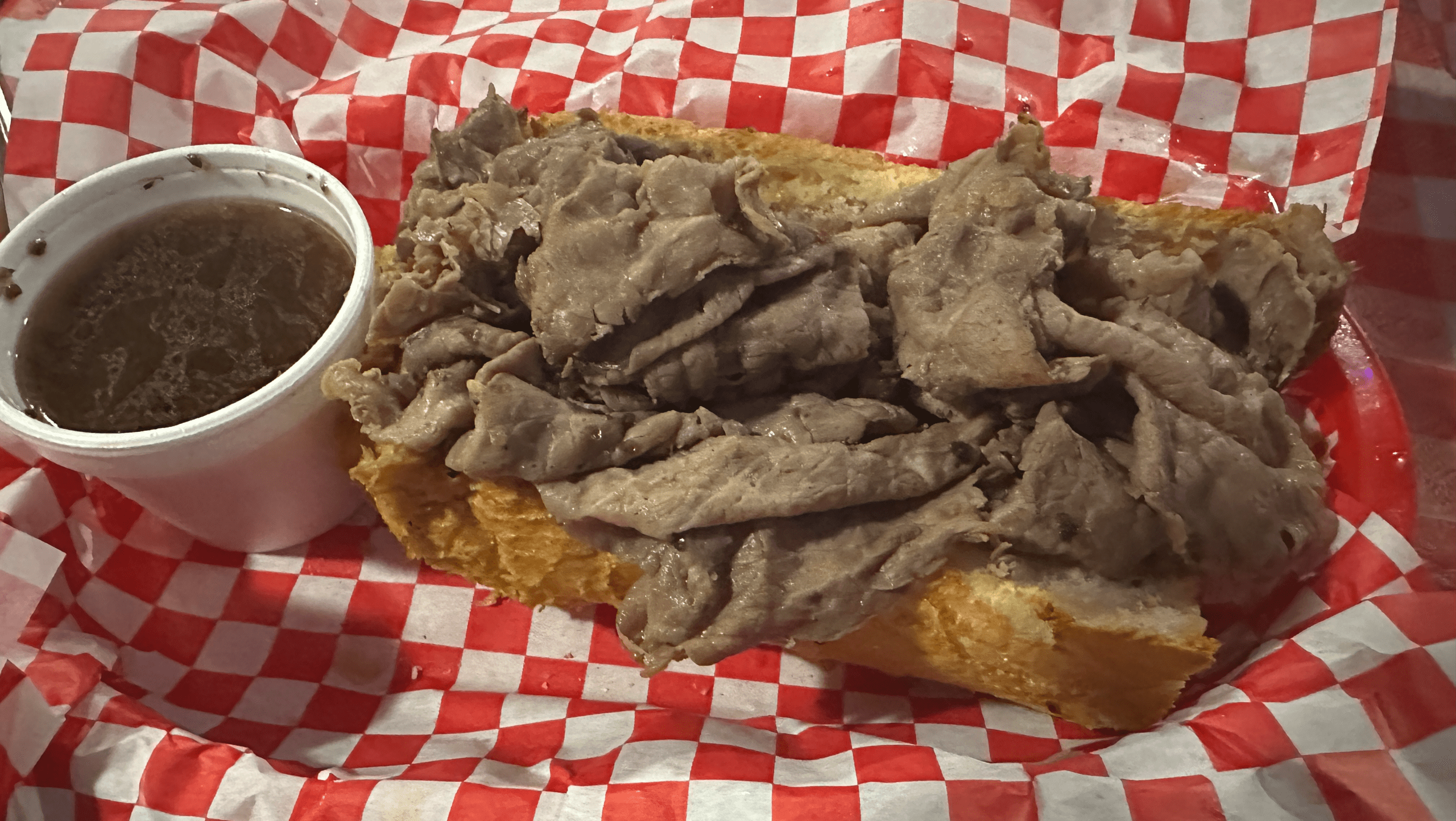
Several years ago during a fund-raising effort, Albuquerque’s PBS television station KNME aired a program called “Sandwiches That You Will Like.”   The documentary was produced by the exceptionally talented Rick Sebak of Pittsburgh station WQED.  The entertaining travelogue featured delicious sandwiches (and the folks who make and enjoy them) served by shops, stands and diners from across the USA. This program originally aired in 2002, also the year a companion book titled Sandwiches That You Will Like was published.  The book was written by fabulous food author Becky Mercuri. I was well aware of most of the sandwiches showcased in the documentary and the book.  There were several, however, I had not tried.  The most intriguing sandwich to me was the “Beef on Weck” from Schwabl’s in West Seneca, New York, just outside of Buffalo.  Schwabl’s claims to have invented the beef on weck.  The segment on the beef on weck featured Becky Mercuri, one of my very favorite food authors.  Becky’s enthusiasm for the sandwich was so heartfelt and genuine that I wanted to visit Buffalo to sample one (or ten) of them.  Moreover, I hoped to share a few beef on weck sandwiches with Becky. What, you ask,…

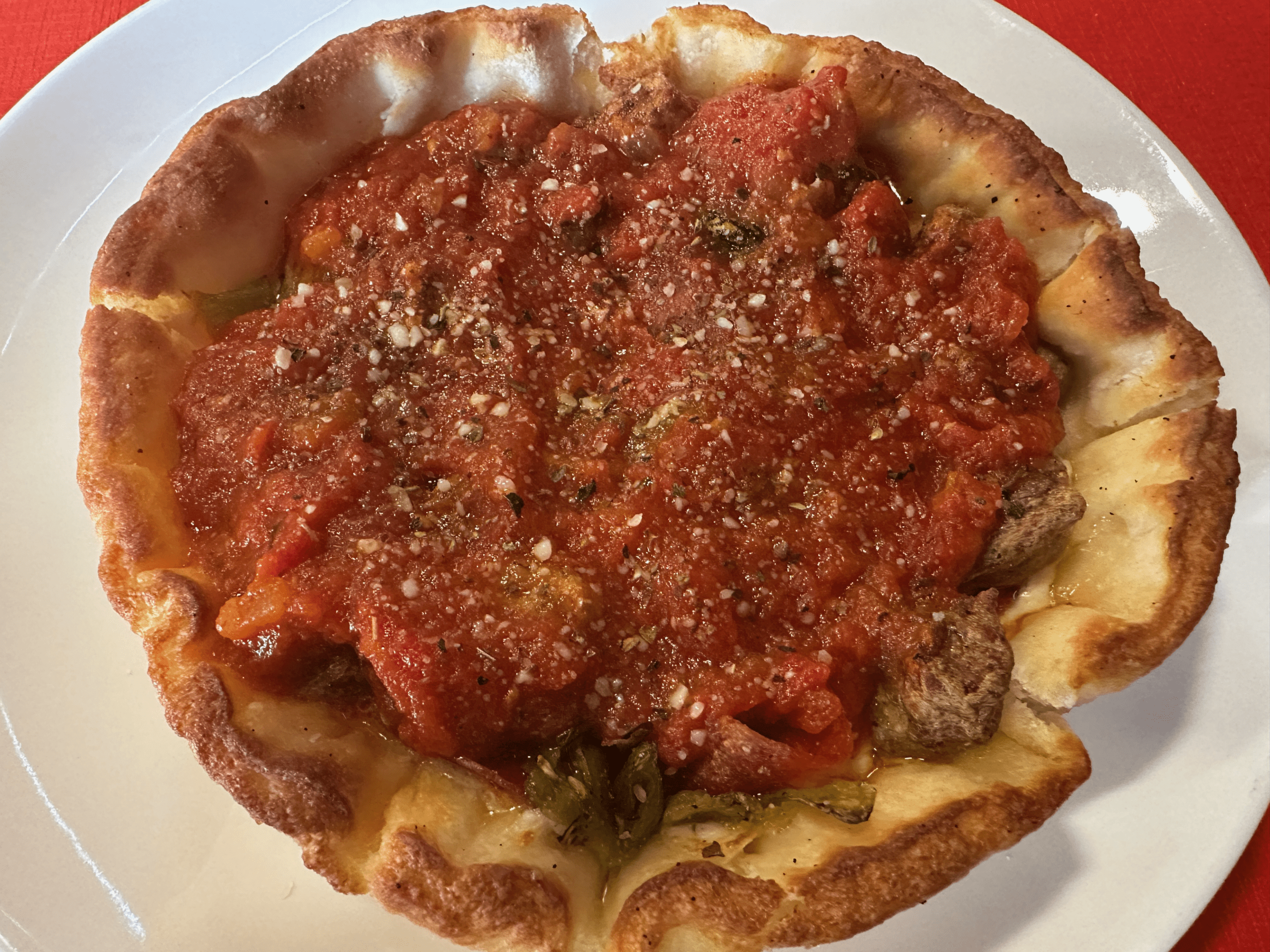
Chicago Pizza Kitchen – Albuquerque, New Mexico

There is A LOT to see at the Chicago Pizza Kitchen (CPK).  My Chicago born-and-bred bride loved the framed photographs of the Windy City’s incomparable skyline and distinct architecture.  Bulls and Bears fans (not a reference to the stock market) will enjoy perusing photos and banners of Chicago’s sports teams.  Students of the age of chivalry will gravitate to the restaurant’s northern-most corners where knights in shining armor (literally) stand guard.  Military veterans like me will reminisce about our own experiences in service to our country as we peruse the photos depicting the military service of Chicago Pizza Kitchen’s owners.  Some of us will linger longest at the POW-MIA table, one of the most poignant and thought-provoking sights at any Duke City restaurant. Contemplating the meaning behind the POW-MIA table setting can bring you to tears, especially if you served or had family in the armed forces.  A POW-MIA table has only one place setting, representing the frailty of one prisoner, alone against his or her suppressors.  Fittingly the table is set close to the dining room entrance.  There are a number of other symbols displayed on the table which military veterans will appreciate. Some of my brothers-in-arms (including my own…

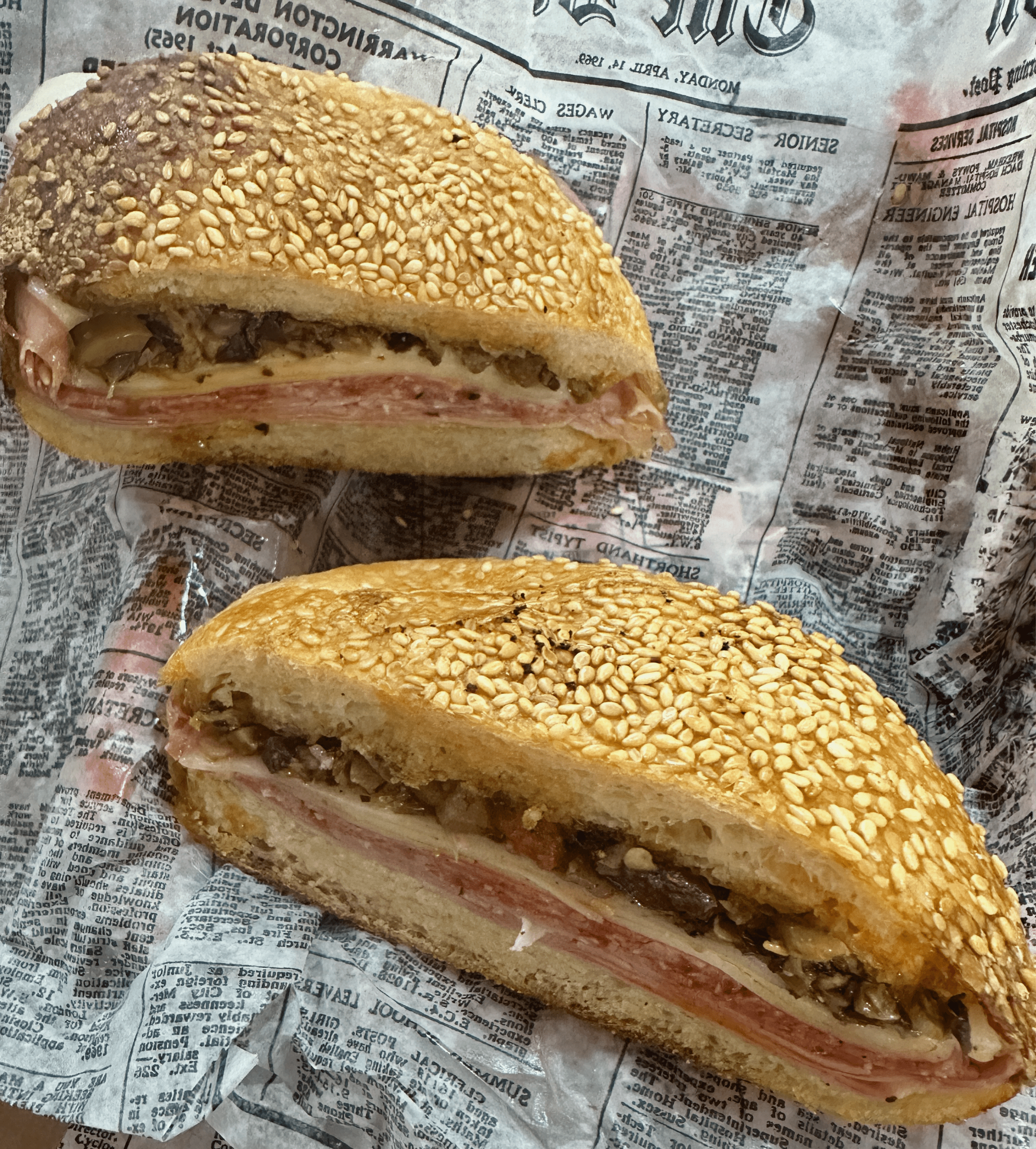
Sergio’s Bakery & Cafe – Albuquerque, New Mexico

In Italy, the oft-used idiom “Senza il pane tutto diventa orfano” translates to “without bread everyone is an orphan.” That’s how important bread  is in Italian culture.  Is it any wonder bread consumption in Italy is higher than in any other European country, even France. Many loaves are made by artisan bakers operating out of family-owned and operated bakeries.  Most work on a small scale and are heavily influenced by family recipes and regional traditions.  Those secrets and techniques have been handed down from baker-to-baker over the years. Family is essential to retaining the continuity of bread-making excellence in Italy.  Whether baking bread for home or operating a panetteria  and (or) a panificio, traditions are passed on from one generation to another.  Note:  In Italy, a panetteria is a shop that sells bread while a panificio is a place where a baker bakes bread.  Those lines , however, are often blurred, and the two places may be the same, called a forno (a term which also means oven).   Many of Italy’s bread-baking traditions have largely transcended the distance between the old world and the fruited plain. One readily apparent example in the Land of Enchantment is Sergio’s Bakery and Cafe. …

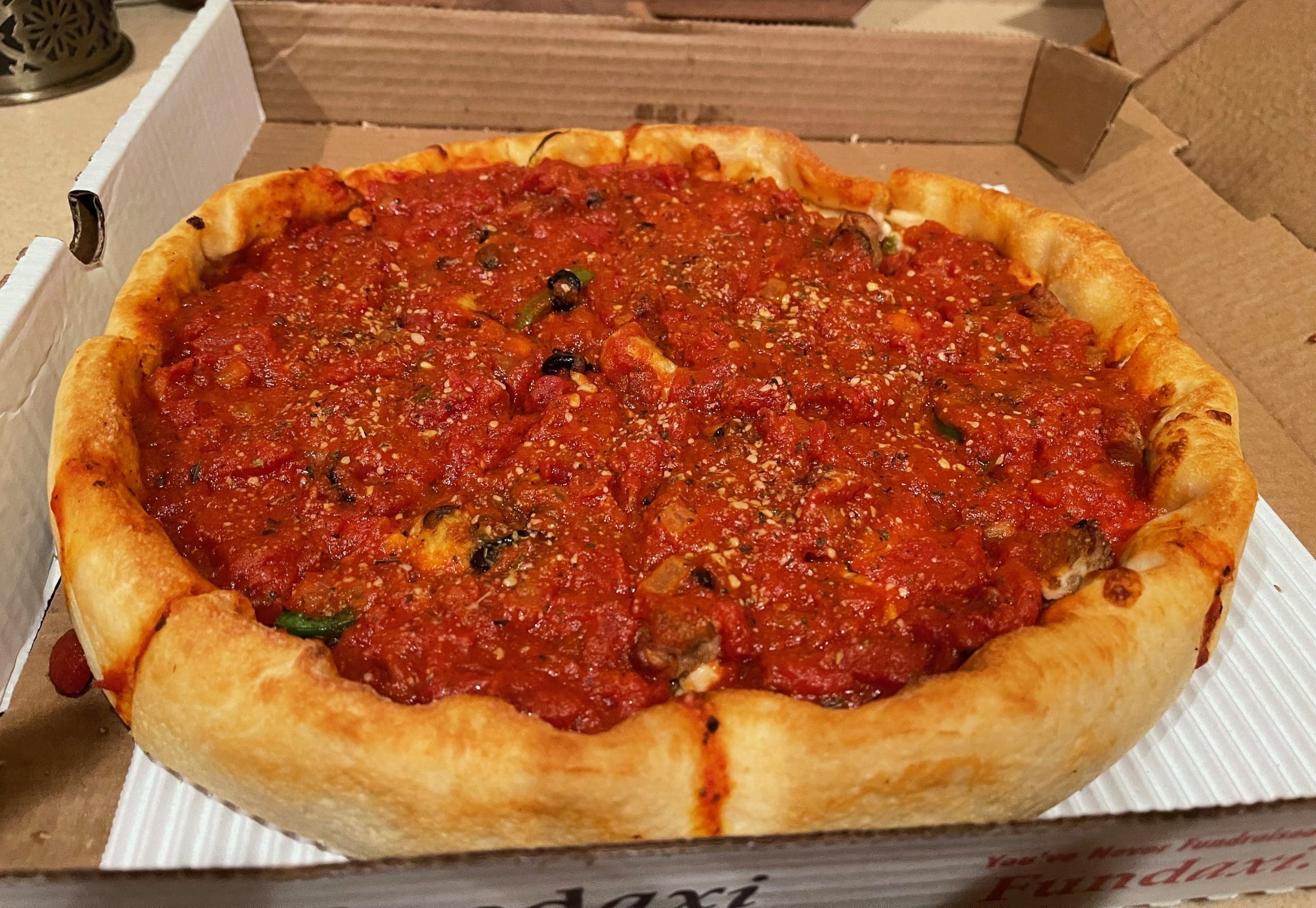
Pizza 9 – Albuquerque, New Mexico

My first review of Pizza 9 was written after my inaugural visit in January, 2009 at its original location in Albuquerque’s International District.  Three years later, there are nine Pizza 9 restaurants strewn throughout Albuquerque and Rio Rancho with a Pizza 9 planned for Santa Fe and “sky’s the limit” growth planned beyond that.  Even before Pizza 9 became a ubiquitous Duke City presence, my review engendered a significant number of visits and comments.  Today, this review is the tenth most frequently launched from among nearly 700 reviews on this blog.  More than 20 comments–some favorable and some almost inflammatory in nature–seem to indicate Pizza 9 evokes passion. What’s in a name?  According to an English bard and playwright of some repute, a rose by any name would smell as sweet.  It would be interesting to conjecture what William Shakespeare would have said about pizza, especially since the label “pizza” has come to mean different things, especially to proponents of two vastly different styles of pizza. In New York City, pizza is practically a religion with nearly than 1700 restaurants in “Metropolis” containing the words “pizza” or “pizzeria” in their name.   “New York style pizza”  has come to mean…