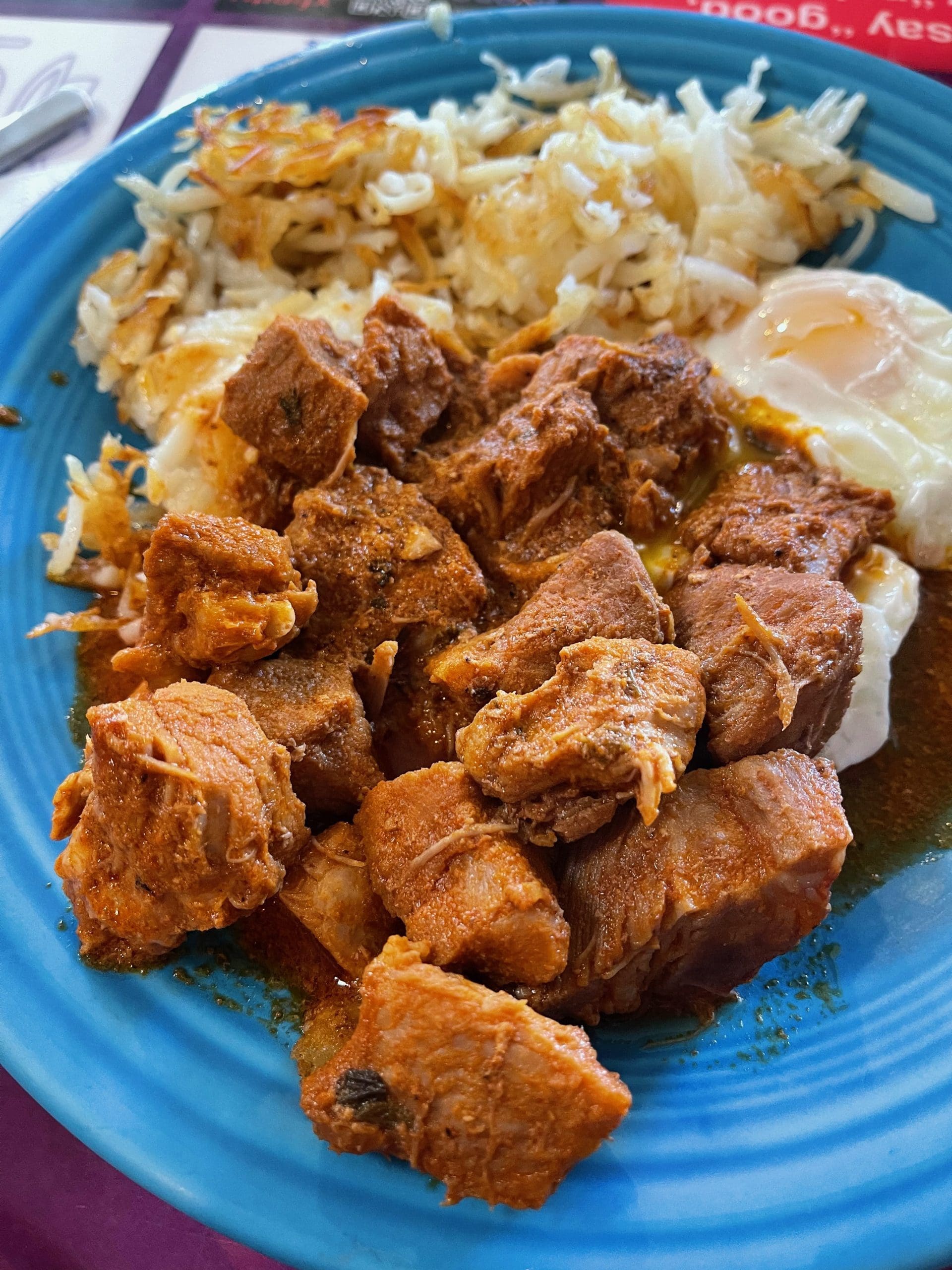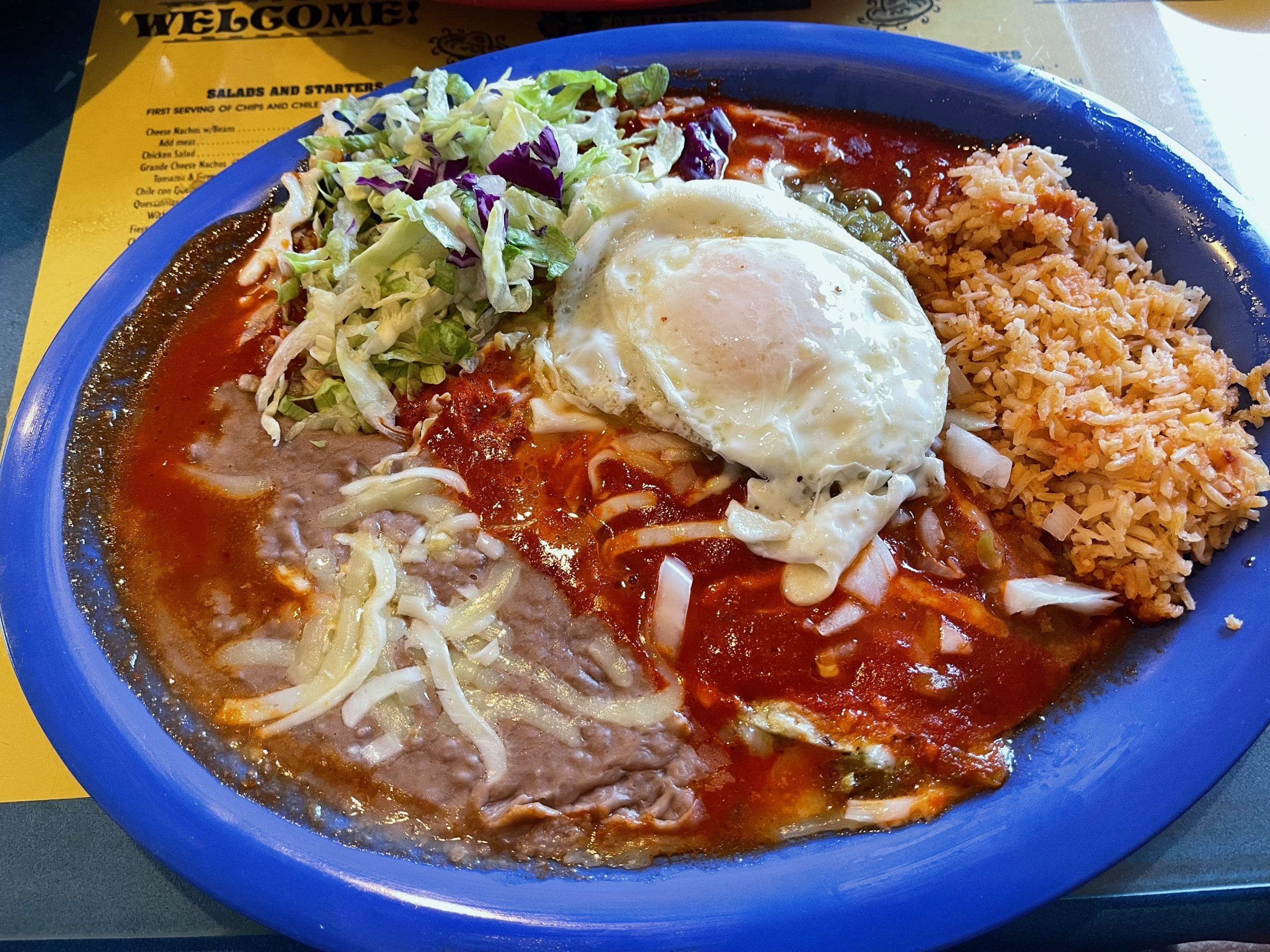
NOPALITO RESTAURANT – Las Cruces, New Mexico

Growing up in rural Northern New Mexico, my siblings and I thought all Mexican food was the same–the way my mom, grandmothers and aunts prepared it (which is to say it was outstanding).  At the time New Mexicans hadn’t universally acknowledged that the genesis of our cuisine wasn’t solely Mexico.  Back then, only the most savvy culinary historians were crediting Spanish and Native ingredients and preparation techniques as differentiating factors that made New Mexican cuisine unique.  It also wasn’t that long ago New Mexicans were spelling our official state vegetable as “chili.”   No, that’s not an episode of the Twilight Zone.  It’s the way it was just a few decades ago when all three of  my sisters matriculated at New Mexico State University. We didn’t know what to think when they’d return home on long weekends and holidays and prepared these strange and different “Mexican” dishes.  Sour cream enchiladas?   Con queso made with muenster cheese?  Green chile salsa?  Rolled enchiladas?  Gorditas?  Those “Mexican” restaurants in Las Cruces were either revolutionizing Mexican food or they didn’t know what they were doing.  It didn’t take long before we all embraced these new dishes and looked forward to sampling other delights from…

Barelas Coffee House – Albuquerque, New Mexico

Quick, name the oldest neighborhood in Albuquerque. Most people would say Old Town which was settled in 1706 near the banks of the Rio Grande. Most people would be wrong. The oldest neighborhood in Albuquerque is actually the Barelas neighborhood, formally established as a ranching settlement in the late 1600s. The history of the central Rio Grande region began at and expanded from Barelas, once a thriving hub of commerce bustling with activity. Both the Camino Real, the royal road to Mexico City and Route 66, America’s mother road passed through the Barelas neighborhood. Barelas was the seat of a flourishing railroad enterprise which facilitated a burgeoning economy.  The neighborhood began a precipitous decline in the 1950s when odoriferous emanations from an area sewage treatment plant drove people away. Then in the 1960s, shopping mall developments proved too formidable competition for long-established mom and pop businesses, the economic heart of the community. Before long, the federal government was calling Barelas a “pocket of poverty” and what was once a thriving neighborhood languished. By the 1970s, Barelas was all but forgotten–perhaps a blessing in disguise because that allowed the preservation of historic buildings for which the community is best known today.…