El Guero Canelo – Tucson, Arizona

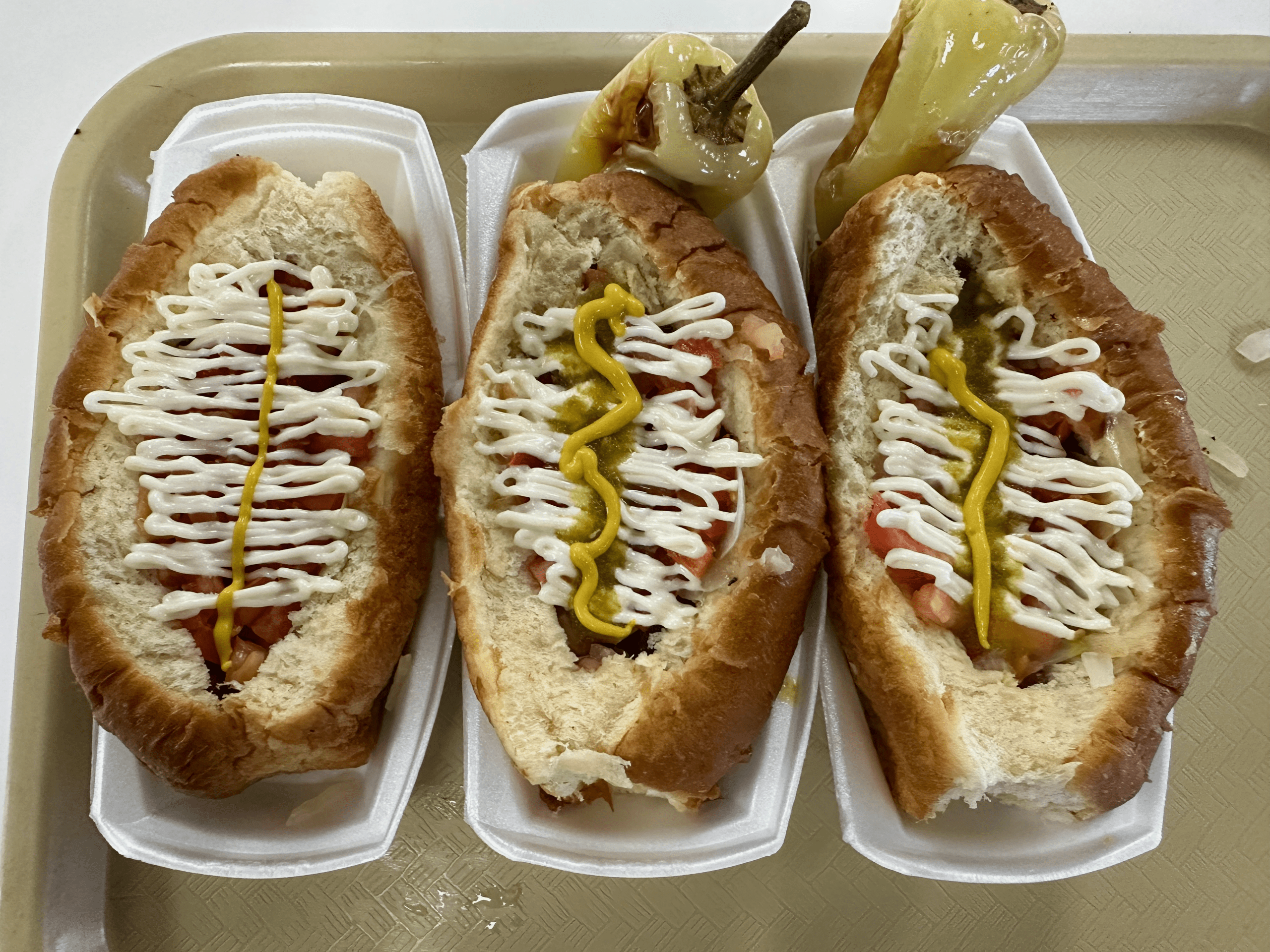
If asked to participate in a word association exercise, any well-traveled foodie undergoing psychoanalysis would find it easy to name the first food that comes to mind when a city is mentioned: Philadelphia – the Philly cheesesteak sandwich; Boston – baked beans; Chicago – Italian beef sandwiches; San Francisco – sourdough bread; Milwaukee – butter burgers; San Antonio, New Mexico – green chile cheeseburgers.  You get the point.  Some foodies might not know that Philadelphia is the birthplace of liberty, but they know about Geno’s and Pat’s King of Steaks and their decades-long battle for Philly cheesesteak supremacy. You might find it strange that seemingly pedestrian foods would be the defining cuisine of burgeoning cosmopolitan cities, historically significant metropolises and tiny hamlets in the desert, but it’s not solely foodies who associate foods with places. Anthropologist Maribel Alvarez of the University of Arizona says the “quintessential food of Tucson” is the Sonoran hot dog, explaining that instead of taking guests to high-end restaurants, locals will bring their out-of-towners to one of the city’s purveyors of Sonoran hot dogs. Hot dogs, like baseball and barbecue, aren’t exclusively the domain of Americans any more.  In fact, they never were. Before you call…

Dogos VIP – Albuquerque, New Mexico

Thanks largely to a 1974 Chevrolet commercial and its catchy tune, the phrase “As American as baseball, hot dogs and apple pie” has purportedly defined what Americans hold most sacrosanct.  Never mind that hot dogs are derivative of European sausages, they’re inextricably part of the fabric of the fruited plain. The National Hot Dog and Sausage Council (yes, there is such a thing) estimates that Americans eat seven billion hot dogs (so it’s not just me) during the unofficial summer season which runs from Memorial Day weekend through Labor Day. That’s 818 hot dogs per second and more than a third of the hot dogs eaten per year! July 19th has been designated National Hot Dog Day, but a case could easily be made that there are actually two days in which the not-so-humble hot dog is celebrated in America.  The second day, of course, is the 4th of July when Nathan’s Famous Hot Dogs sponsors its annual Hot Dog Eating Contest, the premier competitive event for gurgitators.  It’s no surprise that  several locations under the spacious skies have declared themselves the “hot dog capital of the world.” It may have started in 1999 when former New York City Mayor…

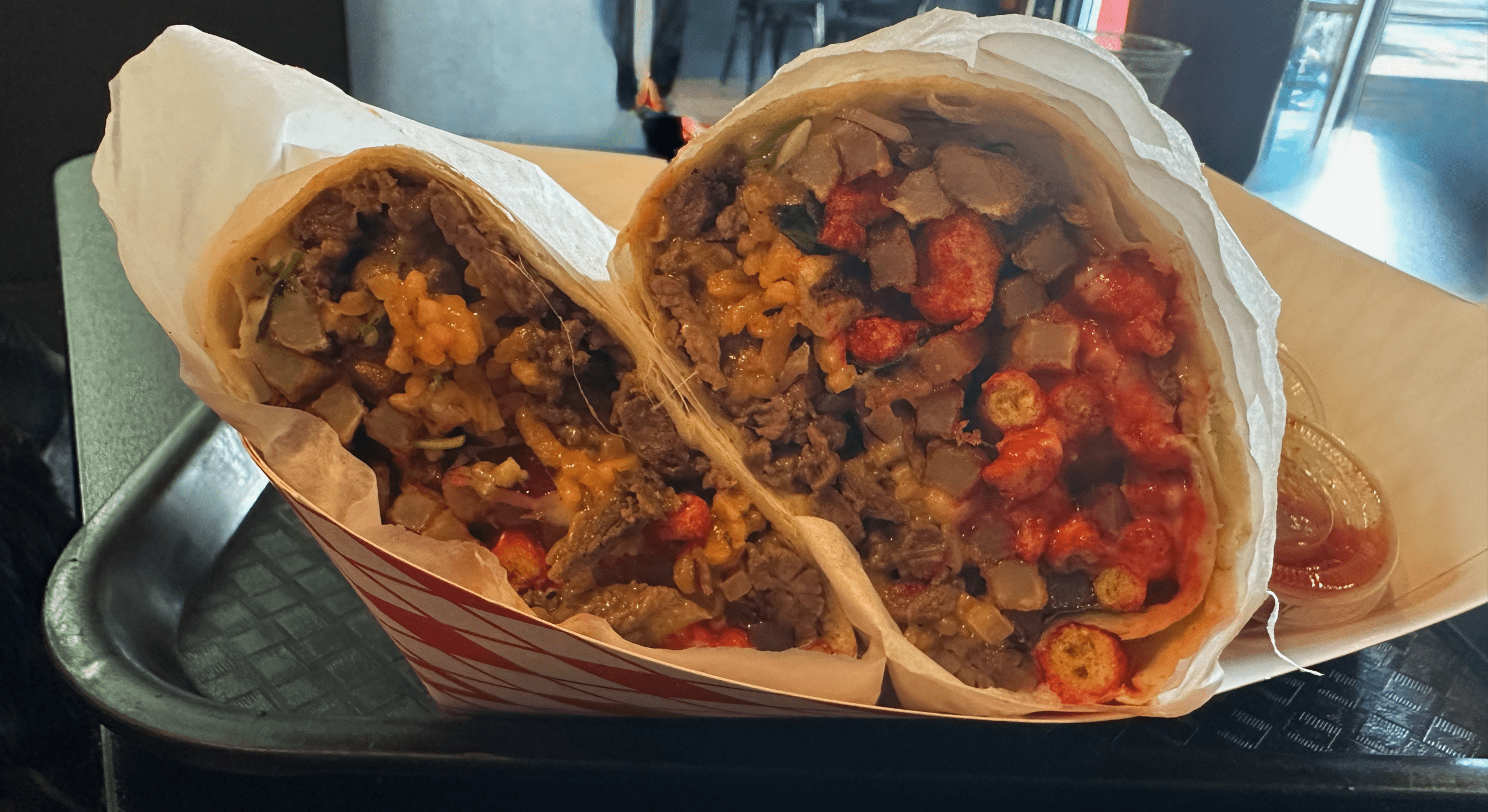
CubaMex – Albuquerque, New Mexico

Because Columbus sailed the ocean blue in 1492 and a succession of Spanish explorers followed suit, you might expect that Spanish cuisine would have proliferated across the new world.  Instead, Spanish discoveries included indigenous cooking techniques and ingredients that forever altered the way scions of Spain ate. At the time of conquest, the European diet was principally comprised of bread, olive oil, olives, “meat,” and wine.   The “new world”–Mexico in particular–was rich, fecund, and replete with such crops such as beans, pumpkins, chilies, avocados, tomatoes, cocoa, cotton, tobacco, corn, and cassava, foods that could not be found in Mother Spain. All the territories explored and conquered by the Spaniards had their own bounty of unique and delicious culinary offerings.  Because traditional Spanish foods were an ocean away, it made sense the Spaniards would adopt indigenous foodstuff.   Many of those foods were ultimately introduced to the European continent.  It was the advent of eating not just for survival, but for pleasure.  To some extent, the vast variety of new ingredients and techniques were also shared among conquered lands.  Solely from the perspective of culinary diversity and deliciousness, it was a win-win.  The uniqueness of foods among such Spanish-held territories…

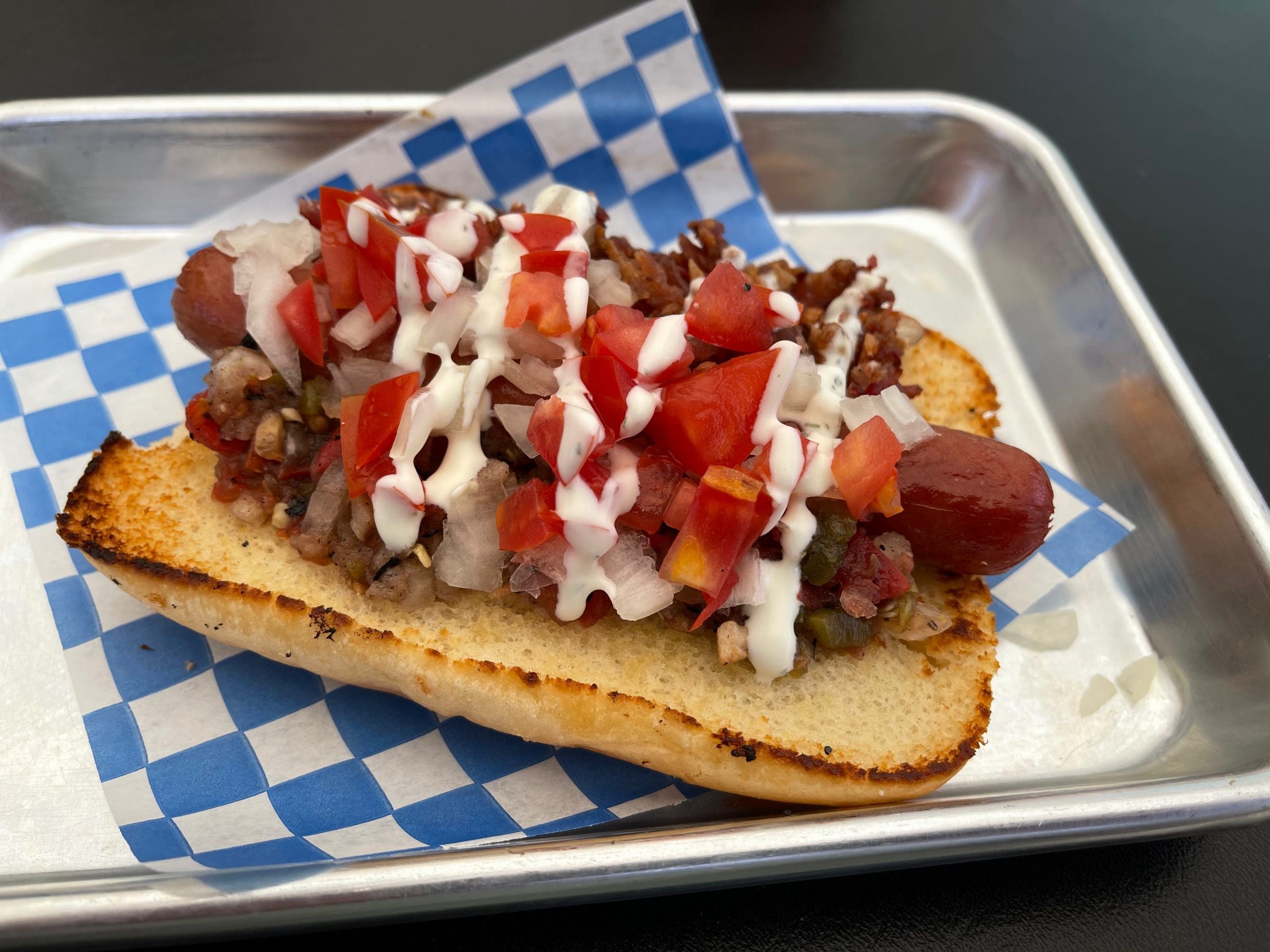
Clowndog Hot Dog Parlor – Albuquerque, New Mexico

Remember the good old days when the only taboo related to the All American hot dog was the felonious act of adding ketchup.   In the movie “Sudden Impact,”  Clint Eastwood as “Dirty Harry” Callahan declared rather emphatically “Nobody, I mean nobody puts ketchup on a hot dog.”  Barack Obama, the 44th president of the United States was nearly as ardent, asserting that ketchup on a hot dog is “not acceptable past the age of 8.” Not that much later, diehards still consider it a mortal sin to add ketchup to a hot dog.  Nary a dissenting voice, however, is raised at today’s “anything goes” attitude toward hot dog toppings. Well, maybe almost anything goes.  When I shared Clowndog Hot Dog Parlor’s menu with my dear friend Becky Mercuri, author of the The Great American Hot Dog Book, she declared “I’m not averse to different toppings but frankly, I draw the line at spaghettios and fruit loops.”  She’s not kidding when she says she’s not averse to different toppings.  Her magnificent tome includes recipes for about a hundred hot dogs and their toppings from across the fruited plain, recipes she tested herself.  Throughout the process, she found herself “continually amazed…