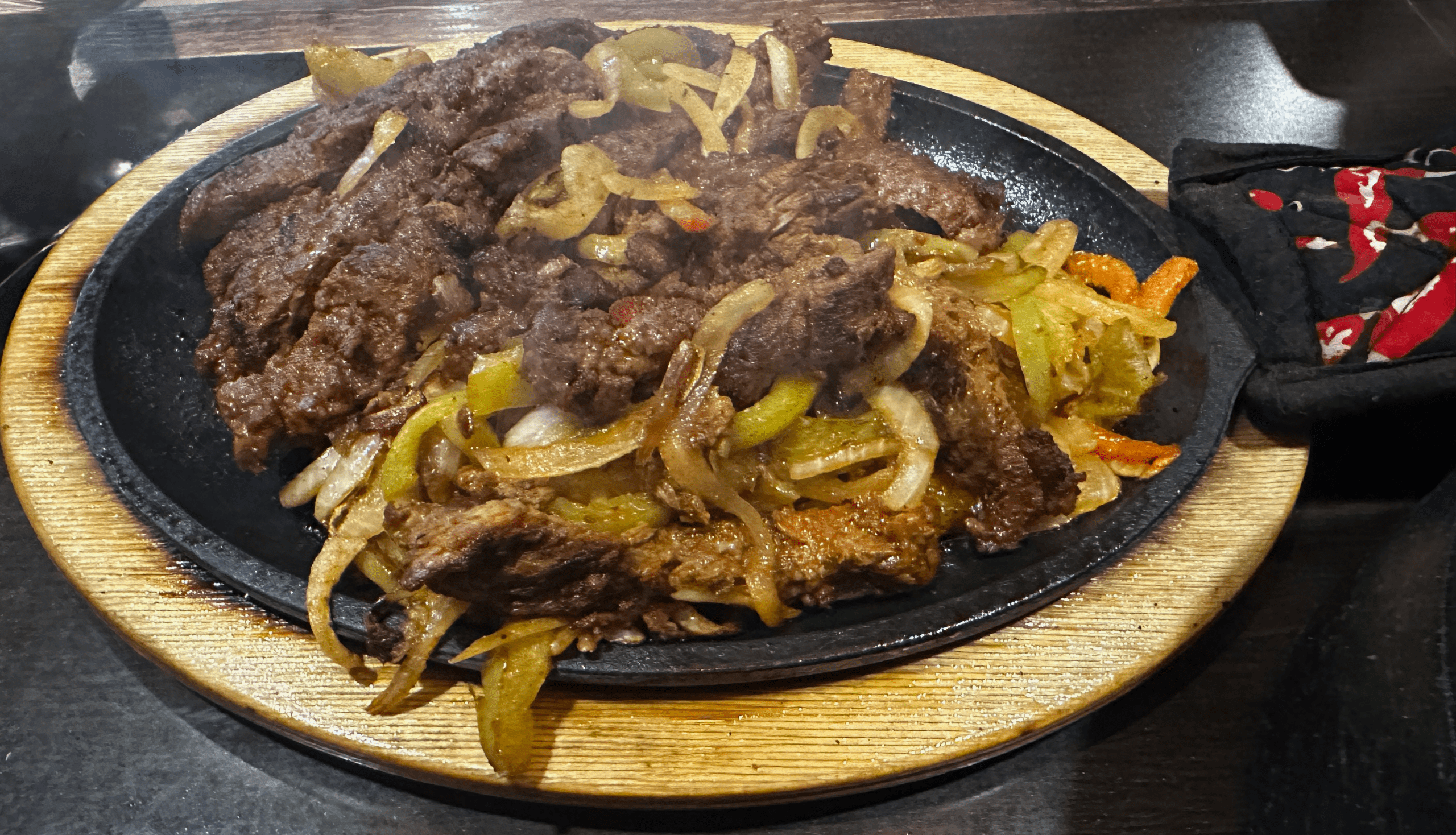
El Patron – Albuquerque, New Mexico

I was a strapping lad of fifteen when hired as a “box boy” at a country store in Peñasco. Now, being a box boy at a small village country store is to being a bagger at Smith’s or Albertson’s in Albuquerque what the red chile at Mary & Tito’s is to McCormick’s chili seasoning mix. The former is so much more than the latter. For one thing, my duties included bailing hay, rounding up cattle, stacking lumber, loading cement, operating a forklift and every once in a while actually bagging or boxing groceries. The job kept me in great physical condition for football season. “Eloy,” my fellow “box boy” was a crusty curmudgeon sixty-some years old who didn’t always take direction well and expended more energy getting out of work than actually doing it. Every morning when our boss, a lovely and gracious woman, gave us our marching orders, he would respond “si patrona” (“yes boss.”) after each order. On busy days those orders came with the rapid fire cadence of an auctioneer. Eloy’s responded just as quickly, “si patrona, si patrona, si patrona.” Occasionally he sneaked in in a “si cabrona” (the literal term means female goat, but is…

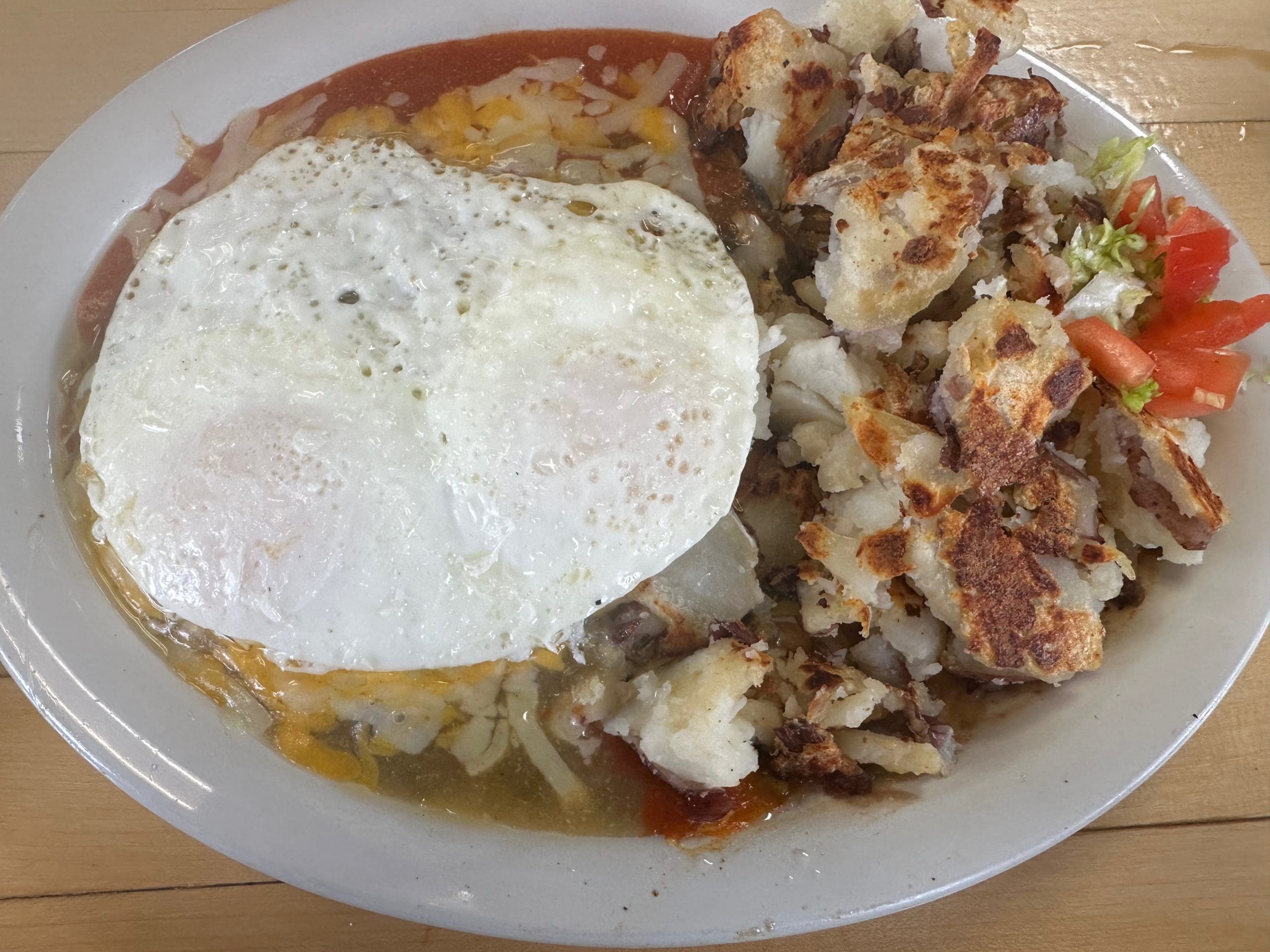
Vic’s Daily Cafe – Albuquerque, New Mexico

“When you wake up in the morning, Pooh,” said Piglet at last, “what’s the first thing you say to yourself?” “What’s for breakfast?” said Pooh. “What do you say, Piglet?” “I say, I wonder what’s going to happen exciting today?” said Piglet. Pooh nodded thoughtfully. “It’s the same thing,” he said.” Unlike the great philosopher Winnie the Pooh, many Americans, it seems, don’t equate breakfast with excitement. Studies show that far too many of us fuel our bodies with a “gobble and go” mentality that typifies our frenetic lifestyles. In 2007, one food service industry research firm concluded that most Americans spend no more than three minutes shopping for breakfast (at such paragons of nutritional virtue as McDonald’s and Starbucks).  Too many of us it seems would just as soon wait for lunch, our hunger being reason enough to overindulge. A food and health survey of Americans showed that 92 percent of respondents consider breakfast the most important meal of the day, yet fewer than half (46 percent) of them actually ate breakfast seven days a week. The most frequently cited reasons for not eating breakfast every day include “not being hungry after waking up” (59 percent) and “not enough…

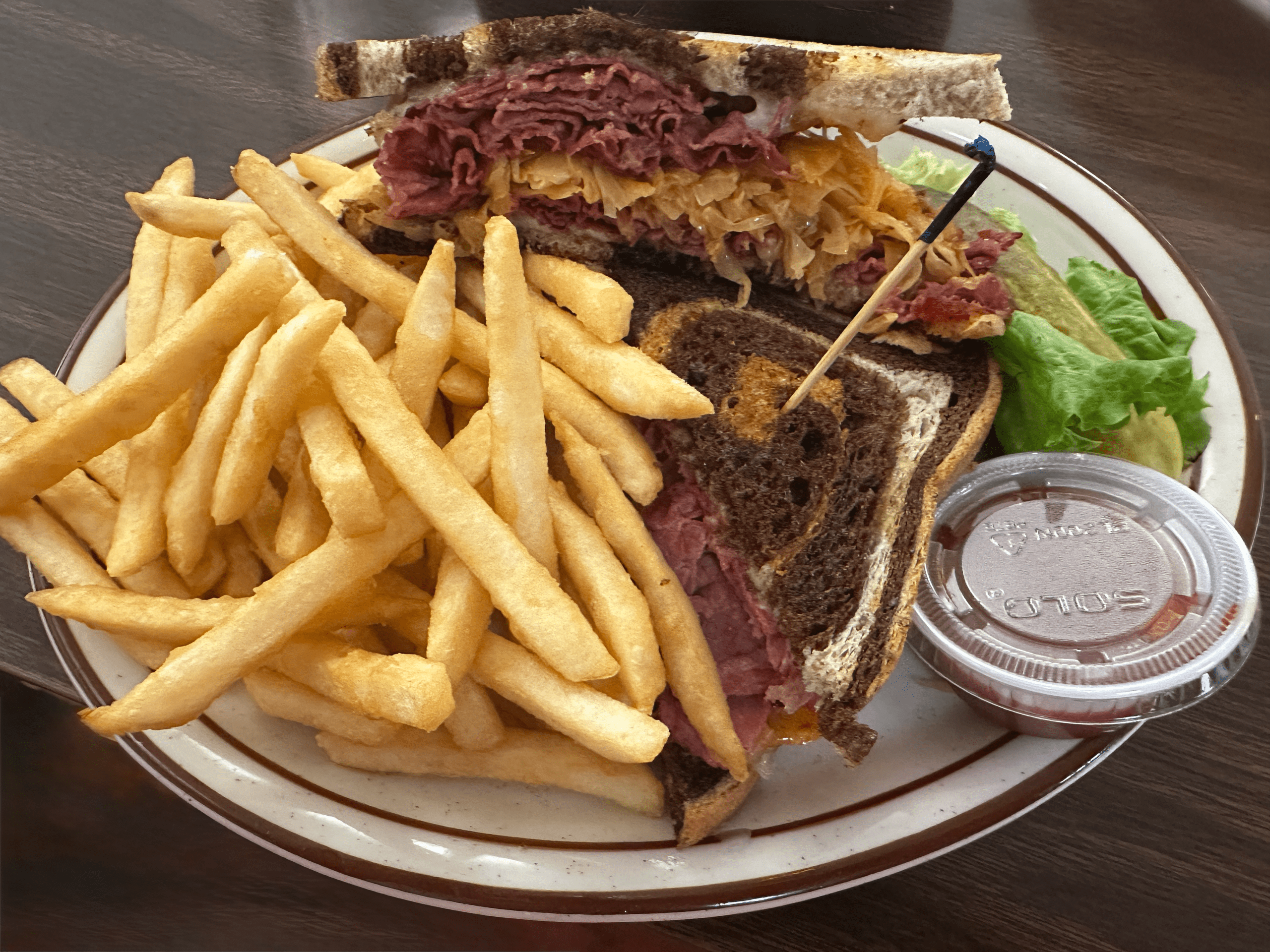
The Sandwich Company – Albuquerque, NE

In 1967, John Poppy introduced the term “generation gap” in Look magazine.  Still used widely, the term refers to the “the chasm that separates the beliefs and behaviors belonging to members of different generations. This gap often manifests in varying thoughts, actions, and preferences between younger and older generations.”  According to Investopedia, “Differences may exist in politics, values, pop culture, and other areas.”  Among the ways in which a generation gap exists is in culinary exploration. TouchBistro, “an all-in-one point of sale and restaurant management system that makes running a restaurant easier” conducted a survey of more than 2,600 diners which revealed a wide expanse between generations when it comes to dining out.  TouchBistro discovered that younger generations–“56% of Gen Zers and 47%–of millennials in the U.S. say they visit new restaurants once a month or more. When it comes to deciding which new restaurant to try, younger generations are also more likely to rely on online reviews, through sites like Yelp or Google or from social media. The TouchBistro survey found that 71% of Gen Zers and 72% of millennials have opted to try a new restaurant solely because of favorable reviews online.” Sadly, 35% of respondents from my…

Ranchos Plaza Grill – Ranchos De Taos, New Mexico

If you’ve read or studied the history of New Mexico, you’re probably aware that life wasn’t easy for Spanish colonists. As with other efforts to colonize North America, Spanish settlers quickly found themselves insufficiently provisioned for the agrarian lifestyle they sought to establish and maintain. Wholly dependent on water to produce and maintain crops and farmland, they quickly found out rainfall in the desert Southwest was fickle and unpredictable. When winter came, the harsh realities of a poor crop yield set in. Settlers often had to resort to taking the food of their Indian neighbors, often by duplicitous means. Throughout the seventeenth century the Spanish population in New Mexico never exceeded more than 3,000, about one-sixth the number of Pueblo residents.  Clashes between Spanish settlers and soldiers and various Pueblos were largely predicated by the indignities Pueblos suffered at the hands of the Spanish. Then came severe drought, higher than average temperatures and very little rainfall.  Significant crop losses, livestock death and starvation made life tenuous. These conditions were exacerbated by raiding Navajos and Apaches seeking to supplement their own dwindling foodstuffs by preying on other inhabitants of the colony. Ultimately these events contributed to the Pueblo Revolt of 1680…