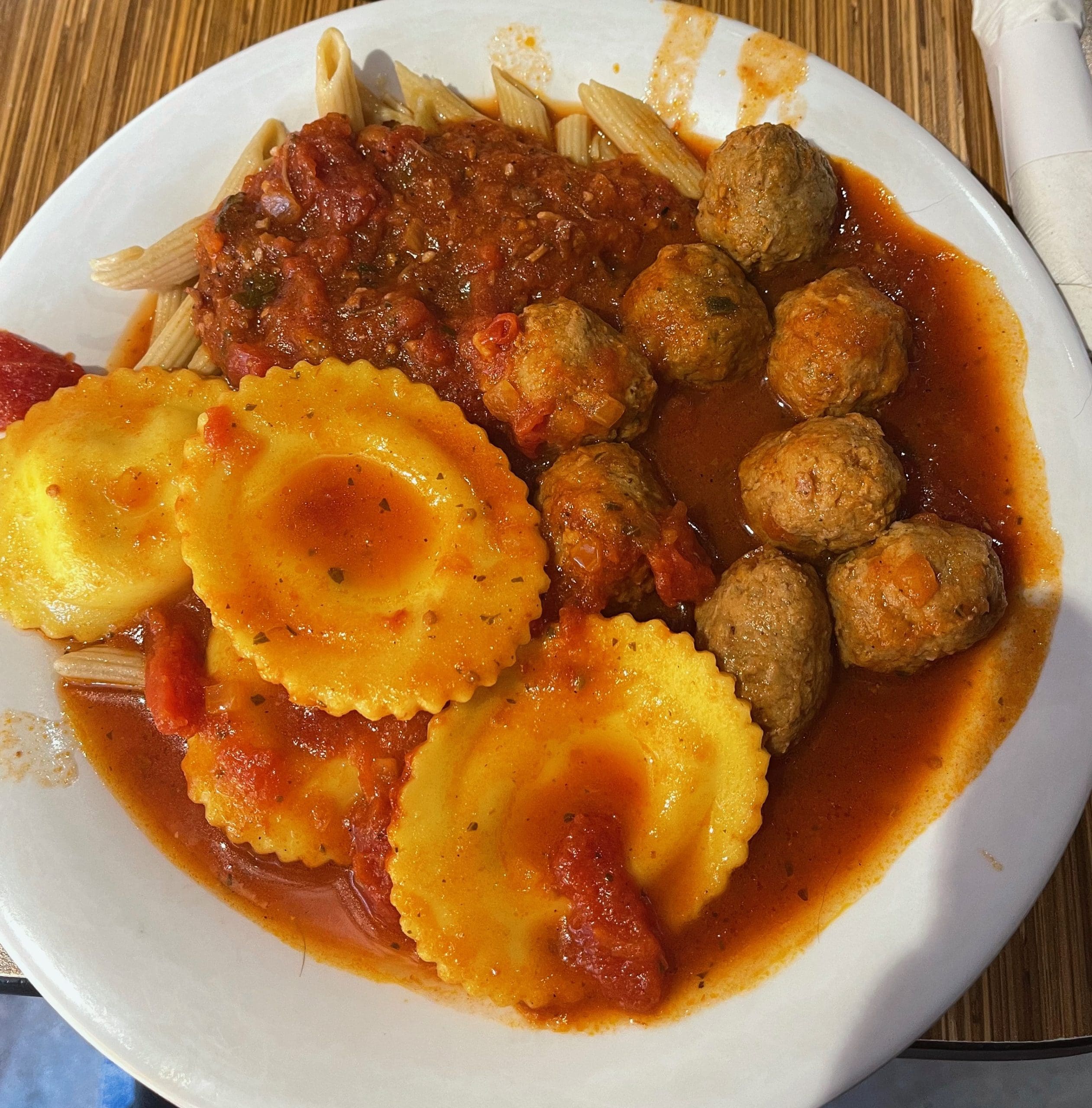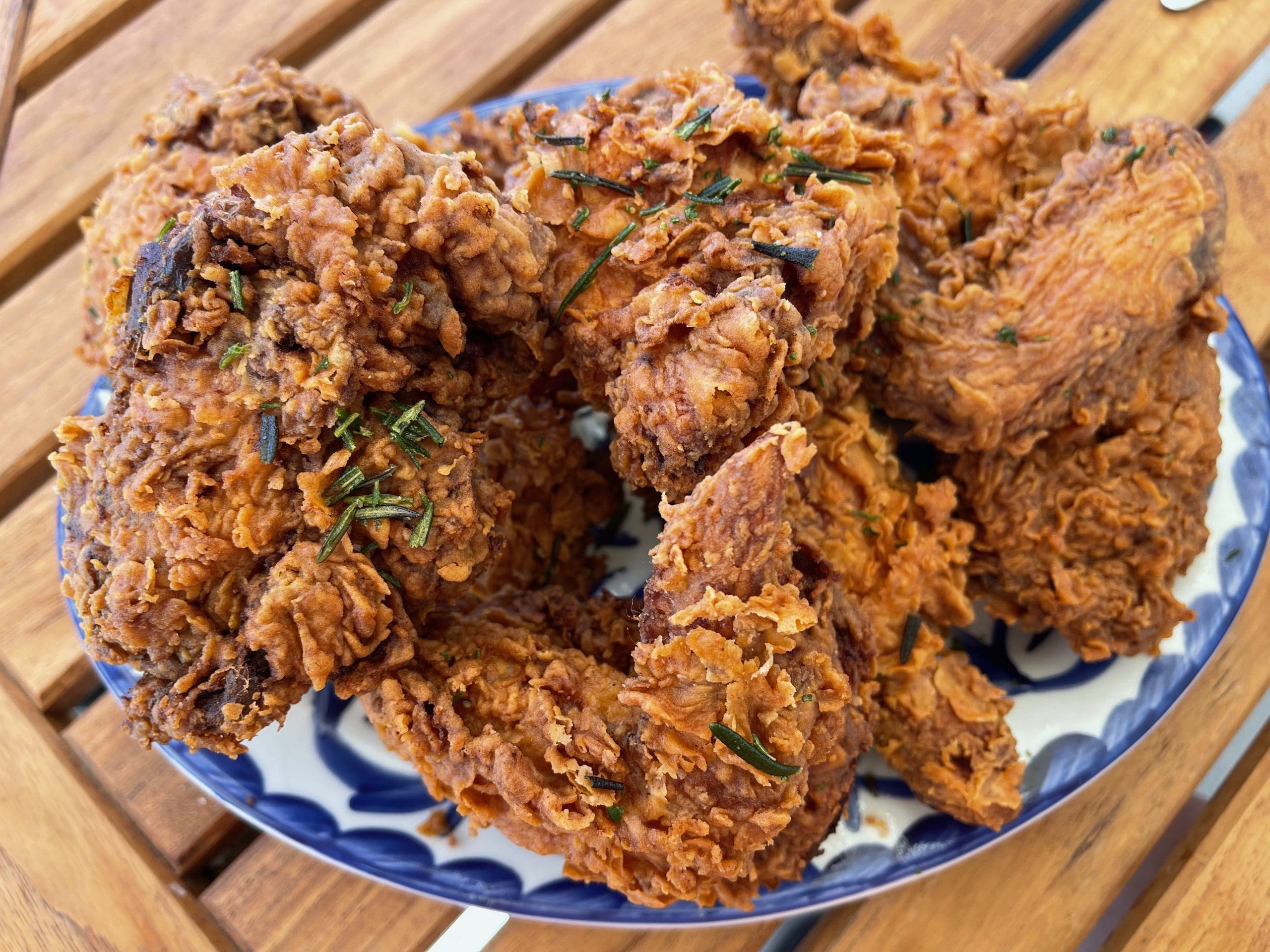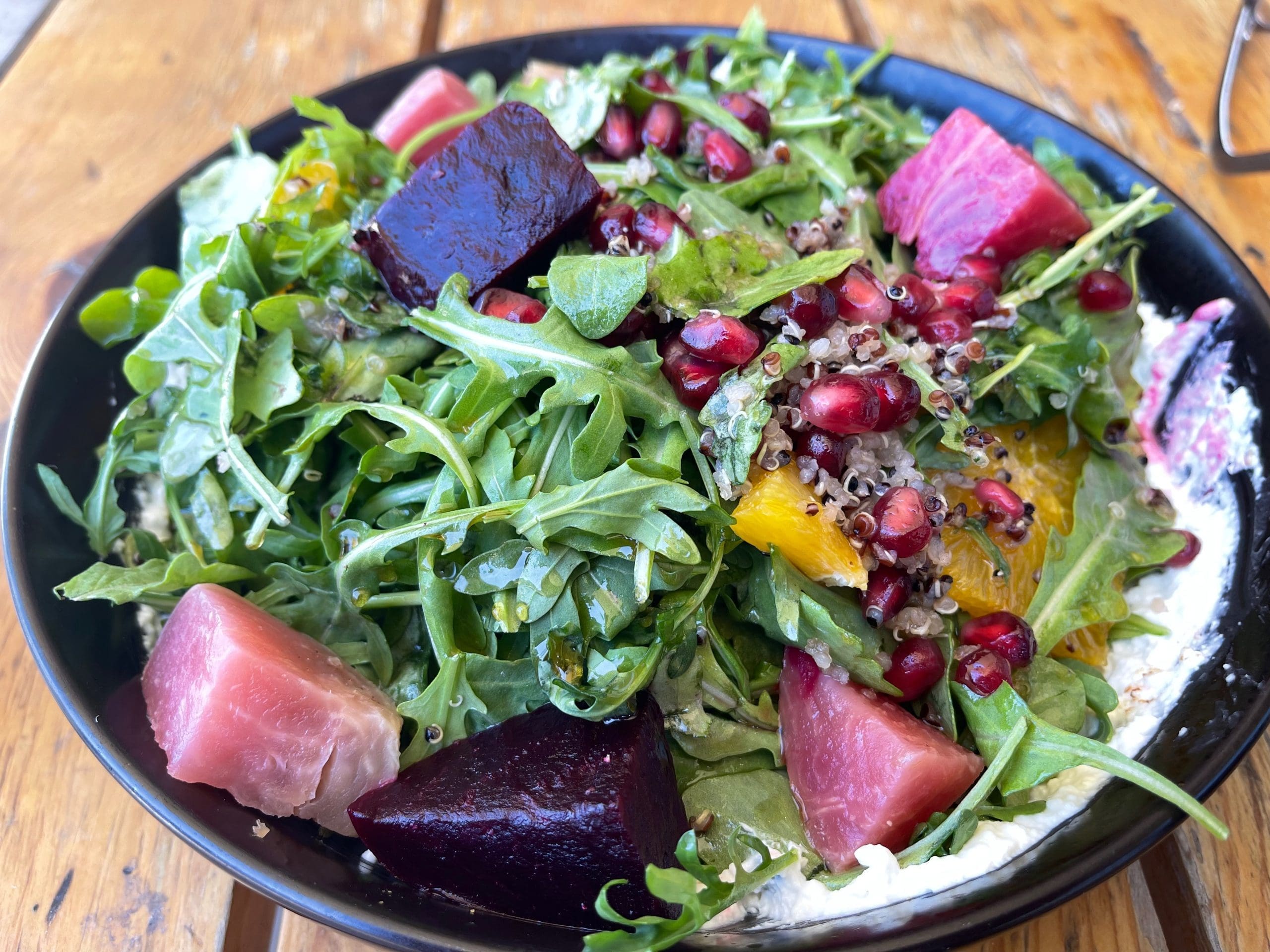
Yellow Brick Cafe – Twin Falls, Idaho

In the Air Force, when you’re stationed at a base overseas, service members receive an orientation on how to comport ourselves (behave) in that country.  We’re cautioned about cultural do’s and don’ts.  We’re introduced to American terminology and conduct our host country members might find offensive.  Above all, it’s emphasized that we are ambassadors for the United States, that our behavior reflects on our country.  We’re admonished not to perpetrate the “ugly American” stereotype that some countries have about the fruited plain.  If you’re not familiar with the term, here’s how Wikipedia defines it: “Ugly American” is a stereotype depicting American citizens as exhibiting loud, arrogant, demeaning, thoughtless, ignorant, and ethnocentric behavior mainly abroad, but also at home. When my Kim and I travel under spacious skies, we see ourselves as ambassadors for the great state of New Mexico.  We’re kind to wait staff and other diners at every restaurant we frequent.  We engage “local indigenous personnel” (a term from MASH) in friendly conversation and express genuine interest when we ask questions about them, their restaurants and their cities.  Invariably not only do we get great service, but they reciprocate our interest.  Lately, however, it’s become more difficult to act…

Tomato Cafe – Albuquerque, New Mexico

You like potato and I like potahto, You like tomato and I like tomahto Potato, potahto, Tomato, tomahto, Let’s call the whole thing off – Ira & George Gershwin Prior to the introduction of tomatoes in 1548, the Italian diet was largely similar to the diet throughout the rest of the Mediterranean. Such staples as bread, pasta, olives, and beans were commonplace, as was a variety of different types of polenta. The Italian diet of the time varied depending on region: fish featured heavily near the coast while inland regions would rely more on pork and wild game. Garlic, onion, pepper and onion oil was used to add flavor.  Olive oil also held a central role in the region’s cuisine.  While a Mediterranean diet is delicious and even healthy, it’s certainly not as popular as Italian food has become across the world thanks largely to the now ubiquitous tomato. Tomatoes were initially received with skepticism on account of their unusual qualities. They were associated with eggplant, another foreign vegetable introduced to Europe from abroad (in this case from the Middle East). Similar to tomatoes, it took hundreds of years for eggplant to become an accepted ingredient in the Italian diet.…

The Feel Good – Albuquerque, New Mexico (CLOSED)

“Whoa! I feel good, I knew that I would, now I feel good, I knew that I would So good, so good, ’cause I got you So good, so good, ’cause I got you So good, so good, ’cause I got you.” ~James Brown The lyrics to the “Godfather of Soul’s” signature song aren’t etched on the windows or door of The Feel Good, but several other thematic aphorism are.  There’s Virginia Wolf’s quote, “One cannot think well, love well, sleep well, if one has not dined well.”  M.F.K. Fisher’s “Sharing food with another human being is an ultimate act that should not be indulged in lightly” is etched on the door while Alan D. Wolfelt’s sage “Food is symbolic of love when words are inadequate” occupies another window.  Maybe because it’s a shorter quote, James Beard’s “Food is our common ground.  A universal experience.” occupies a small window. One quote which perhaps should be etched on The Feel Good is San Francisco-based journalist Madison Park’s “Having a belly stuffed with comforting food can feel like a warm hug from the inside.”  In a 2010 article for CNN, Park explained why eating a lot feels so darn good.  You might…