Pho Nho – Albuquerque, New Mexico

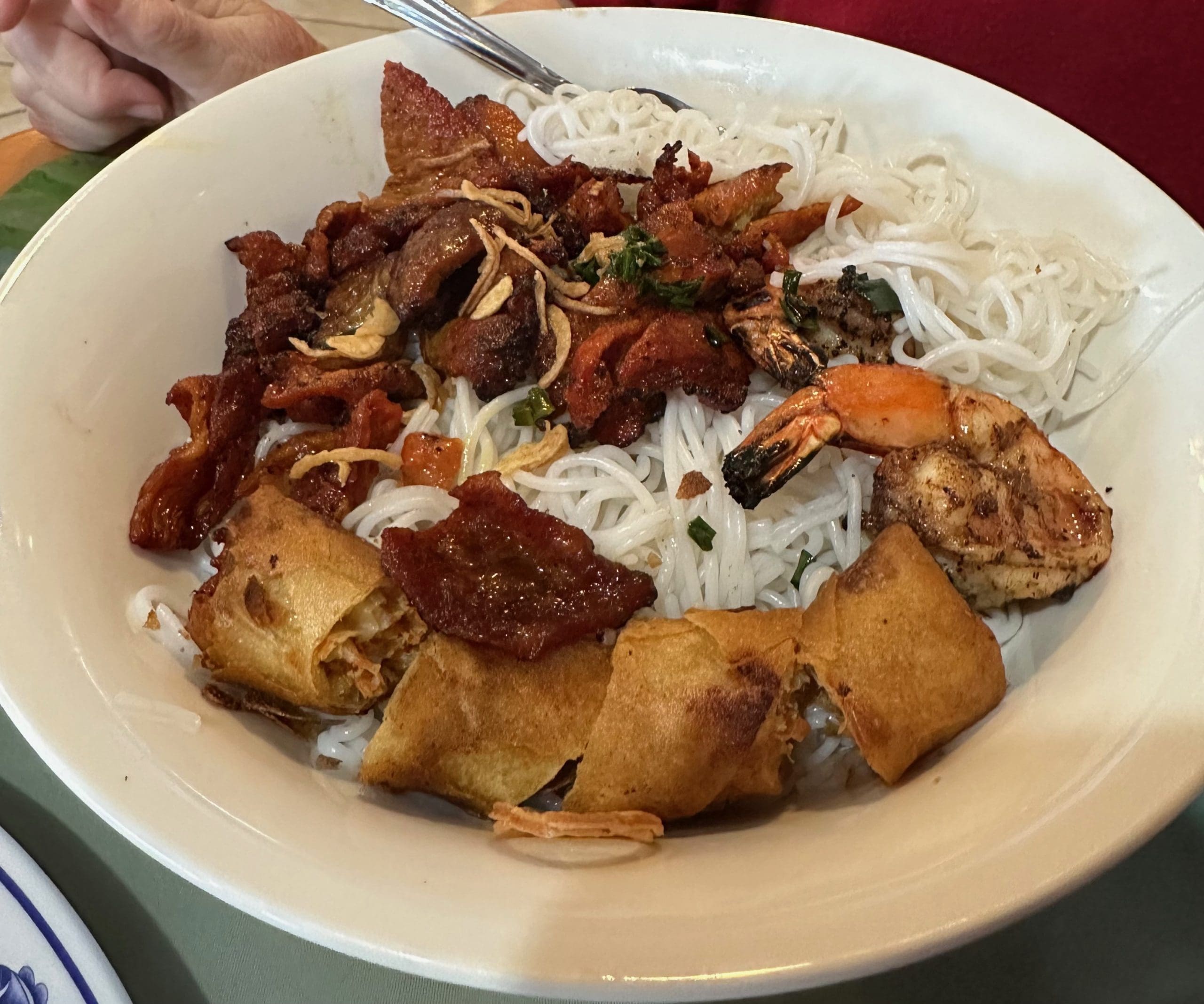
Foodies are a passionate–some would say even snobbish–lot. The most passionate among them are sticklers for authenticity and provenance of ingredients and preparation methods.  The plebeian among us who don’t know quite as much had better not represent inaccuracies as truths (much as politicians do) or even use culinary terms incorrectly lest we be excoriated.  Tieghan Gerard, a well-intentioned blogger, learned just how passionate savvy foodies can be. Tieghan, the creator of the popular food blog Half Baked Harvest found herself in hot water when she had the audacity to misrepresent a quick noodle soup recipe. More specifically, she dubbed her recipe “chicken pho,” a faux pas on may levels and for many reasons.  Readers were quick to point out the recipe was NOT pho, a dish that should never be prepared quickly.  Strictly speaking, they pointed out, pho is a soup made with beef (although increasingly chicken and vegetarian versions are being made).  Several steps in the recipe (such as caramelizing the chicken) would never be done in a traditional pho recipe.  For the most woke among her  readers, Tieghan’s most grievous mortal sin was in calling her soup “pho,” an unforgivable misappropriation of Vietnam’s most popular and famous…

Thai Spice – Albuquerque, New Mexico

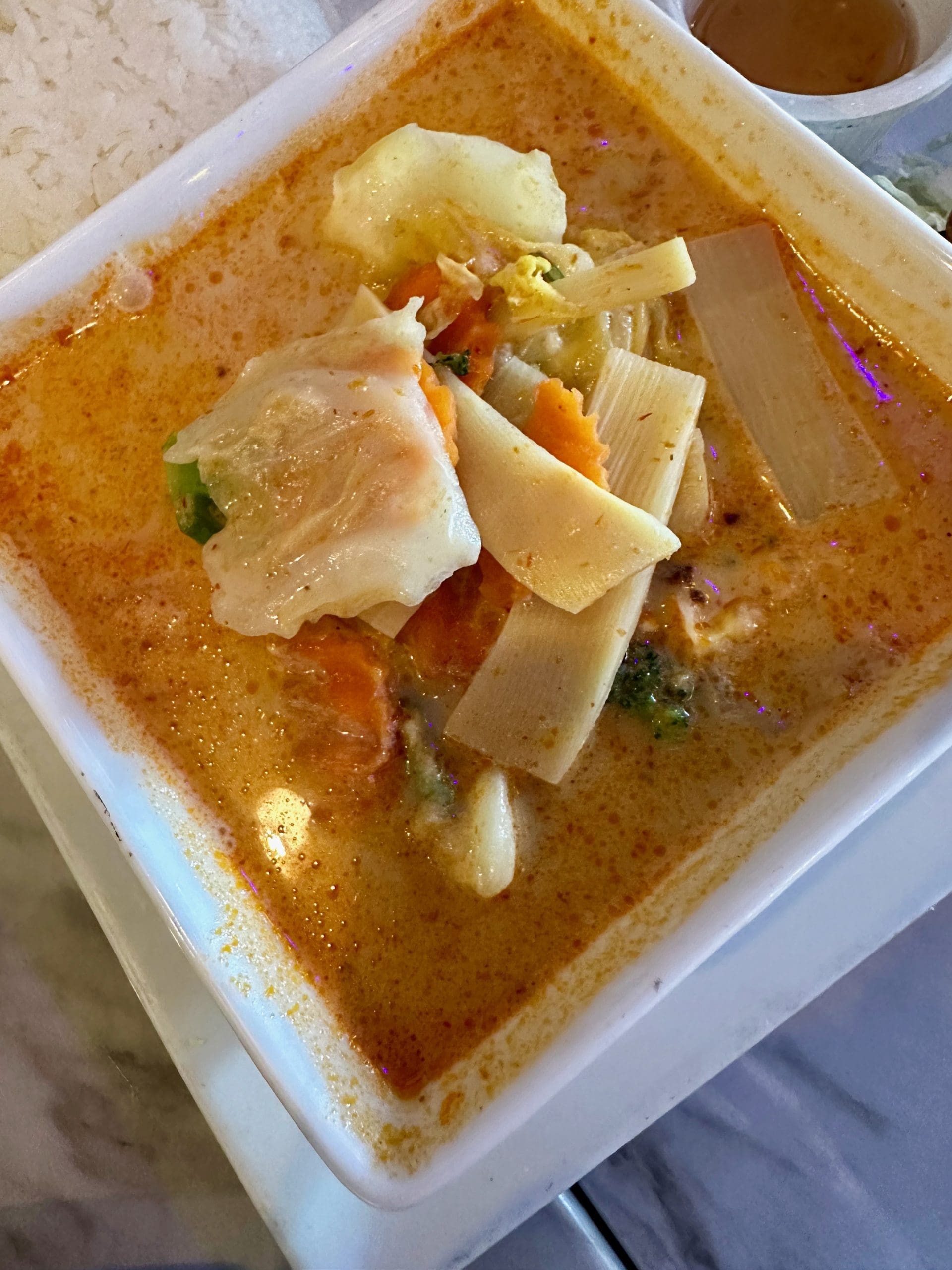
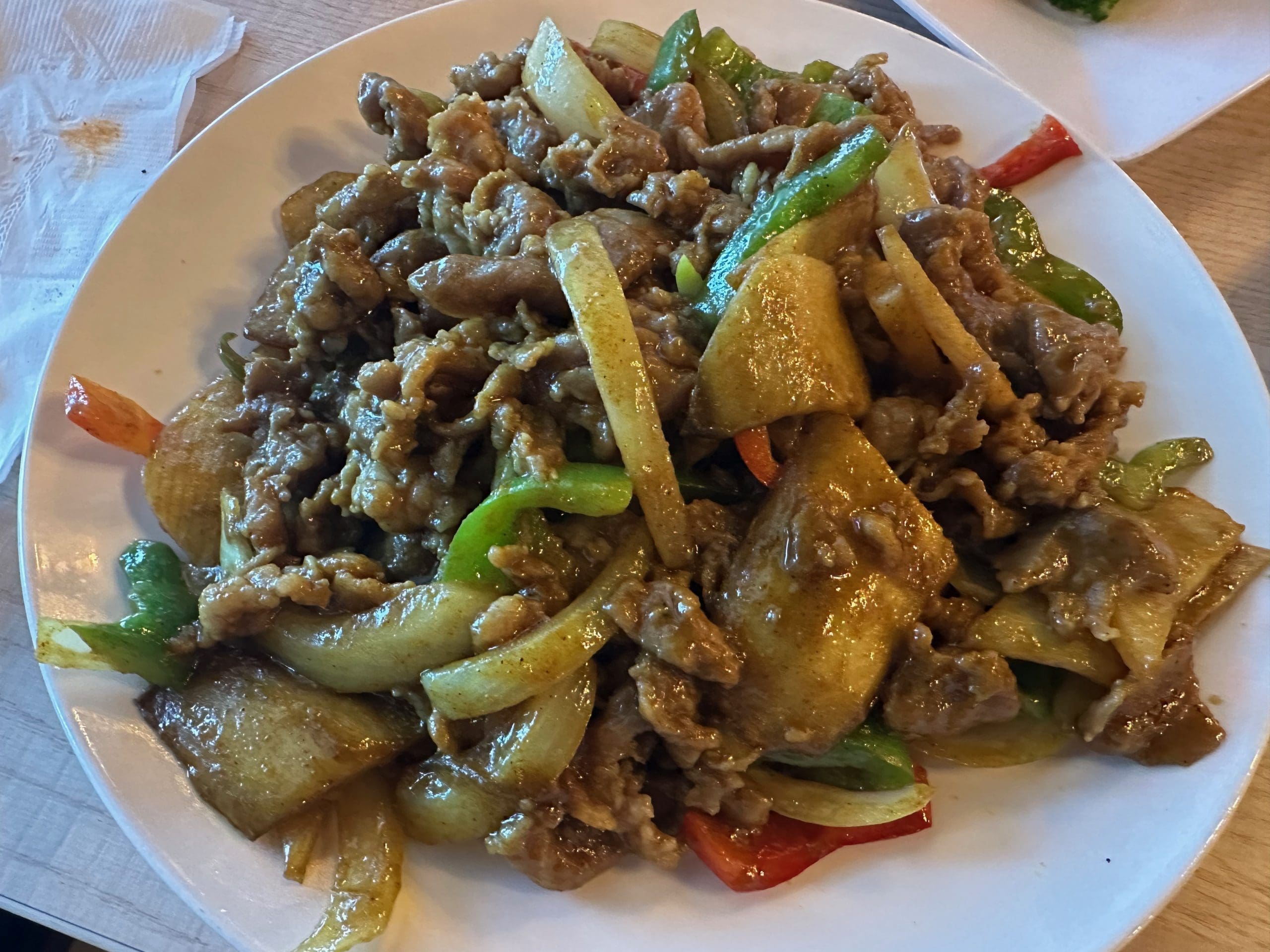
“Thai food ain’t about simplicity. It’s about the juggling of disparate elements to create a harmonious finish. Like a complex musical chord it’s got to have a smooth surface but it doesn’t matter what’s happening underneath. Simplicity isn’t the dictum here, at all. Some westerners think it’s a jumble of flavors, but to a Thai what’s important, it’s the complexity they delight in.” ~Chef David Thompson Complexity of flavors, disparate elements, a jumble of flavors…these are the expectations diners have come to expect from Thai restaurants. The underlying foundation of Thai cuisine, going back to Chinese influences as early as the 10th century, is to achieve a satisfying and exciting taste experience through the relationship between five fundamental tastes: sweet, salty, spicy, sour and bitter. Properly balancing these flavors is the true essence of Thai cooking. Overemphasizing any of these fundamental tastes, particularly “sweet” and a Thai restaurant risks its cuisine being labeled “Americanized.” For a cuisine to be considered “Americanized” isn’t necessarily a bad thing. Generations of Americans have grown up enjoying American Chinese foods developed by Americans of Chinese descent. Such familiar offerings as chop suey, crab Rangoon, pepper steak, fried wontons, sesame chicken and even the ubiquitous…

Noodle Works – Albuquerque, New Mexico

“To witness the birth of a noodle is a glorious thing. I have listened, spellbound, as an 85-year-old noodle chef in Beijing told me why the act of making noodles helped him make sense of the world.” -~Terry Durack, Noodle In the movie Mr. Nice Guy, martial artist cum actor Jackie Chan portrays a  chef with a successful television show.  In the movie’s opening scene, Chef Jackie is presiding over a flour-dusted table, stretching, twisting, and pulling a piece of dough into fine strands of noodles, a process the TV host can only describe as “alchemy.”   For the culinary obsessed among us, that was the highlight of the movie, all the “special effects” we needed.  Later on, Chef Jackie would be stretching, twisting and pulling a drug lord and his syndicate in much the same manner as he did the noodles. There’s something almost mystical about the artisan process of pulling noodles by hand.  Certainly for the onlooker, it’s entertaining to the point of being mesmerizing.  It’s not prestidigitation in that there’s no sleight of hand to deceive you.  It’s sheer brilliant mastery of an time-honored craft.  It’s performance art and scientific precision in one.  Learning to repeatedly stretch…

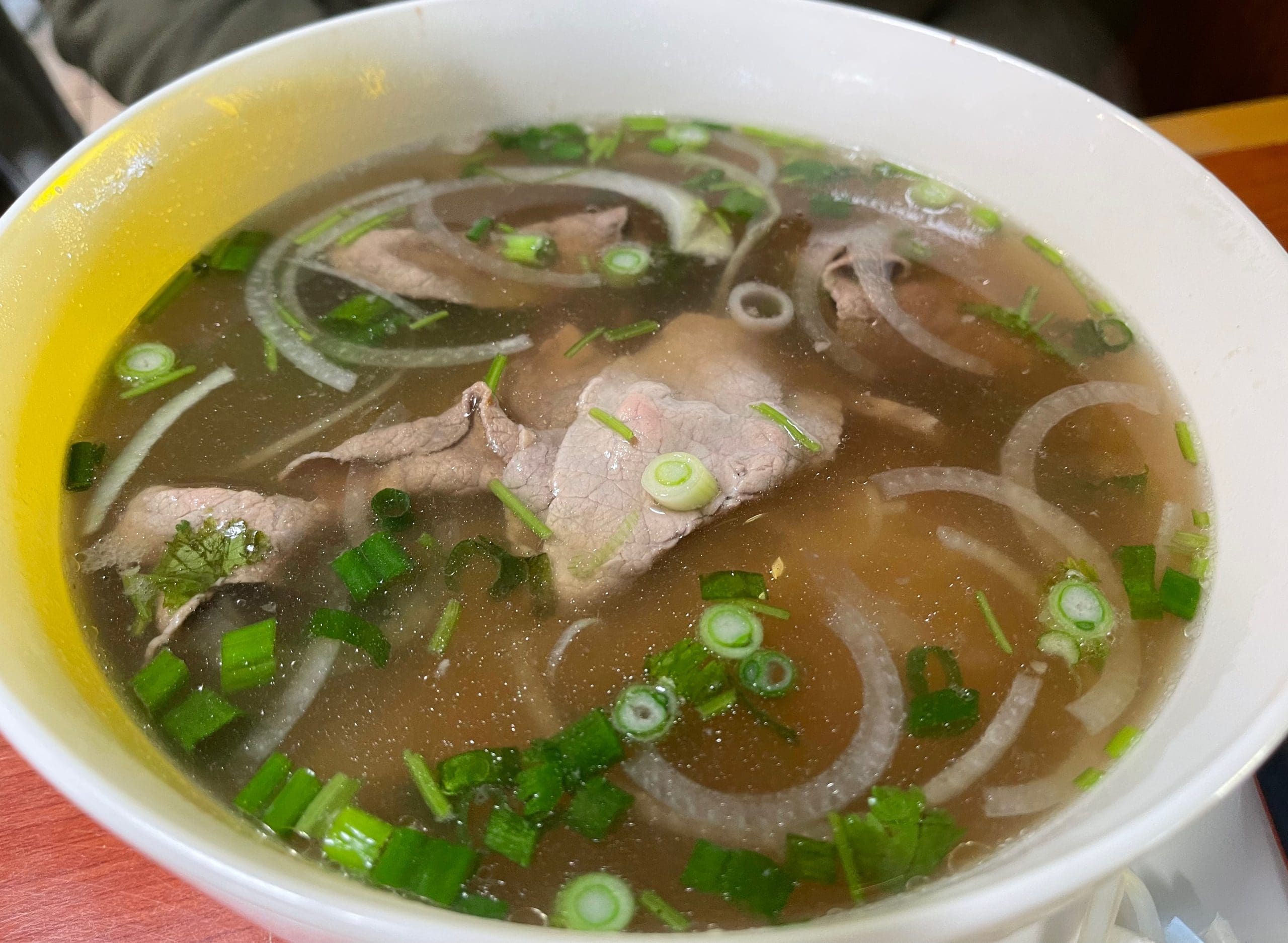
Pho #1 – Albuquerque, New Mexico

Beef.  How do I love thee? Let me count the ways. I love thee to the depth and breadth and height my pho spoon can reach. Okay, I’m no Elizabeth Barrett Browning, but if I were to count the ways I love beef, the count might stop at seven–as in the special seven courses of beef offered at Pho #1.  Serving  the Duke City for more than two decades, Pho #1 makes an audacious claim by virtue of its name but it’s a claim with which loyalists will agree.  It’s an International District gem that continues to thrive in a neighborhood some diners eschew. With more than one-hundred items on the menu–not including the seven courses of beef–Pho #1 offers a veritable compendium of Vietnamese food favorites including a large selection of pho bo (beef noodle soup).  Pho is the classic Vietnamese fast food, served in a large soup bowl with fresh rice noodles topped with your choice of beef slices (rare steak, well-done flank, brisket, tendon, tripe, skirt flank and beef ball) then sprinkled with chopped green onion, cilantro leaves and sliced onion.  Each bowl is accompanied by a plate of bean sprouts, sliced jalapenos, lime and basil. Pho…

Leona Banh Mi – Albuquerque, New Mexico

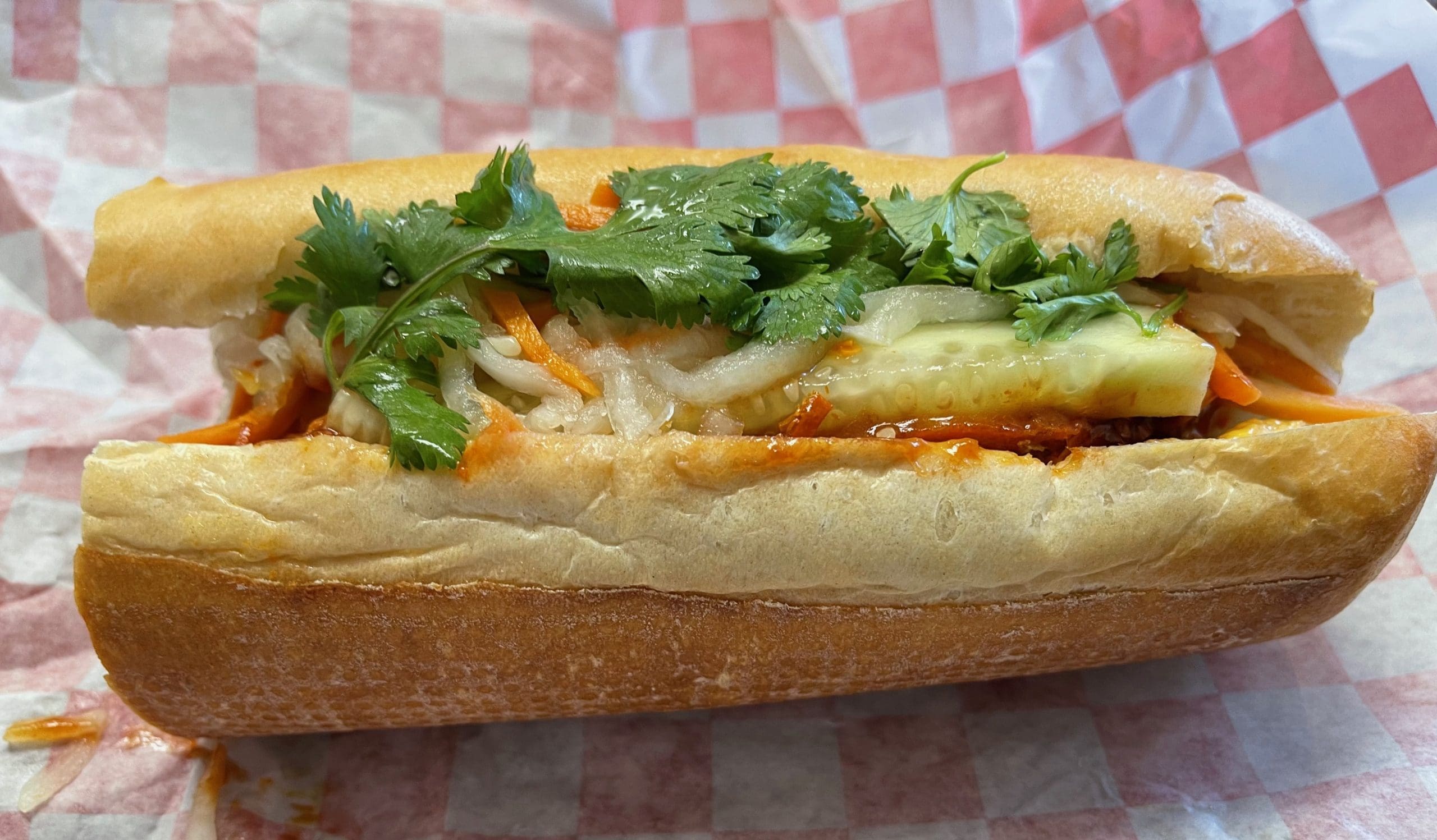
“I’m not allowed in the Vietnamese sandwich shop anymore. They decided to banh mi for life.” During an ice-breaker at what promised to be a stressful project planning meeting, all participants were asked to stand up and describe their favorite childhood Christmas gift. For the most part, favorite gifts conformed to gender stereotypes. Male colleagues waxed fondly about GI Joe action figures (don’t ever call them dolls), Star Wars Lego sets and their first bike. Females in our group described Barbie dolls, playhouses and cabbage patch kids. Then it was my turn. “My favorite Christmas gift as a child,” I explained “was a dictionary.” Copious groaning ensued though for some reason no one was surprised. As a child for whom English was a second language, my first dictionary was a good friend, one consulted frequently when reading my other favorite tome, the encyclopedia. Yeah, I was a weird kid. Perhaps because it was so ponderous and not a few gazillion bytes of information floating around some ethereal concept called the cloud, the dictionary was much more uncool back then. It was also much more mysterious and stodgy. No one seemed to know how new words were added from year-to-year (I…

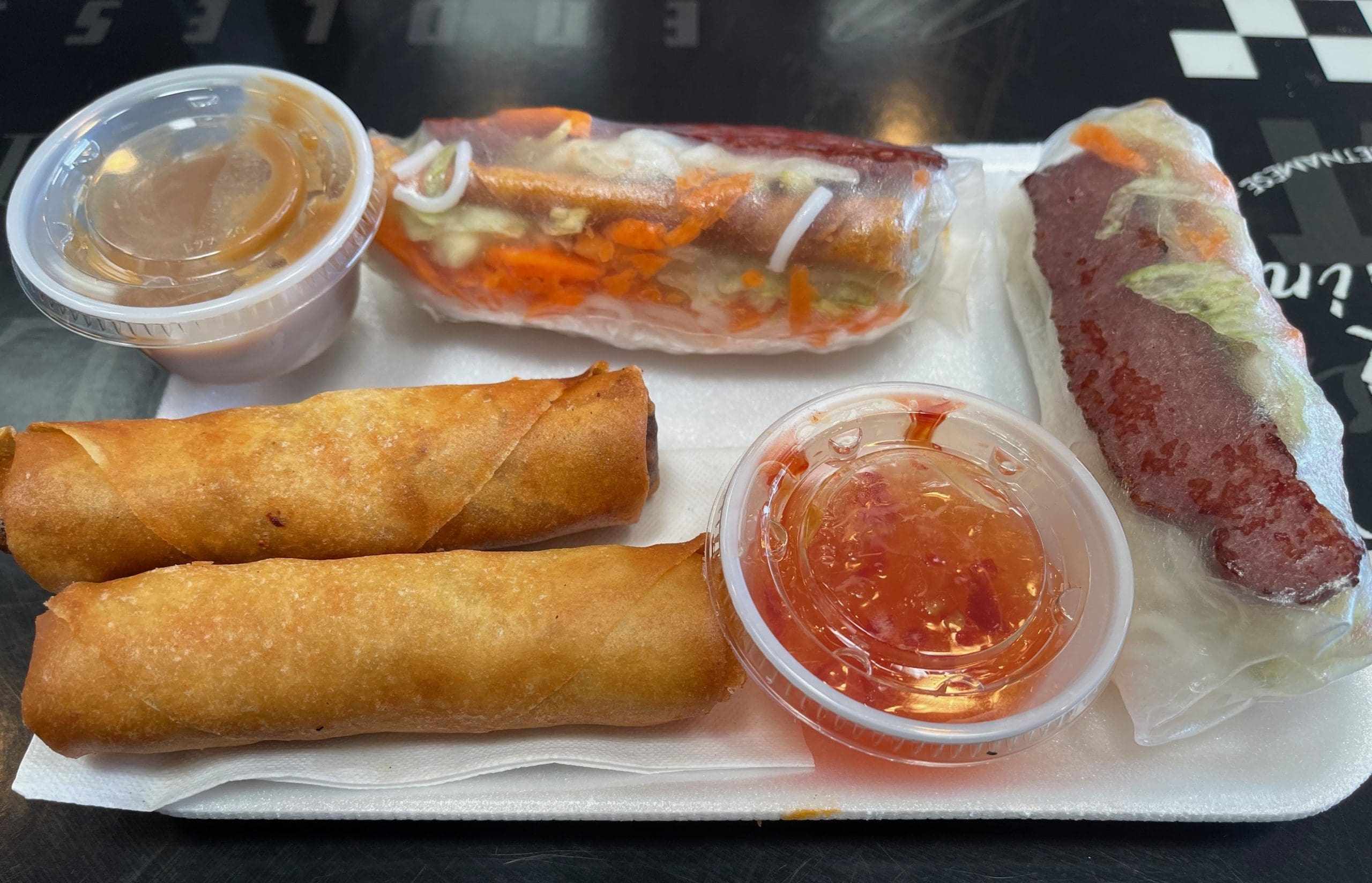
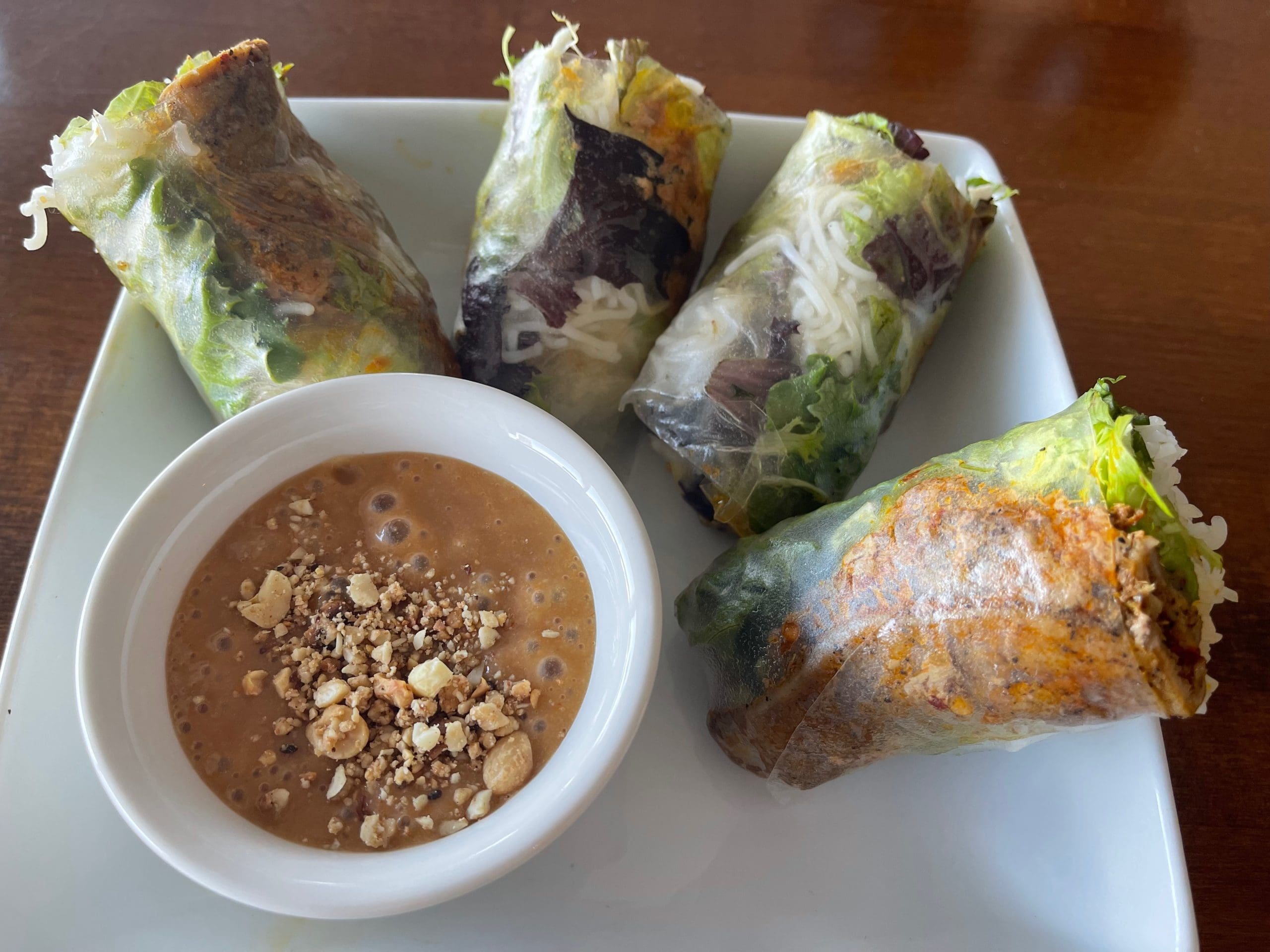
Spring Rollin’ – Albuquerque, New Mexico

Reclusive American poet Emily Dickinson insisted a light exists in spring that’s not present at any other time of year. If you’ve ever spent a winter in the Northern Hemisphere at a latitude of 42° or more, you know what it’s like to long for that light. You can relate to the irritability and restlessness of having fewer than eight hours of sunlight during winter months. You know what it’s like to head to work in the dark and return home in the dark. You know the confinement of cabin fever when persistent rain or snow keep you indoors for prolonged periods of time. If you’ve experienced long, dark winters, you celebrate the return of spring. In northern climates, the advent of spring is celebrated as a return to warmer weather, new growth and increased daylight. While most countries celebrate spring festivals a couple of weeks after the much loathed Daylight Savings Time, China’s Spring Festival (better known as the Chinese New Year) begins somewhat earlier. Generally falling on a day between January 21st and February 20th in the Gregorian calendar, this spring festival is the grandest festival in China. China’s spring festival is a seven-day long holiday in which…

Pho 79 – Albuquerque, New Mexico (CLOSED)

When the temperature dips and the Land of Enchantment’s ubiquitous winds howl with a vengeance, savvy diners revel in the knowledge that they can luxuriate in the familiar warmth of a steaming, swimming pool-sized bowl of aromatically alluring pho. Few things in life are as comfortable as snuggling up with a simple and no frills bowl showcasing a rich, spicy, nuanced broth with tangles of rice noodles, fresh herbs and vegetables and a veritable meat fest (rare steak, tendon, brisket, meatball). It’s the single best way to warm up from the inside-out on a bitterly cold day. With nearly forty Vietnamese restaurants gracing the Duke City, diners have no shortage of purveyors to frequent for this preternaturally pleasurable elixir. The signage on eight of those restaurants includes the term “Pho,” a term which has been known to evoke a reaction akin to Pavlov’s dogs responding to a bell. It can get pretty embarrassing if you start salivating when you espy “Pho”emblazoned on a restaurant’s signage–even when that signage fronts that of low-rent Motel 76.  To be brutally honest, Pho 79 does not have the most alluring curb appeal.  In fact, it’s downright homely. Whether or not Pavlov’s disciples are consulted…

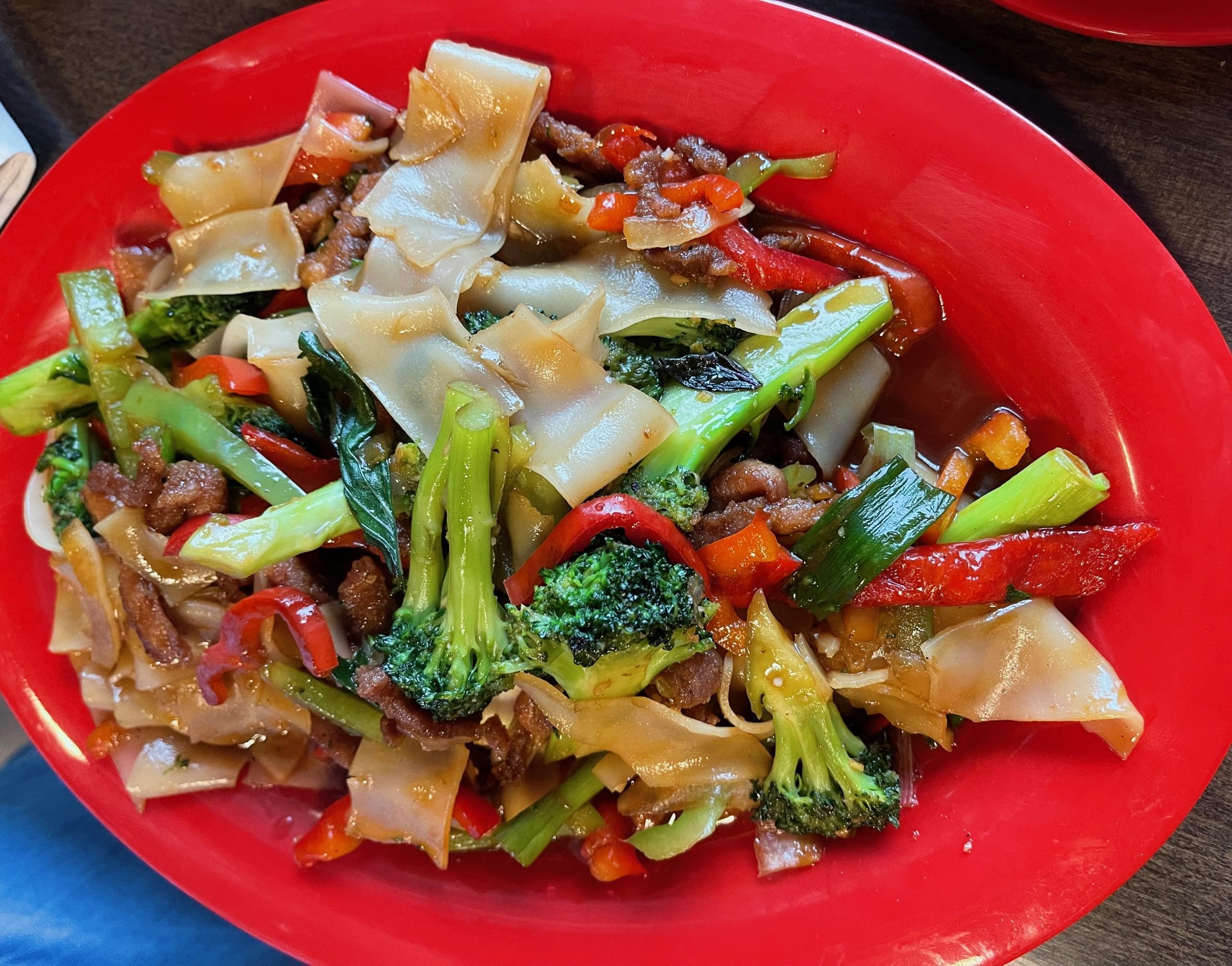
Thai Street – Albuquerque, New Mexico (CLOSED)

By chronological standards, Thai cuisine–especially as we know it today–is relatively new to the world culinary stage.  Culinary historians believe Thai cuisine may be as young as 1,400 years, coinciding with a mass migration of people from regions of China.  These settlers dined mostly on seafood, herbs and plants prepared mostly by stewing, baking and grilling (over time, stir-frying and deep-frying also became popular).  Large domestic animals such as water buffalo and oxen were too valuable to slaughter for food.  As such, meat was used very sparingly though considering the settlers’ propensity for seasoning, a small amount of meat went a long way.   While Chinese–particularly Szechuan–dietary practices were the most significant early influences, the introduction of other ingredients and culinary techniques began to define the Thai food with which we are familiar today. Foremost were curries from the exotic subcontinent of India which people infused with coconut.  After the European discovery of the American continents, Portuguese mariners brought chili spices to the region.  These were the forerunner of the incendiary dishes which give Thai cuisine their popularity and explosions of flavor.  Understandably, regional preferences were developed with five or so distinct regional styles of cooking defined.  Variations resultant from…

Bamboo by Kulantro – Albuquerque, New Mexico

Hawaiian pizza, black licorice, blue cheese, anchovies, candy corn, cilantro…these are among the pantheon of foods Readers Digest says everyone either loves or hates. And by “everyone,” Readers Digest includes such culinary glitterati as Julia Child who expressed her loathing for for cilantro in a 2002 interview with Larry King.   The towering chef  proclaimed she detested cilantro, saying it has a “dead taste” to her.  Food Network personality Ina Gartner is even more blatant:  “I just hate it,” she related in a Munchie’s podcast.  “To me, it’s so strong and it actually tastes like soap to me, but it’s so strong it overpowers every other flavor.” Why then do some people have such a profound cattiness toward cilantro? According to a genetic survey by researchers at Cornell University, there’s a very specific gene that makes some people strongly dislike the taste of cilantro. Scientists surveyed nearly 30,000 people before singling out the offending gene as the OR6A2 gene. According to Kitchn, this gene “codes for the receptor that picks up the scent of aldehyde chemicals” — these chemicals are found in cilantro and soap. Is it any wonder so many people anecdotally say cilantro tastes like soap? If you’re…