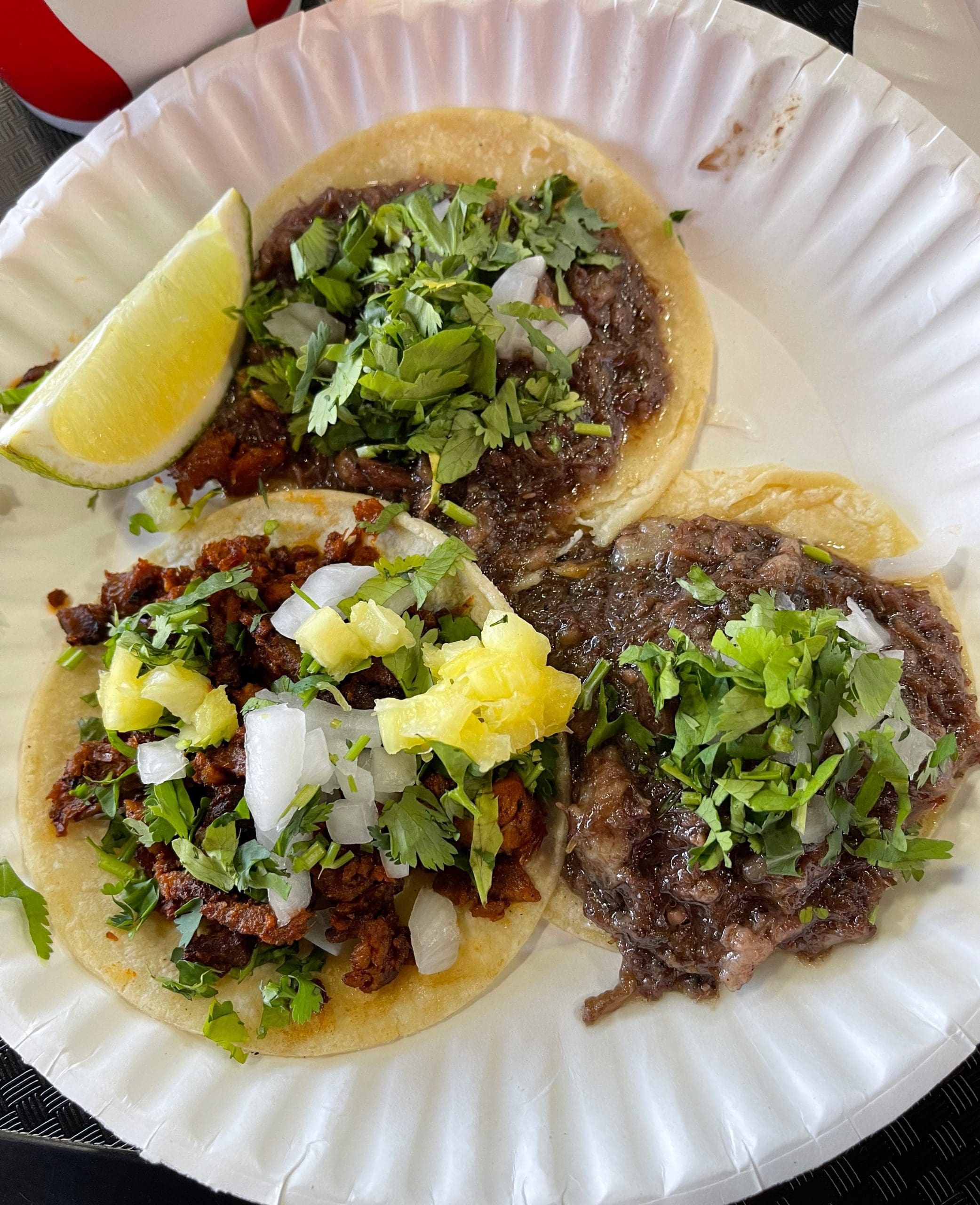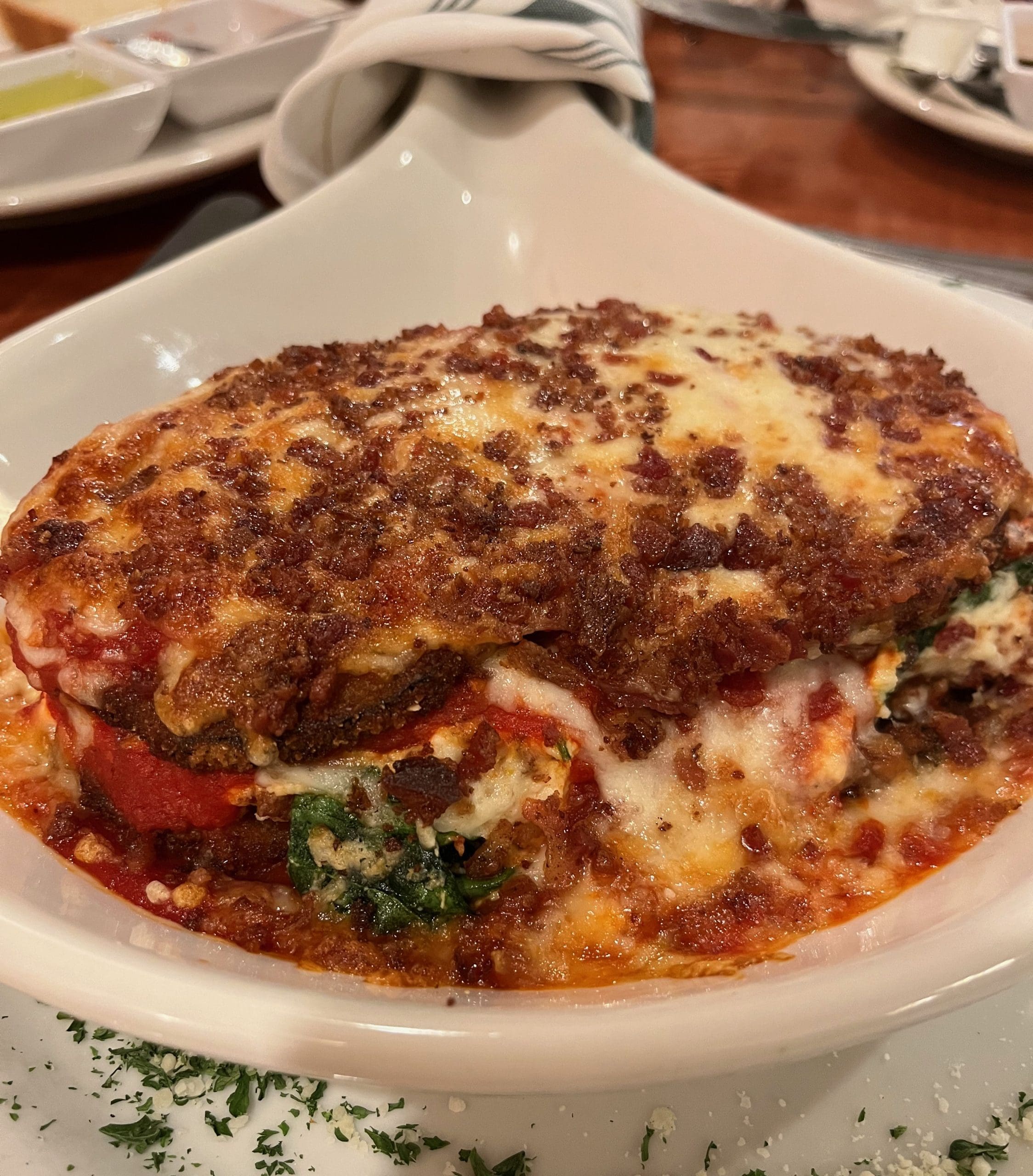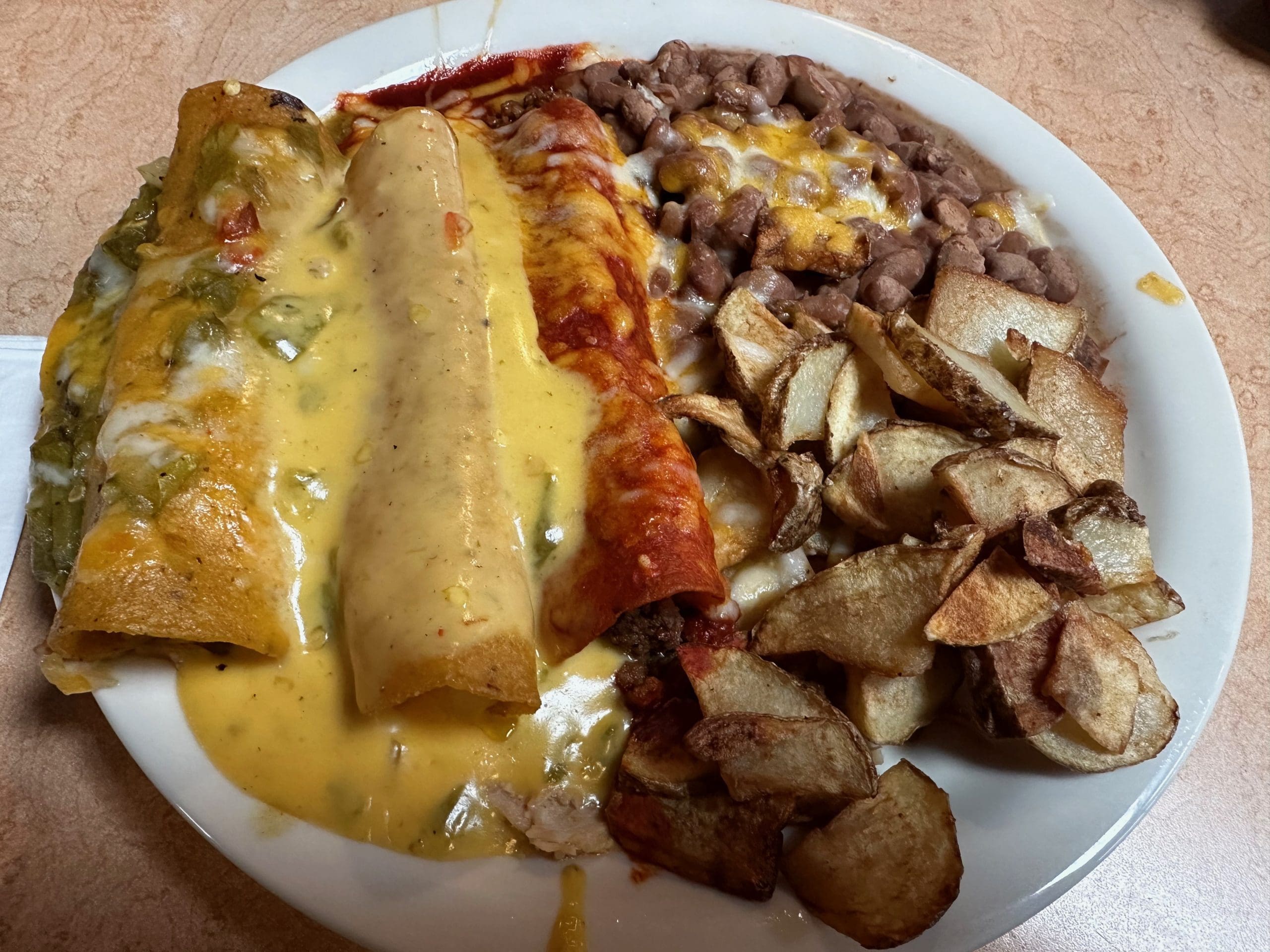
Hot Tamales – Rio Rancho, New Mexico

While the word tamale is most certainly Spanish, its derivation is from the Nahuatl word tamalli.  Tamallis were developed as a portable ration carried by war parties in pre-Columbian North America and were as common and varied as the sandwich is today.  One commonality among tamalli then and tamales today, is the corn meal dough (masa) which is made through a process called “nixtamalization.”  In pre-Colombian times, the process involved using wood ashes to soften field corn for easier grinding.  Today this is done by slaking lime.  Interestingly, nixtamalization not only softens field corn, it aids in digestibility and increases the nutrients absorbed by the human body. Though the fundamental component of the tamale remains masa, fillings for this delicious snack or entree are almost as diverse as the imagination, ranging from sweet (pineapple, coconut, pecans, bananas, chocolate and more) to savory and everything in between.  There are also tremendous variations in the wrapper which envelops the filling.  Dried corn husks are probably the most common, but the descendants of the Meso Americans also use fresh corn husks, banana leaves and the membrane from some agave plants. In New Mexico, we like to think of tamales as being part of…

Slate Street Billiards Bar & Grille – Rio Rancho, New Mexico

Discovering a bubbling crude…Texas tea, black gold, oil that is, transformed Jed Clampett from poor mountaineer who barely kept his family fed to a millionaire residing in a Beverly (Hills that is, swimming pools, movie stars) mansion.  Moving from a tiny ramshackle hovel to a luxurious and palatial dwelling brought with it one surprise after another for Jed and his family.  Among them was “a good strong eatin’ table” upon which “you could serve up a whole barbecued steer.”  Jed’s nephew Jethro who graduated at the top of his glass…”by a good foot” found out from a friend that the room in which the fancy eatin’ table was centered was called a “billy-yard room.”  Ergo, the table was a “billy-yard table.” The billy-yard table was named for a large “awful plain lookin‘” “rascal” (a rhinoceros) mounted on the wall.  “Judging from the size of his head, he must have been monstrous big” Uncle Jed observed, “I reckon that’s why they had to build a extra strong table.”  That fancy eatin’ table was featured in several episodes of the Beverly Hills, a hilarious comedy about a backwoods family from the hills of the Ozarks, who move to posh Beverly Hills, California, after…

Lily & Liam Bistro – Rio Rancho, New Mexico

Family owned restaurants have been called the heartbeat of a community, its pulse and its roots.  Beyond the tintinnabulation of silver spoons on ceramic coffee mugs and over the hum of conversation, restaurants become living links to the past and storehouses of memories.  They’re are a respite from the strife and stress of our daily vicissitudes.  They help us unwind, relax and catch up with friends and family.  In a sense, these beacons of comfort and repose often become family. Not all restaurants achieve this distinction, of course, and if they do, it usually doesn’t happen quickly.  Restaurants have to prove themselves over time with a combination of memorable food, a homey look and feel and mostly personable, attentive service.  To find the template for how a restaurant becomes the heartbeat of a community, you need look no further than Joe’s Pasta House, a paragon of service excellence and culinary deliciousness where all guests are treated like family. It may be early to know for sure, but it appears Lily and Liam Bistro in Rio Rancho has the potential to become a community heartbeat restaurant.  It’s been open only since November, 2019, but already there are telltale signs that it’s…

Poké Serrano Asian-Latin Fusion – Rio Rancho, New Mexico (CLOSED)

Ask most people what comes to mind when they think about Hawaiian food and the likely answer is Spam®.  No matter how much the Aloha State’s tourism department does to showcase the state’s diverse and exciting culinary culture, the stereotype that Hawaiians eat Spam® for breakfast, lunch, dinner and snacks in between meals is engrained in many of us.  Because Hawaiians do consume seven-million cans of  Spam® per year (with a population of 1.42 million residents in the Islands), it begs the question “Is it really a stereotype if facts bear out the fact that Spam® is so immensely popular in Hawaii.” Not everyone who spends time on the sandy beaches is as svelte as portrayed by media.  Widespread obesity plagues the Islands.  Some of that may be attributable to the quintessential canned ham product proudly made in Minnesota, a processed food  replete with salt and other “bad for you” things. Spam® became a vital part of the Hawaiian diet during World War II when rationing was a fat of life for its citizenry.  Hawiians figured out how to incorporate Spam® into their diet and figured out it’s a pretty versatile product.  Note: If you’re from Northern New Mexico and…

No Te Rajes – Rio Rancho, New Mexico

As the eldest of six, I had the wonderful blessing of having spent more time with our dad than my siblings did.  Dad was the embodiment of the term “gentle man,” a patient mentor and nurturing exemplar of how to be a father and friend.  During our many outings, dad always had the radio tuned to KDCE, “The Station That’s All Heart” out of Espanola.  KDCE played the New Mexican and Mexican songs dad grew up with and loved.  Among his favorites (frequently on KDCE’s repertoire) was Ay Jalisco No Te Rajes by Jorge Negrete. It became one of my favorites, too. The song title made absolutely no sense to me because the term “rajes” comes from the verb “rajarse” which means to “crack” or “split.”  Dad explained that colloquially, “no te rajes” means “don’t back out” or “don’t chicken out.”  He assured me the song was basically a love song to the Mexican state of Jalisco.  He also told me it was the theme song to the 1941 Mexican movie of the same name, based on a novel by the same name.  If you think I’m a wealth of information, you should have met my dad, one of the…

Turquoise Desert – Rio Rancho, New Mexico

A 2016 online survey conducted by Statista asked 719 adult respondents “What is the maximum length of time that you would drive to a place to eat?” More than half (51-percent) of the respondents indicated they would travel 16 to 30 minutes to a restaurant. The limit for another 26-percent was 30 minutes to an hour.  Only five percent said they would travel more than one-hour.  Even the most prolific driving diners don’t have anything on David Schuler of Mississippi.  To sate his cravings for his favorite pizza in Massachusetts, Mr. Schuler drove over 1,400 miles and through 16 states.  Even that distance pales in comparison to humpback whales who travel as much as five thousand miles to get their fix of plankton, shrimp and salmon. Now you know what my argument will be next time my Kim complains about my “end-of-the-Earth” drives to visit a restaurant we haven’t previously visited.  Her counter-argument usually involves “all the great restaurants within a couple miles” of our Rio Rancho home.  She obviously doesn’t enjoy drives of great distance as much as our debonair dachshund The Dude and his dad do.  On a lazy August Sunday morning I surprised her by taking her…

Saigon 2 Restaurant – Rio Rancho, New Mexico

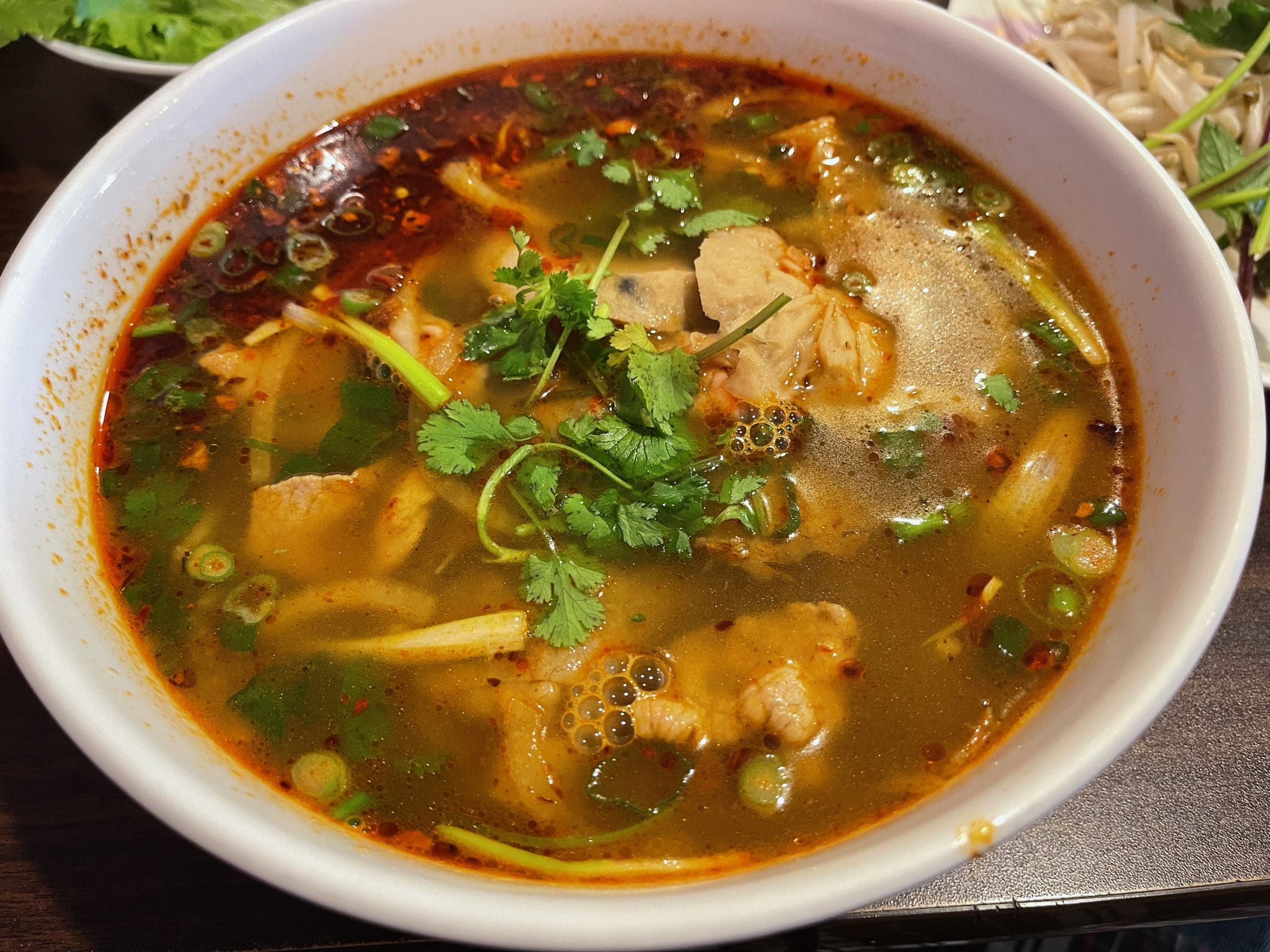
In Chinese and Vietnamese cultures, numerology is very important. If you’ve traveled extensively, you may have wondered why the term “Pho” followed by a number is so commonplace. Often these numbers are considered lucky–and not necessarily across an entire culture. A number may be lucky on a personal level, perhaps marking a date that’s special to the restaurant owner. Espy a restaurant named Pho 66and the number 66 may well represent the year the owner fled Vietnam during the war. Restaurants named Pho 75 may well be honoring 1975, the year Saigon fell. Numerical repetition is also considered fortuitous. The City of Vision certainly counts the number eleven as a lucky number. November 11th, 2011 at precisely 11 o’clock AM (11/11/11 at 11AM) saw the launch of Rio Rancho’s third Vietnamese restaurant when Saigon 2 Restaurant opened its doors on Southern Boulevard. The restaurant is situated in an 1,800 square foot space that’s about a thousand feet smaller than Saigon Restaurant, its elder sibling on San Mateo. Because the Rio Rancho restaurant is smaller, the menu is somewhat abbreviated–115 items instead of 145 items. Fish dishes are not be served in Saigon 2, but for the most part, the dishes…

Jerusalem – Taste of the Holy Land – Rio Rancho, New Mexico (CLOSED)

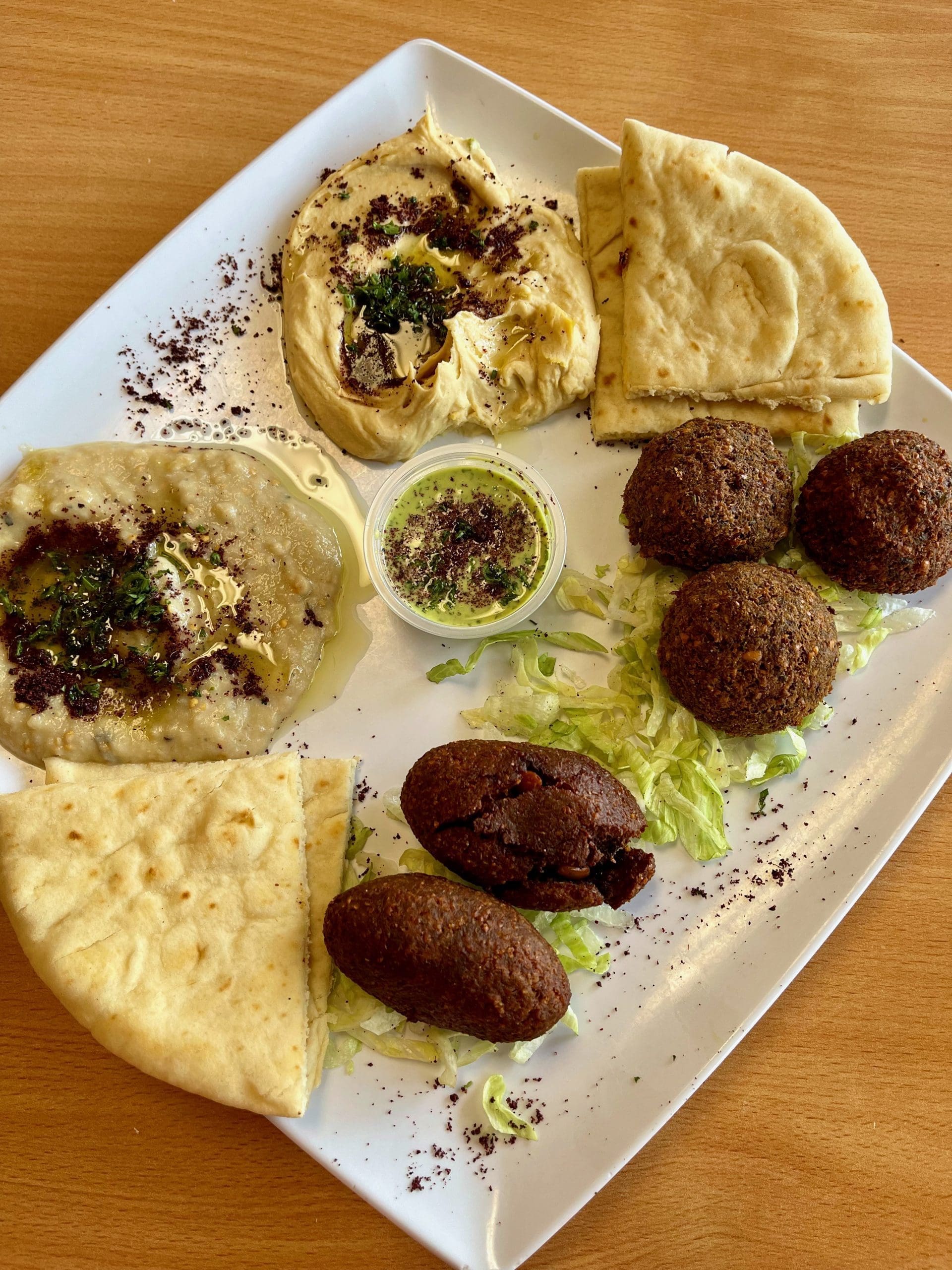
Judaism, Christianity, and Islam are inextricably tied to the ancient city of Jerusalem, the epicenter of sacred sites both unique and common to all three religions.  One of the oldest cities in the world as well as Israel’s capital city, Jerusalem has a prominent role in both the Old and New Testament.  According to Bible Study Tools, “the name “Jerusalem” occurs 806 times in the Bible, 660 times in the Old Testament and 146 times in the New Testament; additional references to the city occur as synonyms.” Surprisingly, Jerusalem is not directly mentioned by name in the Qur’an, even in its Arabic translation of Al Quds. As a lifelong Catholic (with the bad knees to show for it), the significance of Jerusalem was imprinted in my mind at an early age.  Catechism and Mass readings regaled us with stories of Jesus at the temple in Jerusalem as a precocious child listening, asking questions, and amazing Jewish teachers with his understanding.  We learned that Jerusalem was where a thirty-year-old Jesus was baptized by John, signaling the start of His ministry on Earth.  Jerusalem plays a prominent role throughout the life of Jesus, even onto His crucifixion at a knoll on the…

The Local Brewhouse – Rio Rancho, New Mexico (CLOSED)

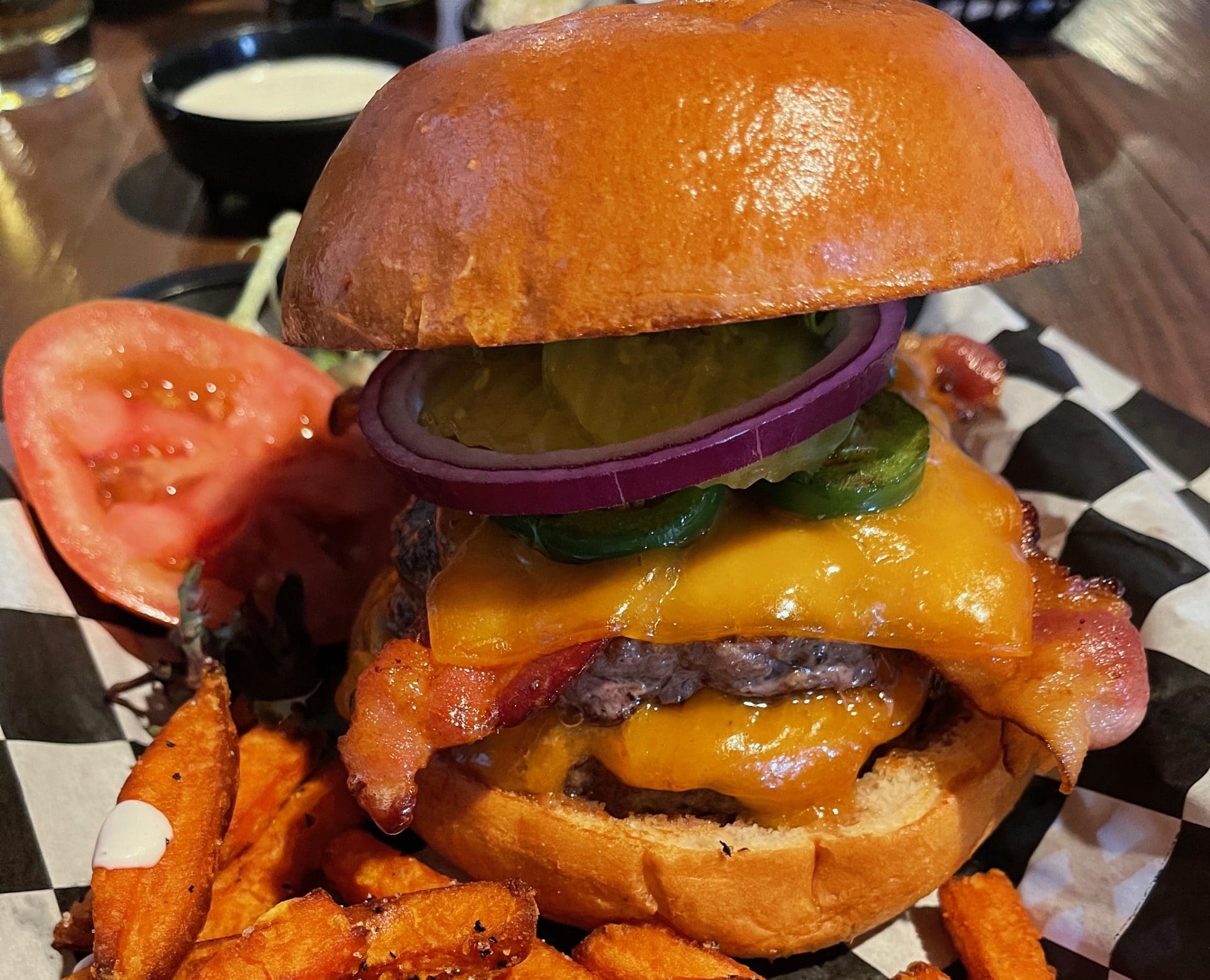
Before reading any further, the biggest take-away from this review is that the Local Brewhouse serves the best burger in Rio Rancho.  That’s not only what the marquee says.  It’s what City of Vision diners know.  My Kim and I, too.   “Service is horrible”  “The management has to train there employees.”  “Worst service ever! I can’t stress on how bad the service was.”  “Nice views. Lousy service and rude staff.”  “Service sucks. Waited 20mins between beers.”   Those are one-star reviews on Yelp for The Local Brewhouse in Rio Rancho.  At the extreme opposite are five star reviews extolling the service some Yelp reviewers found unacceptable: “Shout out to Rhiannon, our server for friendly, prompt, and efficient service.”  “Had a big gathering and they could not have been more accommodating! Super friendly.”  “The service is the best in the state.”  “5 stars all the way. Great service. Great food. Great beer.” For better or worse, many of us–90% according to Infographics read online reviews before visiting a business and 88% of us trust  those online reviews.  Our quandary as consumers is learning to filter the outliers–the reviewers who accord one-star ratings on Yelp and TripAdvisor for the very same things…

Tap N Taco – Rio Rancho, New Mexico

Imagine Marty McPlata, a 17 year old Rio Rancho High School student who gets transported back in time seven years to 2015. With the help of his mad scientist friend Bill Resnikoff, he makes his way back to the future to the year from which he left–2022.  Significant changes and burgeoning growth have transpired in the City of Vision since he left.  Among one of the improvements by subtraction is the absence of one of the city’s three Burger King restaurants, a multi-national chain he drove past only because it was on the way to Corrales. Marty smiled at the thought that Burger King’s incredibly creepy, big-headed mascot may finally driven away all of the “home of the Whopper’s” customers.  That realization hit Burger King CFO Josh Kobza in 2011: “We got rid of the creepy king character that tended to scare away women and children.”  Gone, Marty thought, are the gold and red colors of Burger King’s logo, ironically the same colors used by McDonald’s.  Gone, too, is the empty parking lot.  On some days only the drive-up window seemed to have customers. While the iconic, standardized shape of the familiar Burger King restaurant remains, the building is now…

JOE’S PASTA HOUSE – Rio Rancho, New Mexico

Once a year, despite my protestations and whining, I agree to take my Kim to the Olive Garden. It’s a deal we have, albeit one that makes me feel like Faust in the Christopher Marlowe play. Faust, for the non-English majors among you, was a scholar who sells his soul to the devil in exchange for unlimited knowledge and worldly pleasures. In my case, the deal is a visit to Olive Garden once a year in exchange for all the strange and exotic restaurants I want to visit the rest of the year. I sure got the rotten end of that deal. On a list of things I’d rather do, my annual visit to the Olive Garden for a meal of cheese glop or tomato torture ranks somewhere below visiting a proctologist or watching The View. Kim likes the salad and bread sticks and I suspect derives a bit of sadistic satisfaction in hearing me mutter polysyllabic epithets about the “Evil Garden’s” food. The cultural anthropologist in me finds it both amusing and tragic that teeming masses congregate for pathetic pasta, mediocre marinara and boring bread sticks. It makes me long for a visit to Joe’s Pasta house in Rio…