LOTUS OF SIAM – Las Vegas, Nevada

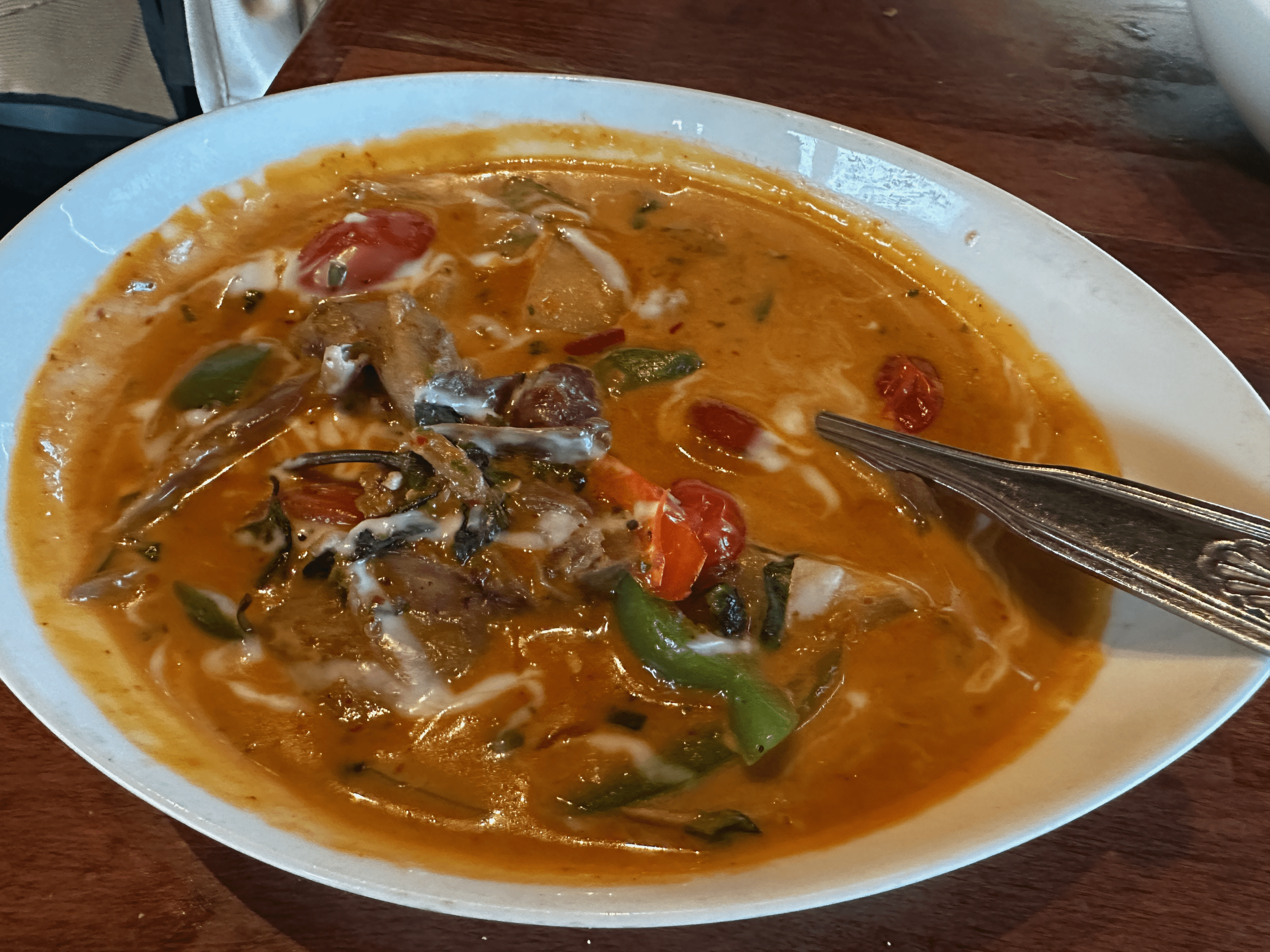
In the August, 2000 issue of Gourmet Magazine, Jonathan Gold,  the only food critic to ever earn a Pulitzer Prize, called the Lotus of Siam restaurant in Las Vegas, Nevada “the single best Thai restaurant in North America.”  Not a disparaging word was heard or a dissenting opinion offered among the cognoscenti save for those who argued that the word “Thai” should be removed from from Gold’s audacious proclamation.  Lotus of Siam is THAT good! In the decade plus since Gold’s assertion, every reputable critic from every credible publication has jumped on the bandwagon, essentially echoing or adding to to the validation of the greatness that is the Lotus of Siam.  The superlatives are similar on every review you’ll read…

PIOCHE FOOD GROUP – Fruitland, New Mexico

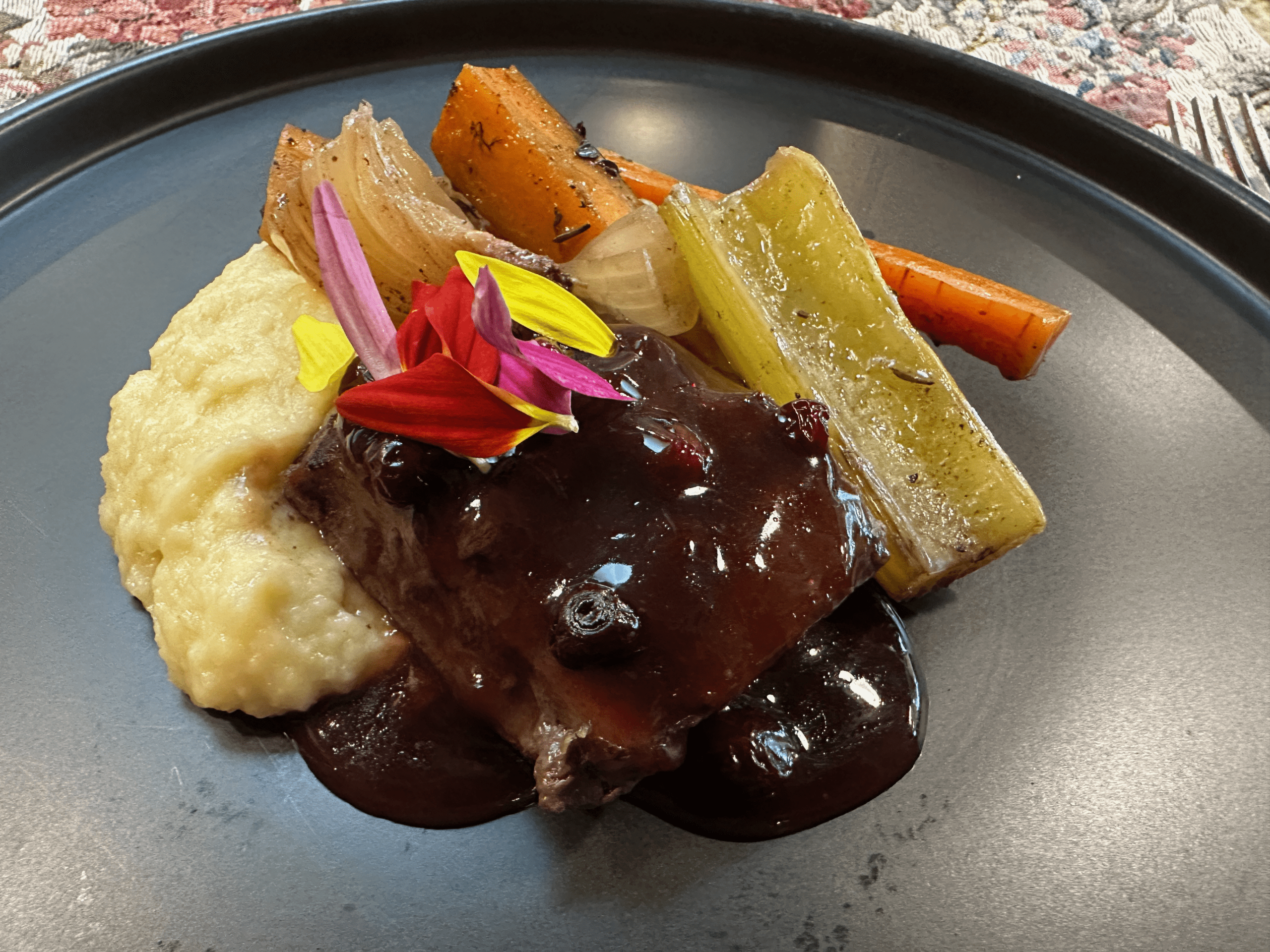
As my friend and retired restaurateur Tom Hamilton and I watched the Pioche family prepare a meal for some twelve guests, we both marveled at the quiet efficiency of the kitchen.  A veteran of decades leading highly-regarded kitchens, Tom related that most kitchens are a loud and frenetic hive of activity amped up to high volume.  Communication among kitchen staff is an absolute must to ensure synchronicity, especially when multiple courses are being prepared.  Instead of the characteristic chaotic din of most restaurant kitchens, the Pioche family worked in harmony, focusing on the quiet, efficient, and harmonious execution of the multitudinous tasks involved in the preparation of  a nine-course meal. It probably shouldn’t have surprised us so much that the…

MARY & TITO’S CAFE – Albuquerque, New Mexico

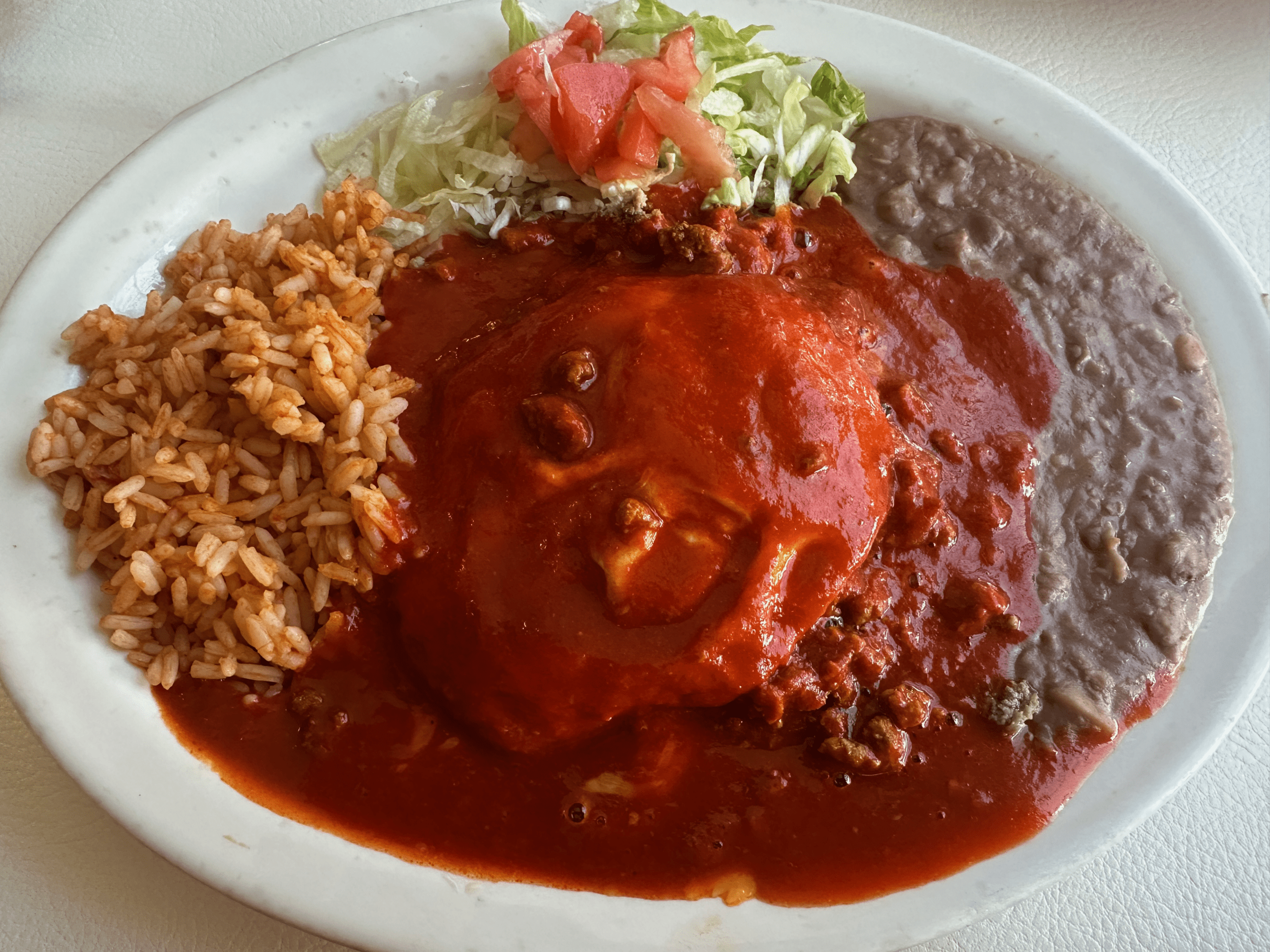
Old-timers whose opinions I respect consistently rate Mary & Tito’s as Albuquerque’s best restaurant for New Mexican food, a restaurant that has been pleasing the most savvy and indoctrinated palates alike since 1963. It takes a lot to impress some of those old-timers, none of whom see much substance in the flash and panache of the nouveau restaurants and their pristine veneer and effusive, over-the-top flamboyance. These guys and gals are impressed only by New Mexican food the way their abuelitas prepared it–unadorned, authentic and absolutely wonderful. If you want to evoke their ire, take them to one of the chains. Worse, try sneaking some cumin into their chile. Just how good is Mary & Tito’s? In a span of…

ALKEME AT OPEN KITCHEN – Santa Fe, New Mexico

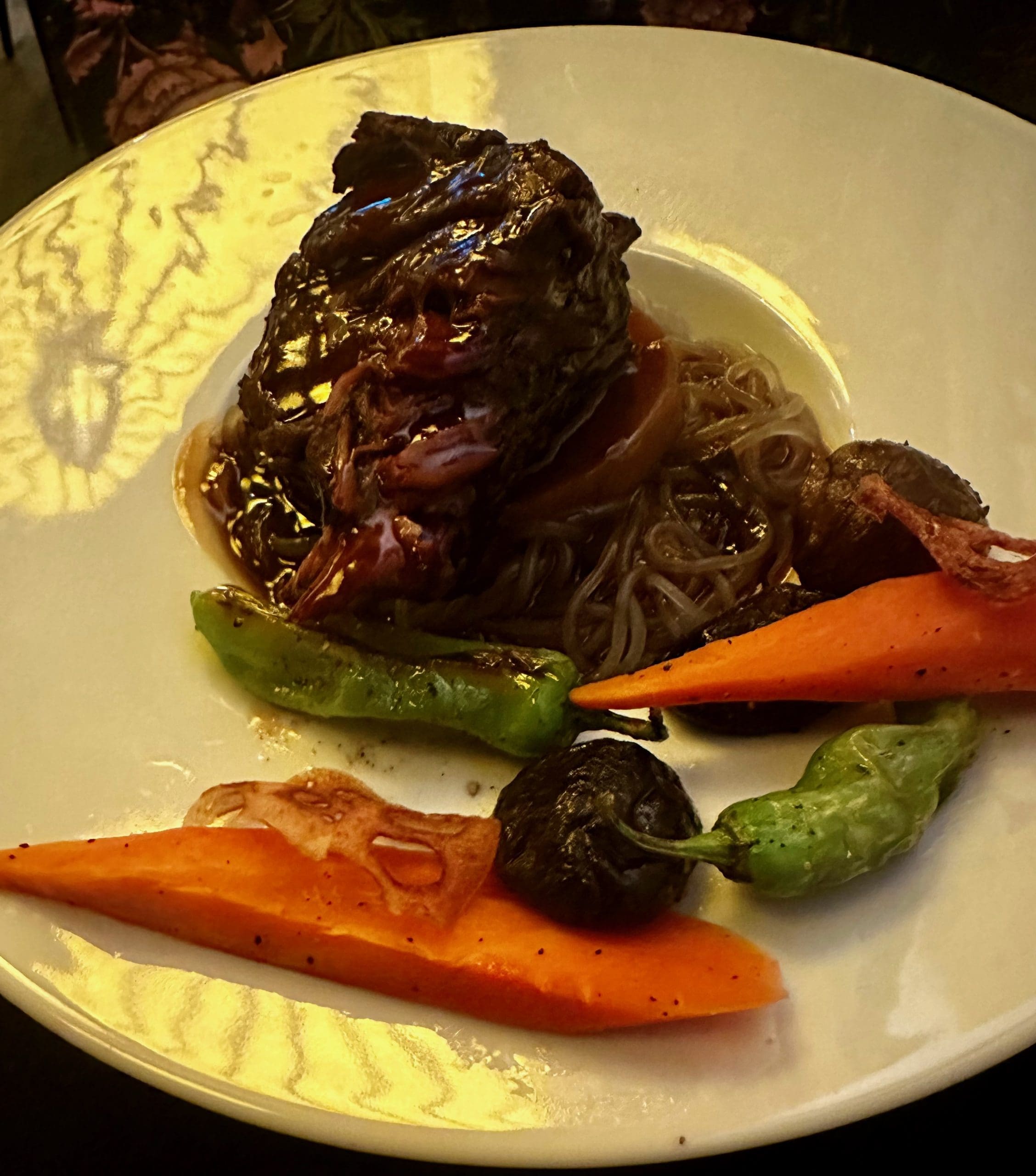
“And the selfsame well from which your laughter rises was oftentimes filled with your tears. And how else can it be? The deeper that sorrow carves into your being, the more joy you can contain.” ~Khalil Gibran, The Prophet Very few of us can identify with the profundity of Khalil Gibran’s immortal poem “On Joy and Sorrow”  as well as Hue-Chan Karels, owner of the Santa Fe restaurant that is reimagining Asian cuisine.   Outwardly the beautiful entrepreneur is as buoyant and joyful as can be.  In fact, what might be her restaurant’s “mission statement” reflects that joy:   “We are joy makers who believe in the magic of culinary experiences.  Our passion is to create and curate inspired, original,…

EPAZOTE ON THE HILLSIDE – Santa Fe, New Mexico (CLOSED)

Epazote. That’s a word that can make an intrepid chef’s toque blanche resemble the white flag of surrender. If you’re a culinary savant and haven’t heard of epazote, it’s probably because the chefs at restaurants you frequent might just be afraid to use it. Would you want to use an ingredient also known as “skunkweed” and “wormseed”…a word derived from a Nahuatl term for an animal with a rank odor…an ingredient perhaps best known for reducing the after-effects of eating beans? When Chef Fernando Olea chose to name his fabulous new world restaurant Epazote, it signaled a bold departure from the stereotype too many diners have of Mexican restaurants. In the Chef’s inimitably gentle manner, he was declaring his passion…

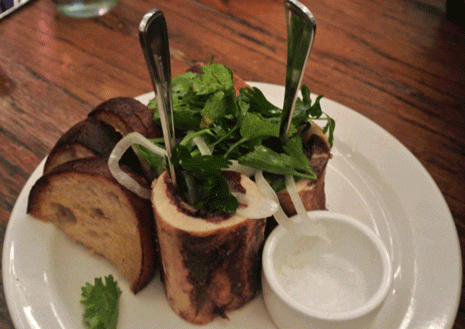
The Purple Pig – Chicago, Illinois

Poet Carl Sandburg bestowed the nickname “hog butcher for the world” upon the great city of Chicago at a time when the city was the epicenter for meatpacking in the United States. Companies such as Oscar Mayer, Swift and Armour operated large plants in the city, employing hundreds of residents. Unfortunately, Chicago’s streets became frequently overcrowded with pigs and cattle being herded through the streets to the plants. Ultimately the largest companies banded together in 1865 to build the Union Stock Yards next to the railroad tracks. Henceforth animals were ferried to the plants by train instead of through city streets. The 1970 closure of the Union Stockyards brought an end to the time when Chicago was nicknamed the “hog…