Los 6 Hermanos – Bernalillo, New Mexico

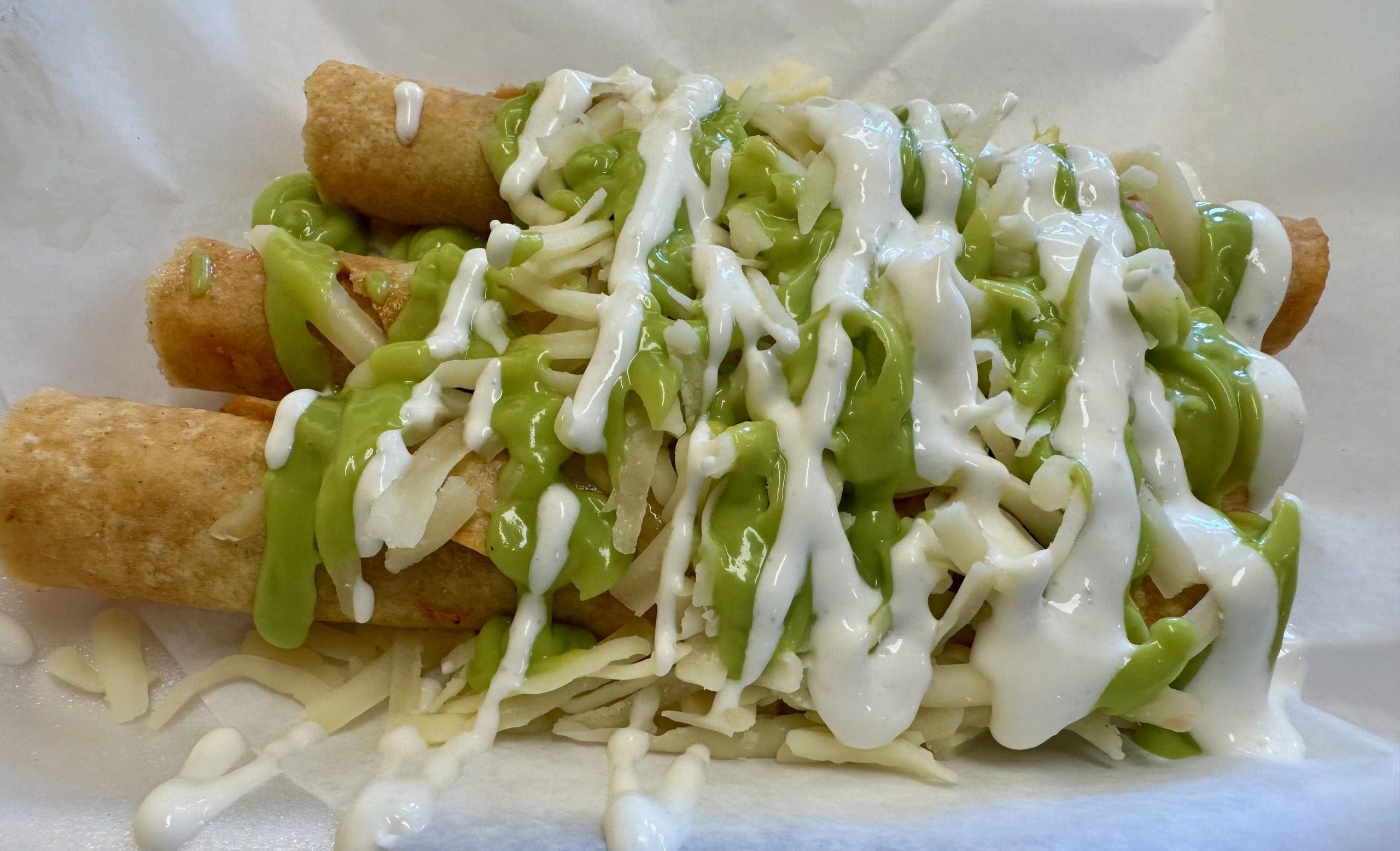
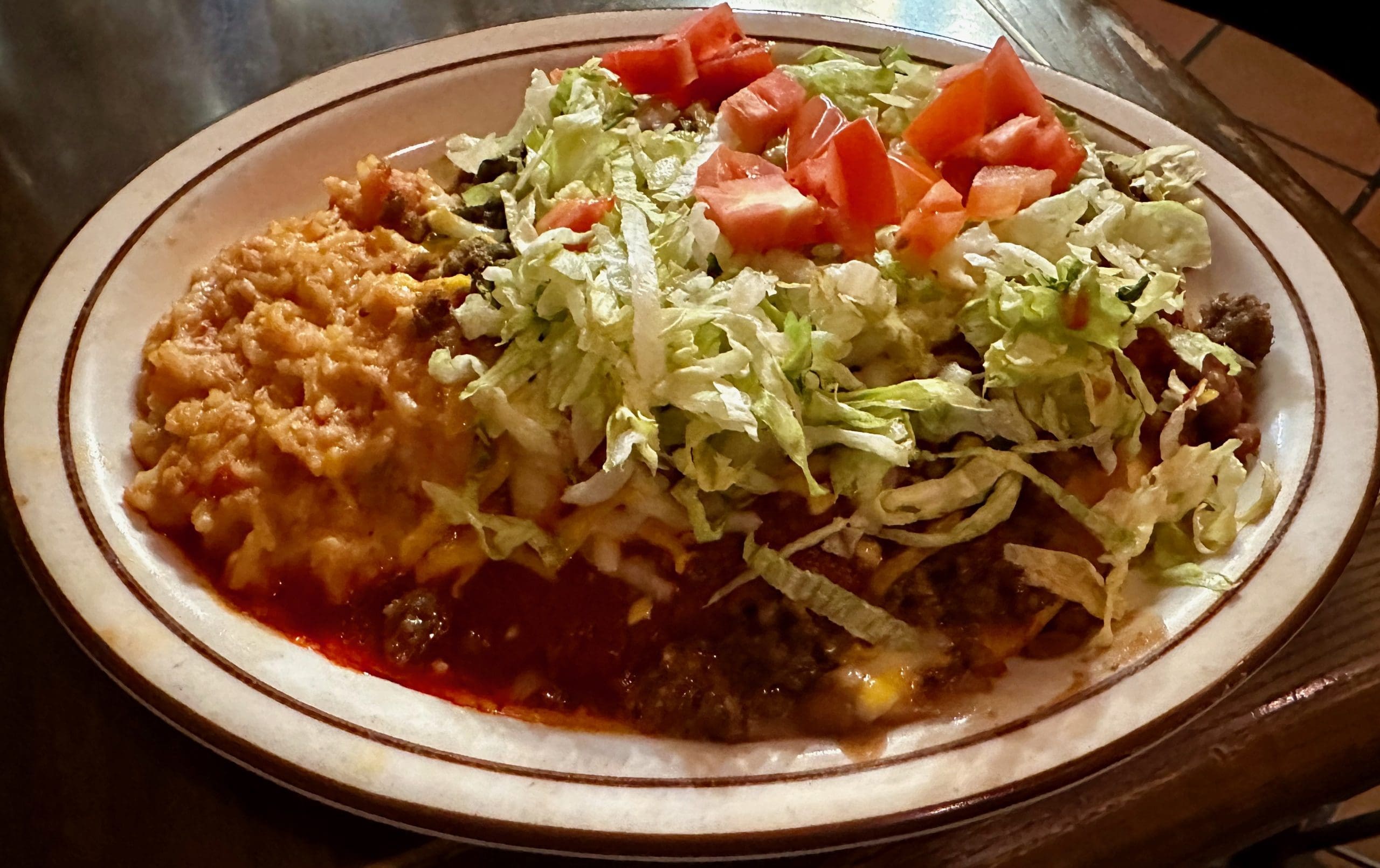
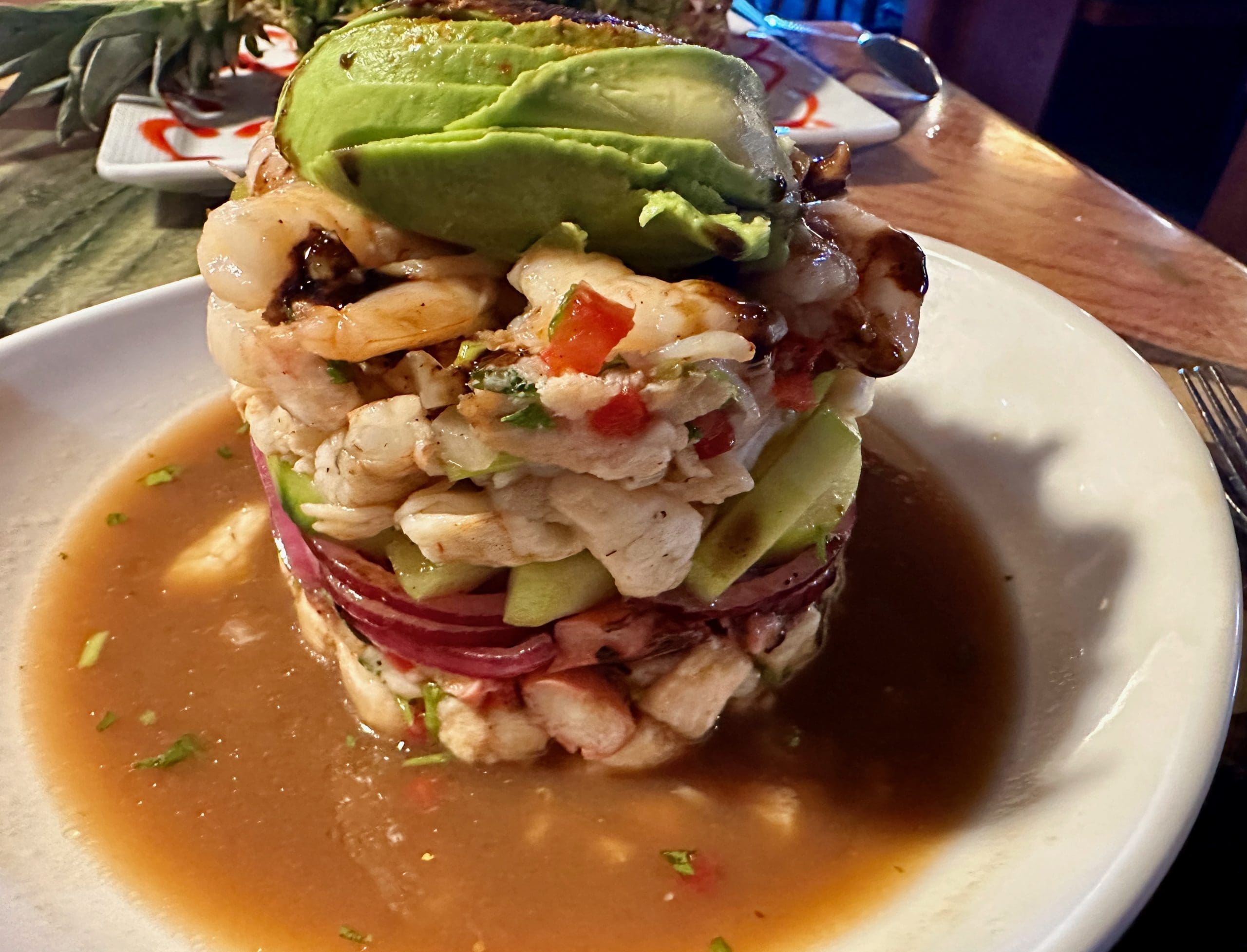
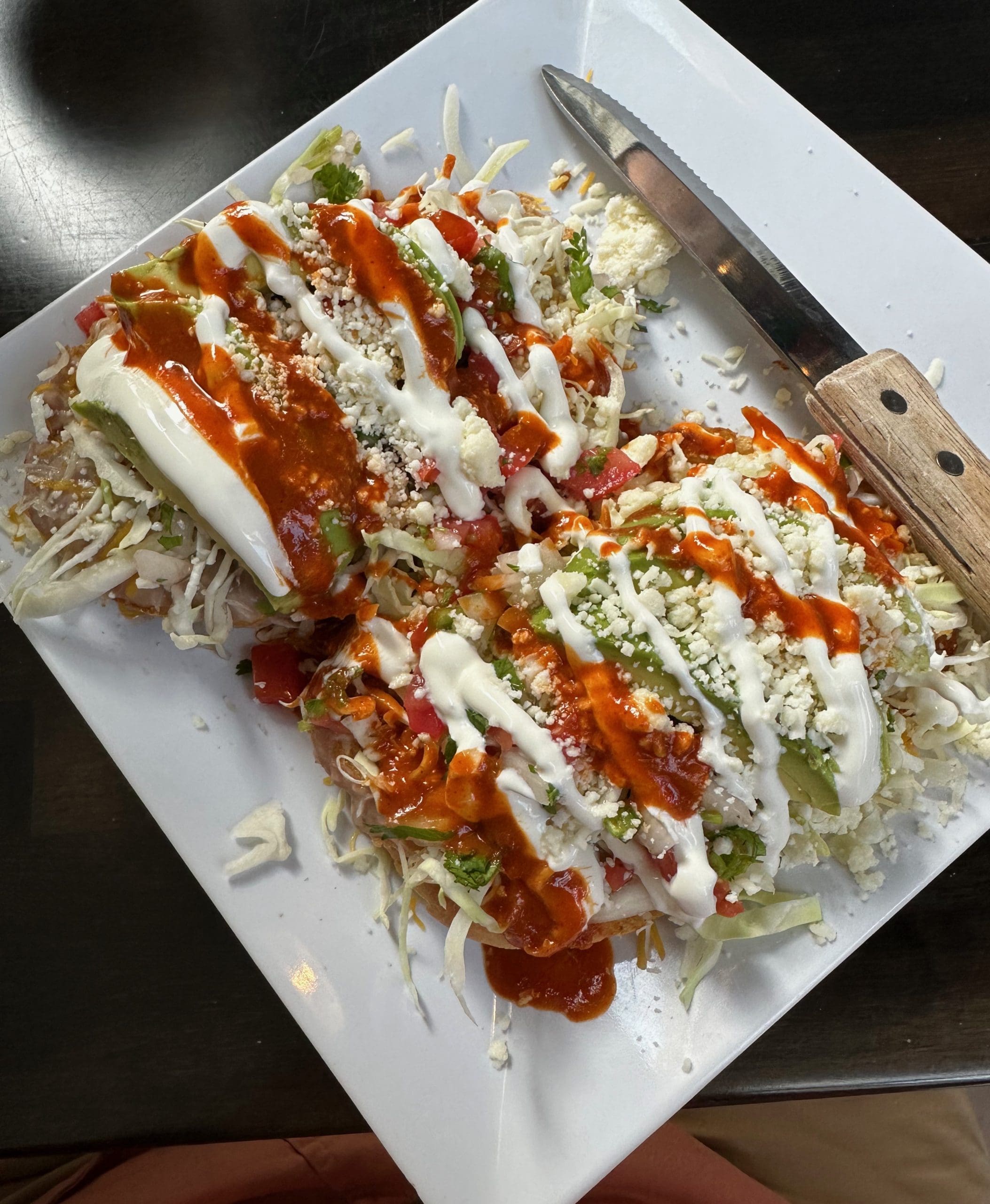
Once upon a time (how many of you remember when seemingly all ancient fables and stories began with these four words?) there was a family of six Chinese brothers, each with a unique and amazing power. One of the brothers committed an infraction against Chinese law and was sentenced to death by the emperor. By asking for one last night at home the brothers were able to take each others place and thwart the king’s executioner’s attempt to kill them.  Eventually the executioner ran out of ways to run the execution and had to call it off. There are no cuentos or corridos, sagas or stories in Mexico involving six siblings imbued with exceptional abilities.  In fact, just about the most remarkable fact about “seis hermanos” is the number of small villages in the Land of Montezuma with that name.  On 23 February 2019, 6 Hermanos Fresh Mexican Kitchen opened its doors on Camino Del Pueblo in Bernalillo.  Not surprisingly, the restaurant is named for a family of six brothers who share ownership and cooking duties.  It’s not just another Mexican restaurant.  There are more than six reasons it’s a special place. One of the more than six reasons this…

Tucanos Brazilian Grill – Albuquerque, New Mexico

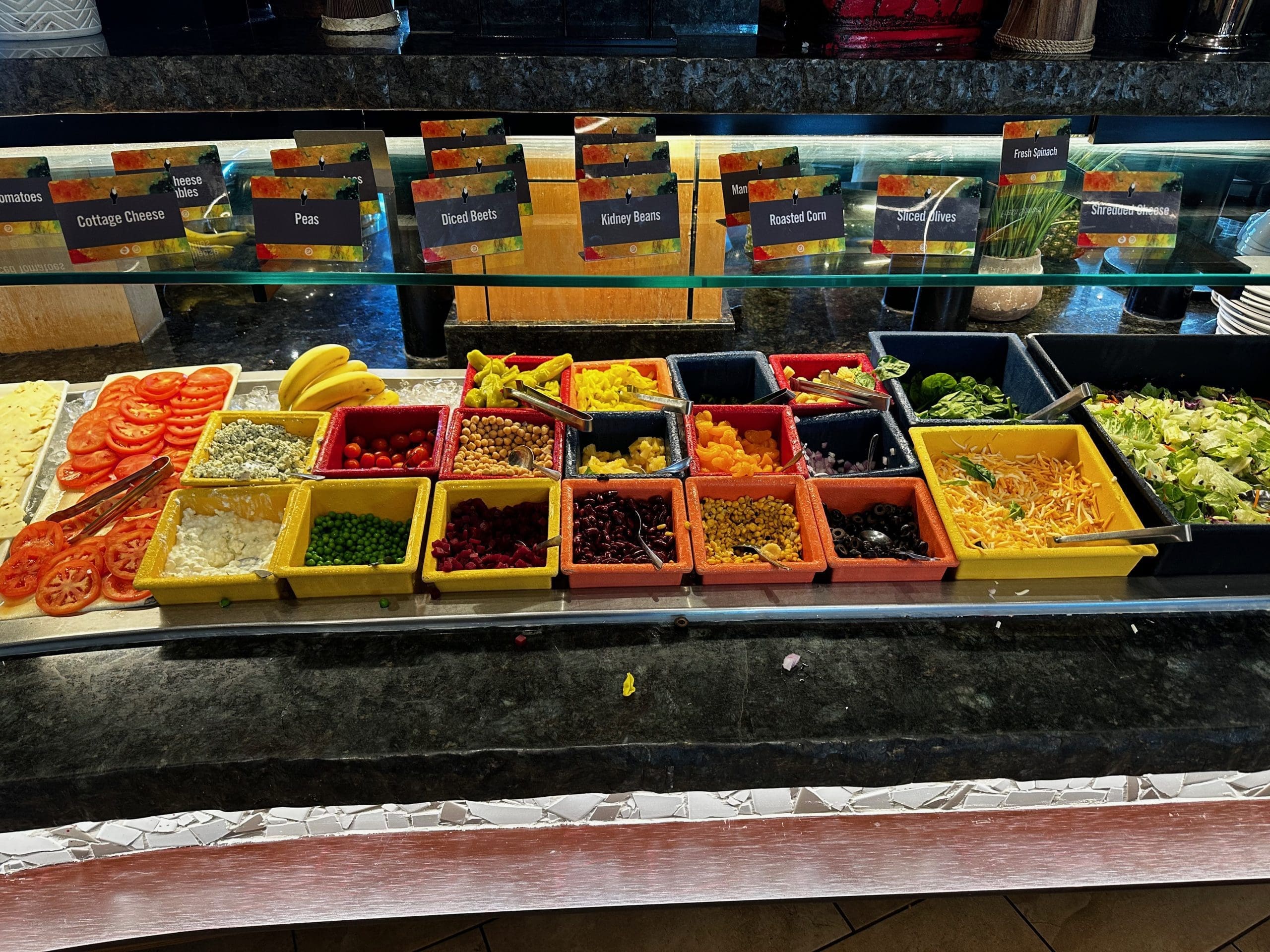
Many New Mexico born Hispanics of my generation grew up watching not only American “shoot ’em up” Westerns featuring rugged cowboys, rowdy rustlers, round-ups and home on the range, but the Mexican equivalent–movies featuring the exploits of charros, the traditional cowboys of central and northern Mexico. My friends and I could only dream about overcoming marauding Indians, desperate rustlers and flooding rivers as we drove our cattle to the stockyards in Abilene just like our white hat wearing heroes. It’s conceivable that in Brazil, cinematic exploits glamorized the equivalent to America’s cowboy–the gaucho, a South American cattle herder who tended his herds on the rich, verdant pampas. For generations the pampas is where the very best cattle herds in Brazil have been raised.  Like American cowboys, gauchos had their version of the chuckwagon of the old West in which horses pulled a mobile kitchen from which they were fed during roundups…and similar to cowboys, gauchos became adept at preparing meals over an open fire.  Gaucho rotisseries are renown for the delicious preparation of beef. The gaucho style of grilling, called churrasco (roughly the Portuguese equivalent of “barbecue”), is today celebrated from Rio de Janeiro to Albuquerque in Brazilian steakhouses called churrascarias. In…

Charlie’s Spic & Span – Las Vegas, New Mexico

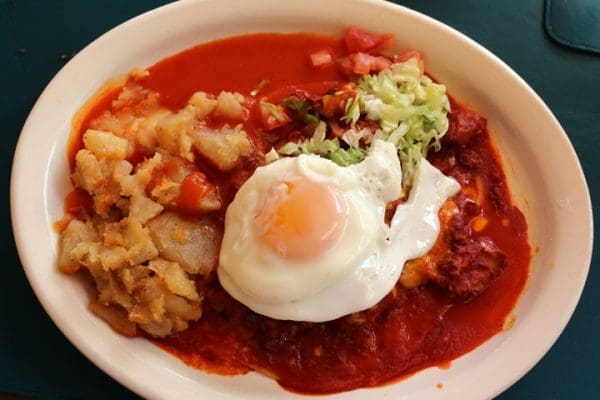
Time–and the woke movement–haven’t left Las Vegas, New Mexico behind.  It may seem that way when you hear locals–even Highlands University students–frequent usage of the term “the spic.”  They’re not using the term in a derogatory manner to refer to someone of Hispanic descent.  They’re using it as a term of endearment for Charlie’s Spic & Span, probably the most popular restaurant in Las Vegas.    Everywhere else “the spic” may be a derogatory term, but not in Las Vegas–at least when talking about Charlie’s Spic & Span, one of New Mexico’s most beloved and venerable restaurants. If you’ve never visited Charlie’s Spic & Span, you’re undoubtedly curious as to why it acquired its unusual name.  The “Charlie’s” name on the marquee is for owner Charlie Sandoval while “Spic & Span” refers to the fact that this building once housed a Laundromat.  Though Charlie is peripatetic presence at his eponymous restaurant, should he be away during your visit you could once see a chalk drawing of his countenance behind the counter (our server told us Charlie had it taken down because “he’s vain.”)  It’s just one of many intriguing points of interest in a restaurant frequented by every governor and…

El Bruno Restaurante Y Cantina – Albuquerque, New Mexico

At about 75 miles each way, Cuba, New Mexico is almost equidistant between Albuquerque and Farmington. Regardless of starting point, the drive to and from Cuba is one of the Land of Enchantment’s most spectacular. A preponderance of scenic vistas and an otherworldly, multi-hued topography make the drive a sightseer’s delight. The stratification of multi-hued earthen layers, will remind you of colorful Navajo sand paintings while hulking hoodoos (columns or pillars of bizarre shape caused by differential erosion on rocks of different hardness) will inspire awe, none more so than the nipple shaped Cabezon Peak, a dramatic 7,785 foot volcanic formation that commands the skies. I must admit that most of my enjoyment of those incomparable vistas has been on the return trip from Cuba. For some reason, I always seem to be in a hurry to get there with a single-mindedness of purpose only a seeker with a yen to be sated can truly understand. In my quest to fulfill that longing, I’ve even resorted to corrupting the innocent, once convincing my friend Sandy that her new Prius could reach speeds of over 100 miles-per-hour on the long, straight stretches of U.S. Highway 550. So what would drive two…

El Molcajeton – Albuquerque, New Mexico

Molcajetes have become so commonplace on many a Mexican restaurant’s decor that we sometimes forget molcajetes are the traditional Mexican version of the mortar and pestle…that they have both form and function.  As we gawk in admiration at the symmetry and fine craftsmanship of a well-made molcajete, we don’t always reflect on the fact that throughout Mexico and some parts of the Estados Unidos molcajetes are still used to crush and grind spices and to prepare guacamole, moles and salsas.  In restaurants and homes in which molcajetes are used for their intended functional purpose, the guacamole, moles and salsas created within them are said to taste better, much better. As James Beard Award-Winning Writer and Chef Patti Jinich says “A wonderful thing about molcajetes, is that since they are so porous they have a remarkable memory. They store within them, the essences, oils, smells and flavors of all that has been served or made in them. Maybe that’s why it is said that molcajetes season with time and use. Maybe that’s also why it is said that making a sauce or rub or paste in a molcajete makes it taste better.”  Patti’s theory has credibility.  The rough surface of molcajetes…

Foodtopia – Albuquerque, New Mexico

When a restaurant with the curious name “Foodtopia” surfaced in 2022, long-suffering readers of Gil’s Thrilling… probably realized an etymology lesson would soon be in order.   If the suffix “topia” intrigued you as much as it did your grandiloquent blogger, hang on.  First, a review of what we all know.  Utopia is “a seemingly perfect society, one without flaws, where everyone is content and conflict and strife are unknown.”  One example of a Utopian society is the movie Zootopia in which animals live in harmony and lions sing kumbaya with antelope.  More common than movies about Utopian societies are movies and literature about dystopia, “societies that are either extremely chaotic or extremely authoritative, a hellish place where most people suffer.”  No, it’s not your place of employment, but rather something like Planet of the Apes or George Orwell’s 1984. The common element in these two opposite societal types is the suffix “topia,”  a Greek word meaning “a place with specified characteristics.”  An imaginary society with both good (Utopian) and bad (Dystopian) features might be called a “mixtopia.” Some posit an imaginary place where everything (especially the government) is as bad as it can be.  Fittingly, the term for this…

Burger Boy – Cedar Crest, New Mexico

The vividly hued threads that comprise a beautiful community tapestry are its diverse and unique characters. Some are quirky and eccentric, some are brash and loud, others are indistinct and don’t stand out, but all are essential in weaving that beautiful community tapestry, that compendium of personalities that make up a whole. One of the most vivid threads in the rich and diverse tapestry that is the alpine community of Cedar Crest, New Mexico was prolific artist, carver and tinkerer Ross Ward. Before settling in New Mexico, Ross was a show painter for carnivals, traversing the country for more than three decades. It was in Cedar Crest that Ross built Tinkertown, a folk art environment replete with an impressive array of miniatures and memorabilia of all kinds. Note: The next best thing to visiting Tinkertown is learning all about it on New Mexico True Television (Season 3, Episode 3) which is thankfully still available online even though the wonderful program no longer airs. Tinkertown is his legacy, the manifestation of his belief in self-determination and freedom. Now a roadside attraction, it welcomes thousands of guests each year. One of Ross Ward’s most well-known artistic endeavors hangs not on a wall…

Havana Restaurant – Albuquerque, New Mexico

“Cuba has bread and pork, but not enough vegetables. The food we were served was never warm enough. Cuba is not a place for vegetarians, picky eaters, or the gluten free.” ~Elinor Robin, PhD On 26 April 1954, CBS-TV aired the 93rd episode of I Love Lucy.  Watching the rerun decades later was essentially my introduction to Cuban food…sort of.  In the memorable episode Ricky decides to quit show business and open up a diner in which Cuban food would be the featured fare.  The Ricardos enter into a precarious partnership with their friends and neighbors Fred and Ethel Mertz.  Because Fred and Ethel have the diner savvy and Ricky has the name that brings in diners, unequal division of labor ensues.  Fred and Ethel are stuck behind the counter churning out and plating food while Ricky and Lucy run the front-of-the-house where they glad-hand with guests.  Ultimately Fred and Ethel weary of being treated like hired hands instead of partners and storm out. Without the Mertzes know-how, the diner’s early success quickly dissipates.  Ricky continually confuses Lucy with incorrect diner jargon and Lucy messes up every order she gets.  The Mertzes return triumphantly to discover a completely empty diner.…

The Frontier Restaurant – Albuquerque, New Mexico

Most college and university areas have at least one restaurant that transcends the “student hang-out” label to become a popular dining destination among all demographics, whether or not the diners matriculated at the nearby institution of higher learning. In Albuquerque that dining destination is the Frontier Restaurant. In its fifty plus years of serving the Duke City, the Frontier has gone beyond providing the quintessential college eatery experience. Some contend it may well be THE quintessential New Mexican restaurant. Serving Albuquerque since February, 1971, the commodious, barn-like Frontier Restaurant occupies half a city block (quite remarkable considering it started out as a small, one room eatery), seats more than 300 patrons and features an impressive gallery quality art collection which includes several portraits of John Wayne, a favorite of the owners (for whom the University of New Mexico School of Architecture and Planning has named a gallery). The Frontier is a place to see and be seen. Everyone from UNM students to celebrities (in Albuquerque this is primarily the local television news media) and Lobo athletes frequents the Frontier. The Frontier is the brainchild of Larry and Dorothy Rainosek, transplants from Austin, Texas, who have become among Albuquerque’s most altruistic…

Rex’s Hamburgers – Albuquerque, New Mexico

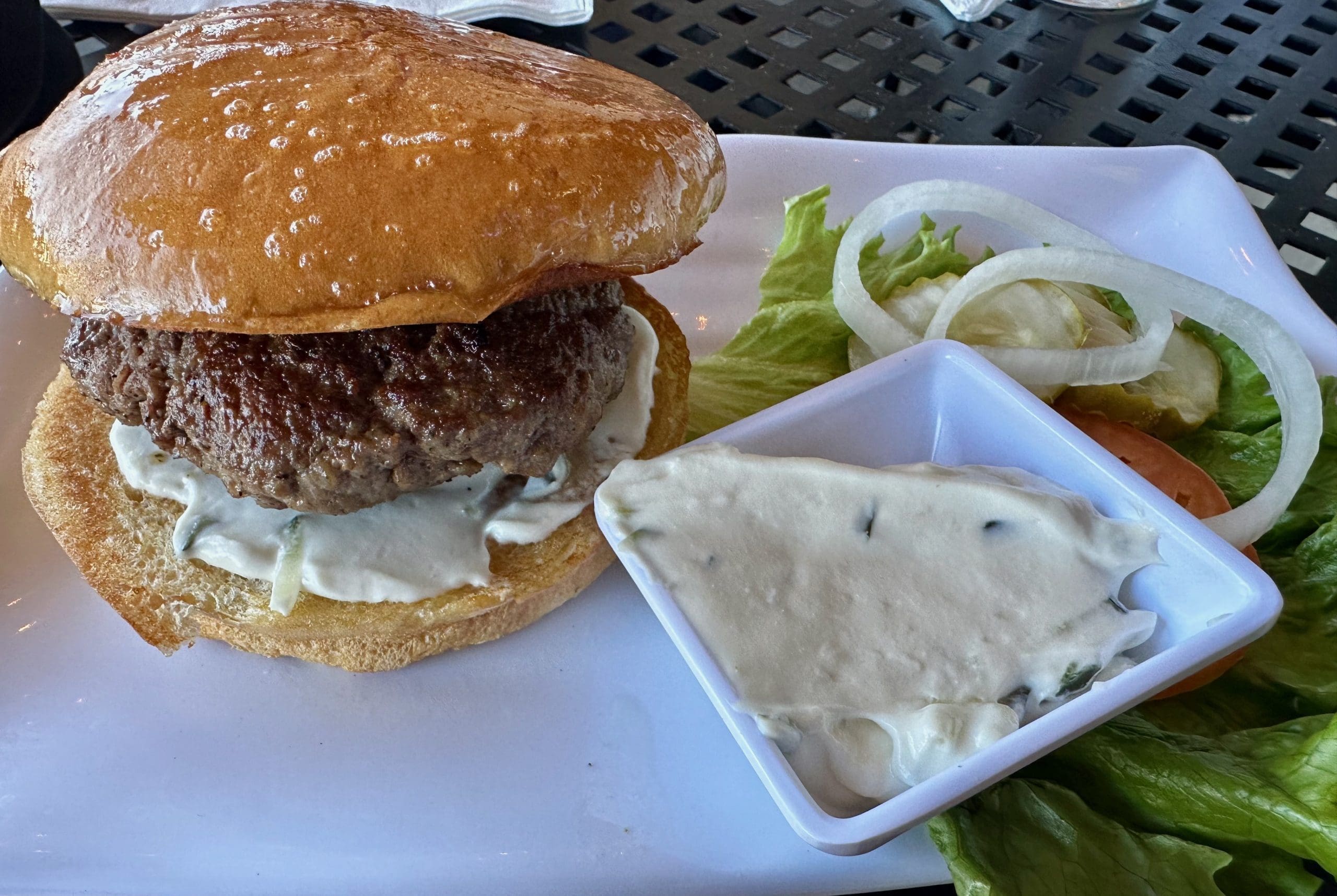
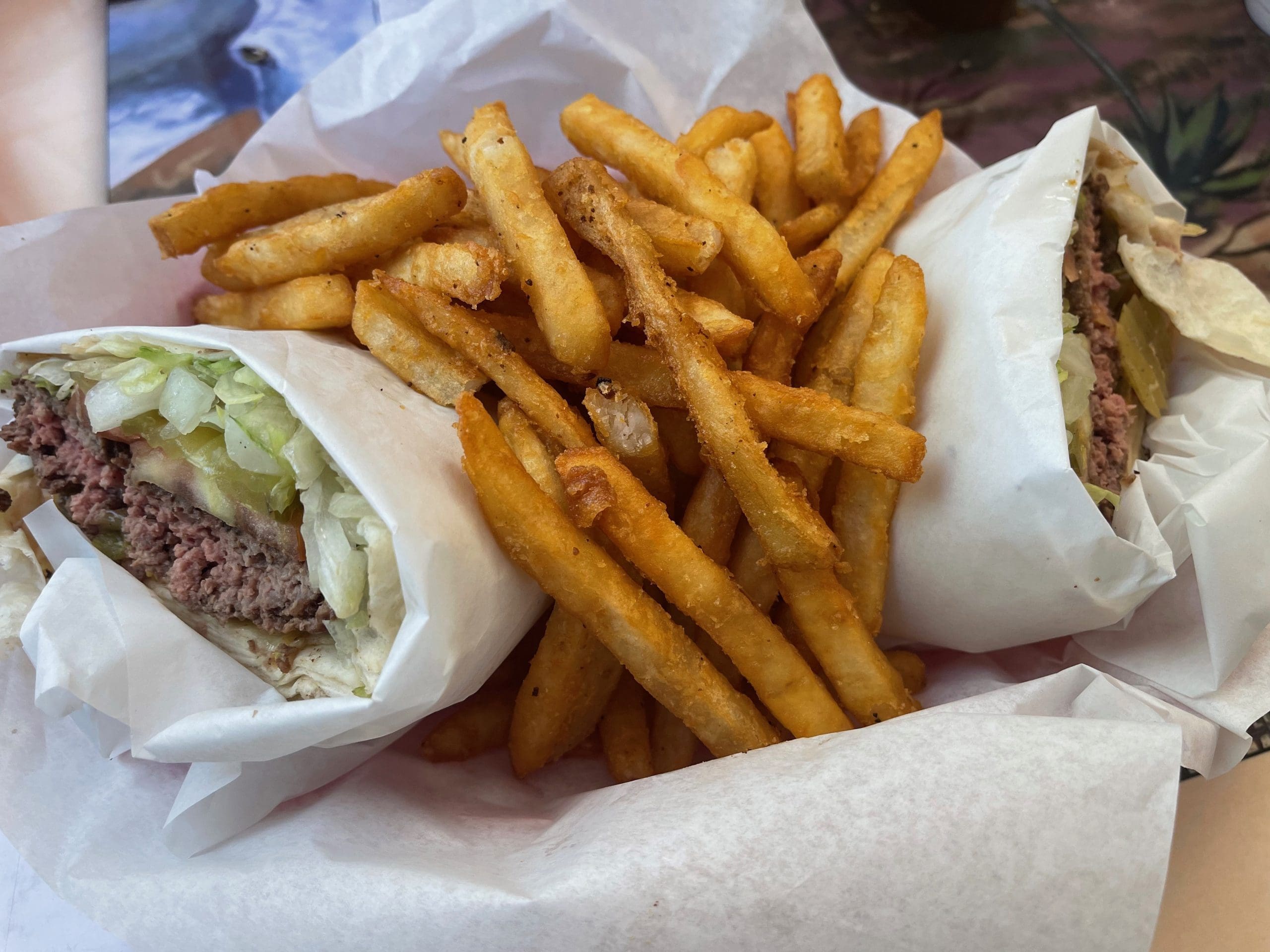
From 1988 through 2005, Rex’s Hamburgers stood practically alone in offering Duke City consumers an alternative to the homogeneous gobble-and-go offerings of deep-pocketed fast-food chains like McDonald’s, Burger King and Wendy’s. Rex’s earned and retained the hearts of Albuquerque diners for nearly 20 years. During its halcyon days, it garnered the long defunct’s Abq magazine’s “Best of Albuquerque” honors for several consecutive years. The reason Duke City patrons were so loyal to Rex’s was because Rex’s was at the diametric extreme opposite of the chain restaurants. Whether ensconced in a strip mall or housed in a single tenant edifice, Rex’s offered real sit-down service at a relaxed and reasonable pace. Moreover, it served hamburgers the way they are intended to be prepared. That means they started with real meat, never frozen, formed into a ball and flattened on the griddle with a spatula then allowed to cook slowly to retain the beef’s natural juiciness. Unlike at the Golden Arches, you never had to wonder what filler was used in Rex’s all-beef patty. It was always 85 percent lean and 15 percent fat, the time-tested optimum balance for optimum flavor. It was always served hot and with only the freshest of…

Turquoise Desert – Rio Rancho, New Mexico

A 2016 online survey conducted by Statista asked 719 adult respondents “What is the maximum length of time that you would drive to a place to eat?” More than half (51-percent) of the respondents indicated they would travel 16 to 30 minutes to a restaurant. The limit for another 26-percent was 30 minutes to an hour.  Only five percent said they would travel more than one-hour.  Even the most prolific driving diners don’t have anything on David Schuler of Mississippi.  To sate his cravings for his favorite pizza in Massachusetts, Mr. Schuler drove over 1,400 miles and through 16 states.  Even that distance pales in comparison to humpback whales who travel as much as five thousand miles to get their fix of plankton, shrimp and salmon. Now you know what my argument will be next time my Kim complains about my “end-of-the-Earth” drives to visit a restaurant we haven’t previously visited.  Her counter-argument usually involves “all the great restaurants within a couple miles” of our Rio Rancho home.  She obviously doesn’t enjoy drives of great distance as much as our debonair dachshund The Dude and his dad do.  On a lazy August Sunday morning I surprised her by taking her…