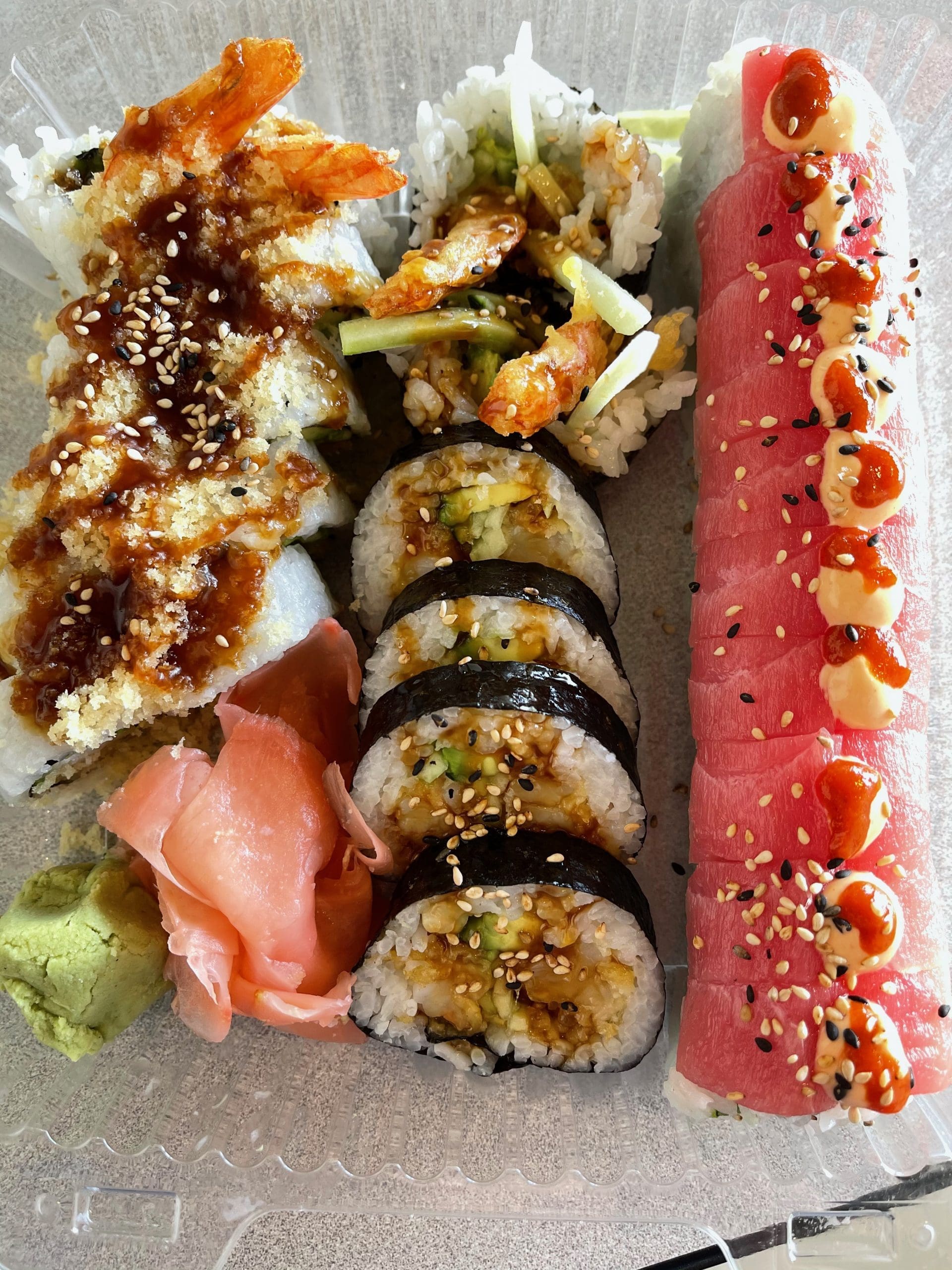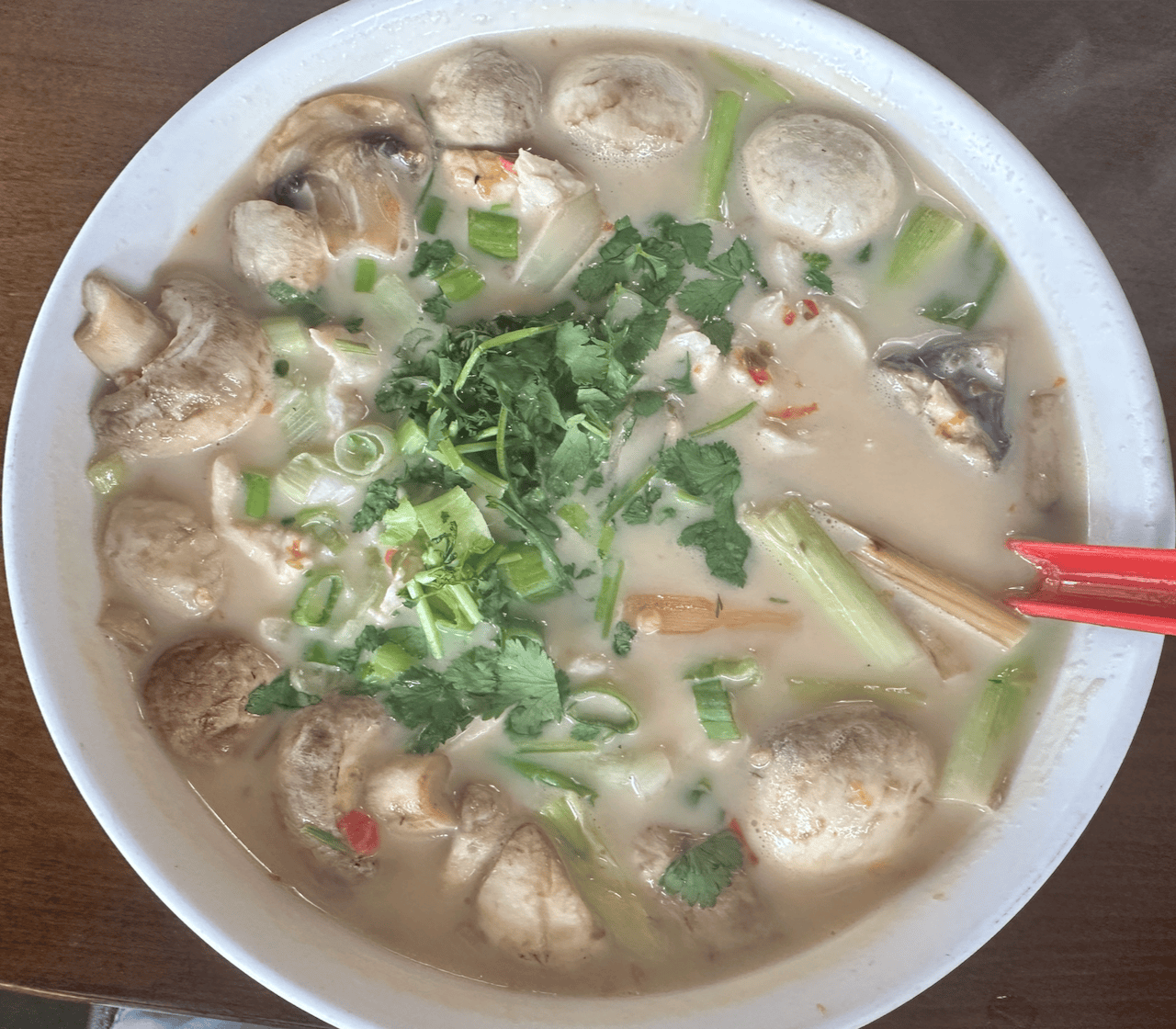
Vong Sushi Thai & Laos Cuisine – Rio Rancho, New Mexico

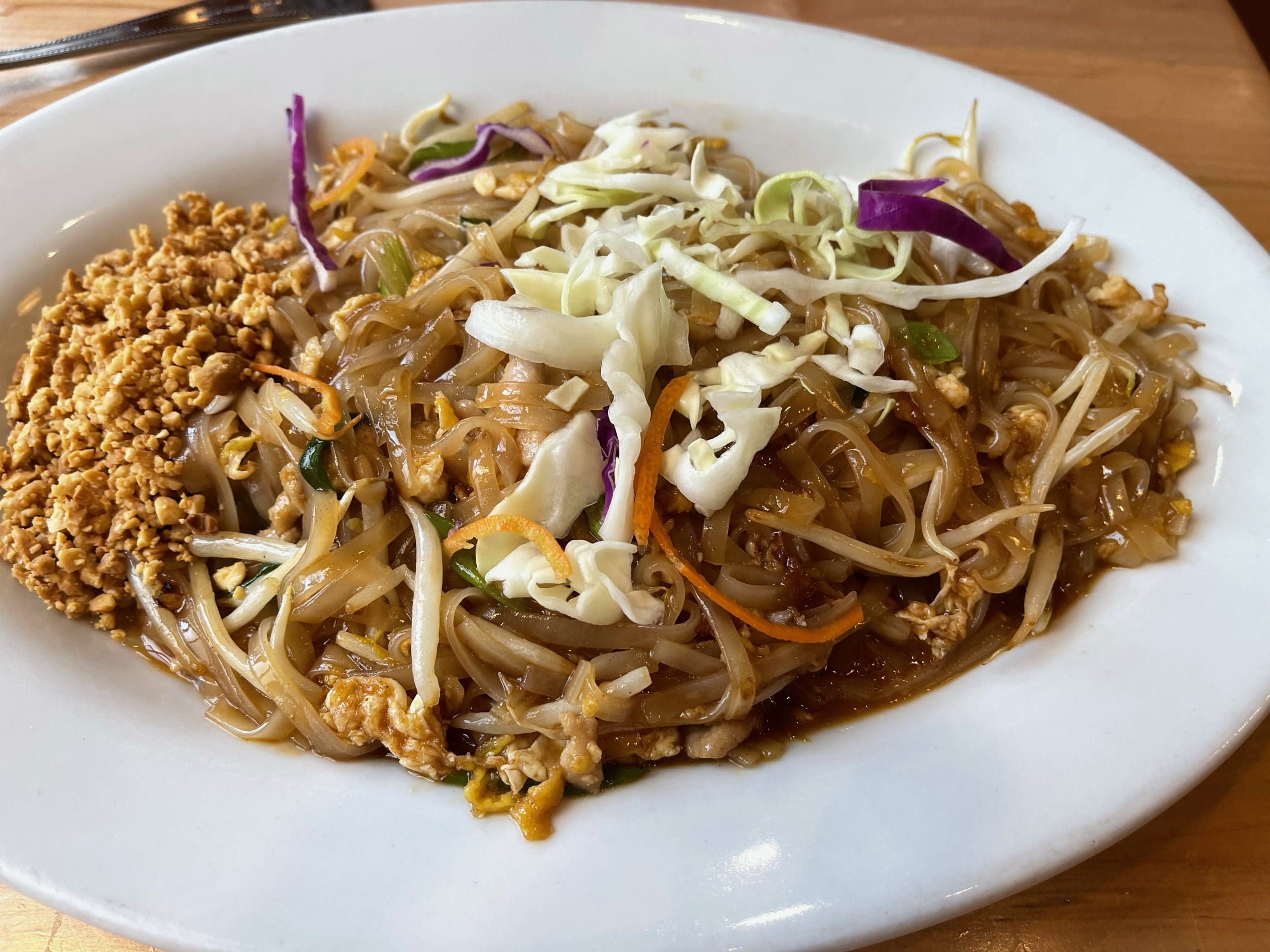
Grammatically any of the following is correct:  Laotian cuisine, Lao cuisine or the cuisine of Laos.  Just don’t ever call it “Laosy cuisine.”  That would not only be a malapropism, it would be wholly inaccurate.  The cuisine of Laos is among the most dynamic and delicious in Southeast Asia, if not the world.  One of the reasons Laotian cuisine doesn’t receive the accolades it deserves is because of its neighbors.  The Lao People’s Democratic Republic is a landlocked country in Southeast Asia bordered by Myanmar (formerly Burma), China, Vietnam, Cambodia and Thailand.  To some extent, these neighbors (at least China, Vietnam and Thailand) have surpassed Laos on the world’s culinary stage–not necessarily because their cuisine is superior, but because it’s…

Buck & Rider – Gilbert, Arizona

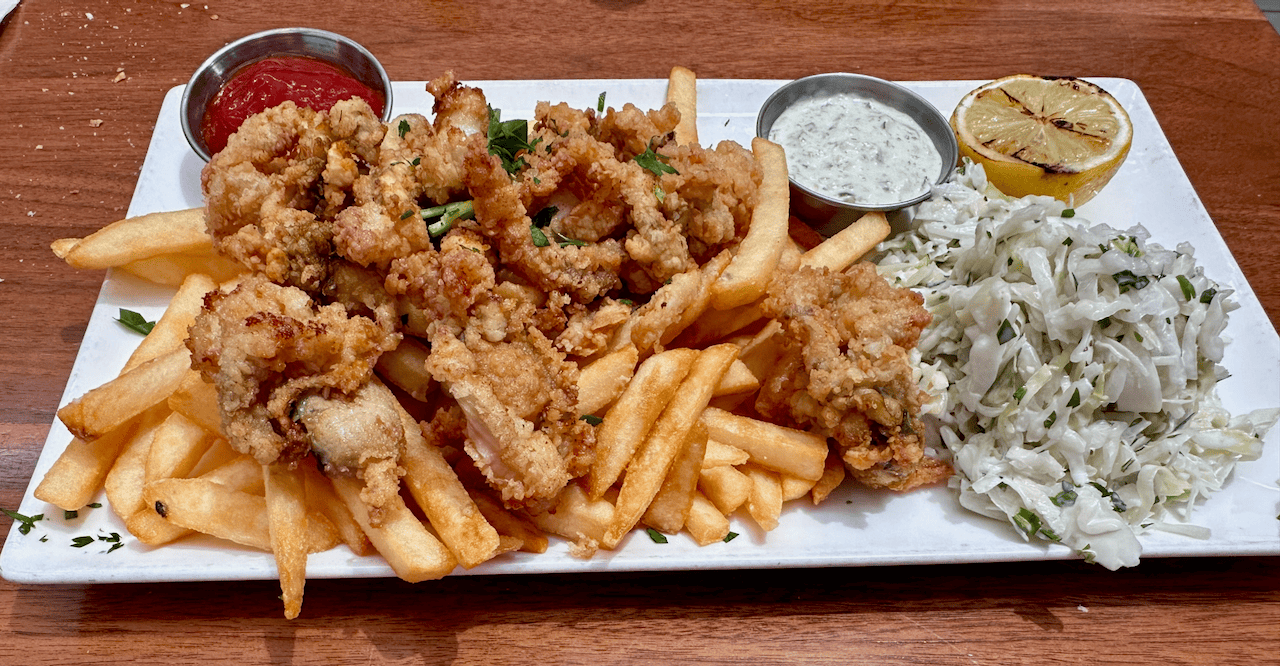
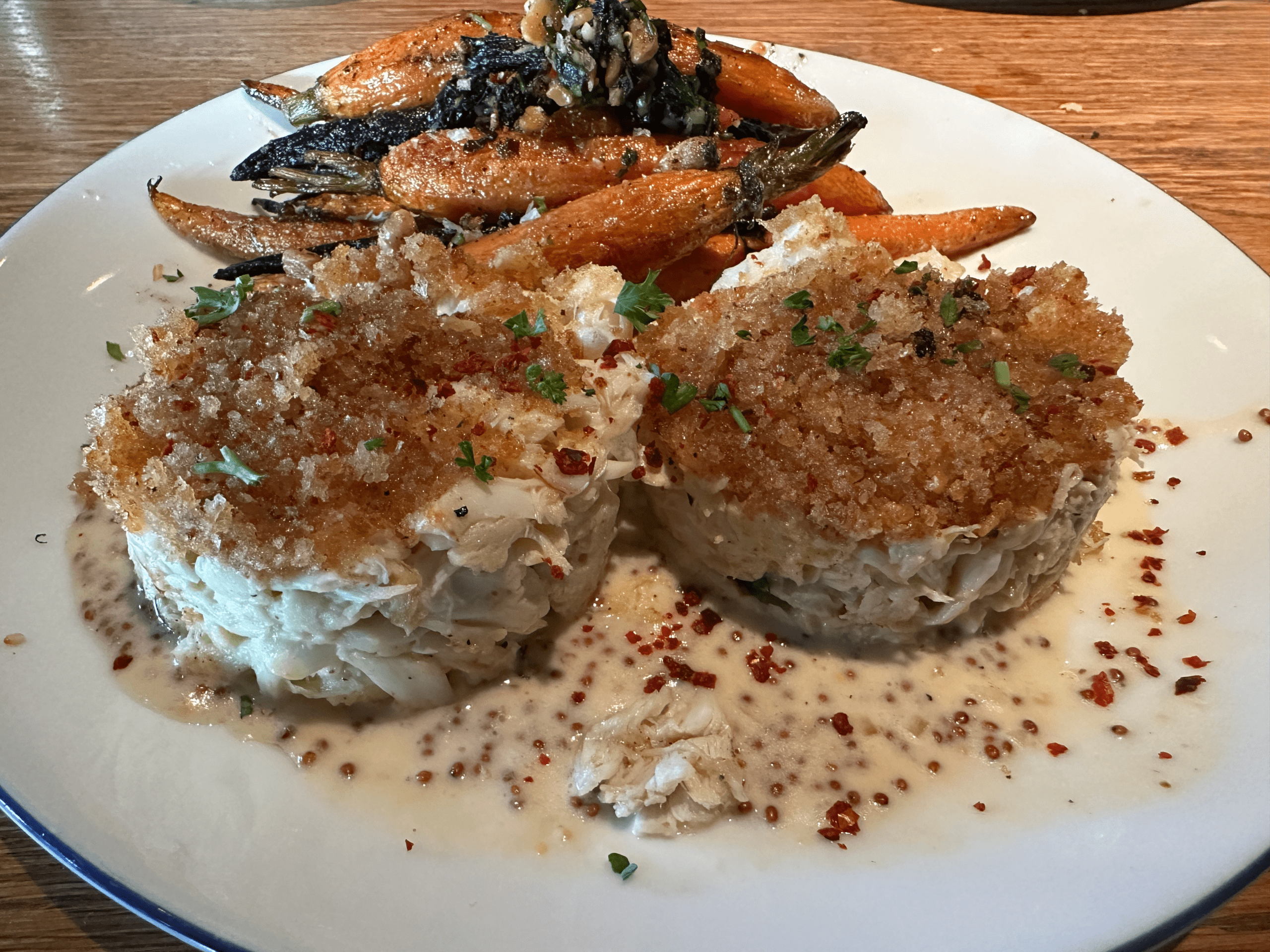
If you believe you can’t find great seafood in Phoenix because it’s landlocked and nine months out of the year its temperature rivals that of the sun, you would be mistaken.  As my friend Steve Coleman reminded me recently, 200 years ago, passenger trains in England made fish and chips possible throughout the country by facilitating the transport of fish to interior cities.  Similarly, advances in air travel and refrigeration have made seafood much more available to those of us whose only fresh seafood is the Rio Grande minnow.  Sure, you can catch some fish in the rivers and canals throughout Arizona, but you won’t find lobster, crabs, oysters, mussels, stone crab and other “real” seafood. For years, my dear…

Aji Ramen – Albuquerque, New Mexico

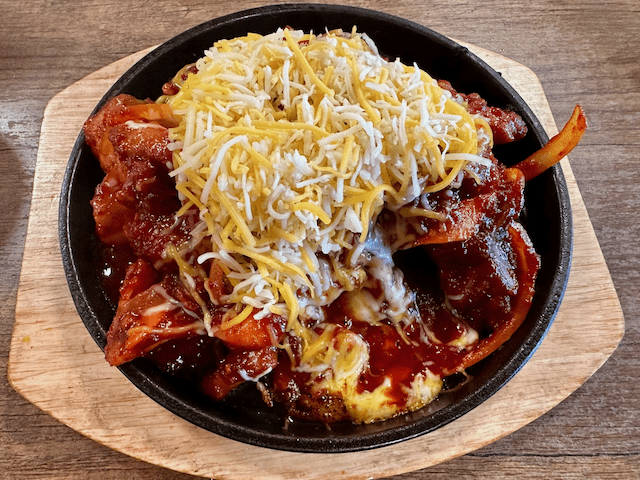
If a television show was to be created about ramen (some pronounce it ray-men), it would probably be called “Everybody loves ramen.”  According to the World Noodles Association (yes, there is such an entity), Americans consume 5.15 billion servings of instant ramen every year.  If you think that’s a lot, the United States ranks as only the sixth-largest consumer globally, significantly far behind such Asian nations as China and Indonesia.  Still, the land of spacious skies and fruited plains ranks as the top ramen consumer outside of Asia.   The per person consumption rate among Americans is 15 servings of ramen per year.  Would you believe South Korea is ranked the world’s number one per capita in instant noodle consumption (72.8…

East Asian Kitchen – Albuquerque, New Mexico

Perhaps more than anyone I’ve ever met, my Singaporean friend Ming Lee (God rest his beautiful soul) regarded people by the content of their character, not by physical characteristics.  So, it surprised me to hear him joke “we all look alike.”  It was an unsolicited admission that even he couldn’t always discern the cultural genesis of Asian people he met.  He also joked “at least I can always tell where an Asian restaurant’s food comes from.”  Ming was a bona fide gastronome who introduced me to the cuisine of Singapore and Malaysia.  Like me, he disliked restaurants in which overt homogenization of Asian food was apparent.  Sure, different culinary cultures across Southeast Asia have borrowed from one another over the…

Tokyo Bangkok – Albuquerque, New Mexico

In 2019, Mastercard published its Global Destination Cities Index which ranked 200 cities around the world with the most international visitors.  Topping the list for the fourth consecutive year was Bangkok, Thailand which boasted of 22-million overnight visitors.  Next on the list with around 19-million international overnight visitors were Paris and London respectively.  With 13.6-million visitors, New York City was the only United States destination to make the top ten, ranking seventh.  Tokyo (12.93-visitors) was ninth on the list. Many years ago when I was a fledgling airman in the world’s greatest Air Force I had the privilege of serving with grizzled veterans who had been stationed in Southeast Asia during the long and drawn-out Vietnam War.  Almost invariably they…

Ikigai ABQ – Albuquerque, New Mexico (CLOSED)

While ikigai (pronounced ee-key-guy) may sound like what grade school girls called me many years ago, in Japanese the term ikigai is a Japanese concept combining the terms “iki,” meaning “alive” or “life,” and “gai,” meaning “benefit” or “worth.”  Though there is no direct English translation, when combined these terms embody “that which gives your life worth, meaning, or purpose.”  Essentially, ikigai is the reason why you get up in the morning. It makes a lot of sense therefore that the signage for Ikigai, a sushi restaurant ensconced in a Lilliputian pod within the El Vado Motel complex, would be subtitled “a sushi shop with purpose.”  For some of us, sushi gives life worth, meaning and purpose.  Sushi was the…