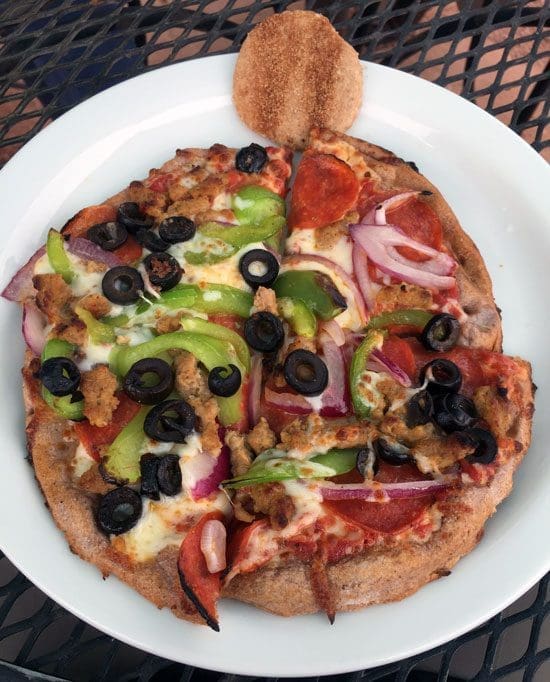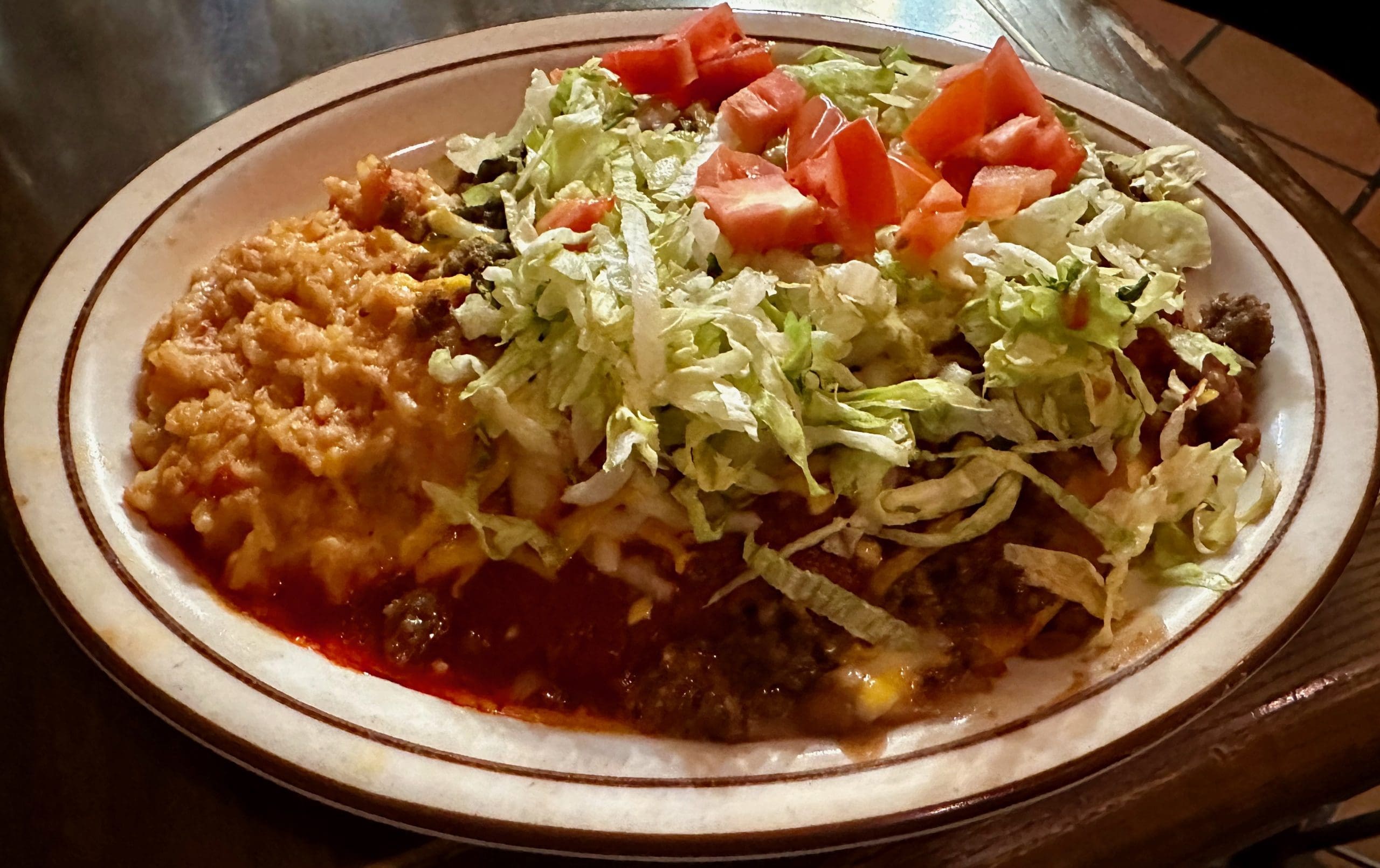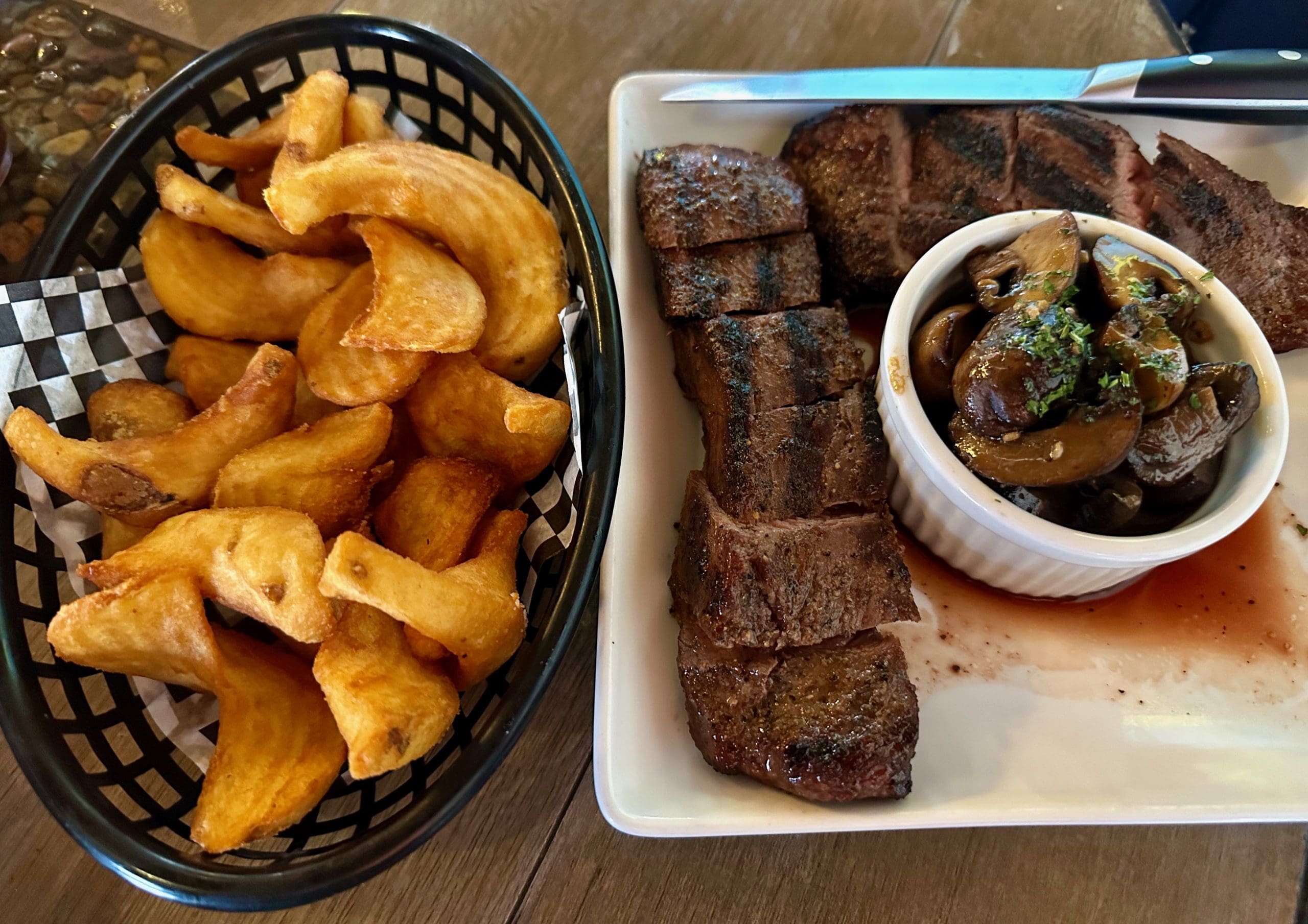
The Kosmos – Albuquerque, New Mexico
Even though New Mexico’s license plates have been graced with the sobriquet “Land of Enchantment” since 1941, it didn’t become the state’s official nickname until 1999. For much longer than that, the more derisive epithet “Land of Entrapment” has also been in use. In 1955, the New Mexico Motor Club began using it because state highway police were perceived as being overly “aggressive and deceptive” in ticketing motorists. That infamous Land of Entrapment nickname is sadly still in use, primarily by malcontents and miscreants who wouldn’t recognize enchantment if it gave them 280 days of sunshine a year. Those of…