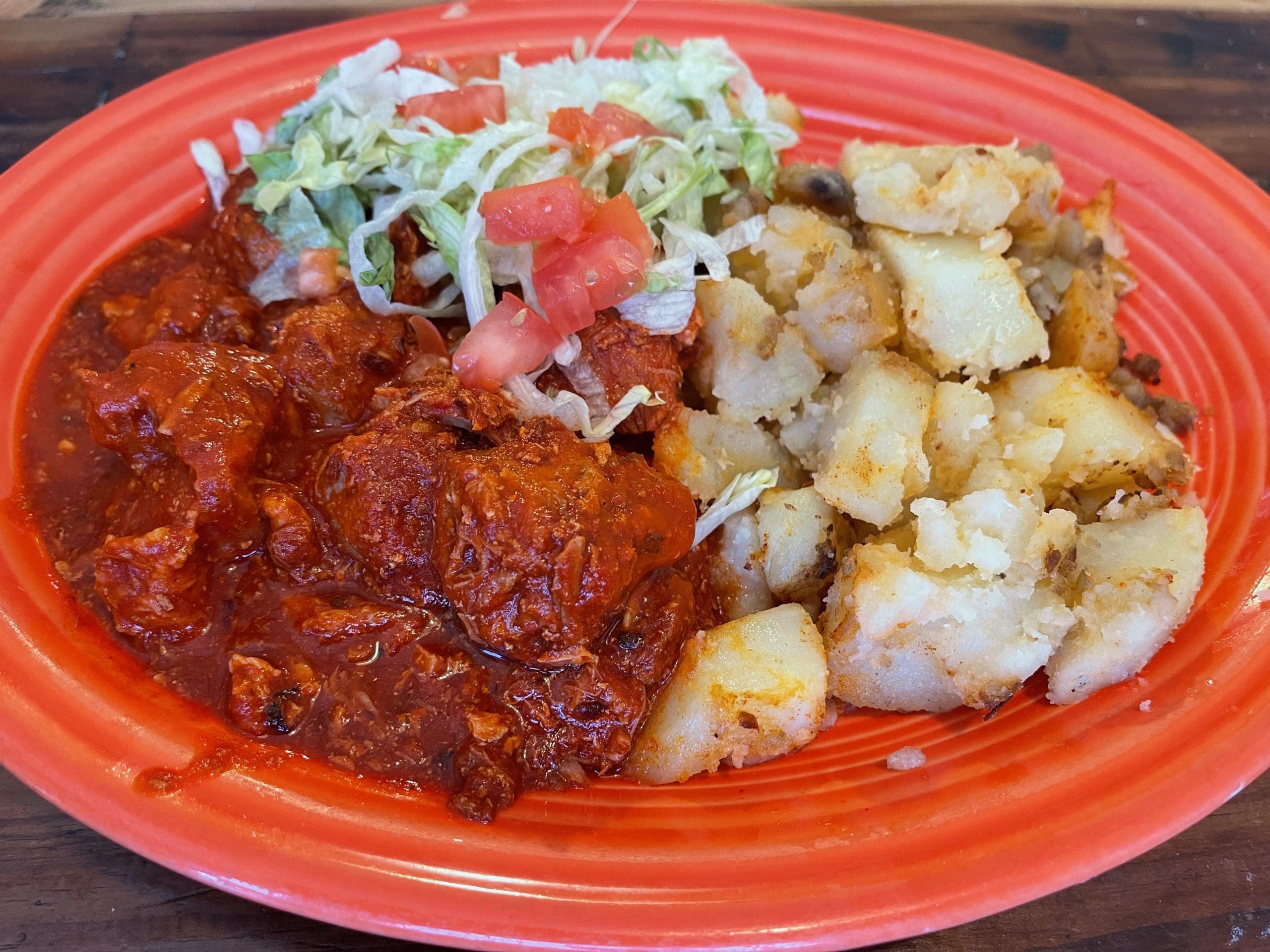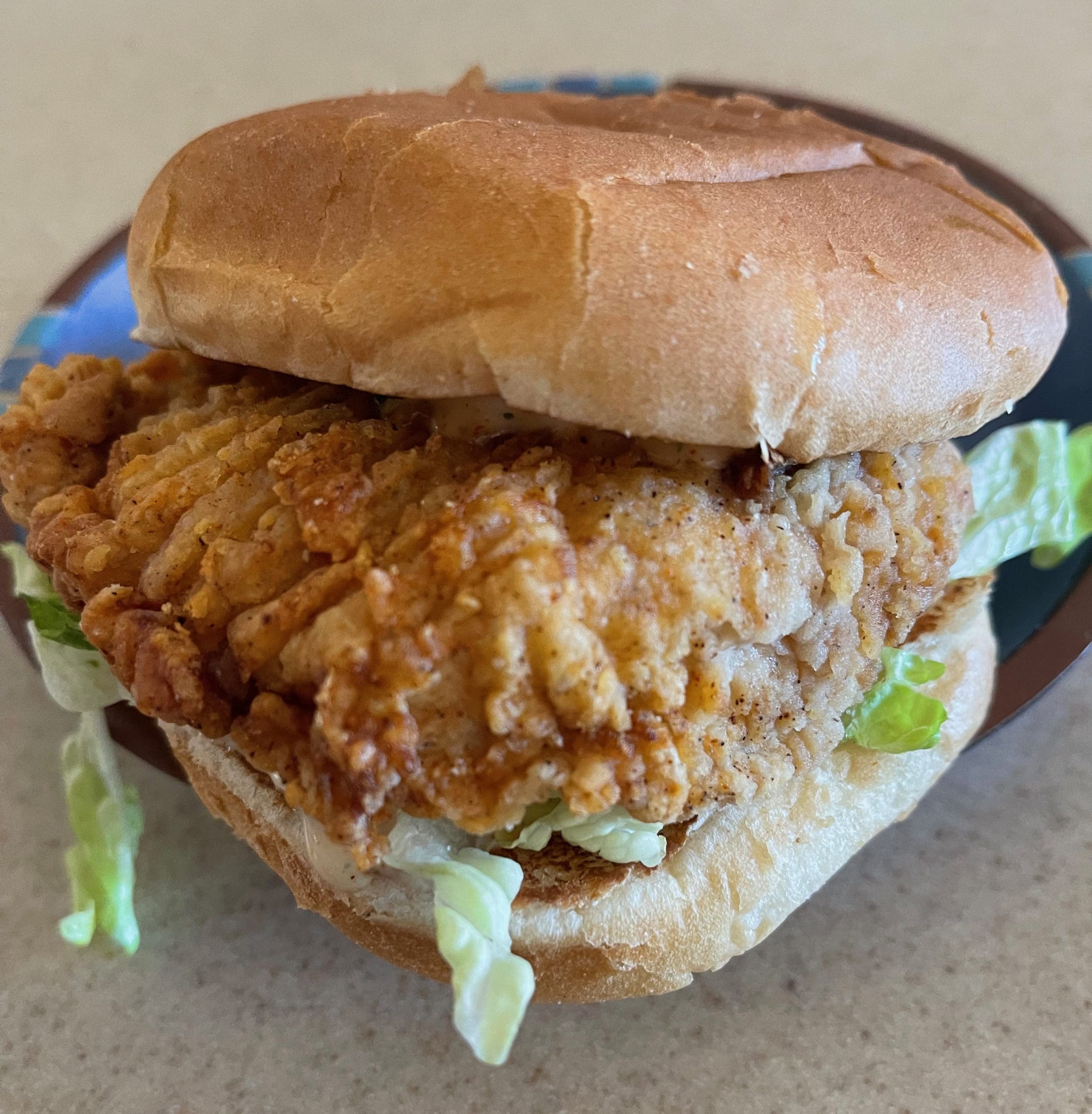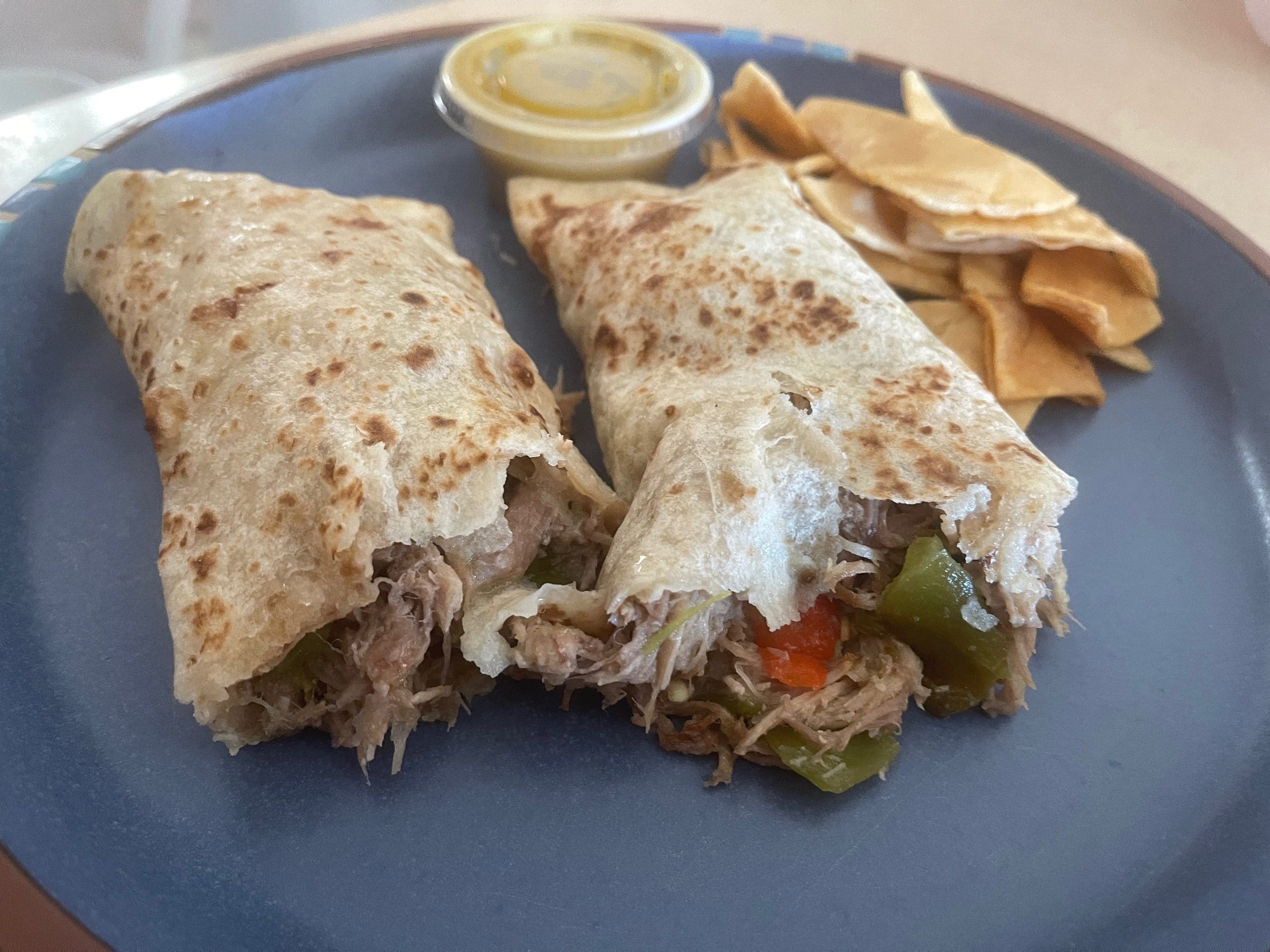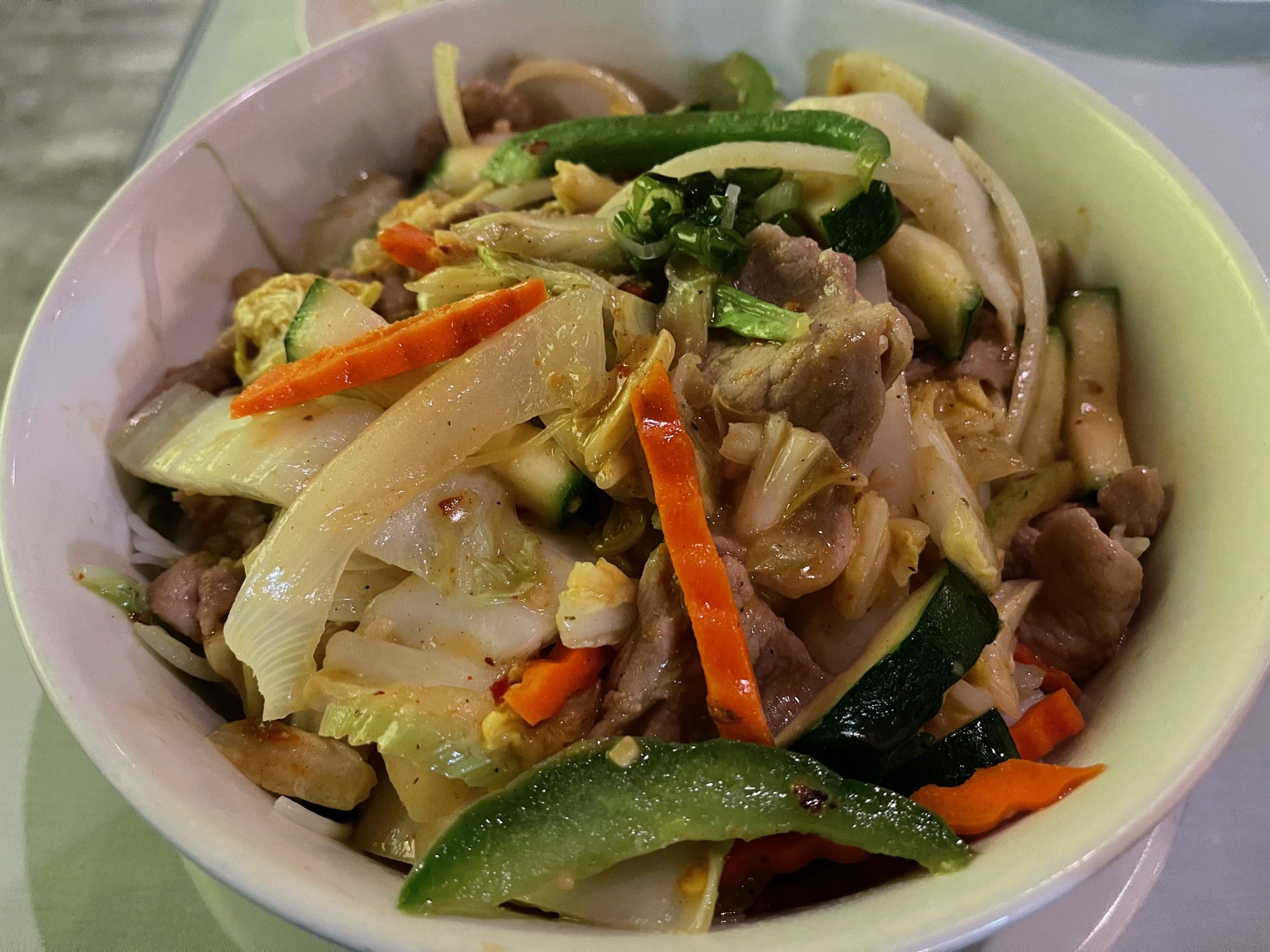
Ruby’s Tortilleria – Bernalillo, New Mexico

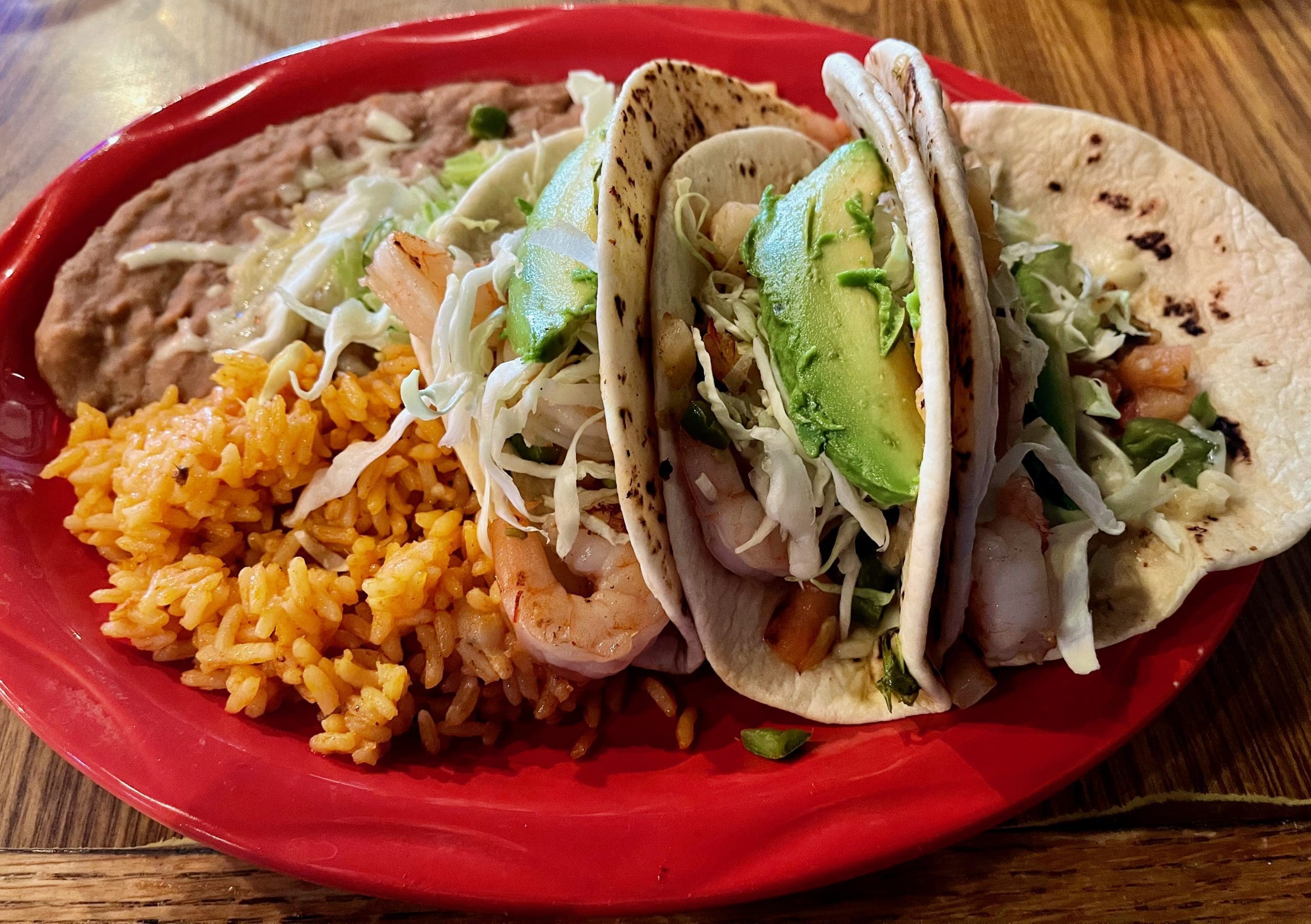
“A tortilla can be the, I would say, the most meaningful, the symbol of the Mexican cuisine, it’s the heart of the Mexican cuisine, the soul … the most recognizable element of the Mexican cuisine.” ~ Hugo Ortega James Beard Nominated Chef In 1519, when Hernan and his Spanish conquistadors arrived in Mexico, the indigenous people had never seen anyone like the bearded strangers attired in imposing armor made of iron.  These light-skinned strangers, some of whom had eyes of blue or green, arrived in “floating mountains” significantly larger than the canoes used by the natives.  The arrival of the strangers coincided with an Aztec prophecy, leading Montezuma, the Aztec ruler, to believe that perhaps Cortés was the Aztec god Quetzalcoatl, the “feathered (bearded) serpent.”  According to legend, Montezuma convened his most sage advisors who counseled their leader to proceed with caution.  They dispatched emissaries to greet the strangers and offer them two types of food:  the food of the gods, covered with the blood of human sacrifice; and the food of humans, including avocados, turkey and soft, flat corn breads they called tlaxcalli (from the verb “ixca” (to cook [on a comal: grill or griddle]).  The Spaniards chose the…

Lime Vietnamese Restaurant – Albuquerque, New Mexico

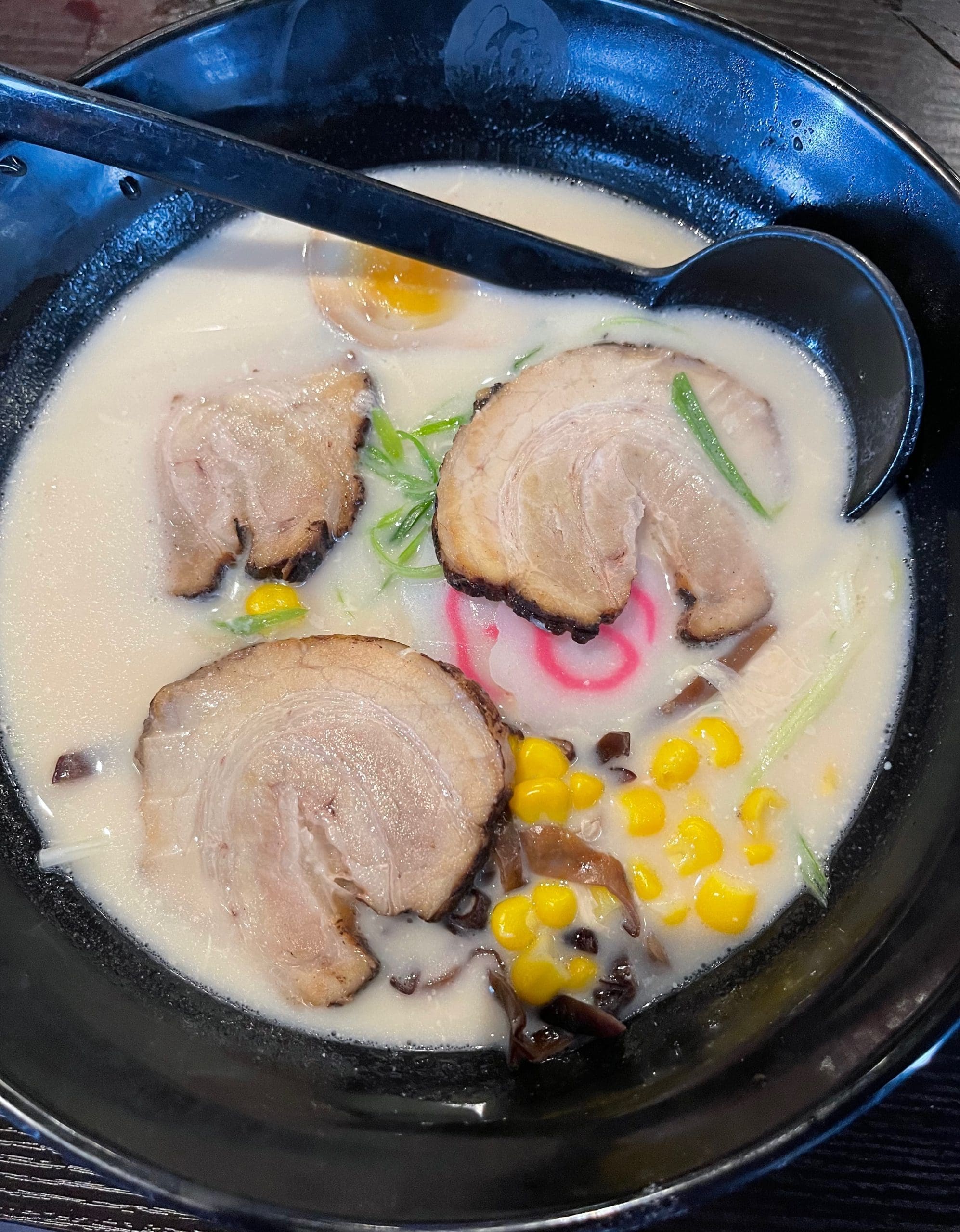
Kevin: What am I looking at here? Donna: It’s pho. Kevin: It’s what? Donna: Pho. Kevin: Well pho looks like a clogged sink. What are those chunks floating around in there? What is that? Donna: It’s chicken. You love chicken. Kevin: Do they make this outside? What is this? <pulls up a single basil leaf> Donna: Seasoning. Just try it. Kevin: <slurps up spoonful and contemplates flavor> Donna: Is it good? Kevin: <holds up finger and slurps up another spoonful; slaps palm on table> Kevin: Hold the pho-one. This is insane! This existed this whole time and you don’t tell me about it? Donna: Yeah and wait til you try the beef. Kevin: <look of utter surprise> This comes in beef? ~ Kevin Can Wait If you’ve ever introduced an unadventurous dining companion to the wonder of utter deliciousness that is Vietnamese cuisine, you can probably relate to that little snippet from the CBS comedy series Kevin Can Wait. Kevin exemplifies the culinary neophyte who is reluctant to try new foods, especially those which might be considered exotic or strange. Life’s travels and travails haven’t afforded them the opportunity to experience and enjoy such foods, so it’s up to us,…

Urban 360 Pizza, Grill and Tap House – Albuquerque, New Mexico

Babu: Our specials are tacos, moussaka and franks and beans. Jerry: Well, what do you recommend my good fellow? Babu:Oh, the turkey. ~”The Cafe, Seinfeld, Season 3, Episode 7 While perusing the menu at Urban 360 Pizza, Grill and Tap House, my ever-witty friend Ryan “Break the Chain” Scott commented that the menu reminded him of The Dream, the very eclectic restaurant owned and operated by Pakistan emigrant Babu Bhatt in an uproariously funny episode of Seinfeld. As Jerry Seinfeld observed about The Dream’s menu, “he’s serving Mexican, Italian, Chinese. He’s all over the place.” Urban 360’s menu is similarly diverse, a melange of Asian, American and European dishes splayed temptingly onto three pages. That the menu is so “all over the place” makes great sense in that the term “360” itself represents a complete circle as in the shape of planet Earth itself. Okay, the Earth is actually an oblong spheroid, but that’s close to round. Unlike The Dream, Urban 360’s menu has a rhyme and reason, a cohesion. Moreover, Urban 360 succeeds a similarly named and similarly eclectic restaurant, the aptly named Eclectic Urban Pizzeria and Tap House, a magnificent shooting star which fizzled away much too quickly,…

Storming Crab – Albuquerque, New Mexico

Archaeologists believe there’s a scientific explanation for contemporary  humankind’s  predilection for seaside vacations and trips to the beach.  Evidence–stone tools used to cut through animal flesh–seems to support the theory that the first humans migrated out of Africa by following the eastern coastline.  This, the theory posits, would have led to Australia being discovered before Europe.  As noted by Professor Chris Stringer, the head of human origins at the Natural History Museum in London: “The earliest evidence of modern humans in Europe is 40,000 years old whereas we find evidence dating to 60,000 years ago in Australia.  This (migrating along Africa’s eastern coastline) provides a possible explanation.” In addition to the tools used by our beachcombing ancestors, the archaeologists found the remains of several edible marine animals, including oysters, mussels and crabs.  Whether or not this also explains humankind’s pescatarian propensities, many of us are passionate about seafood–and not in the way Dolly Parton meant when she proclaimed “I’m on a seefood diet.  I see food, I eat it.”  According to Seafood Source, “on average, Americans consumed 16.1 pounds of seafood in 2018, a per capita consumption rate of 16.1 pounds,  the highest since 2007.”  Shrimp remains the most popular…

Antojitos Lupe – Bernalillo, New Mexico

Gustavo Arellano, the brilliant and hilarious author of Ask a Mexican, an erstwhile syndicated satirical weekly newspaper column published mostly in weekly alternative papers, used to be one of my go-to sources of entertainment and information, particularly regarding our common and beloved Spanish lexicon. His inimitable wit and perspective is amusing and enlightening. Take for example his translation of the word “antojitos.” in an article published in his then parent newspaper, the Orange County Weekly, Arellano observed that “the Spanish menu entry antojitos translates as “appetizers,” but the expression connotes more than mere snacks. It derives from the noun antojo, which describes the cravings unique to pregnant women. Antojitos, then, is “little cravings,” and Latinos know that their before-the-main-meal bites should be so appetizing that expectant females snarl at husbands to seek these delights at ungodly hours.” Expectant mothers snarling! Ungodly hours! Obviously antojitos should be good enough to elicit the type of carnal response usually reserved for something more than special…something great. One could surmise that in a sense, antojitos are the Mexican equivalent of dim sum, but where antojitos translates to “little cravings,” dim sum translates to “a bit of heart” or “heart’s delight.” In either case, Mexicans are…

Two Cranes Bistro and Brew – Albuquerque, New Mexico

As we wended our way along meandering Rio Grande Boulevard, I commented to my Kim, “I sure miss Ichabod and Katrina.”  “Colleagues of yours at UNM?,” she asked.  “No, not colleagues,” I replied pointing to a large, verdant field, “Ichabod and Katrina were the two sandhill cranes who used to feed in those fields.”  “Oh, I get it,” she responded, “you’re talking about Ichabod and Katrina Crane from The Legend of Sleepy Hollow.”  She then asked why I’ve always had such a great admiration for Ichabod Crane, a fictional character who basically embodied all the seven deadly sins: greed, glutton, sloth, indolence, wrath, lust and envy. “Yeah, I understand all of that,” I explained, “but Ichabod Crane was a man ahead of his time, an 18th century equivalent of a foodie.”  Washington Irving, described him as “a huge feeder, and though lank, had the dilating powers of an anaconda.”  Isn’t that the kind of super power we’d all like to have?  He had a voracious appetite but somehow managed to remain thin.  When he saw animals lounging in the fields, his mouth watered, described masterfully by Irving: “In his devouring mind’s eye, he pictured to himself every roasting-pig running about…

Garduño’s of Mexico – Albuquerque, New Mexico

All too often faulty premises are based on a lack of information or experience. Take for example, British author Simon Majumdar, a recurring judge on the Food Network’s Next Iron Chef competition who once declared “given how abysmal Mexican food is in London, I always thought that it was a cuisine made up of remains from the back of the fridge.” It wasn’t until Majumdar experienced tacos de tripa at a restaurant in Guadalajara, Mexico that he achieved an epiphany and fell in love with Mexican food. He called it a meal that changed his life.   Similarly, many of my colleagues from Arizona perceived Mexican food as lacking personality–a misconception borne from their culinary experiences with Phoenix area Mexican food. When business travel brought them to Albuquerque, we exposed them to New Mexican and Mexican food the way it’s done in the Land of Enchantment. It was love at first taste. The addictive properties of capsaicin-blessed New Mexico chile ensnared their affections and haven’t let them go to this date. The very favorite restaurant of many of them became Garduño’s of Mexico. Over the years, Garduño’s has become the favorite of many of its guests—New Mexicans and visitors alike.…

Dragon House – Albuquerque, New Mexico

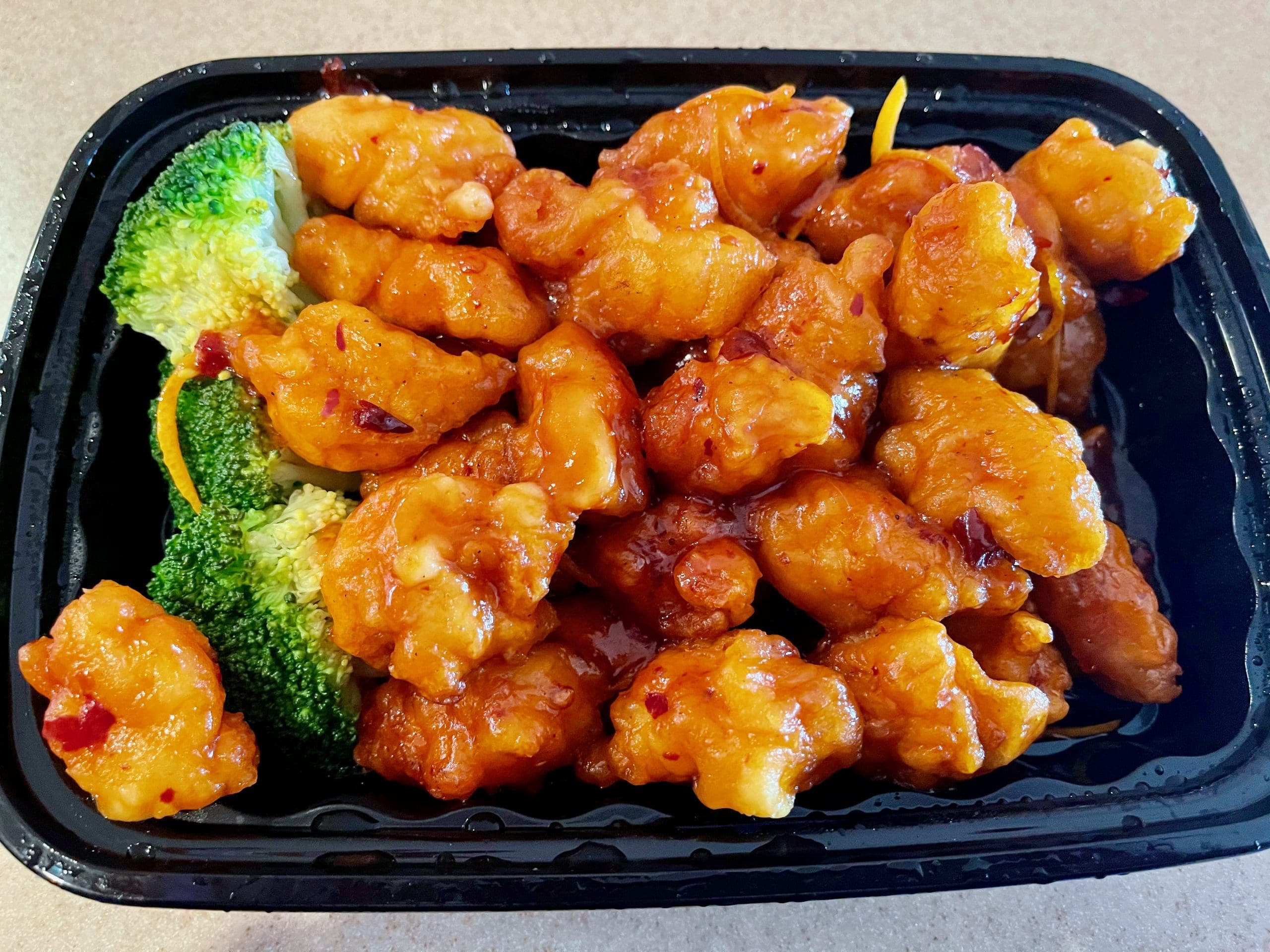
Admit it–every time you dine at a Chinese restaurant, you peruse the Chinese Zodiac paper placemats at your table describing the characteristics of people based on their birth year. Every new year of the lunar calendar is represented in Chinese mythology by one of twelve animals, only one of which is mythological. That would be the dragon. People born on the year of the dragon are considered very fortunate as presumably a long, happy life awaits those with a dragon birth year. So that you don’t have to look it up, the last six years of the dragon were 2012, 2000, 1988, 1976, 1964 and 1952. If you were born before 1952, simply subtract 12. Long before Hungarian Horntails, Swedish Short-Snouts and Norwegian Ridgebacks ran roughshod over the wizarding world of Harry Potter, giant-winged, fire-breathing reptiles were carving a niche in the rich history of China. Unlike the malevolent maiden-stealing, village trashing, knight incinerating creatures of old European mythology, dragons in China were viewed as benevolent entities capable of bringing rain to a parched land. The dragon signified power, strength and good luck. Starting with the Han Dynasty (206BC – 220AD), Chinese emperors assumed the symbolism of the dragon, hoping…

Taco Cabana – Albuquerque, New Mexico

In 1972, English author Diana Kennedy, the doyenne of Mexican cuisine, penned The Cuisines of Mexico, a Mexican cookbook in which she described Texas’s Mexican food as “inauthentic,” coining the term “Tex-Mex.”  Kennedy essentially drew a line of demarcation between the foods of her beloved Mexico, what she viewed as “the real thing” and the foods prepared North of the Border. Her assertion was that most Mexican food in America is technically of Tex-Mex derivation (yes, that includes New Mexican cuisine). Meghan McCarron’s feature on Tex-Mex cuisine for Eater seems to indicate Kennedy’s low regard for Tex-Mex cuisine is rather widespread: “The standard narrative about Tex-Mex is that it’s an inauthentic, unartful, cheese-covered fusion, the kind of eating meant to be paired with unhealthy amounts of alcohol or to cure the effects thereof. There’s a lot of easy-melt cheese, the margaritas are made with a mix, and the salsas come from a bottle.”  Just what is Tex-Mex and why does it inspire such rancor?  According to Serious Eats, Tex-Mex cuisine “ is rooted in the state’s Tejano culture (Texans of Spanish or Mexican heritage who lived in Texas before it became a republic) and also Mexican immigrants who hailed largely…

Federico’s Mexican Food – Rio Rancho, New Mexico

in February, 2020, Chef’s Pencil crunched the numbers of Google searches  for ethnic cuisines to determine the most popular ethnic cuisines in America. The two most popular ethnic cuisines were deemed to be Mexican and Chinese. Denizens of the East preferred Chinese cuisine while the West went for Mexican food. Google data showed that Mexican cuisine is the most popular ethnic cuisine in 27 states–including New Mexico. Unfortunately, the data didn’t distinguish between Mexican and New Mexican or even between Mexican and Tex Mex. In reporting Google’s findings, KRQE interviewed several New Mexicans, some of whom were rather expressive about Google’s search results not recognizing  New Mexican cuisine as a unique culinary offering.  They need not be. Google’s search algorithm used rather shallow categorization to determine what constitutes ethnic foods.  That algorithm, for example, also didn’t distinguish between various types of Chinese cuisine: Szechwan, Hunan, Cantonese, and six others. The point remains, however, that outside the Land of Enchantment New Mexican cuisine is not widely recognized as a unique offering.  Even some national culinary cognoscenti tend to consider it an offshoot of Mexican cuisine or worse, a derivative of Tex-Mex.  To some degree, that’s understandable.  Only within the past few…

VARA WINERY & DISTILLERY – Albuquerque, New Mexico

In 1620, King Philip III of Spain issued a royal decree mandating that each of the 19 recognized New Mexican Pueblos elect by popular vote, a governor, lieutenant governor and other officers as might be needed to carry on the Pueblo’s affairs. The decree required that elections take place at the close of a calendar year with installation into office occurring the first week of the new year. In commemoration of each Pueblo’s recognized sovereignty, each governor was presented a silver-headed Vara de Soberania (Cane of Sovereignty) with a cross inscribed on the sliver mount as evidence of the support of the Church.  This symbol of the governor’s commission and authority has been passed on to succeeding governors ever since. * In 1629, nine years after the Varas de Soberania were issued, Fray Garcîa de Zuñiga and Antonio de Arteaga smuggled vines out of Spain. In defiance of Spanish law prohibiting the growing of grapes for wine in the new world, they planted New Mexico’s first grapes on the east bank of the Rio Grande slightly north of the village of present-day San Antonio. Thanks to the audacity of the two Catholic monks, the major shortage of wine in the…