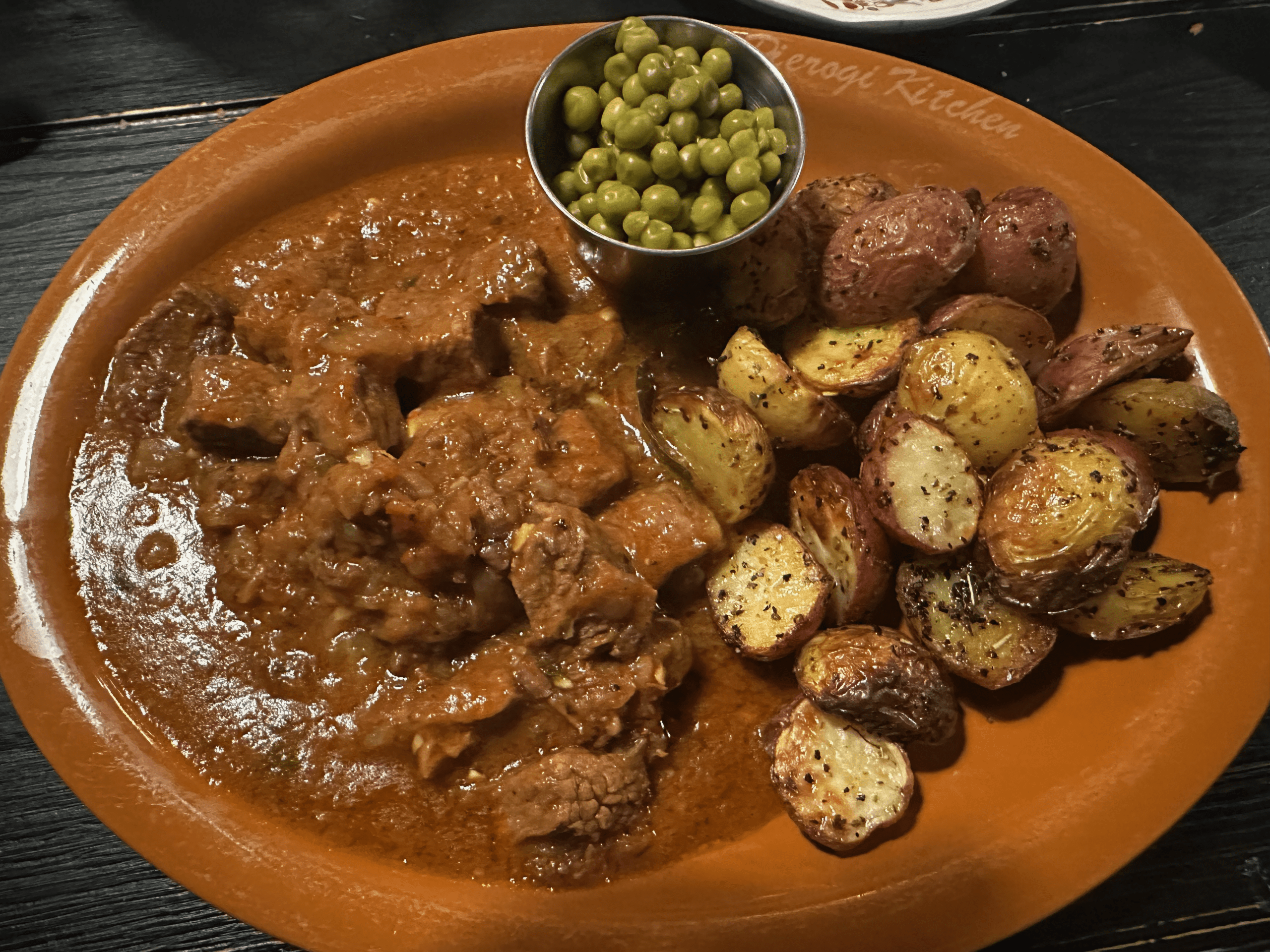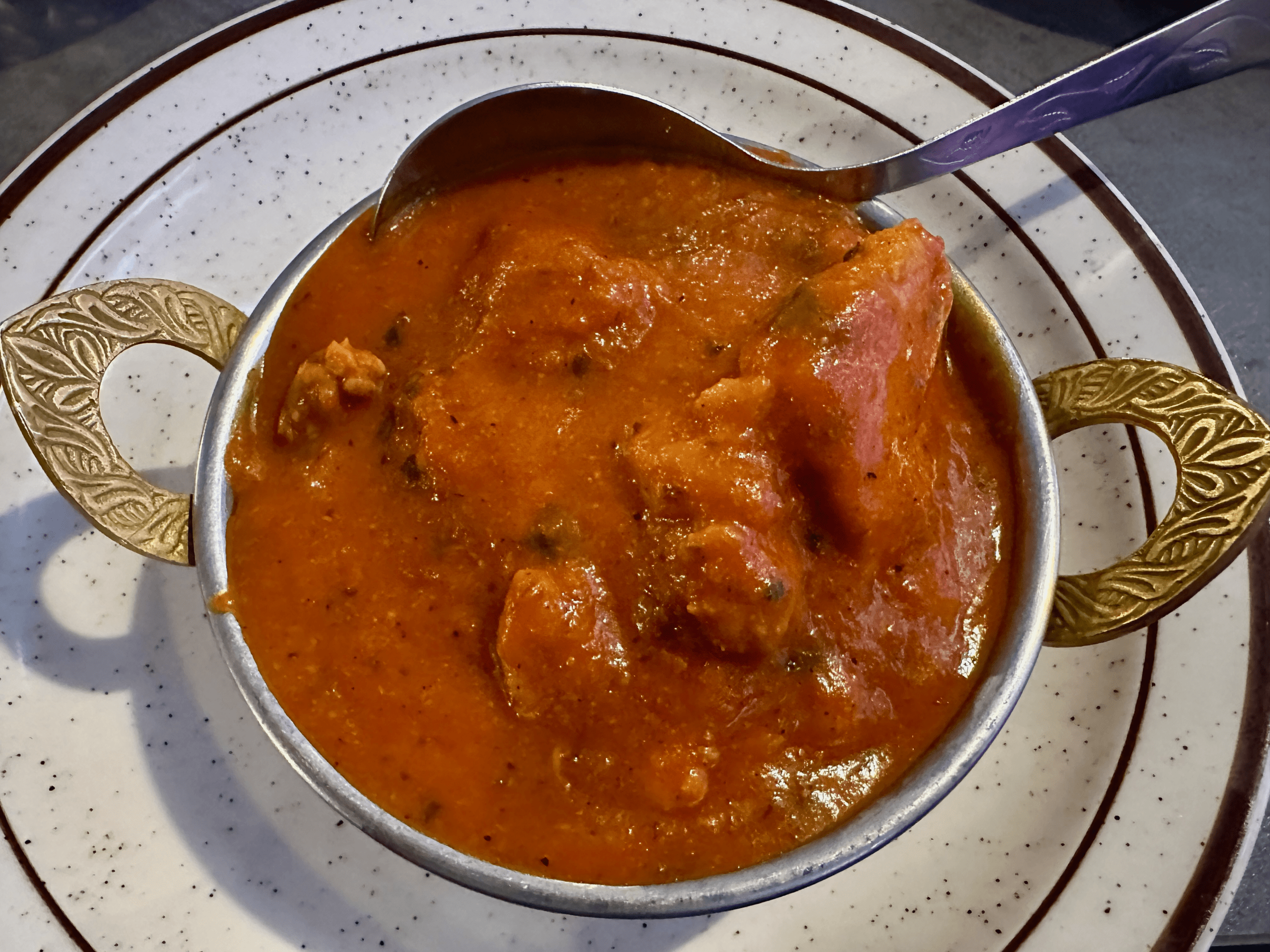
Taste of India – Albuquerque, New Mexico

“Don’t go and cook Indian food if you never cooked Indian food, you know?” ~Wolfgang Puck Those who can’t do, write.  The pan is mightier than the pen. Pick your aphorism.  When it comes to cooking Indian food, both certainly apply in my case.  Every effort to prepare even the most basic of Indian dishes is a painful reminiscence of the Chemistry courses which confounded, confused and frustrated me in equal measure.  Sure, covalent bonds made sense (because they were easy), but the math-based system of writing complex chemical equations may as well have been Klingonese.  So, too, are most recipes for Indian dishes. Yes, a passable phalanx of premixed “instant” Indian food exists, but what’s the fun in preparing that?  Aspiring Indian food cooks (and masochists like me) prefer to prepare everything from scratch.  That includes grinding and roasting ingredients for our own garam masala, an essential Indian spice mix which Epicurious considers “the Indian equivalent of French herbes de Provence or Chinese five-spice powder.”  Somehow, my mix always has the taste appeal of a lethal bleach and ammonia combination.  After years of trial and failure, I’ve arrived at  the painful realization that I may never be able to…
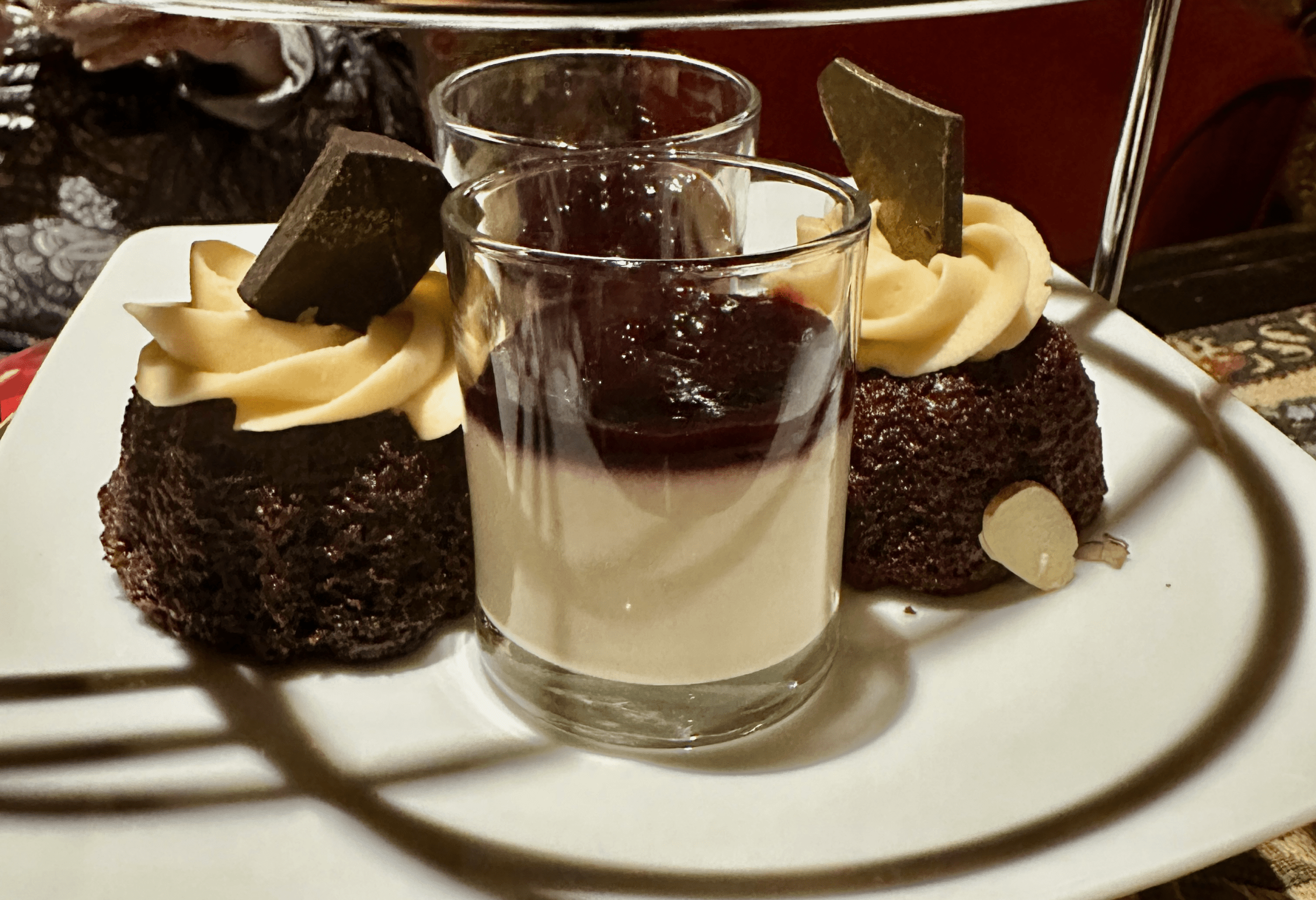
St. James Tearoom – Albuquerque, New Mexico

Broccoli?  I love it!  Anchovies?  Bring me more!  Oysters?  Enamored of them!  Limburger Cheese?  The stinkier the better!  Durian?  Andrew Zimmern may find it disgusting, but I love it.  I’m often asked if there’s anything I don’t like.  My response surprises most people.  The one food item I don’t like at all is tea.  Whether hot or cold, tea is absolutely nauseating to me.  That may or may not stem from a week-long Boy Scout Swim Camp at Conchas Lake where tea was served for breakfast, lunch and dinner.  Drinking the murky water from Conchas Lake might have been preferable. My two “overseas” assignments in the Air Force were at Royal Air Force bases in England, the country which tried to tax the tea they explorted to the colonies.  In England, tea is what ambrosia was to the Greek gods of Mount Olympus.  “Tea time” is twenty-four hours a day throughout Great Britain.  Denouncing it might trigger an international incident.  Brits may tolerate Yanks not liking room-temperature beer, but you dare not besmirch, belittle or blacken England’s sacrosanct tea.   Though my Kim and I frequented tea shops at Bourton on the Water, an English village often called the “Venice of…

Cafe Bella – Rio Rancho, New Mexico

Caffeine is my shepherd; I shall not doze. It maketh me to wake in green pastures: It leadeth me beyond the sleeping masses. It restoreth my buzz: It leadeth me in the paths of consciousness for its name’s sake. Yea, though I walk through the valley of the shadow of addiction, I will fear no Equal: For thou art with me; thy cream and thy sugar they comfort me. Thou preparest a carafe before me in the presence of The Starbucks: Thou anointest my day with pep; my mug runneth over. Surely richness and taste shall follow me all the days of my life: And I will dwell in the House of Mochas forever. ~Author Unknown Among the many unflattering stereotypes about Information Technology (IT) professionals is that we’re all propeller-headed Poindexters hopped up on Mountain Dew, Red Bull and strong coffee. As if to lend credence to that stereotype, the Intel cafeteria where I worked for eighteen years provided free coffee to its employees from the ubiquitous (and unnamed here) industry leader–as much of it as employees can drink. All day long programmers and systems analysts turn down the volume on Metallica, doff their headsets and leave the sanctity…

Best Lee’s – Rio Rancho, New Mexico

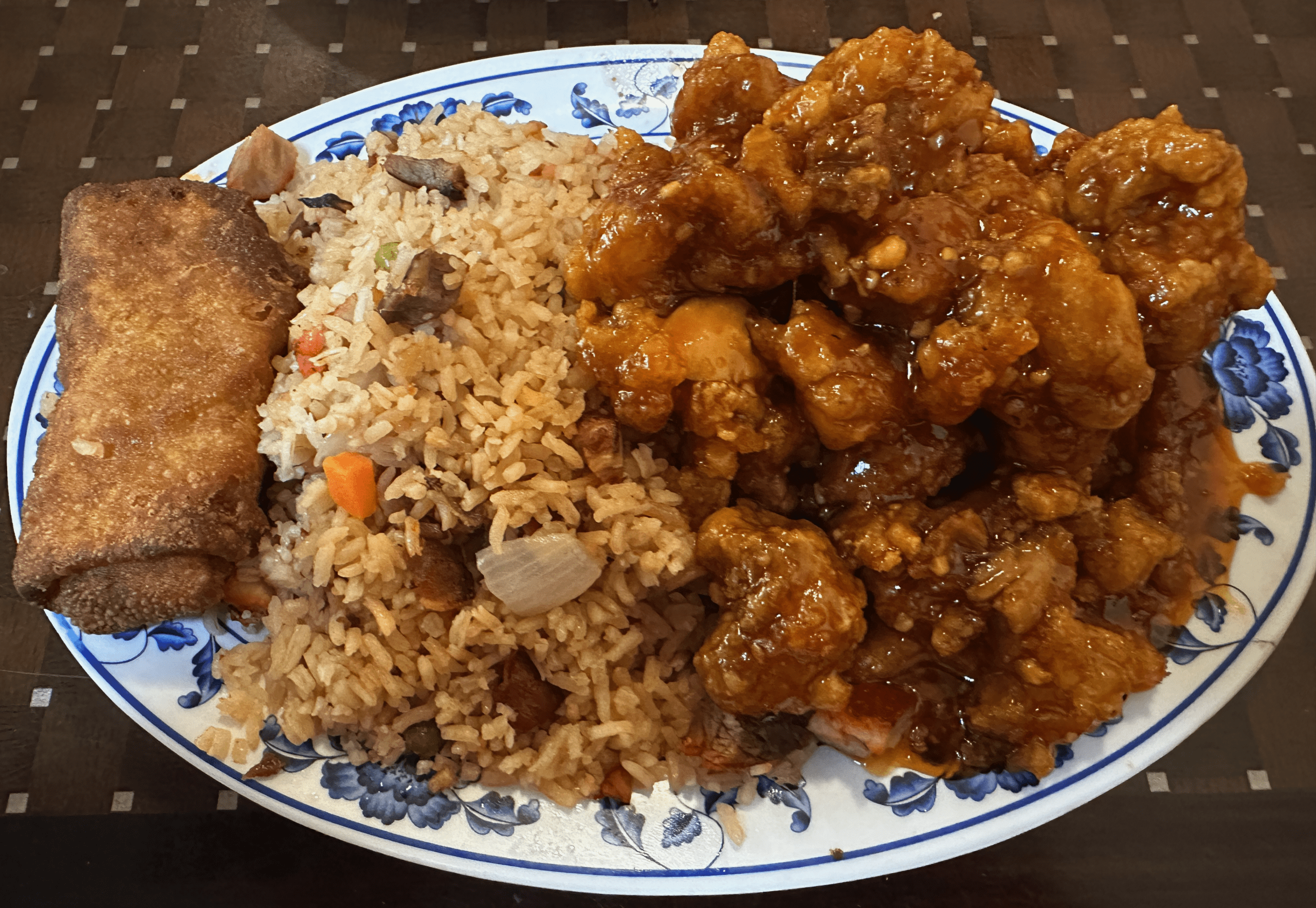
When does confidence become audacity? Is there a point at which a claim becomes braggadocio? To what extent can you trust a review on a hometown magazine? These were all questions we sought to answer during our inaugural meal at a Rio Rancho Chinese restaurant with the quaint name “Best Lee’s.”Best Lee’s is ensconced in the Southern Plaza Shopping Center in the same suite that held Peking House, a Chinese restaurant so mediocre I chose not to write anything about it during our one and only visit. In truth, we thought Peking House was still happily torturing taste buds until reading the December-January 2007 edition of Rio Rancho magazine (now defunct). A published review practically gushed with effusiveness over a dining experience at Best Lee’s. Then there’s the menu which proudly proclaims “best food in town.” That’s an audacious claim we were eager to validate or debunk. The menu, by the way, is encyclopedic in its volume, listing well over a hundred items in various categories: appetizers, soup, fried rice, lo mein, sweet and sour, seafood, poultry, pork, beef, vegetables, chow mein and chop suey, chow mein fun, diet special dishes, and the ever-present chef’s specials.   Best Lee’s opened for…

Si Señor – Las Cruces, New Mexico

Much as New Mexicans would like to think our sacrosanct red and green chile is resultant from God’s infinite grace, there’s more than divinity at work.  Would you believe science?  Even before it became known as New Mexico State University (NMSU), the state’s second largest university has played a crucial role in chile production by leading breeding programs for disease-resistant, higher-yielding varieties. It started with Fabian Garcia, a member of the first graduating class in 1894.  In 1898, Garcia became director of the agricultural experiment station. His research focused on helping farmers transition away from grain production. He became known for developing improved chile pepper varieties, a contribution that shaped New Mexico’s agricultural identity. The principal objective of NMSU’s Chile Pepper Breeding and Genetics Program is improvement of chile pepper production through genetically superior germplasm. New Mexico’s chile pepper production can be separated into five major commodities: green chile, red chile, paprika, cayenne, and jalapeno. The overall production value of chile hovers around $40-50 million annually in recent years (e.g., $41.5M in 2023), with most sold for processing into salsas and sauces Chile has long been the Land of Enchantment’s number one cash food crop. Its overall economic impact (including…

El Guero Canelo – Tucson, Arizona

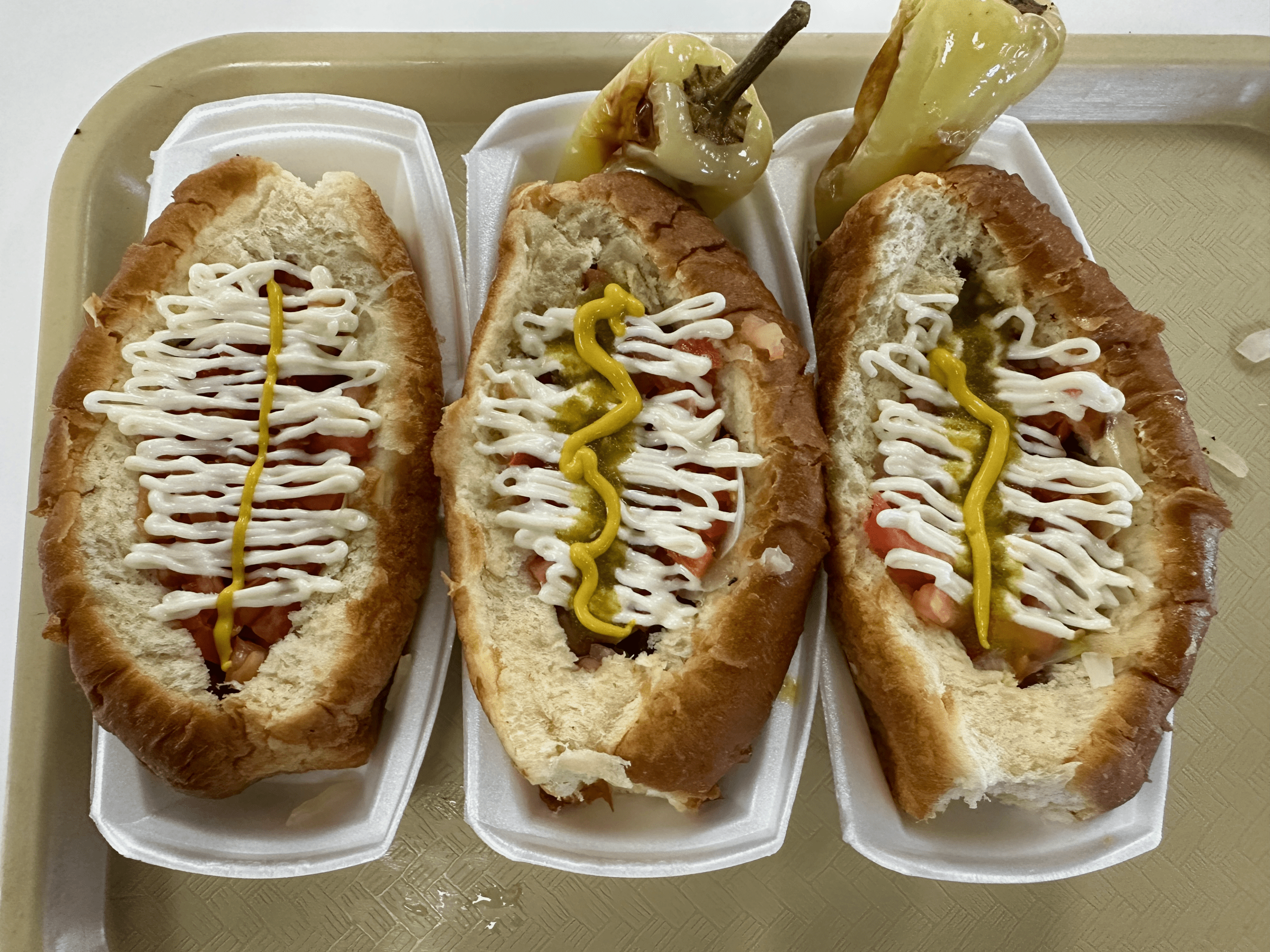
If asked to participate in a word association exercise, any well-traveled foodie undergoing psychoanalysis would find it easy to name the first food that comes to mind when a city is mentioned: Philadelphia – the Philly cheesesteak sandwich; Boston – baked beans; Chicago – Italian beef sandwiches; San Francisco – sourdough bread; Milwaukee – butter burgers; San Antonio, New Mexico – green chile cheeseburgers.  You get the point.  Some foodies might not know that Philadelphia is the birthplace of liberty, but they know about Geno’s and Pat’s King of Steaks and their decades-long battle for Philly cheesesteak supremacy. You might find it strange that seemingly pedestrian foods would be the defining cuisine of burgeoning cosmopolitan cities, historically significant metropolises and tiny hamlets in the desert, but it’s not solely foodies who associate foods with places. Anthropologist Maribel Alvarez of the University of Arizona says the “quintessential food of Tucson” is the Sonoran hot dog, explaining that instead of taking guests to high-end restaurants, locals will bring their out-of-towners to one of the city’s purveyors of Sonoran hot dogs. Hot dogs, like baseball and barbecue, aren’t exclusively the domain of Americans any more.  In fact, they never were. Before you call…

Ted’s Hot Dogs – Tempe, Arizona

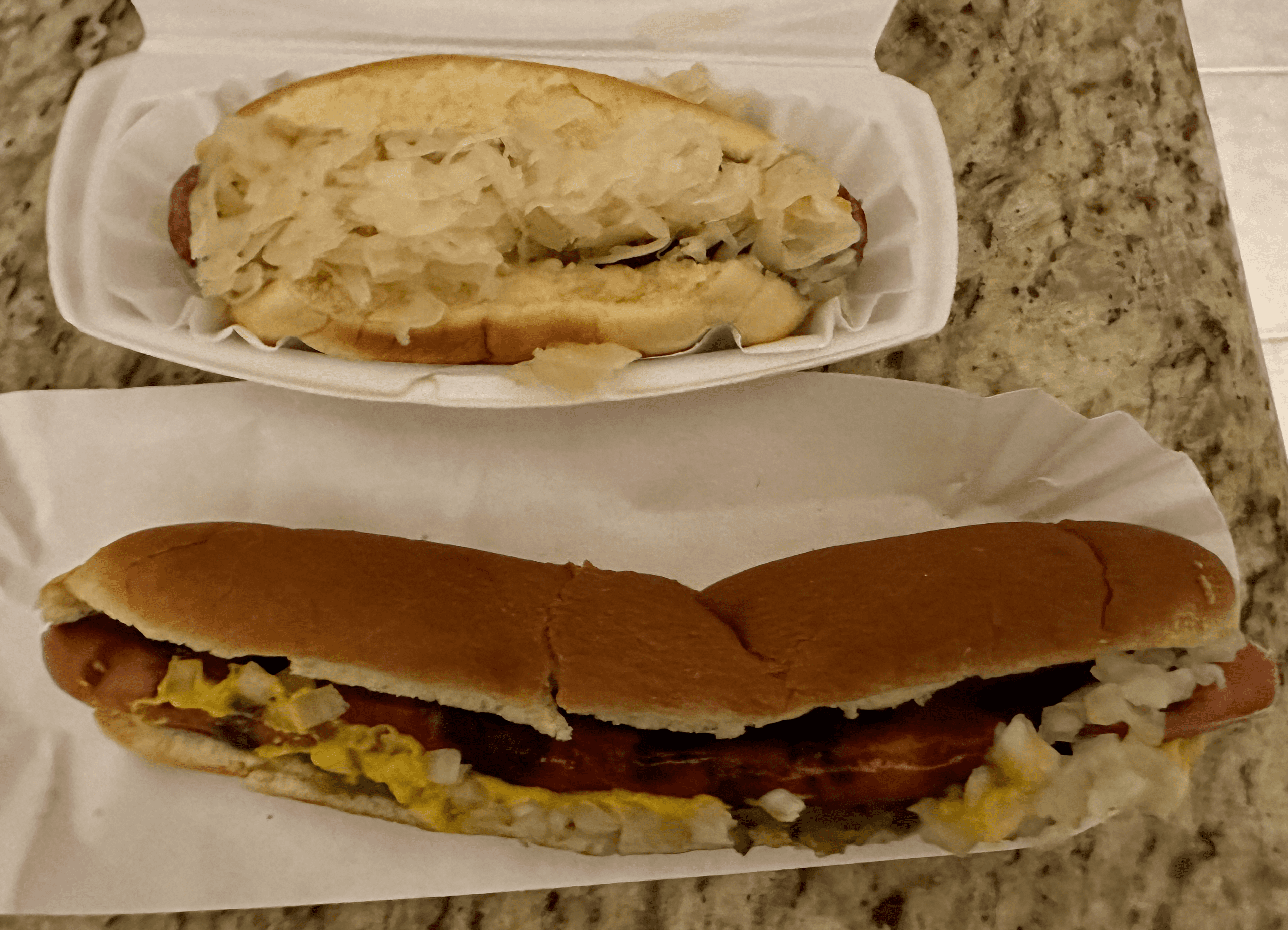
Reading Becky Mercuri’s magnificent Great American Hot Dog Book had the same effect on me that Fifty Shades of Grey had on soccer moms throughout the country.   How can someone so food obsessed not delight in such beautiful prose as “Western New York is definitely hot dog country and the preferred method of cooking is charcoal grilled.”  Charcoal grilled!  There goes another foodgasm.  New Mexicans don’t have to travel all the way to Buffalo, New York to experience these magnificent charcoal grilled libido activators.  We only have to go to Tempe, Arizona to sate our hunger…or lust, in some cases. Ted’s Hot Dogs was a precursor to the modern food truck.  In 1927, Theodore “Ted” Spiro Liaros began operating a horse-drawn cart in a park on Buffalo’s west side in close proximity to a large construction site.  Originally known as “Ted’s Red Hots,” Ted’s is still going strong nearly a century after launching.  It’s a beloved Buffalo area institution with eight locations in Western New York and one outlier in Tempe.  The secrets to Ted’s success is strict adherence to the methods and traditions that have won over generations of hot dog lovers. One tradition not likely to ever…

Jollibee – Chandler, Arizona

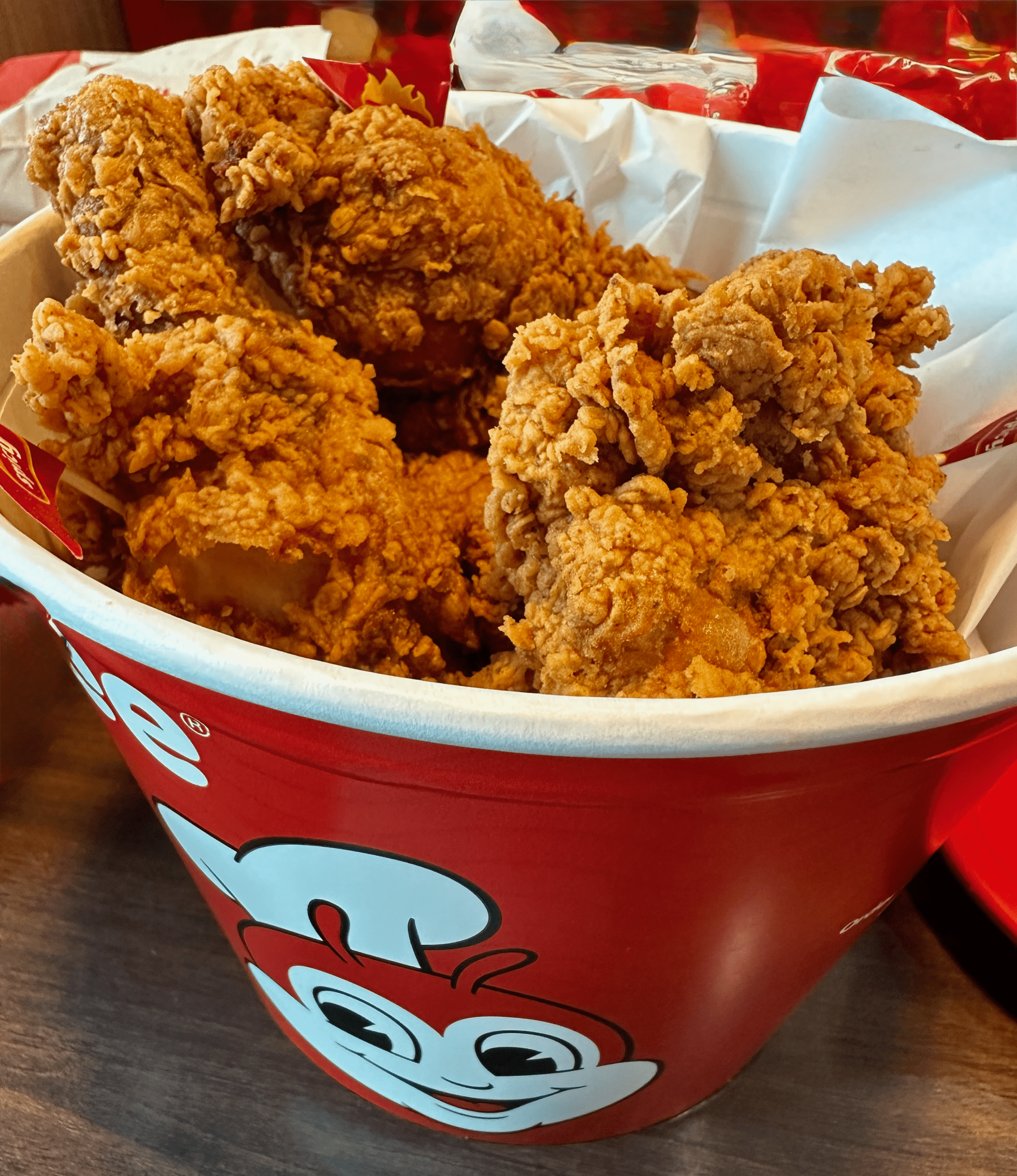
One visit to Jollibee might convince you you’ve visited yet another American chain restaurant.  You’d be half right.  Jollibee is a chain, but it’s a chain based out of the Philippines.  Apparently the many islands comprising The Philippines developed a taste for fried chicken and burgers during its years as a U.S. colony.  My Uncle Fred, a career Navy man stationed several times at Subic Bay (on the west coast of Luzon Island in the Philippines northwest of Manila), raved that the fried chicken, in particular, was far better than fried chicken anywhere in the United States.  Apparently he’s not the only person with that opinion. USA Today and Eater both recently named Jollibee fried chicken as the best in the country among fast-food restaurants, beating out brands such as Popeyes, Chick-fil-A, Church’s and KFC (not that you can consider that much of accomplishment considering how bad American fried chicken chains have become).  Jollibee now has about eighty locations across the fruited plain.  With my Kim hankering for fried chicken, we managed to find the only Jollibee in all of Arizona.  It’s located in Chandler, not too far from the Intel plants which I once visited for eighteen years.  Chandler,…

Pizzeria Bianco – Phoenix, Arizona

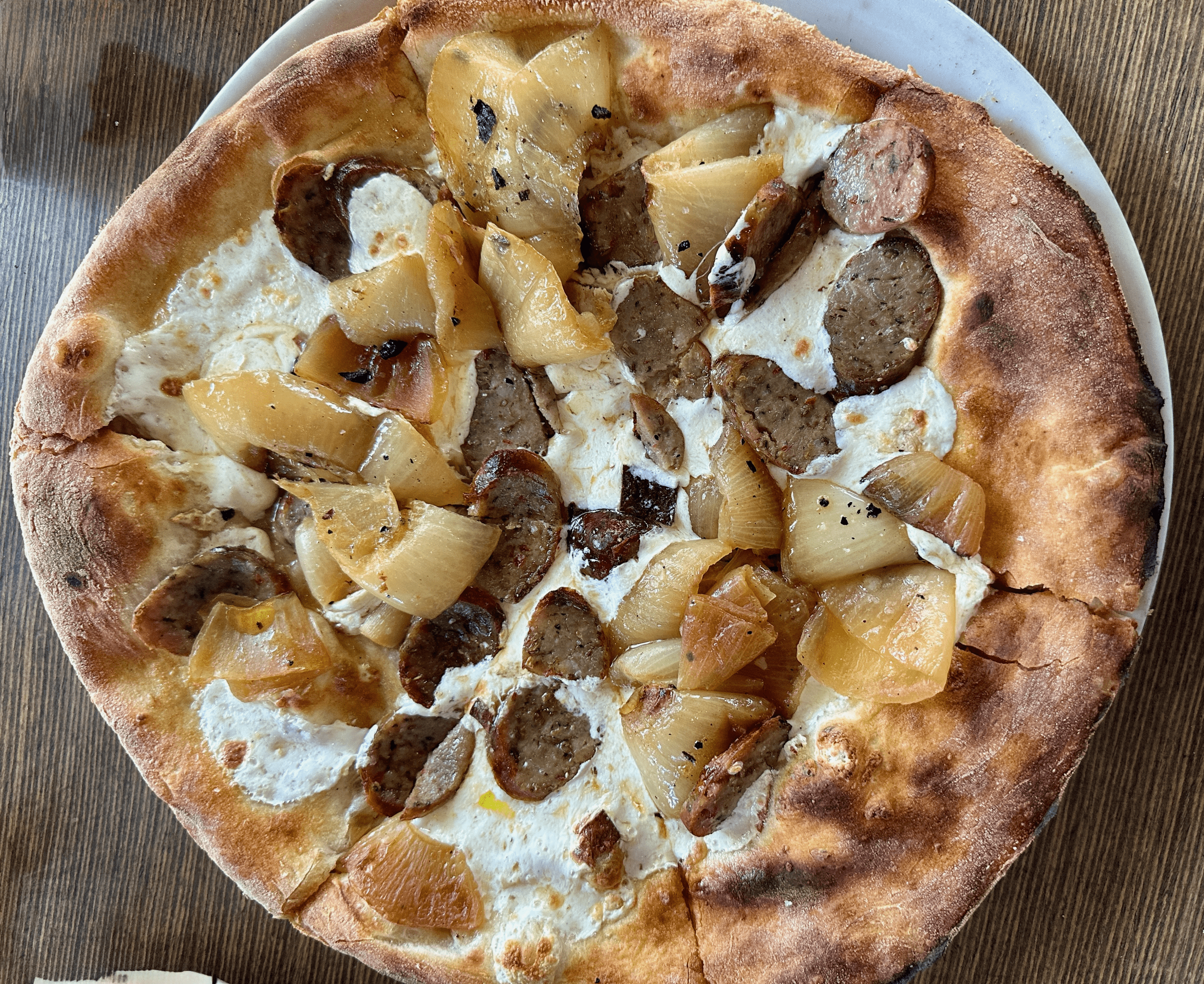
To celebrate the 100 year anniversary of pizza in America, Ed Levine, the creator/founder of Serious Eats,  ate nothing but pizza for an entire twelve month period, taking a representative pulse of the best from among thousands of pizza purveyors. His terrific tome, Pizza A Slice of Heaven, published in 2005,  provides a definitive guide to a much-loved product that in its elemental form is simplicity itself–bread, cheese and whatever toppings a pizzaioli artisan might care to add. To the surprise of many, Levine declared the best pizza in America (and the world, for that matter) to be made in the unlikely town of Phoenix, Arizona where the intensely brilliant Chris Bianco plies his trade as no other. Before a business trip to Phoenix in 2002, I also learned that a writer for Travel & Leisure magazine definitively proclaimed Pizzeria Bianco as “the best place in America for pizza.” I also found that in its 1998 edition, Zagat’s respondents rated Pizzeria Bianco the top restaurant in Phoenix with a lofty rating of 29. Despite these proclamations, I couldn’t accept that a pizza could possibly be that good. The impunity of all these blasphemers to place on the loftiest pedestal, a pizza…

Fry Bread House – Phoenix, Arizona

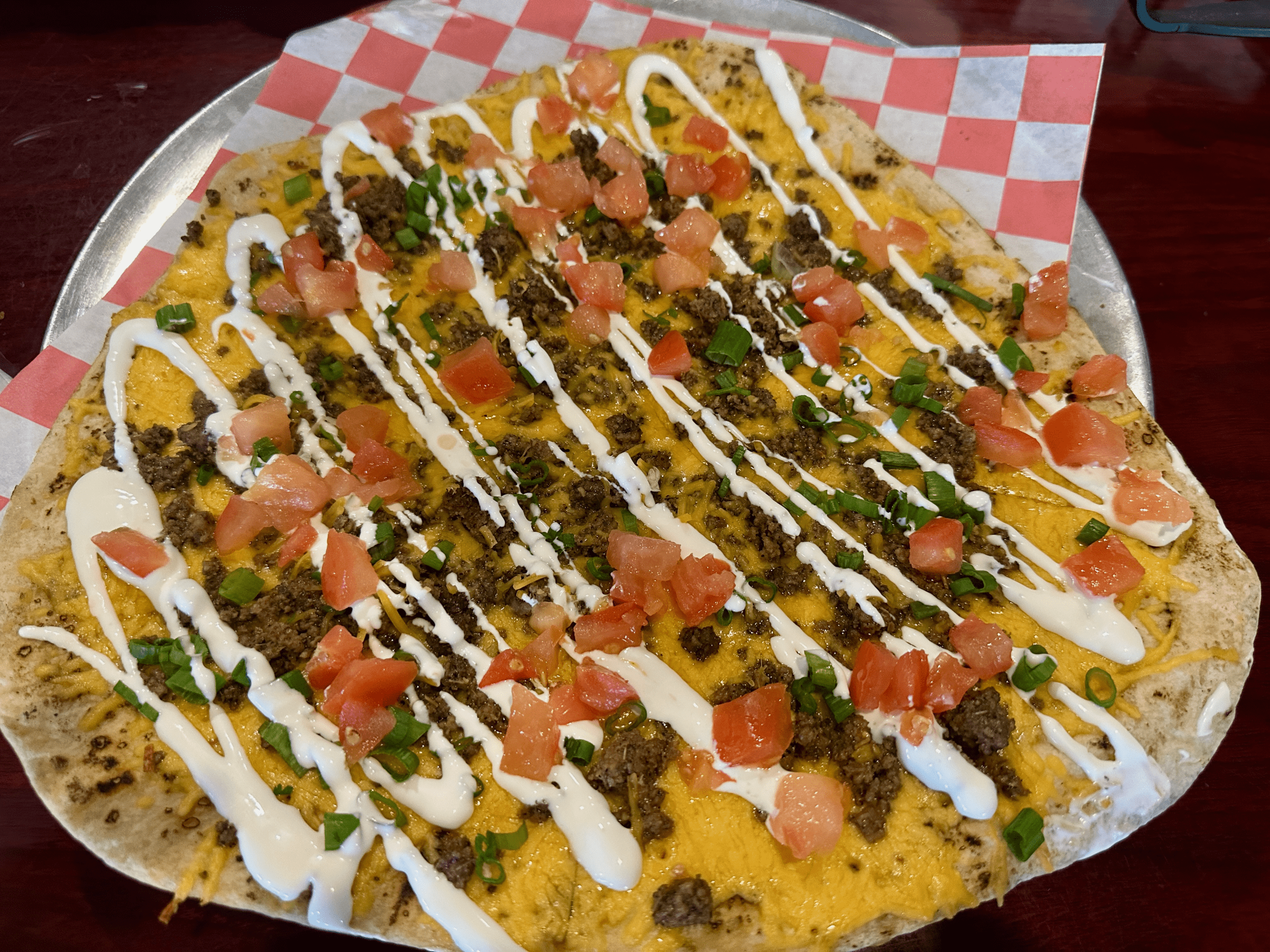
The James Beard America’s Classics Award honors locally owned restaurants with timeless appeal, beloved in their region for serving quality food that reflects the character and cultural traditions of their community, and must have been operating for at least 10 years, recognizing enduring, community-rooted establishments over flashy new trends. While the America’s Classic award is presented annually, only six of the twelve James Beard regions are eligible each year.  That means every other year, each region is represented.  This ensures broad coverage over time.  The most recent New Mexico recipient of the America’s classic award is the incomparable Mary & Tito’s. In 2012, the Fry Bread House, a beloved Phoenix institution since 1992, earned the America’s Classic award, becoming the very first Native American restaurant in the United States to earn that distinction.  The Fry Bread house was started by Cecelia Miller, a member of the Tohono O’odham Nation.  After she passed away in 2020, her children Jennifer and Richard continue the tradition.  According to the restaurant’s website “Tohono Oʼodham people are known throughout the southwest for their red chili beef, large, hand-stretched flour tortilla and fry bread.”   Over the years, the restaurant has garnered many “Best of the City”…

All Pierogi Kitchen – Mesa, Arizona

Not surprisingly, culinary historians aren’t in complete agreement regarding the origin of pierogi.  Most believe dumplings likely traveled from Asia along the Silk Road to Eastern Europe.  Perhaps they were even brought over by Marco Polo or Turkish traders.  That’s the more likely origin story.  The more popular Polish origin story credits St. Hyacinth of Poland for the pierogi.  In fact the Polish exclamation “St. Hyacinth with his dumplings!” is a call for help during hopeless circumstances (much like St. Jude being asked to intercede in the resolution of hopeless causes). There are two legends involving St. Hyacinth and pierogies.  During a visit to a village in Poland, a hailstorm broke out, destroying crops and leaving people with the prospect of famine. Hyacinth told them to pray. The next day, the crops were miraculously restored. As a token of gratitude, the people then treated Hyacinth to pierogi made from those crops. The second legend mentions Hyacinth feeding people with pierogi during a famine caused by the Mongol invasion of 1241.Whatever the true origin of pierogies may be, you can’t dispute that divine intervention was involved in the creation of one of the most universally popular foods throughout Eastern Europe. They…