Papa Nacho’s – Albuquerque, New Mexico

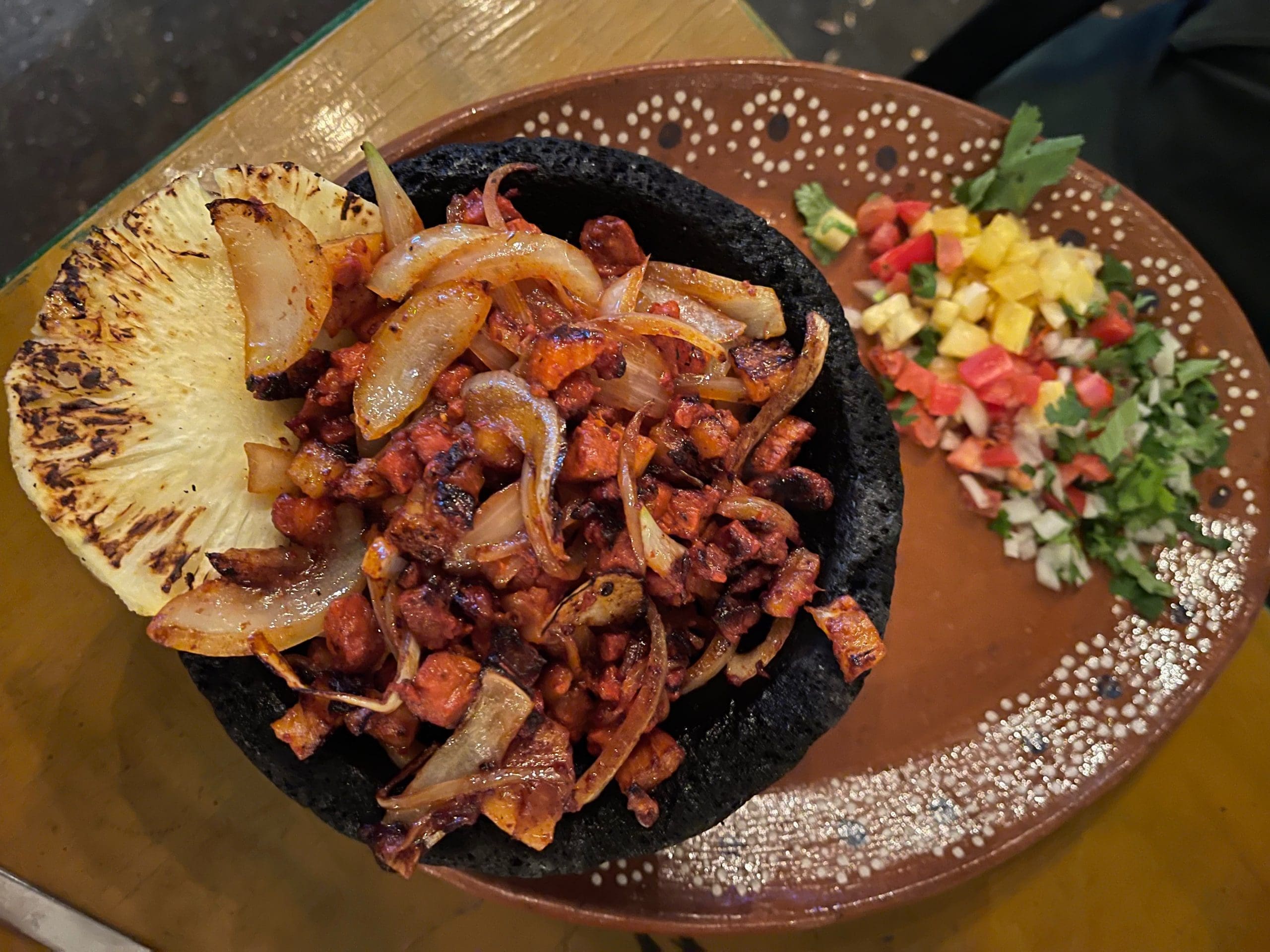
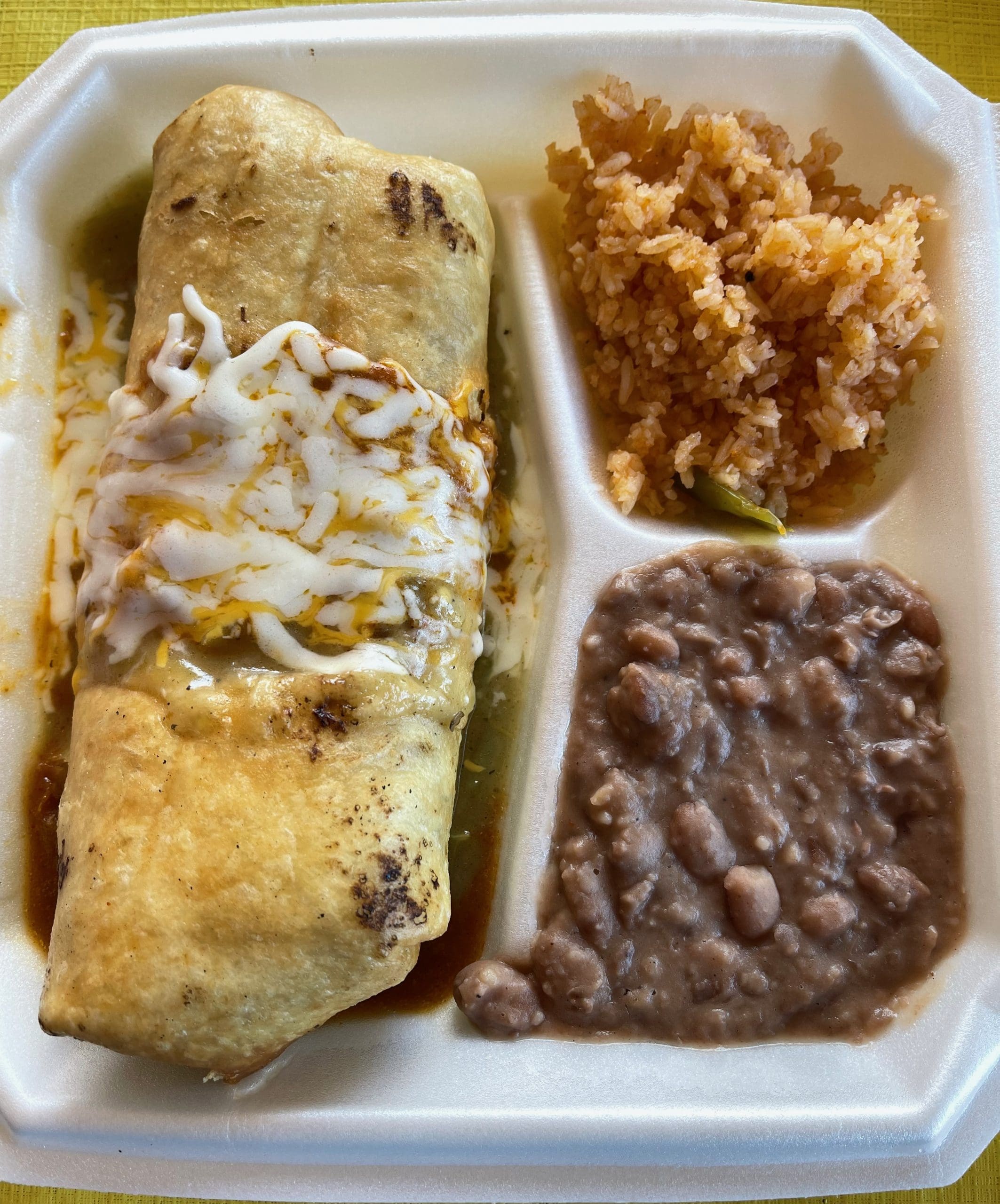
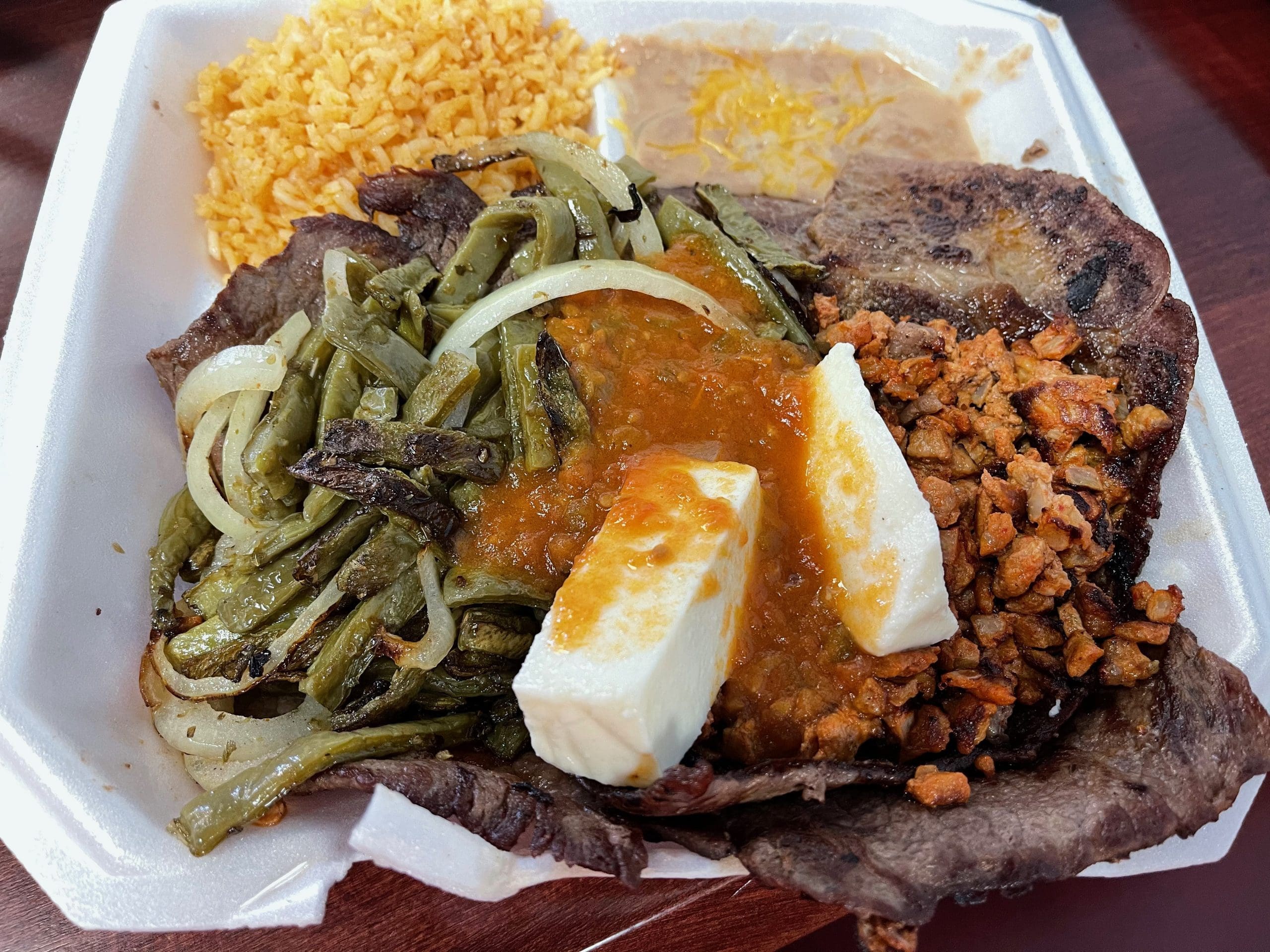
“No one who cooks, cooks alone. Even at her most solitary, a cook in the kitchen is surrounded by generations of cooks past, the advice and menus of cooks present, the wisdom of cookbook writers.” ~Laurie Colwin, Novelist The notion of cooking alone is unthinkable to Ignacio and Brigette “BeBe” Lopez, founders of Papa Nacho’s. Since they launched their popular Mexican restaurant in 1995, the restaurant has embodied the aphorism “the family that cooks together, stays together.” Papa Nacho’s is and always has been a family affair, with daughters Gloria and Marcial practically having grown up in the kitchen. Today Marcial and her husband Richard Jimenez own the restaurant and Gloria is living in California.  The gracious Gloria once reminded me, “it wouldn’t be a family restaurant if it wasn’t about family.” More than most restaurants in Albuquerque which promote themselves as being “family owned and operated,” Papa Nacho’s lives it. Some of Gloria’s most cherished times were when she and her dad come in at four in the morning to begin the extensive preparatory work it takes to serve their patrons. At Papa Nachos, there are no short-cuts. Vegetables are hand-cut and all sauces are meticulously prepared. Pinto beans…

Tako Ten – Albuquerque, New Mexico

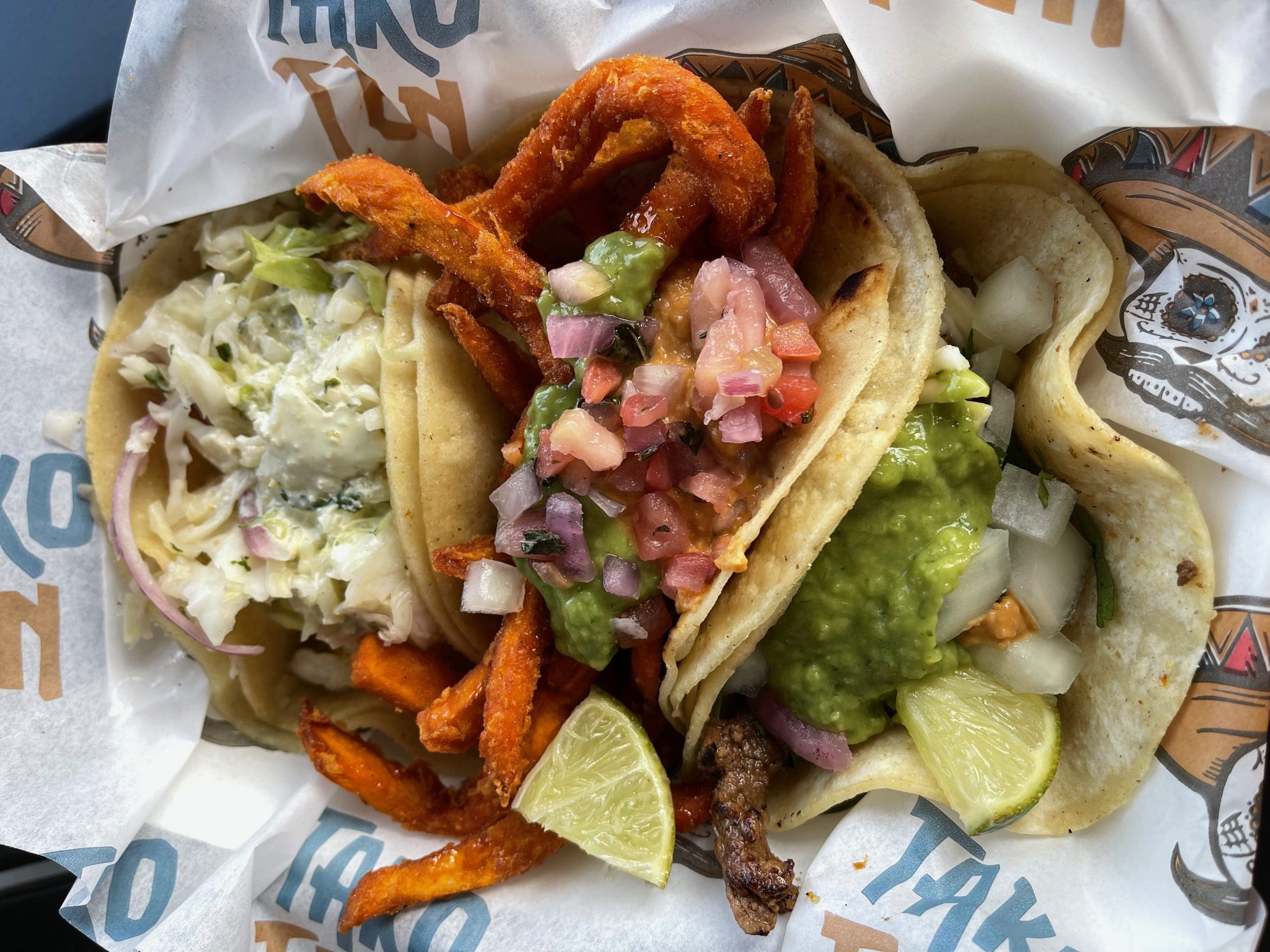
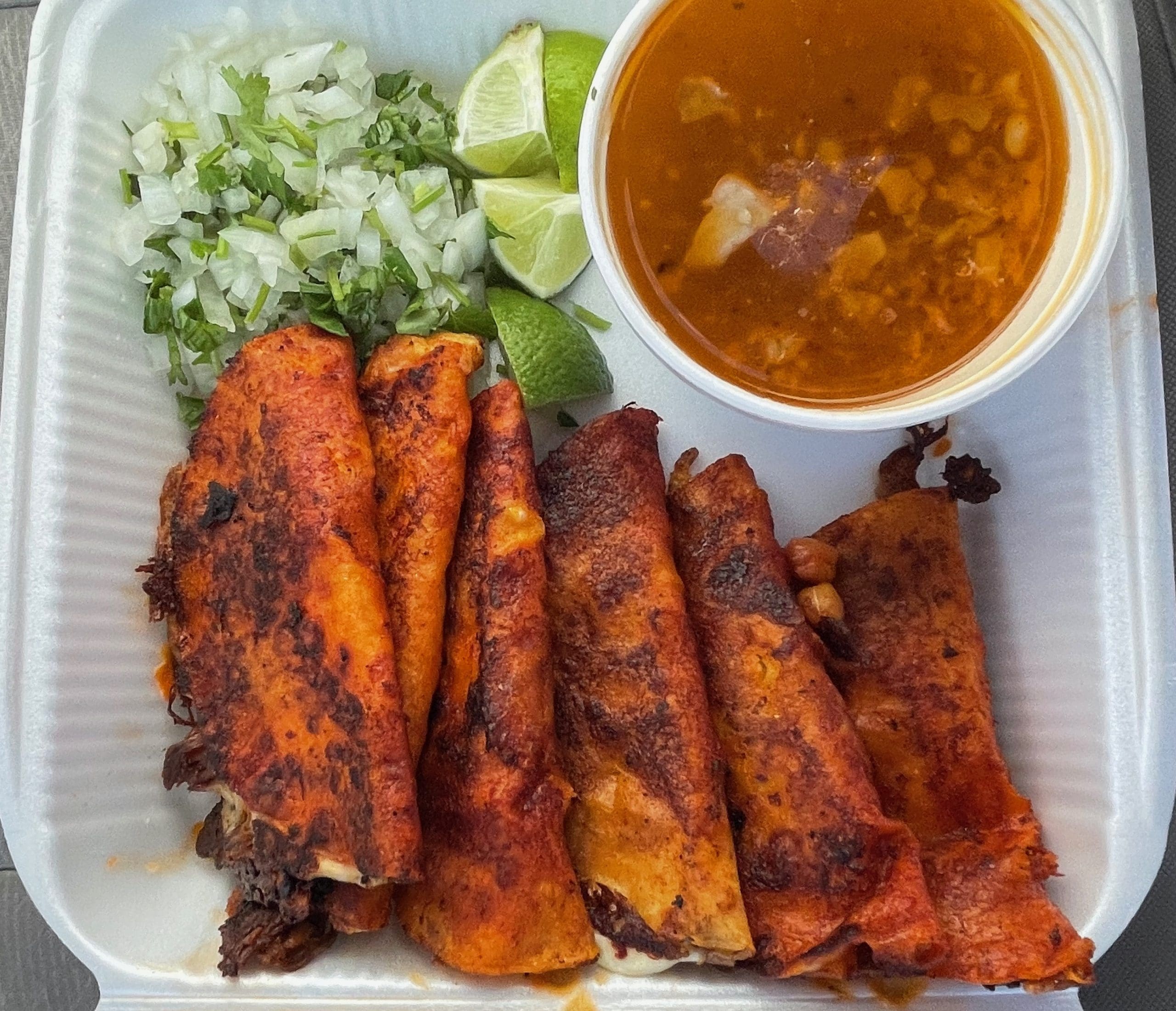
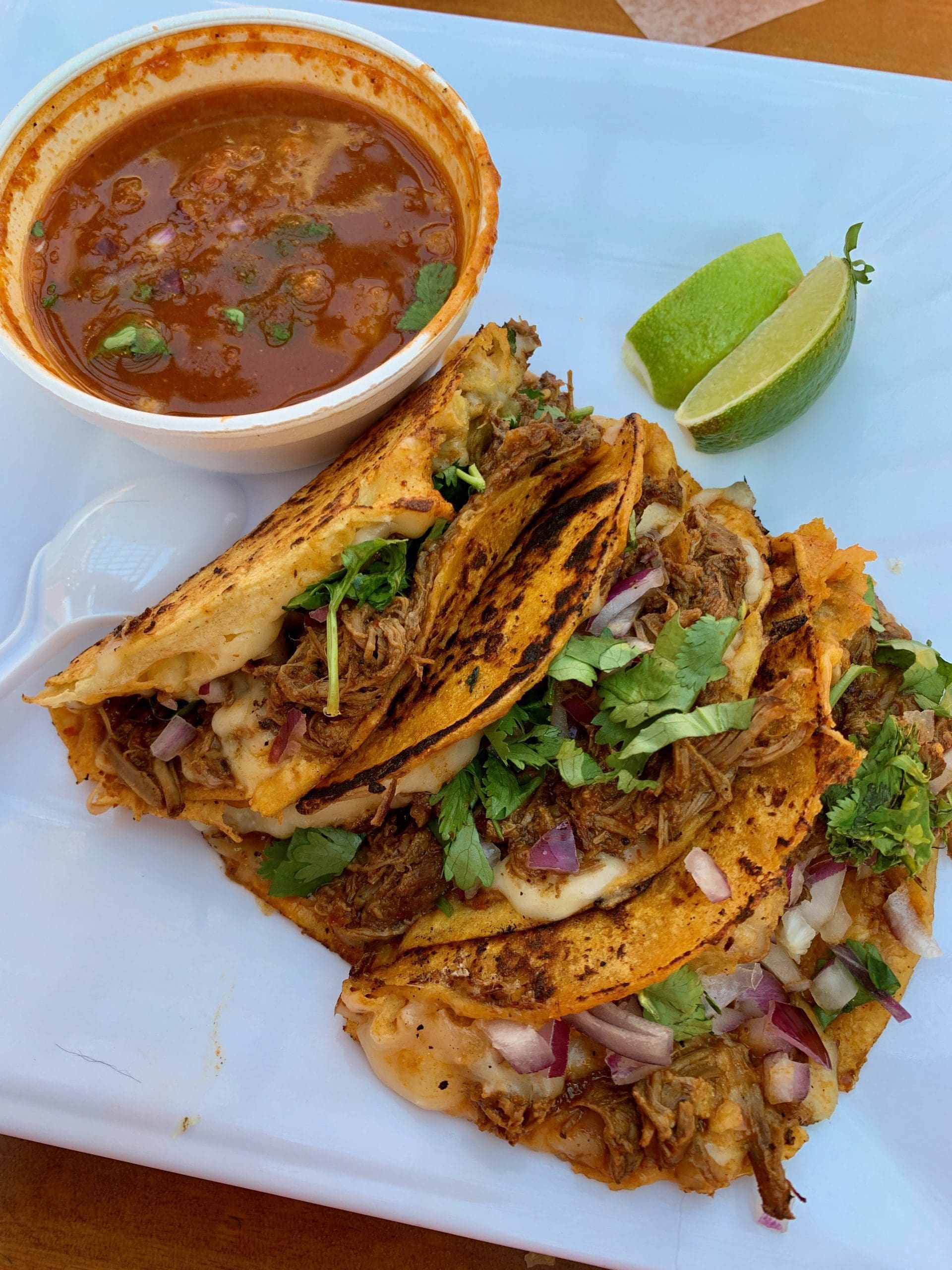
Gustavo Arellano, author of Taco USA: How Mexican Food Conquered America, wasn’t kidding when he quipped “The Taco Bell taco is dead. Long live the taco.”  Boomers like me may not have grown up heading for the border, but we did grow up with the Taco Bell “taco template”–a crunchy hard-shell tortilla crammed with seasoned ground beef, chopped tomato, lettuce, a fistful of shredded yellow cheese and a large dollop of sour cream.  We’ve long since joined enlightened millennials and generation Z diners in railing against what Chef Rick Bayless calls Taco Bell’s “near-laughable caricature” of authentic Mexican tacos.   So just what are authentic Mexican tacos? Travel throughout the Land of Montezuma and whether you get your tacos from upscale restaurants, market stalls or street vendors, you’ll quickly discover their versatility, diversity and deliciousness.  Adventurous diners can, for example, enjoy palm-sized tortillas filled with virtually every part of the pig, cow, or chicken.  These proteins can be stewed (as in a guisado), barbecued (for barbacoa), roasted on a vertical spit (al pastor), cooked atop a griddle (a la plancha), or served campechano (a mélange of chopped meats). Tacos de mariscos (seafood), pescado (fish) and chapulines (grasshoppers) are also pretty popular…

Taco Bus – Albuquerque, New Mexico

Perhaps no mobile conveyance in the Land of Enchantment has ferried as many interesting people on as many colorful journeys as the “Road Hog,” the psychedelic bus which shuttled its passengers from Haight-Ashbury to Woodstock to Llano Largo, New Mexico. The Road Hog’s 1969 arrival in Llano Largo heralded the start of the “summer of the hippie invasion” as The Taos News called it. There unwashed masses settled into a Utopian agrarian commune they called the Hog Farm. The Road Hog with its familiar duck hood ornament and Grateful Dead-style tie-dyed design became a common sight in Peñasco, my childhood home.   Everyone–from sanctimonious adults to horny teenagers–visited the Hog Farm.  The former feigned shock and outrage at the audacity of the hippies frolicking in their altogether.  The latter gaped in astonishment at the nubile nymphs parading a boldness exceeding the rather benign porn of the time.  By road, our home was several miles away from the Hog Farm.  By hiking over the river, through the woods and up the hills behind our home we could easily walk to the Hog Farm.  My friends and I grabbed many an eyeful and a good education in anatomy and biology every time we…

Antojitos Lupe – Bernalillo, New Mexico

Gustavo Arellano, the brilliant and hilarious author of Ask a Mexican, an erstwhile syndicated satirical weekly newspaper column published mostly in weekly alternative papers, used to be one of my go-to sources of entertainment and information, particularly regarding our common and beloved Spanish lexicon. His inimitable wit and perspective is amusing and enlightening. Take for example his translation of the word “antojitos.” in an article published in his then parent newspaper, the Orange County Weekly, Arellano observed that “the Spanish menu entry antojitos translates as “appetizers,” but the expression connotes more than mere snacks. It derives from the noun antojo, which describes the cravings unique to pregnant women. Antojitos, then, is “little cravings,” and Latinos know that their before-the-main-meal bites should be so appetizing that expectant females snarl at husbands to seek these delights at ungodly hours.” Expectant mothers snarling! Ungodly hours! Obviously antojitos should be good enough to elicit the type of carnal response usually reserved for something more than special…something great. One could surmise that in a sense, antojitos are the Mexican equivalent of dim sum, but where antojitos translates to “little cravings,” dim sum translates to “a bit of heart” or “heart’s delight.” In either case, Mexicans are…

Nena’s Food – Albuquerque, New Mexico (CLOSED*)

“The restaurant business, as I well know, ain’t no picnic. And in Mexico City, it’s particularly rough.” ~Anthony Bourdain NOTE:  Although its brick-and-mortar shuttered its doors in 2022, Nena’s Food now exists as a food truck.  You can find it parked “Somewhere in New Mexico.” With an urban area population of almost 22-million over a broad expanse of 573 square miles, Mexico City is the fifth most populous city in the world and the most heavily populated city in North America. Known as Distrito Federal, or the federal district, it is the country’s economic and cultural hub, as well as home to the offices of the federal government. A true megalopolis, Mexico City boasts of some 15,000 restaurants including two restaurants ranked among the world’s fifty best restaurants in 2019 and eleven of Latin America’s 50 top-ranked restaurants.  By any measure, Mexico City is one of the world’s greatest eating cities.  Whether in pursuit of cosmopolitan fine dining, incomparable street food or market stalls showcasing agrarian bounty, you’ll find it in this culinary Mecca.  You’ll uncover both time-honored recipes–some predating Cortez–passed down through the generations as well as a globally-influenced fusion of ingredients and techniques.  You’ll relish dishes with unique…

Street Food Sensations – Albuquerque, New Mexico

Restaurant Insider, which touts itself as “your source for restaurant news, trends, information, tools and conversation” has observed that one of the catalysts most instrumental in driving a changing culinary landscape are Generation Z (anyone born between 1997 and 2010) diners.  With a spending power of over $29 Billion, Gen Z diners make up a quarter of all the people going out to eat, accounting for 14.6 billion restaurant visits in 2018.  Gen Z is increasingly influencing restaurant industry trends, prompting savvy restaurateurs to take a real hard look at their current menus. And just what do Gen Z diners want?  According to Technomic’s  2019 College & University Consumer Trend Report, “42 percent of Gen Z-ers want street food on the menu.”  Not just the street food more geriatrically-advanced citizens among us might think of, but food fashioned by the fusion of culinary cultures and ingredients.  Because Gen Z constitutes the most ethnically diverse of all generational cohorts, the traditional definition of “American” food is rapidly evolving, with ethnic tastes and foods becoming even more mainstream.  Gen Z wants—and expects—more mash-ups combining multiple ethnic influences, a blurring of lines between ethnic menus. As we perused the menu at Street Food…

Taco Cabana – Albuquerque, New Mexico

In 1972, English author Diana Kennedy, the doyenne of Mexican cuisine, penned The Cuisines of Mexico, a Mexican cookbook in which she described Texas’s Mexican food as “inauthentic,” coining the term “Tex-Mex.”  Kennedy essentially drew a line of demarcation between the foods of her beloved Mexico, what she viewed as “the real thing” and the foods prepared North of the Border. Her assertion was that most Mexican food in America is technically of Tex-Mex derivation (yes, that includes New Mexican cuisine). Meghan McCarron’s feature on Tex-Mex cuisine for Eater seems to indicate Kennedy’s low regard for Tex-Mex cuisine is rather widespread: “The standard narrative about Tex-Mex is that it’s an inauthentic, unartful, cheese-covered fusion, the kind of eating meant to be paired with unhealthy amounts of alcohol or to cure the effects thereof. There’s a lot of easy-melt cheese, the margaritas are made with a mix, and the salsas come from a bottle.”  Just what is Tex-Mex and why does it inspire such rancor?  According to Serious Eats, Tex-Mex cuisine “ is rooted in the state’s Tejano culture (Texans of Spanish or Mexican heritage who lived in Texas before it became a republic) and also Mexican immigrants who hailed largely…

Duke City Taco – Albuquerque, New Mexico (CLOSED)

Observer: You’ve said that you can do anything with a taco, except put ketchup on it? Danny Trejo: That’s it! [Laughs]. Observer: Do people try to do that? Danny Trejo: Yeah, some people think that ketchup is good on a taco. Maybe if you’re 10-years-old, you might want to put ketchup on a taco. Observer: But that’s sacrilegious! Danny Trejo: I know, right? Over the years, putting ketchup on a hot dog has been cussed and discussed ad-nauseam, the consensus being that adults and sane people should never put ketchup on hot dogs.  Actor cum restaurateur Danny Trejo contends it’s just as wrong to put ketchup on a taco.  When “Machete” speaks, you’d do well to listen and not only because he can kick your butt(ered tortilla).  Trejo, a prolific actor who’s been in about three-hundred movies and famously served a prison sentence, owns and operates several restaurants in the Los Angeles area, including the eponymous Trejos Tacos. As an independent observer of the taco condition, I’ve often marveled at the versatility of the taco.  There appears to be no limit to what you can put between corn tortillas, flour tortillas and even lettuce leaves and still call them tacos. …

Sharky’s Fish and Shrimp – Albuquerque, New Mexico (CLOSED)

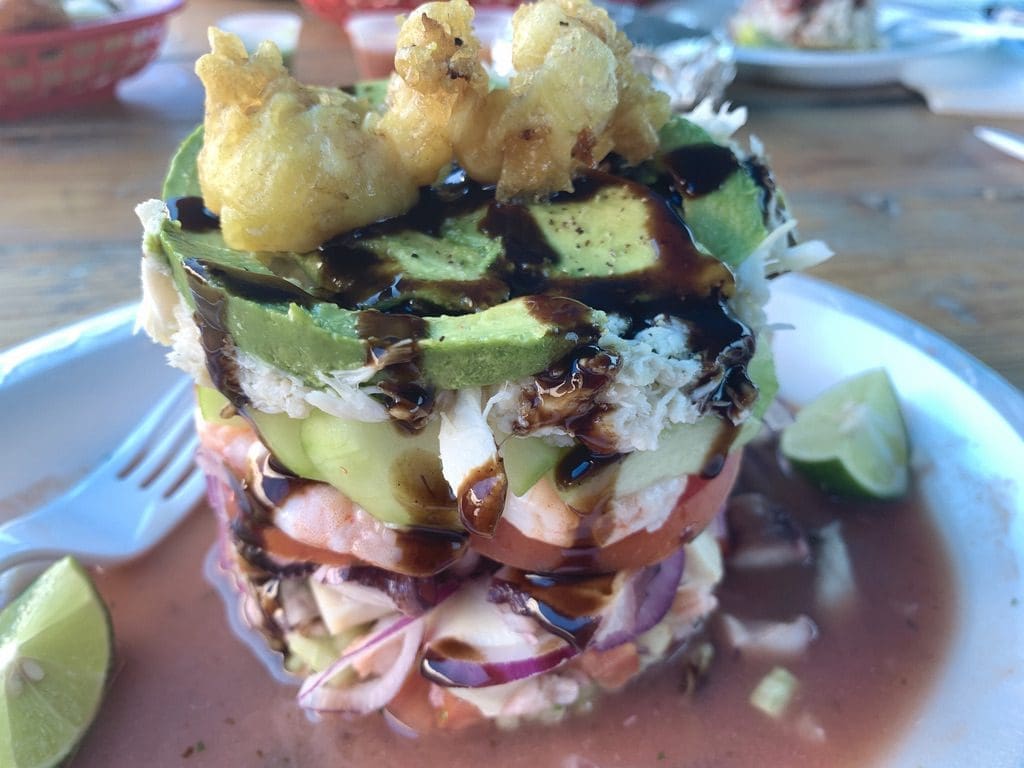
Never mind your tired, your poor or even your huddled masses yearning to breathe free. Carlos Zazveta, the effusive proprietor of Sharky’s Fish & Seafood told us to bring our dogs, our cows and our goats next time we visit. That was after we explained we didn’t bring our children because they’re of the four-legged variety that barks. He was just kidding, of course. Carlos does that a lot. When he espied me taking pictures of the Sharky’s complex, he flashed a toothy grin and flexed his pecs from within the confines of the oyster bar he was manning at the time. In New Mexico, Sharky’s just may be the closest you’ll get to being in a Mexican coastal resort—not because of proximity, but by virtue of look and feel. The overhanging corrugated metal roof and lower half of the building’s walls have the tincture of deep azure, harkening to mind the clear Pacific waters of Puerto Penasco in the Mexican state of Sonora. Sonora is where Carlos calls home and where he cultivated his deep love of Mexican cuisine, especially the type of mariscos he’s sharing with his adopted hometown of Albuquerque. There are other elements to Sharky’s that…

Master Food Truck – Santa Fe, New Mexico

Drive eastward on Airport Road in Santa Fe toward Cerrillos and you just might wonder if you accidentally traipsed into the Twilight Zone and somehow found yourself in Los Angeles.  At the very least, you might find yourself declaring “I knew I should have made that left turn in Albuquerque.”   “What is this madness,” you ask.   As we found out, on weekends Airport Road is home to a veritable cavalcade of taco trucks, the overarching term for food trucks of all types in Los Angeles.  Prowling the mean streets of the City of Angels are more than 3,000 licensed taco trucks and carts.  Street food has become a billion-dollar industry in L.A. According to Yelp, there are only 42 food trucks in Santa Fe, a far cry from the 3,000 plus in Los Angeles.  On one particular Saturday in October, we marveled at just how many of those 42 food trucks were stationed in parking lots, vacant lots and cozy tree-lined spots on Airport Road. Most of them it seemed, proffered the Mexican food that made Los Angeles the mecca for street food.   Our quest was to experience the reputed best at El Queretano. That quest took us past…

Federico’s Mexican Food – Rio Rancho, New Mexico

in February, 2020, Chef’s Pencil crunched the numbers of Google searches  for ethnic cuisines to determine the most popular ethnic cuisines in America. The two most popular ethnic cuisines were deemed to be Mexican and Chinese. Denizens of the East preferred Chinese cuisine while the West went for Mexican food. Google data showed that Mexican cuisine is the most popular ethnic cuisine in 27 states–including New Mexico. Unfortunately, the data didn’t distinguish between Mexican and New Mexican or even between Mexican and Tex Mex. In reporting Google’s findings, KRQE interviewed several New Mexicans, some of whom were rather expressive about Google’s search results not recognizing  New Mexican cuisine as a unique culinary offering.  They need not be. Google’s search algorithm used rather shallow categorization to determine what constitutes ethnic foods.  That algorithm, for example, also didn’t distinguish between various types of Chinese cuisine: Szechwan, Hunan, Cantonese, and six others. The point remains, however, that outside the Land of Enchantment New Mexican cuisine is not widely recognized as a unique offering.  Even some national culinary cognoscenti tend to consider it an offshoot of Mexican cuisine or worse, a derivative of Tex-Mex.  To some degree, that’s understandable.  Only within the past few…