Fatburger – Isleta & Espanola, New Mexico

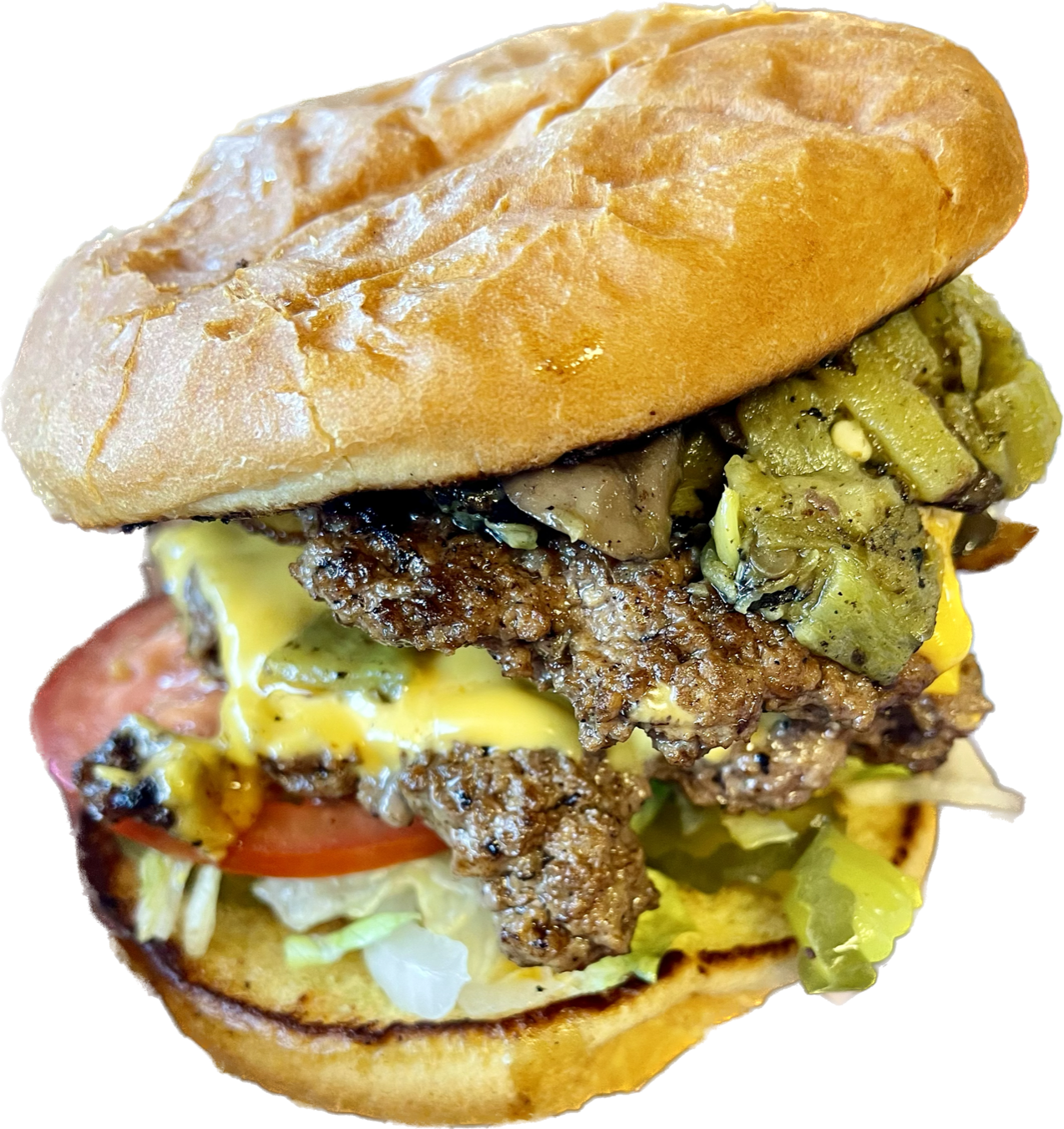
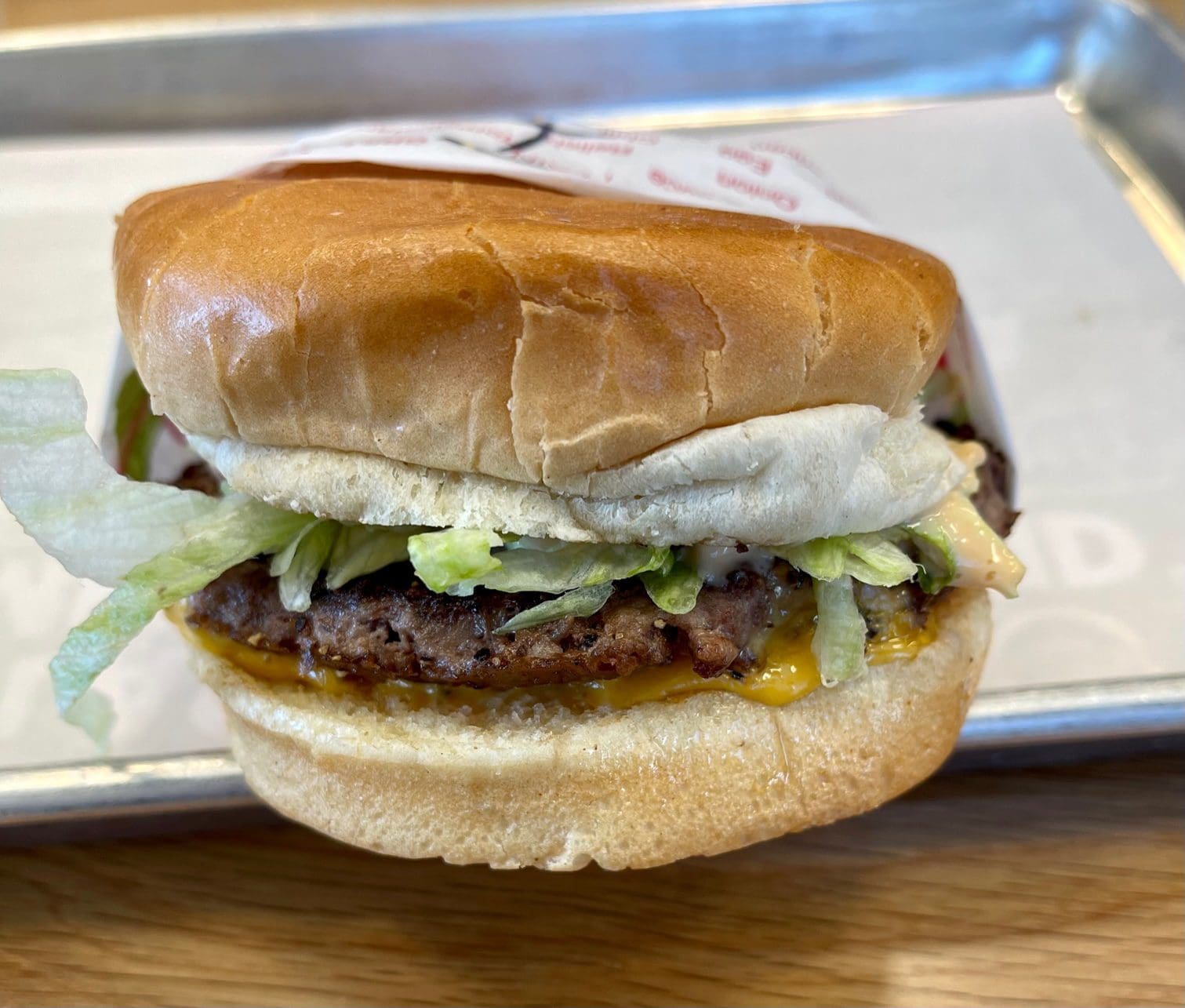
To its detractors, there are a lot of things about which to criticize California, but even detractors will give the Golden State its due when it comes to a national obsession–the hamburger.  California is the state that gave America McDonald’s, In-N-Out Burger and my favorite, the Fatburger. (My Illinois in-laws will remind me with proud vehemence that the “original” McDonald’s restaurant location (launched on April 15th, 1955) was in Des Plaines, Illinois, but the “first” McDonald’s hamburger stand operated out of San Bernardino in 1954.) To some readers, my declaration of Fatburger being my favorite California burger may be seen as heretical, the schismatic raving of a mad man and proof that your humble blogger is a moron.  I’ve had friends throughout the country question my patriotism, parentage and credentials as an essayer of restaurant reviews because of my declared preference for Fatburger and disdain for another California burger chain they prefer.  “How,” they protest “can anyone possibly prefer Fatburger to In-N-Out?”.  It’s easy!  Fatburger is superior in every way…at least to me.  Your opinion may differ, of course, but this is America and people used to be free to dissent even on crucial matters such as expressed burger preference.…

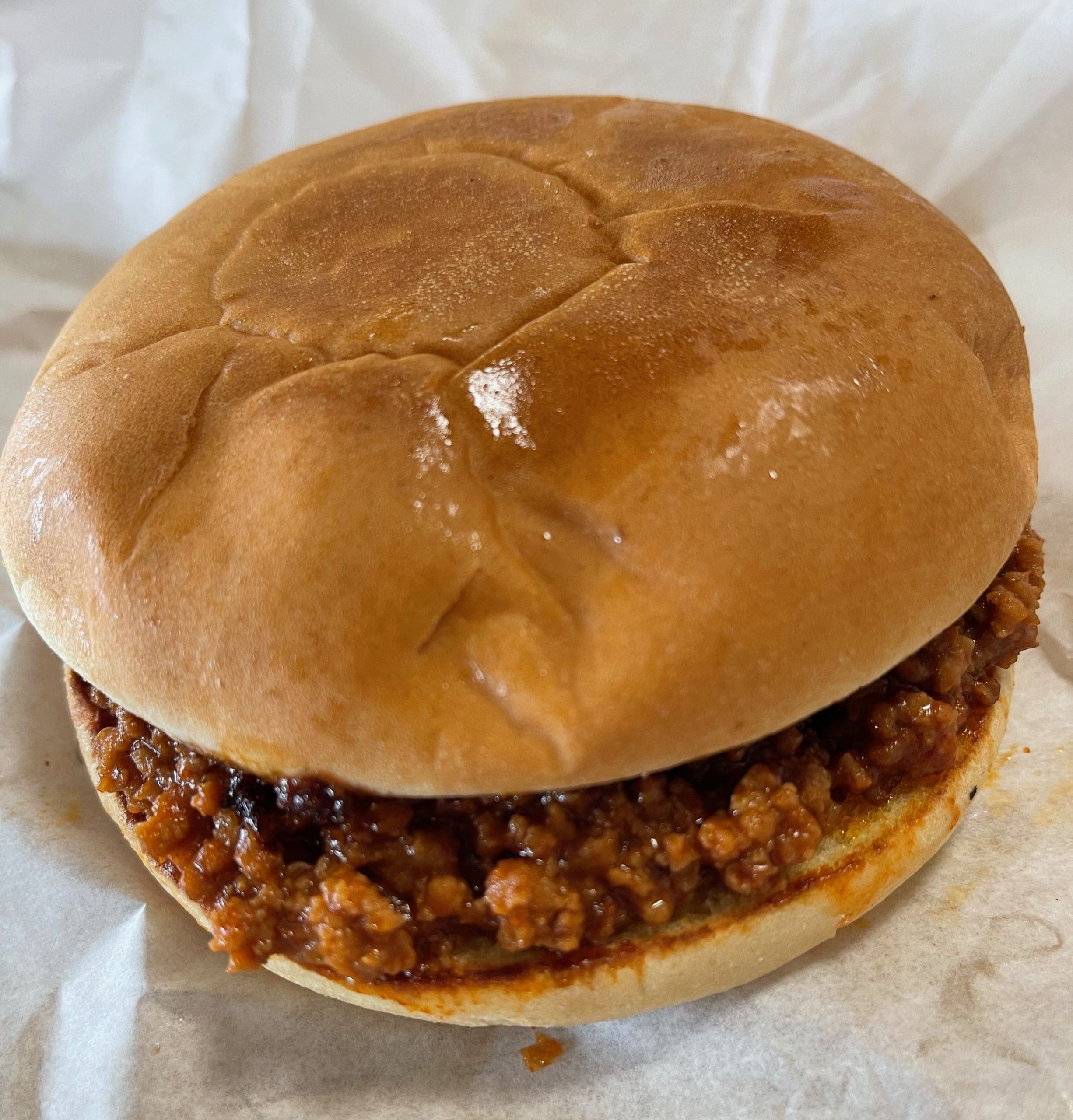
Circle T Burgers – Belen, New Mexico

The year was 1958.  The average American wage-owner’s income was $4,650 per year.  A Ford automobile cost between $1,967 and $3,929.  Milk was $1.01 per gallon.  Bread cost 19 cents a loaf and a can of Chef Boyardee spaghetti went for 19 cents a can.  First class US postage was raised to 4 cents after having held at 3 cents for more than a quarter-century.  A gallon of gasoline cost 24 cents. In 1958, the United States had two-thirds of the world’s 47-million television sets and many of them were tuned in to Gunsmoke, Father Knows Best, Dinah Shore and The Jack Benny Show.  France gave the world the disposable Bic pen (which very few people under 20 have even heard of today).  Corningware dishes, the hula hoop and stereo records were introduced.  To pay for this copious consumerism, American Express introduced the first credit card. The “King” Elvis Prestley was inducted into the United States Army. Prince, Andy Gibb, Madonna and Michael Jackson were born. In the world of sports, Pele scored two goals to lead Brazil to victory at the 1958 World Cup.  Wilt Chamberlain left the University of Kansas to play with the Harlem Globetrotters.  Ohio State…

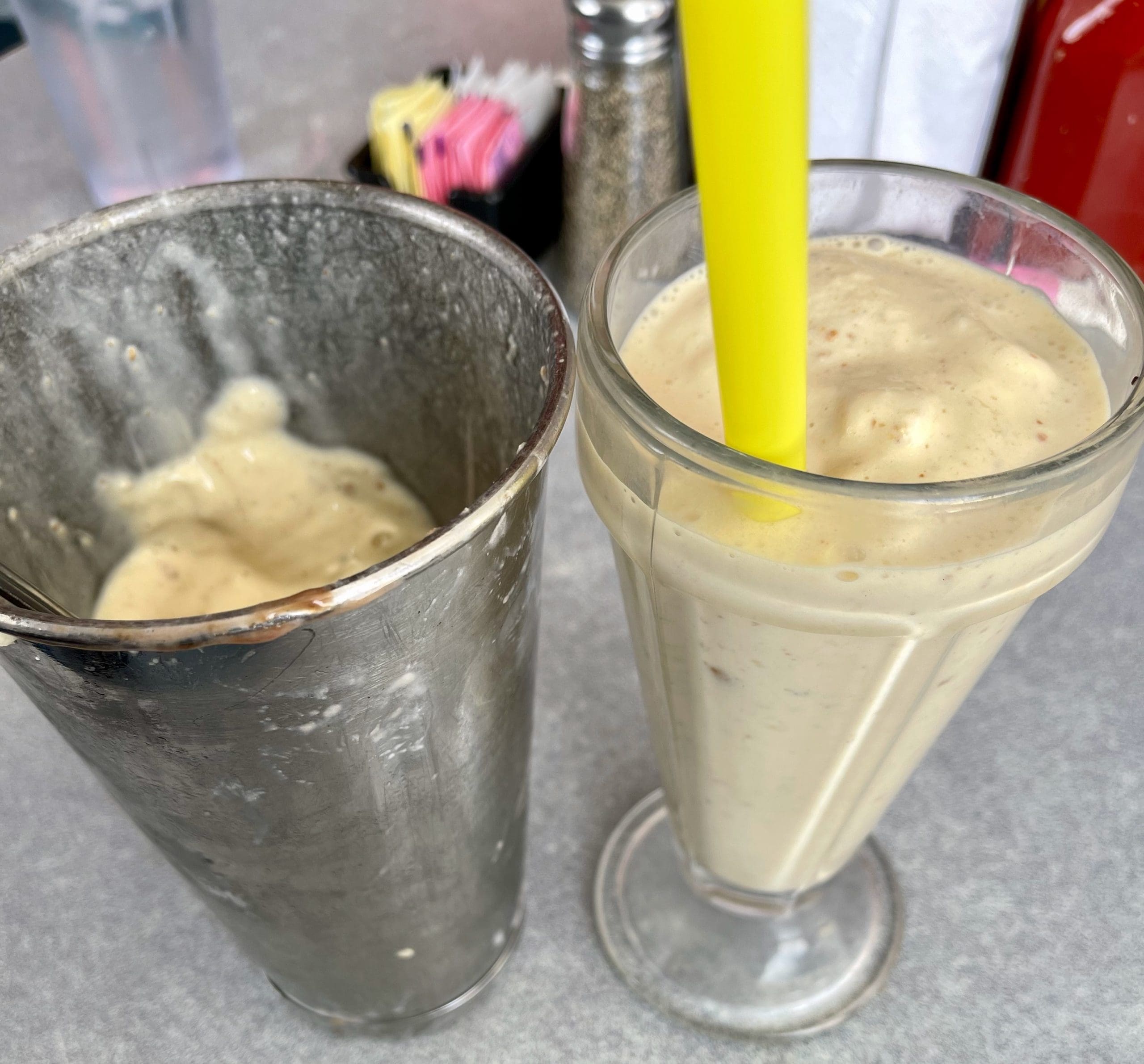
66 Diner – Albuquerque, New Mexico

Known as “America’s Highway” and celebrated by author John Steinbeck as the “Mother Road,” the legendary Route 66 meandered across 2,448 miles of the fruited plain, crossing three time zones and eight states as it traversed from Chicago to Los Angeles. For many—especially destitute sharecroppers fleeing Oklahoma’s devastating Dust Bowl—Route 66 held the promise of a better life. For others, Route 66 brought a sense of connectedness with parts of America previously considered difficult to reach. For them, Route 66 engendered a frontier spirit of adventure, greatly expanding their vacation options and travel opportunities. For hundreds of communities strewn along the two-lane blacktop, Route 66 was also an engine of economic prosperity, creating tremendous opportunities for entrepreneurs large and small. The service industry fared especially well with roadhouses, motels and restaurants springing up, offering respite and sustenance to weary and hungry travelers. Since the halcyon days of Route 66, neon signage has been a prominent and vital part of the Mother Road as it winds through Albuquerque. From the foothills of the Sandias in the east to the parched desert expanse of the west, Route 66 is festooned with vibrant neon signage that cuts a luminous swath through the city.…

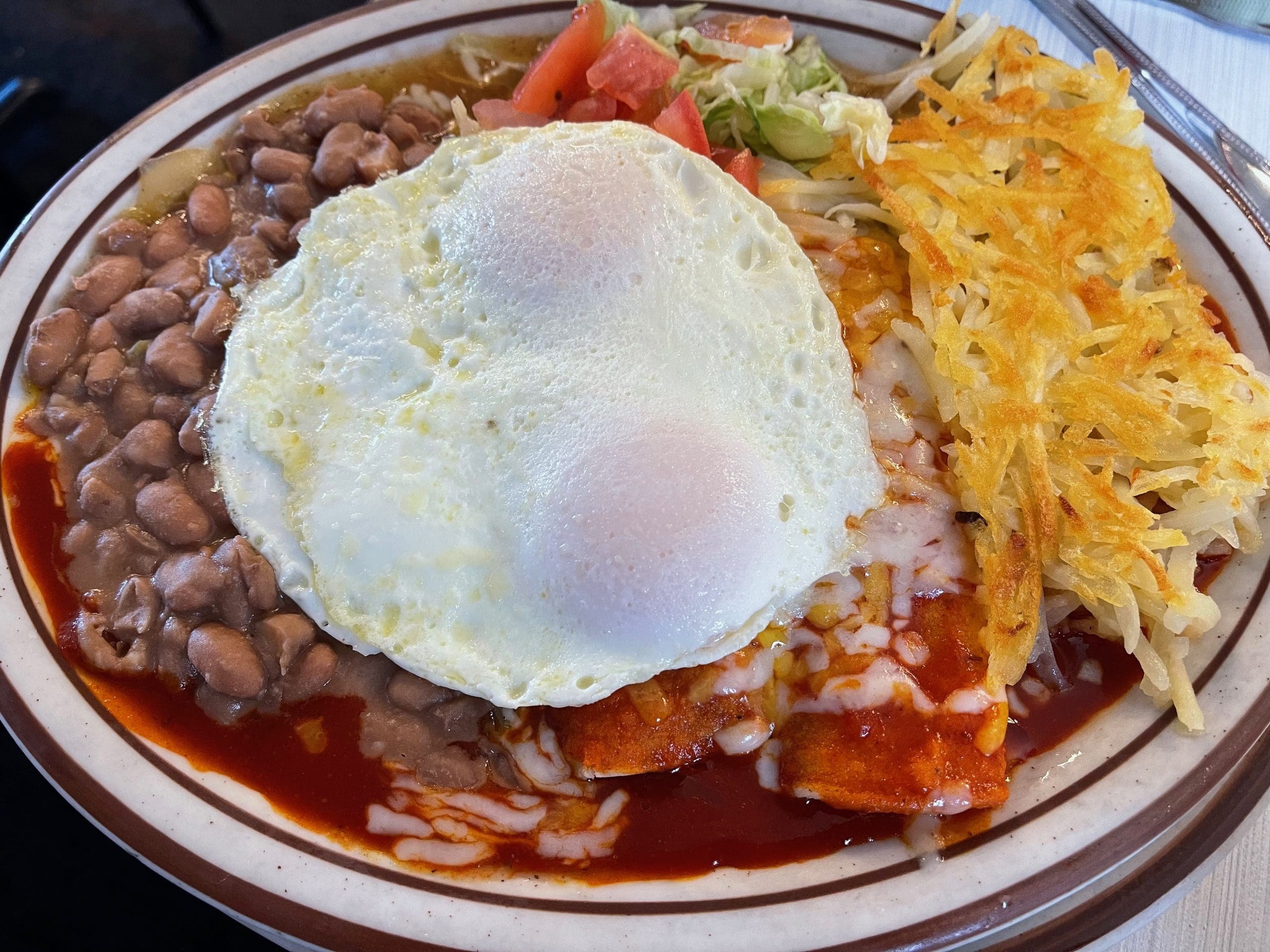
Milly’s Restaurant – Albuquerque, New Mexico

Until rather recently, if there was a wide diversity of opinion about Albuquerque’s restaurant scene, it wasn’t widely shared. Albuquerque’s two daily periodicals, the Albuquerque Journal and the Albuquerque Tribune as well as a number of alternative publications published weekly restaurant reviews, but opinions and observations expressed therein were rather one-sided. It wasn’t until about 2008 that crowd-sourced restaurant reviews really took off in the Duke City. Published in such online mediums as TripAdvisor (founded in 2000), Yelp (launched in 2004) and Urbanspoon (debuted in 2006), crowd-sourced review venues gave everyone an opportunity to become a “critic.” More than ever before “Joe and Jane Diner” had license to express rather colorful (sometimes bordering on libel) versions of their truth. One of the predictable outcomes of this open, honest and direct culture became the wide swath of differing opinions. This illustrated how different people can have distinctly different perceptions—each a snapshot of time–of their experience at a restaurant. Reviews for some restaurants run the gamut with some reviewers extolling every aspect of their visit as “fabulous” while others lambaste every facet of their experience. It’s almost as if two different restaurants are being reviewed. The differences are sometimes so very pronounced…

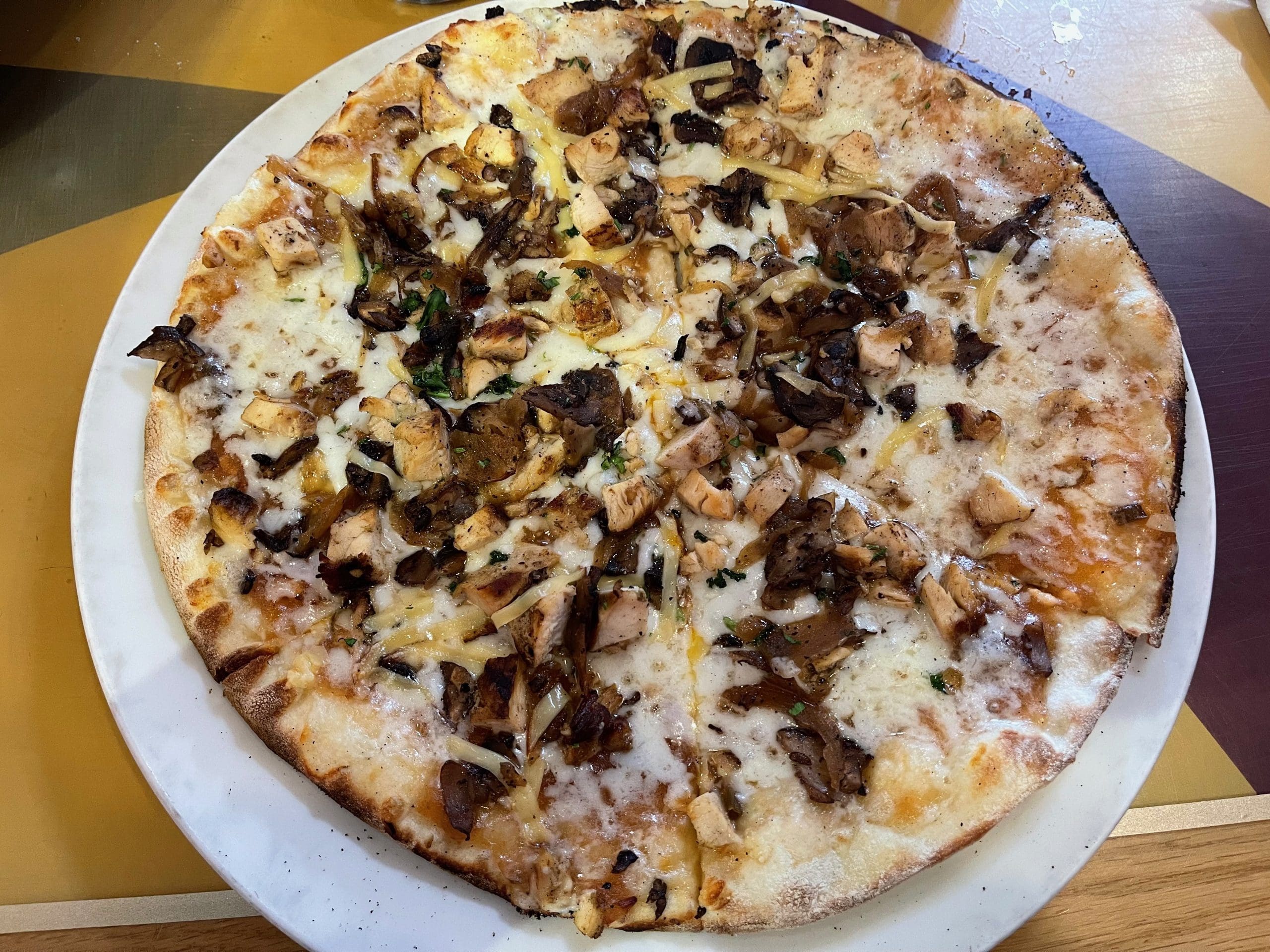
Scarpas Brick Oven Pizza – Albuquerque, New Mexico

As an essayist of the New Mexico culinary condition, it’s easy to be lured in by new restaurants, those bright and shiny beacons of promise.  Sadly, critics (and those of us who play them in movies and television) gravitate toward new restaurants with the expectation of newness, something heretofore different and amazing.  We often do this at the expense of tried-and-true, established and proven restaurants which haven’t ever let us down.  For every new restaurant I visit, there are hundreds of old favorites to which I don’t return often enough.  One such personal favorite is Scarpas, a long-time fixture on Academy.  Prior to our visit in January, 2023, our previous visit was in December, 2006.  That’s far too long! Academy has been home to Scarpas since entrepreneur and restaurant impresario Jim Schumacher opened it in 1995.  For years later, he opened a second Scarpas, this one on Montgomery.  Schumaker, you might remember, was the long-time owner of The Cooperage, a Lomas mainstay since 1976.   In 2020, Joe Sommers, a Scarpas employee from day one, purchased the restaurant from Schumacher. Not too much later, The Cooperage shut down for good. In 2021, year two of year the world’s nightmare, the Montgomery…

Mariscos La Playa – Albuquerque, New Mexico

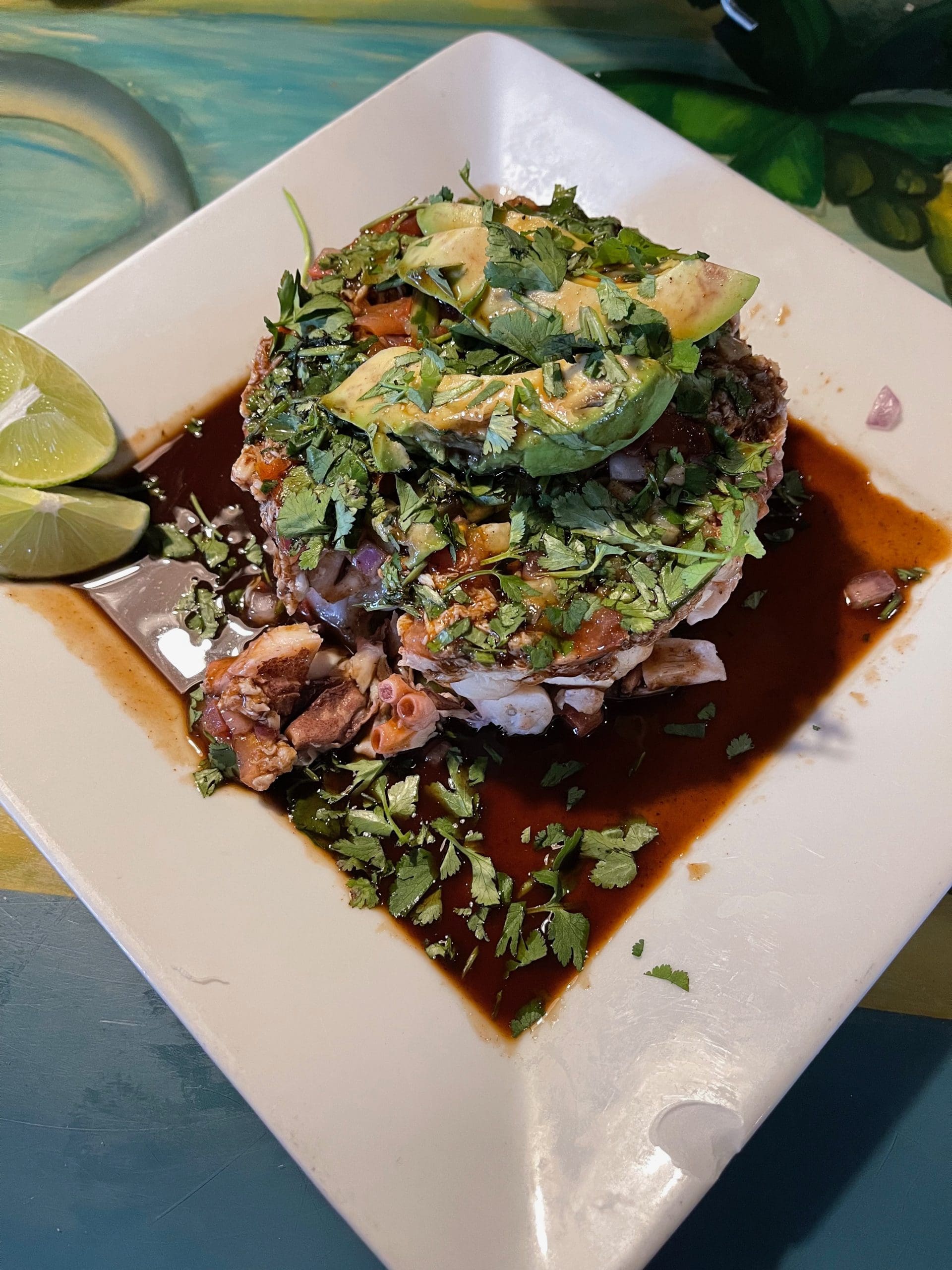
There’s deliciousness and there’s delicious irony on the menu at Mariscos La Playa. The deliciousness is more readily apparent. It’s part and parcel of virtually every item on the menu. You have to understand a little Spanish to grasp the delicious irony which is outwardly manifested in the form of a soup called “Caldo Vuelve a la Vida,” literally ” Come-back-to-life-soup.” The soup is a metaphor for the restaurant itself, the irony being that the restaurant itself came back to life in Albuquerque after a hiatus of almost two years. Mariscos La Playa operated in the Duke City from November, 2006 through mid-2013. Located on Central Avenue just west of Atrisco, the colorful Mexican seafood restaurant received significant critical acclaim from every online and print medium in the city. Moreover, it earned popular acclaim among Mexican seafood aficionados. Large crowds typified lunch and dinner at Mariscos La Playa, the third instantiation of a Mexican seafood dynasty founded and operated by Luis Ortega and his family who also own two locations in Santa Fe and one in Española. From a demographic standpoint, the original location was probably more ideally situated for the Duke City’s Mexican population. The new location–on San Mateo…

Limonata Nob Hill Crepe Escape – Albuquerque, New Mexico

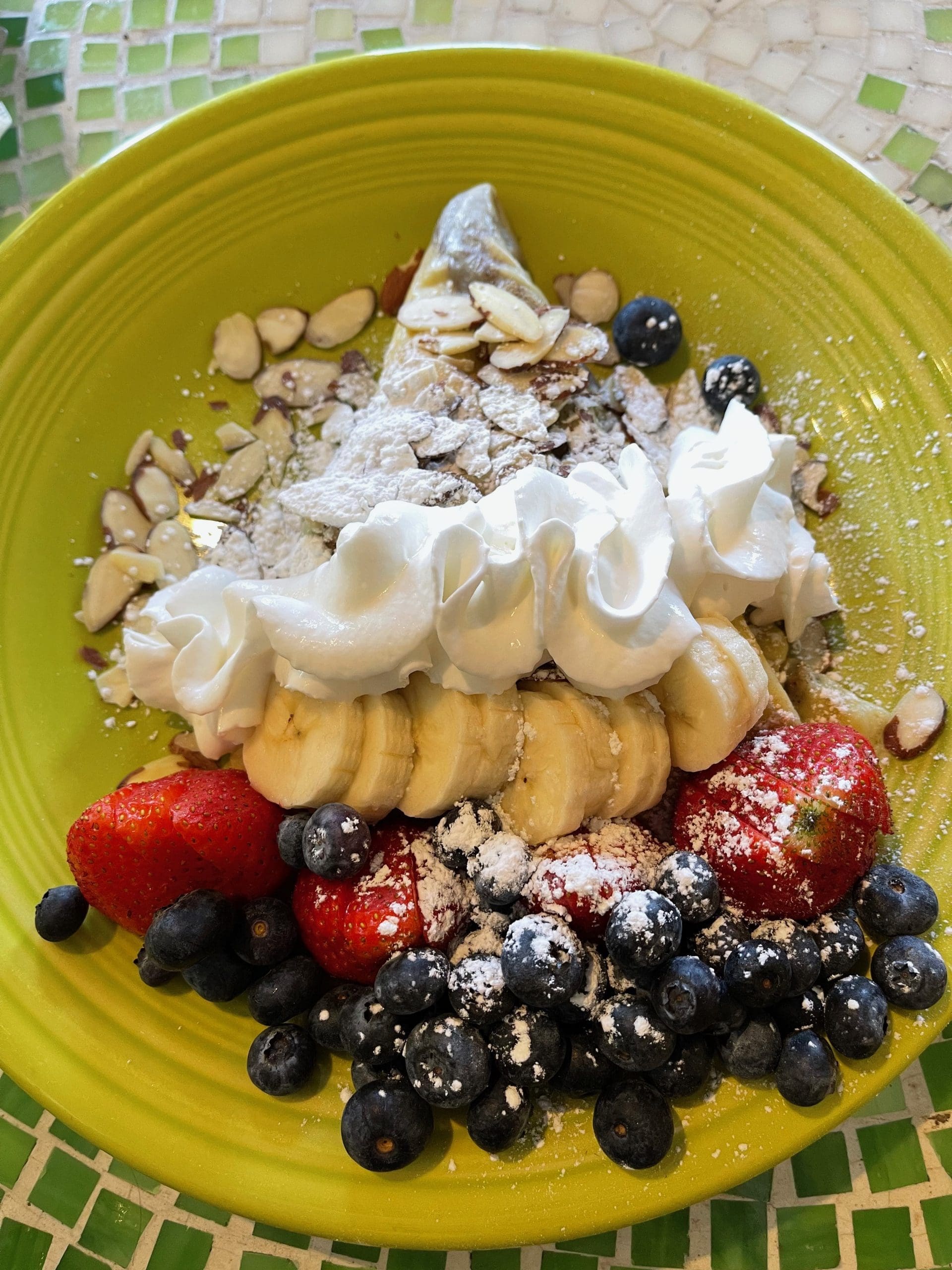
While contemplating a name for their second Duke City restaurant venture, Maxime and Daniela Bouneou wanted to convey the feeling of a refreshing and invigorating venue in which their patrons could relax and enjoy themselves. After deliberating several options, they ultimately decided on Limonata, the Italian word for lemonade. When Daniela proudly told her friends in Italy what the new restaurant would be named, they laughed, reminding her that Limonata is an Italian slang term for “French kiss.” Though Maxime and Daniela may have become a bit more “Americanized” by having lived in the United States for more than a decade, Limonata had the look, feel and most importantly, tastes of a true Italian trattoria. Limonata was launched as the more informal and sassy younger sibling of Torinos @ Home, the sensational Italian ristorante many of the cognoscenti considered one of, if not the Land of Enchantment’s best for Italian cuisine. Limonata’s menu focused on simple fare–Italian street food–at relatively low prices in a relaxed, family-friendly atmosphere and as the Bouneous envisioned, it’s a refreshing change of pace. Limonata is located in Albuquerque’s Nob Hill district, one block south of Central Avenue on Silver. There’s a bit of delicious irony…

Tomato Cafe – Albuquerque, New Mexico

You like potato and I like potahto, You like tomato and I like tomahto Potato, potahto, Tomato, tomahto, Let’s call the whole thing off – Ira & George Gershwin Prior to the introduction of tomatoes in 1548, the Italian diet was largely similar to the diet throughout the rest of the Mediterranean. Such staples as bread, pasta, olives, and beans were commonplace, as was a variety of different types of polenta. The Italian diet of the time varied depending on region: fish featured heavily near the coast while inland regions would rely more on pork and wild game. Garlic, onion, pepper and onion oil was used to add flavor.  Olive oil also held a central role in the region’s cuisine.  While a Mediterranean diet is delicious and even healthy, it’s certainly not as popular as Italian food has become across the world thanks largely to the now ubiquitous tomato. Tomatoes were initially received with skepticism on account of their unusual qualities. They were associated with eggplant, another foreign vegetable introduced to Europe from abroad (in this case from the Middle East). Similar to tomatoes, it took hundreds of years for eggplant to become an accepted ingredient in the Italian diet.…

Abuelita’s New Mexican Kitchen – Bernalillo and Albuquerque, New Mexico

Abuelita–perhaps no word in the vernacular of Spanish Northern New Mexico evokes such veneration, reverence and, for those of us who have lost these heaven-sent treasures, a melancholy ache not even time can erase. The abuelita is the family matriarch, the heart of the extended family and the sagacious matron to whom you go for counsel, consolation and cooking. For generations, New Mexico’s abuelitas have been nurturing their families with the simple foods passed down by their own abuelitas. Before the proliferation of New Mexican restaurants, abuelita’s was where the family congregated–no special occasion was necessary because any time with your abuelita was a special occasion. Dining at Abuelita’s New Mexican Kitchen in Bernalillo or Albuquerque won’t replace dining at your own abuelita’s, but you’re guaranteed a good meal, sizeable portions and genial, attentive service. As at your own abuelita’s home, there’s almost always something going on in the kitchen. Abuelita’s is open for breakfast, lunch and dinner every day but Monday and has been serving Bernalillo since 1984. Photographs honoring abuelitas of local patrons festoon the muted yellows and earth tones of the restaurant’s walls. Fittingly the shirts worn by the wait staff sport the motto “panza llena, corazon…

Uptown Saggio’s Scratch Italian Kitchen – Albuquerque, New Mexico

Can you imagine the outcry if Governor Michelle Lujan Grisham tried to abolish New Mexico’s sacrosanct red and green chile because the Department of Cultural Affairs Secretary convinced her that chile doesn’t bring out the best in New Mexicans?  Such a treasonous and heretical act would probably provoke outrage, if not an outright revolution.  Thankfully our Governor is a tremendous advocate for our home state’s hallowed and official state vegetable.  Regardless of your political affiliation, you can’t help puffing up your chest with pride when she responds to a snarky tweet from Colorado’s governor claiming Colorado’s chile is superior. That dystopian scenario sounds too outlandish to ever happen.  It would be akin to Italy trying to abolish pasta.  Wait, that actually did happen.  In the decade before World War II, an up-and-coming art movement called The Futurists derided anything that wasn’t on the cutting edge of modern. They wanted Italy to be on the front lines of the future and saw one thing holding the entire country back—its love of pasta.  The movement believed pasta was “heavy and anti-virile,” claiming that “no true fighters would ever eat pasta because of its tendency to weigh you down.” They also made it clear…

El Camino Dining Room – Los Ranchos de Albuquerque, New Mexico

Many of us who predate, however slightly, the explosion of institutionalized fast food retain a fondness for the remaining independent family restaurants whose arsenal in the competition for hungry diners consists of reasonable portions of great meals at budget-conscious prices all served by a friendly and accommodating waitsfaff. An Albuquerque restaurant which epitomizes those ideals is the El Camino Dining Room, captured brilliantly above by the fabulous photographer Deanna Nichols. The El Camino was built by Clyde H. Tyler in 1950, five years after the latest “war to end all wars” and 13 years after Route 66 was “straightened” so that it would bypass Santa Fe completely.  Albuquerque was much more innocent back then.  Some might even describe it as a “cow town trying to be a city.”  At the time, 44% of America’s population resided in rural areas and the Duke City’s population was only 96,800. Despite no longer being part of Route 66, one of the city’s busiest thoroughfares was 4th Street on which commerce was burgeoning.  It was the perfect location for an independent family restaurant, far from the cavalcade of Howard Johnson’s type restaurants which grew along the interstates. Similar to Howard Johnson’s which prided itself…