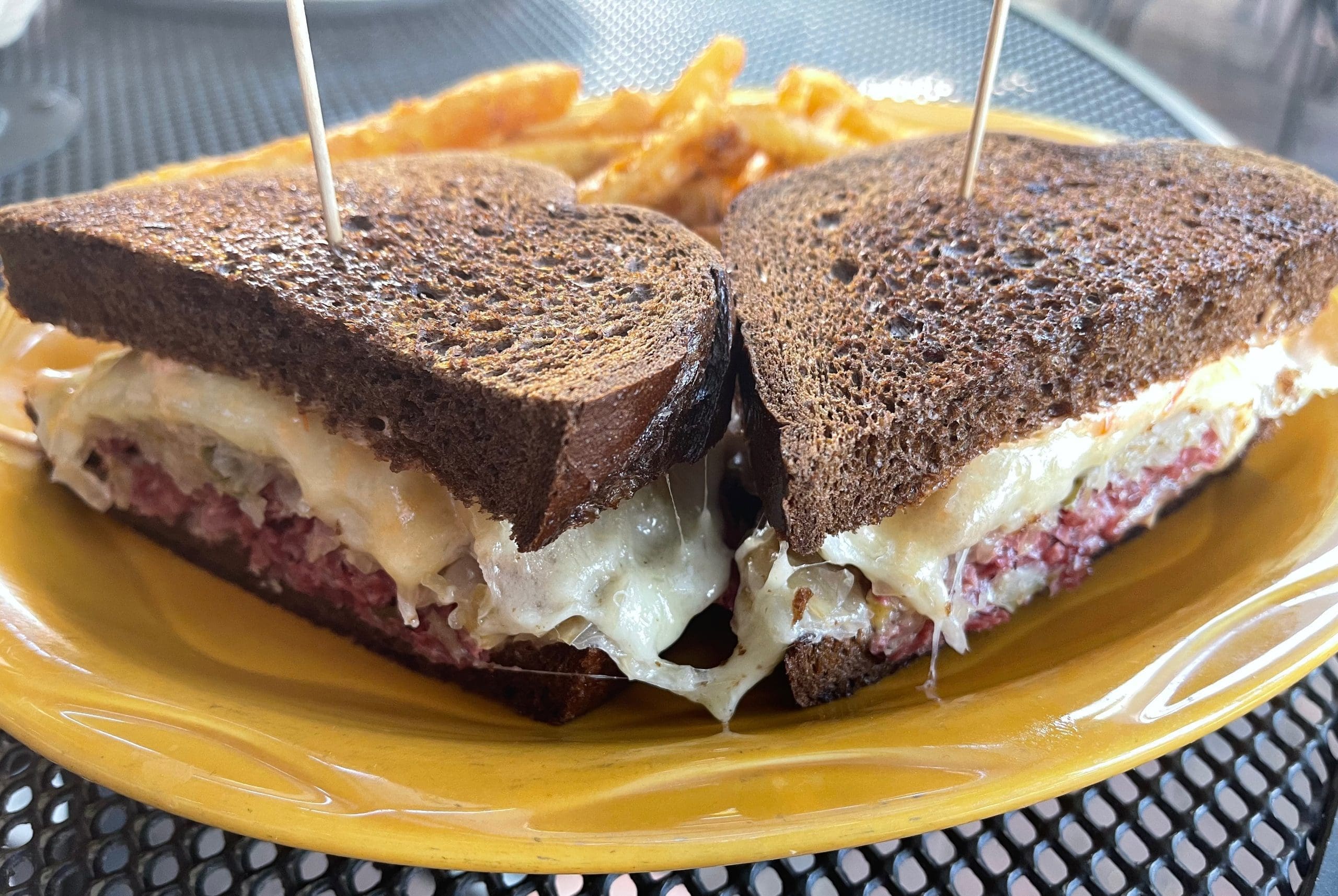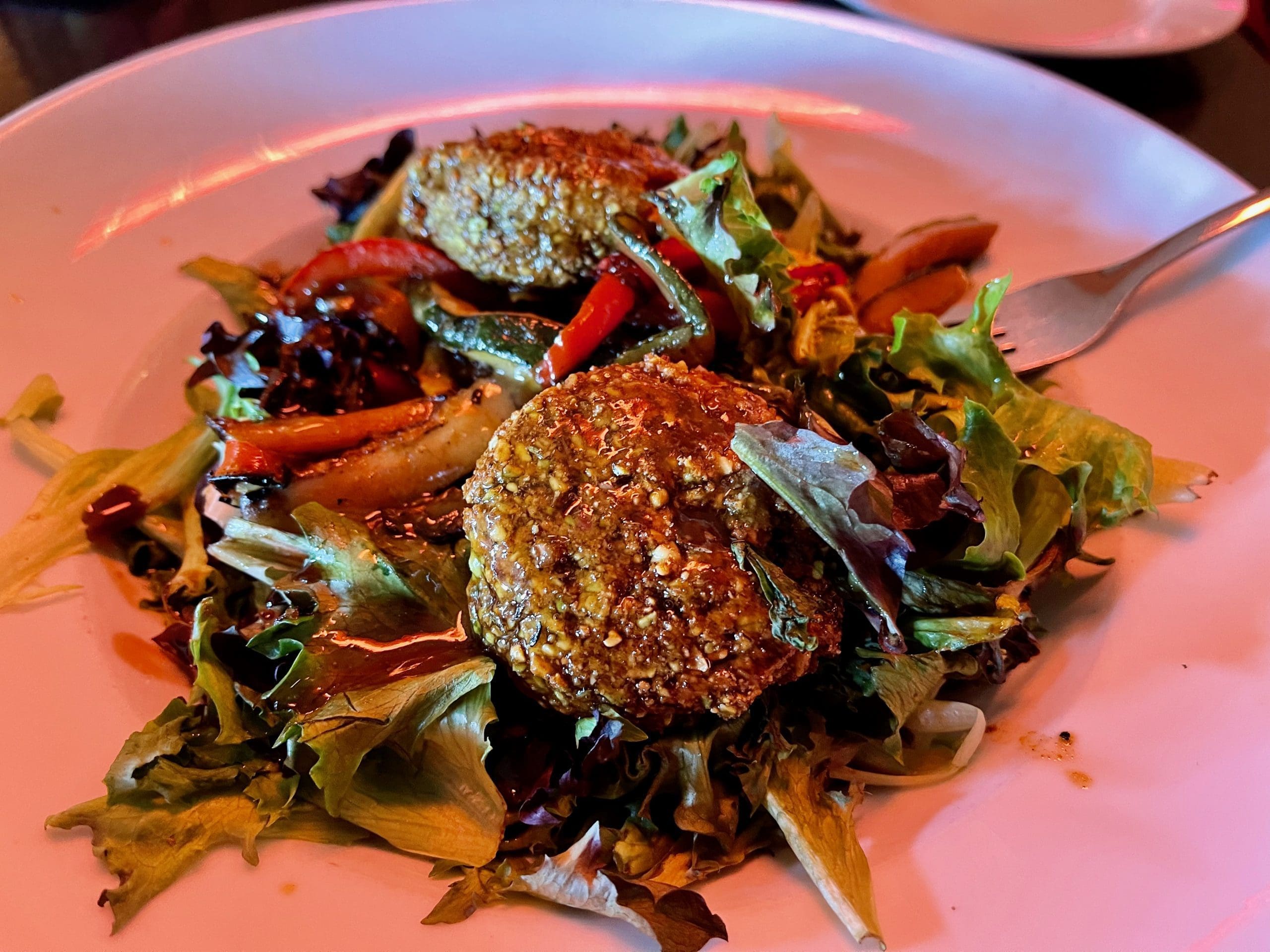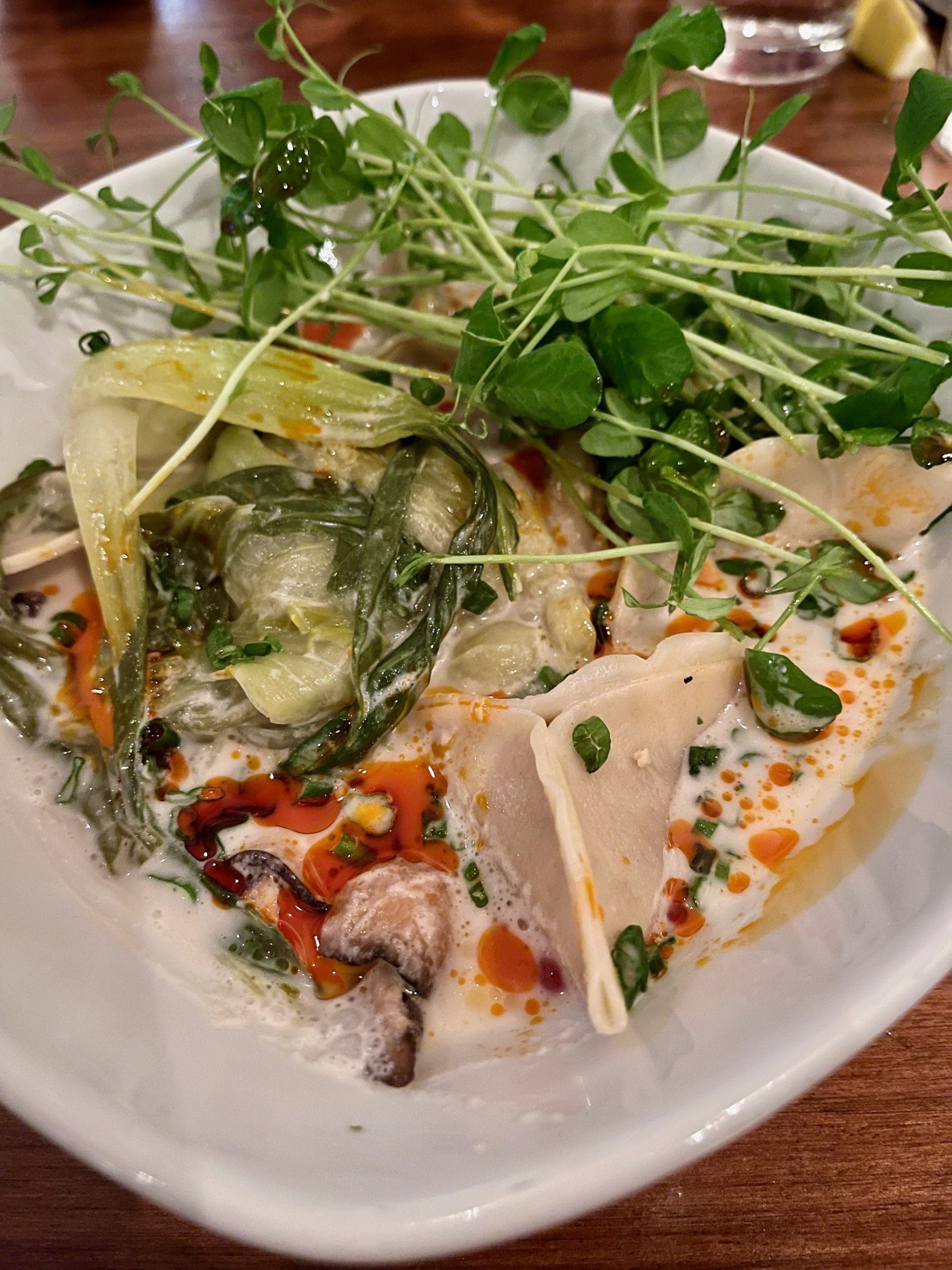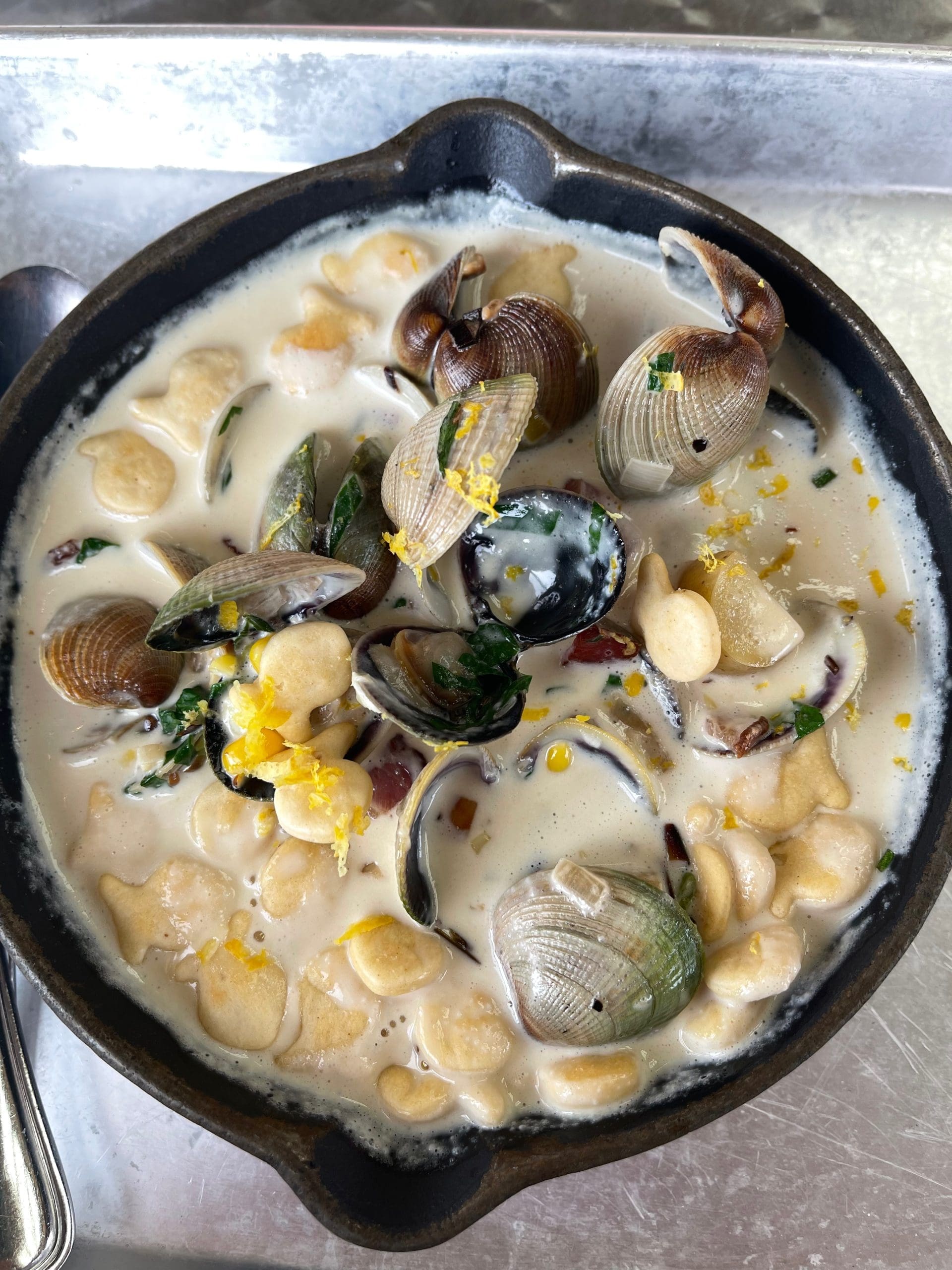
JAMBO CAFE – Santa Fe, New Mexico

Growing up in the 60s–the dark ages before the Internet was even a glimmer in Al Gore’s eyes and google–then spelled “googol”– represented an very large number (currently being approached by build back better spending)–even precocious children like me derived most of our knowledge of Africa from National Geographic magazines and Tarzan movies. We thought Africa was one large monolithic country comprised solely of stark, expansive deserts or lush, mysterious jungles. Africa’s indigenous people, we believed, had to compete for food with lions, tigers and hyenas, oh my. Though Africa was called “the Dark Continent,” it was truly our knowledge which was in the dark, obfuscated by stereotypes and misconceptions. The 1966 debut of Star Trek helped eliminate some of those stereotypes with the introduction of communications officer Lieutenant Uhura, a stunning black woman from the United States of Africa who spoke Swahili. By the time Disney’s The Jungle Book premiered in 1967, I had learned enough about Africa to know that save for in zoos, you couldn’t find a tiger in the entire continent. In the intervening years since the naivete of my youth, I’ve also learned that Africa is comprised of 53 very distinct and autonomous nations and…

Horno Restaurant – Santa Fe, New Mexico

By the time my Kim and I returned to New Mexico in 1995, the days of my family steam-baking chicos in hornos were long past, but she sure was intrigued by our mud and adobe outdoor ovens.  She wasn’t so much interesting in exaggerated tales of our back-breaking labors, but of the process of baking chicos in those hornos.  We explained that the process began by building a fire inside the oven and letting it burn for hours–long enough for the hornos’ mud walls and floor to acquire a thermal capacity perfect for steaming corn.  The corn isn’t inserted into the horno until all that’s left of the fire is red embers.  With the corn nestled comfortably atop the ashes, we would sprinkle water over the corn to inspire steam. We would then seal the horno door with adobe bricks,  We would also seal the “smoke hole” in back of the horno.  The corn was then baked overnight. At this point you might still be wondering what “chicos” are. Chicos begin as an ear of field corn which is tied into ristras (strings) and hung to dry. Alternatively, as we preferred, the corn is baked (steamed) in an horno where…

Rowley Farmhouse Ales – Santa Fe, New Mexico

Only in John Denver’s hit song “Thank God I’m A Country Boy” is life on the farm “kinda laid back.” In actuality, farm life can be downright arduous, requiring back-breaking work in climatic extremes for low wages. It was much worse in colonial days when life on a farm generally meant very few luxuries outside of a warm fire and a tankard (or ten) of house-brewed ale. Beer was brewed not only to refresh, sustain and comfort hard-working farmers, but because during sanitation-deprived colonial times, it was safer than water. Farm-brewed beer was created with what was on hand, whether it be wheat, hops, barley or rye supplemented with such ingredients as evergreen boughs, juniper berries, honey and fruit. Because beer was made with whatever ingredients were available, the lack of convention led to an emphasis of individuality over uniformity. Along with life, liberty and the pursuit of happiness, beer, it seems, was almost an inalienable right and in many cases, an integral part of a worker’s compensation package. Gentlemen farmers such as George Washington brewed beer not only for themselves, but for their farm workers whose employment contracts often stipulated a certain daily allotment of beer. Washington’s farm workers…

Los Potrillos – Santa Fe, New Mexico

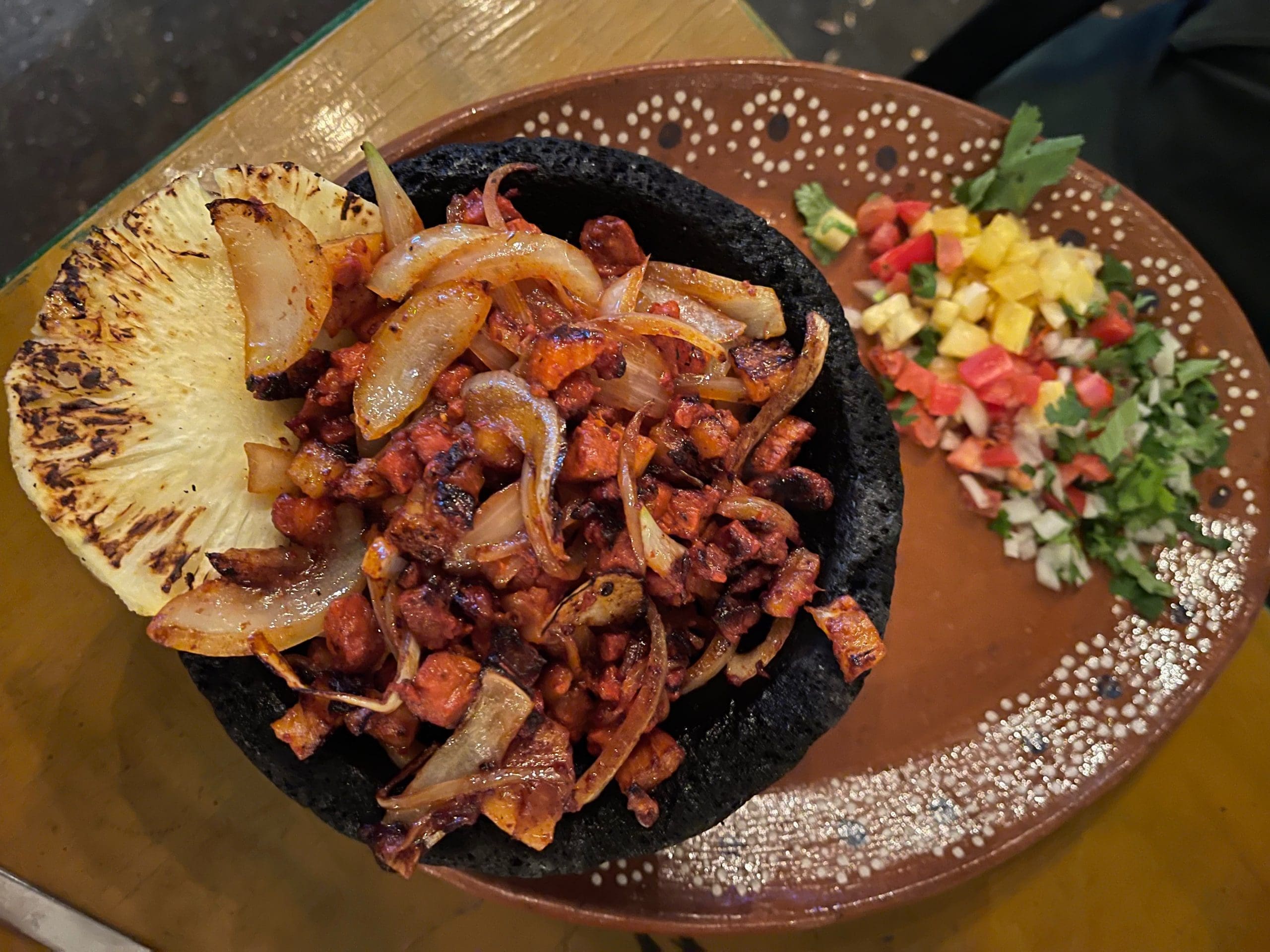
Faced with a situation that renders us incredulous, many of us might yammer incoherently, complain vociferously or maybe even utter colorful epithets. Such moments, it seems, are best expressed with succinct precision, a rare skill mastered by a select few wordsmiths from which eloquence flows regardless of situation–polymaths such as the late Anthony Bourdain, a best-selling author, world traveler, renowned chef and “poet of the common man.” Flummoxed at the discovery of a Chili’s restaurant a mere five miles from the Mexican border, I might have ranted and raved about another inferior chain restaurant and its parody of Mexican food. With nary a hint of contempt, Bourdain instead compared the spread of Chili’s restaurants across America to herpes. How utterly brilliant and wholly appropriate was that? Indicating that chain restaurants are “the real enemy, the thing to be feared, marginalized and kept at a distance at all costs,” he wondered aloud why anyone would eat institutionalized franchise food when the real thing is available nearby. Bourdain, a cultural assimilator, would love Los Potrillos, an unabashedly authentic Mexican restaurant which serves the food Mexican citizens eat everyday, not the pretentious touristy stuff or worse, the pseudo Mexican food proffered at Chili’s…

Master Food Truck – Santa Fe, New Mexico

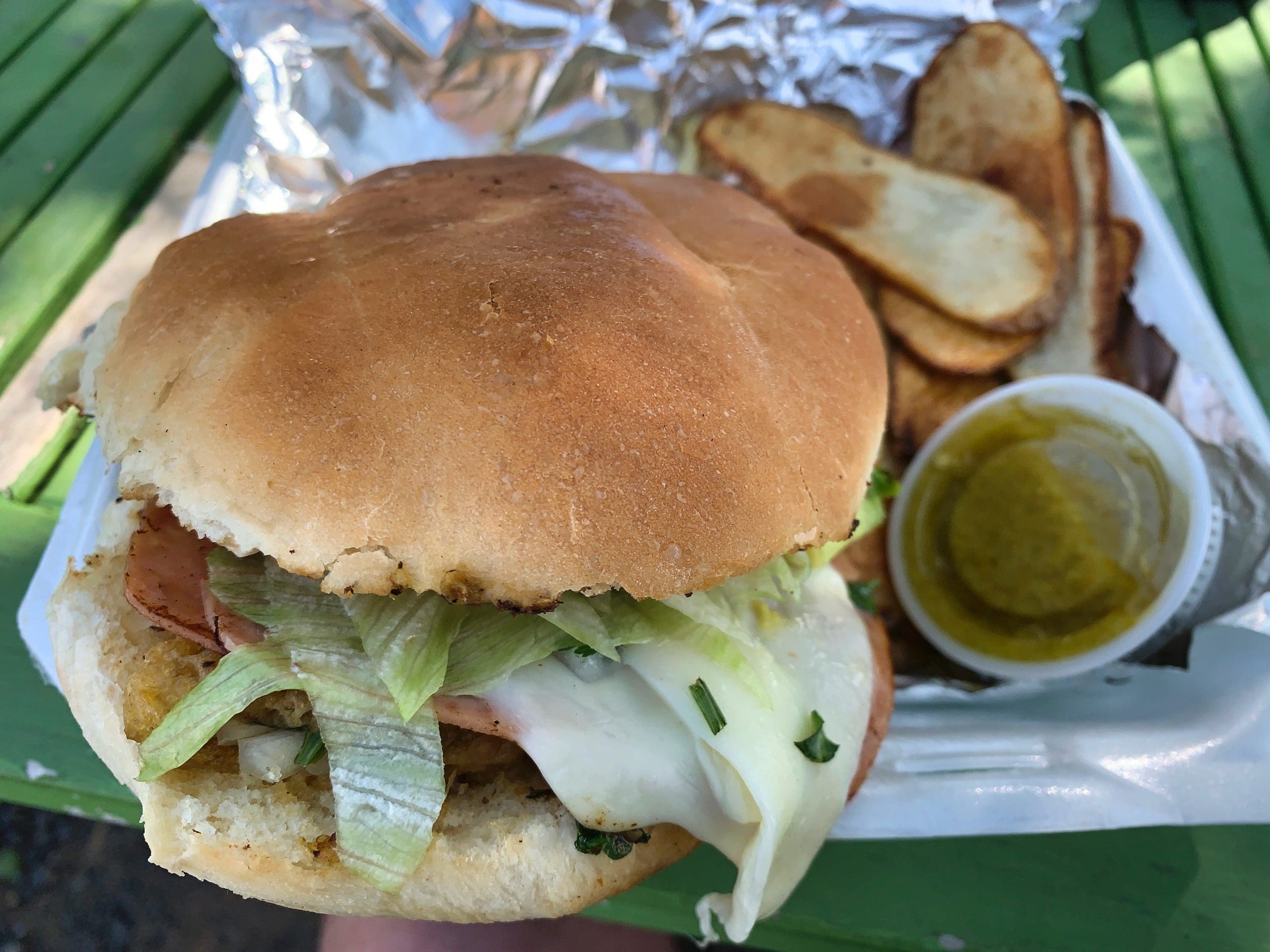
Drive eastward on Airport Road in Santa Fe toward Cerrillos and you just might wonder if you accidentally traipsed into the Twilight Zone and somehow found yourself in Los Angeles.  At the very least, you might find yourself declaring “I knew I should have made that left turn in Albuquerque.”   “What is this madness,” you ask.   As we found out, on weekends Airport Road is home to a veritable cavalcade of taco trucks, the overarching term for food trucks of all types in Los Angeles.  Prowling the mean streets of the City of Angels are more than 3,000 licensed taco trucks and carts.  Street food has become a billion-dollar industry in L.A. According to Yelp, there are only 42 food trucks in Santa Fe, a far cry from the 3,000 plus in Los Angeles.  On one particular Saturday in October, we marveled at just how many of those 42 food trucks were stationed in parking lots, vacant lots and cozy tree-lined spots on Airport Road. Most of them it seemed, proffered the Mexican food that made Los Angeles the mecca for street food.   Our quest was to experience the reputed best at El Queretano. That quest took us past…

Whoo’s Donuts – Santa Fe, New Mexico

When my corporate group had its employees, a high-performing contingent of information technology professionals, take a strengths assessment, the results were contrary to the stereotypes often painted about techno-geeks. None of us, for example, were profiled as Megadeath tee-shirt-wearing introverts who live in our mother’s basement and play World of Warcraft online against disembodied “friends.” Most of us were correctly pegged as being high achievers with healthy interpersonal skills and altruistic inclinations. The employee who defied the IT stereotype most was my friend and fellow Peñasquero Antonette whom the assessment categorized as a “Woo” for her naturally recurring patterns of thought, feeling or behavior. Even though Antonette was a cheerleader in high school, Woo in this case, is not a cheer or an onomatopoeia of excitement. Woo is an acronym for “winning others over.” In the world of a Woo, there are no strangers, only friends you haven’t met–lots of them. Woos relish the challenge of meeting new people and derive satisfaction from making personal connections. Woo fits Antonette to a tee, but it’s admittedly not a characterization one would ascribe to me, a pretty plebeian guy. To me, woo (or woot as my friend Andrea Lin has been known…

The Cowgirl BBQ – Santa Fe, New Mexico

Cowgirl” is an attitude really. A pioneer spirit, a special American brand of courage. The cowgirl faces life head-on, lives by her own lights, and makes no excuses. Cowgirls take stands; they speak up. They defend things they hold dear. ~Dale Evans In a 1980s commercial for Pace Picante sauce, several hungry cowboys threatened to string up the cook for brandishing a foreign-made (translation: not made in Texas) salsa.  “Why, this here salsa is made in New York City!”  “New York City?  Gil a rope!” With such a xenophobic attitude about New York City, you would think those cowboys would have raised a ruckus when a restaurant named the Cowgirl Hall of Fame launched in New York City.  “New York City?  Git a rope!”  The restaurant’s raison d’être was to promote the culture of the American cowgirl through the foods of the American West and Southwest.  On 1 June 1993, the second instantiation of the Cowgirl Hall of Fame opened its doors, this one in a hundred-year-old building in the historic Guadalupe district of Santa Fe.  Known today solely as Cowgirl BBQ, this quaint restaurant celebrates Cowgirls thematically and attitudinally. A portrait library is replete with photographs of National Cowgirl…

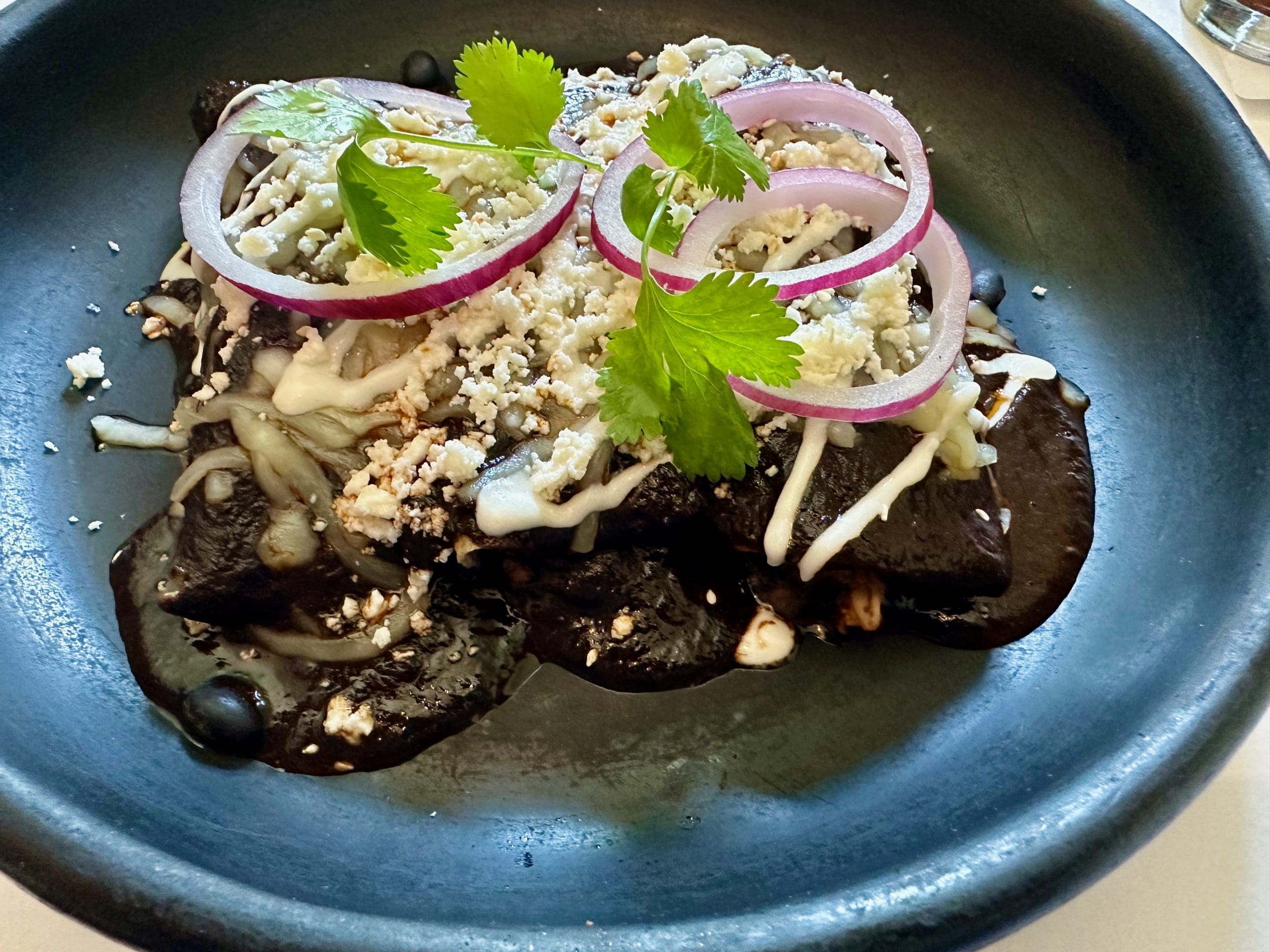
La Choza Restaurant – Santa Fe, New Mexico

“I have tried to express the terrible passions of humanity by means of red and green.” ~ Vincent Van Gogh Using bold and furious brushstrokes and striking colors (mostly red and green), Van Gogh once created a painting intended to depict humanity at its lowest point. Calling it “Night Cafe” he described it as “…one of the ugliest I have ever done, a collection of clashing colors in the dreariest atmosphere.” To New Mexicans, the notion of red and green being ugly, dreary and clashing in any way is a heretical concept. For denizens of the Land of Enchantment, red and green are absolutely stunning especially when plated together over blue corn enchiladas stuffed with carne adovada. Red and green chile are why New Mexicans celebrate “Christmas” every day of the year. Unlike the dreary and ugly cafe of Van Gogh’s painting, New Mexico’s restaurants tend to be spectacular, especially when their ambiance is perfumed by the wondrous wafting of chile simmering over a stove. This rapturous redolence is the essence of enchantment, a veritable aphrodisiac to chile lovers everywhere. Very few restaurants prepare red and green chile as well as Santa Fe’s La Choza, an inviting domicile of deliciousness…

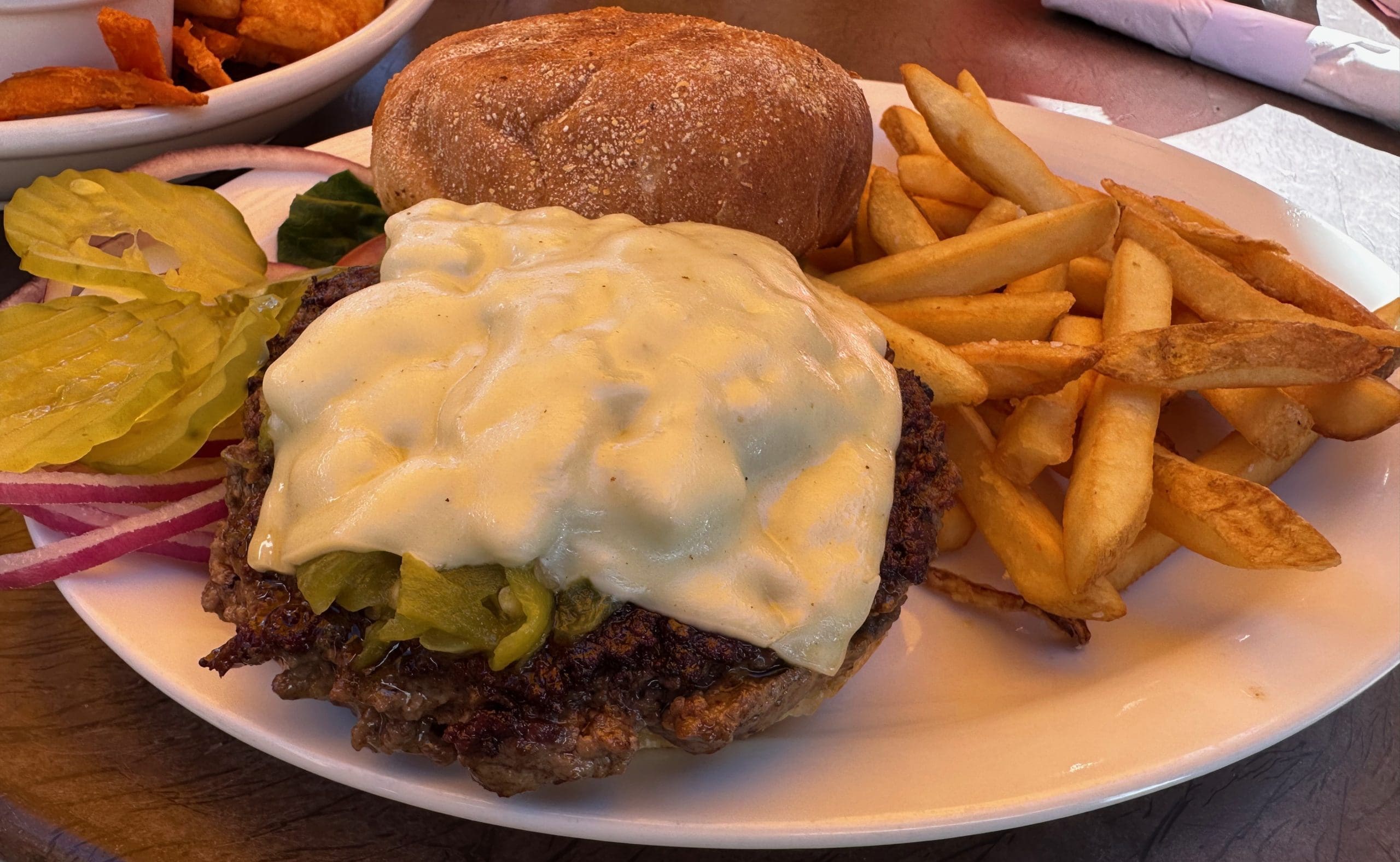
The Burger Stand – Albuquerque, New Mexico (CLOSED)

“If you need good hot grillin’, Try my burger stand. If you need a slice of thrillin’, I’m the baddest in the land. Any way you want it baby, I am your burger man.” ~Burger Man by ZZ Top Those of us invited on occasion to judge competitive food events try to follow a few very sensical but ironclad rules to ensure our evaluations are fair, balanced and accurate—or at least as accurate as any largely subjective matter can be. Though we commit these rules to memory, it’s very easy to forget about them and give way to unbridled desire, especially when you’re judging what has been deemed the best of the best, the most delicious of its genre. Such was the case when I was invited to serve as a judge at the 2018 Green Chile Cheeseburger Smackdown on September 8th, 2018. Before embarking on my delicious task, I went over my mental checklist of those rules. (1) Arrive hungry, but not too hungry. Check. My breakfast consisted solely of a banana and two cups of coffee. (2) Pace yourself and take small bites. With seven full-sized green chile cheeseburgers presented to us in ten-minute intervals, it’s important that…

Tesuque Village Market – Tesuque, New Mexico

The most successful Indian revolt in North American history occurred on August 10th, 1680. On that day, more than 8,000 warriors from the various Native American pueblos in New Mexico put aside deep historical differences and banded together to drive the Spaniards from their ancestral lands. This event is celebrated each year in Tesuque Pueblo. Tesuque Pueblo played an integral role in the rebellion. Two Tesuque runners were dispatched by pueblo leaders to enlist support for the revolt. The runners carried knotted deer hide cords to the various pueblos, each knot signifying a day. On each successive day, one knot was untied. When the final knot was untied it signified the day of attack.The annual celebration of this event includes a relay run reenacting the famous run. Runners depart from Tesuque plaza carrying a knotted cord made of yucca and an ear of corn. The yucca cord symbolizes the spirit of the people and the ear of corn their physical body. It is an inspiring event. Led by Diego Jose de Vargas, the Spanish returned to New Mexico in 1692 and within a year regained full political control of New Mexico. Their return marked a significant change in Spanish policy…

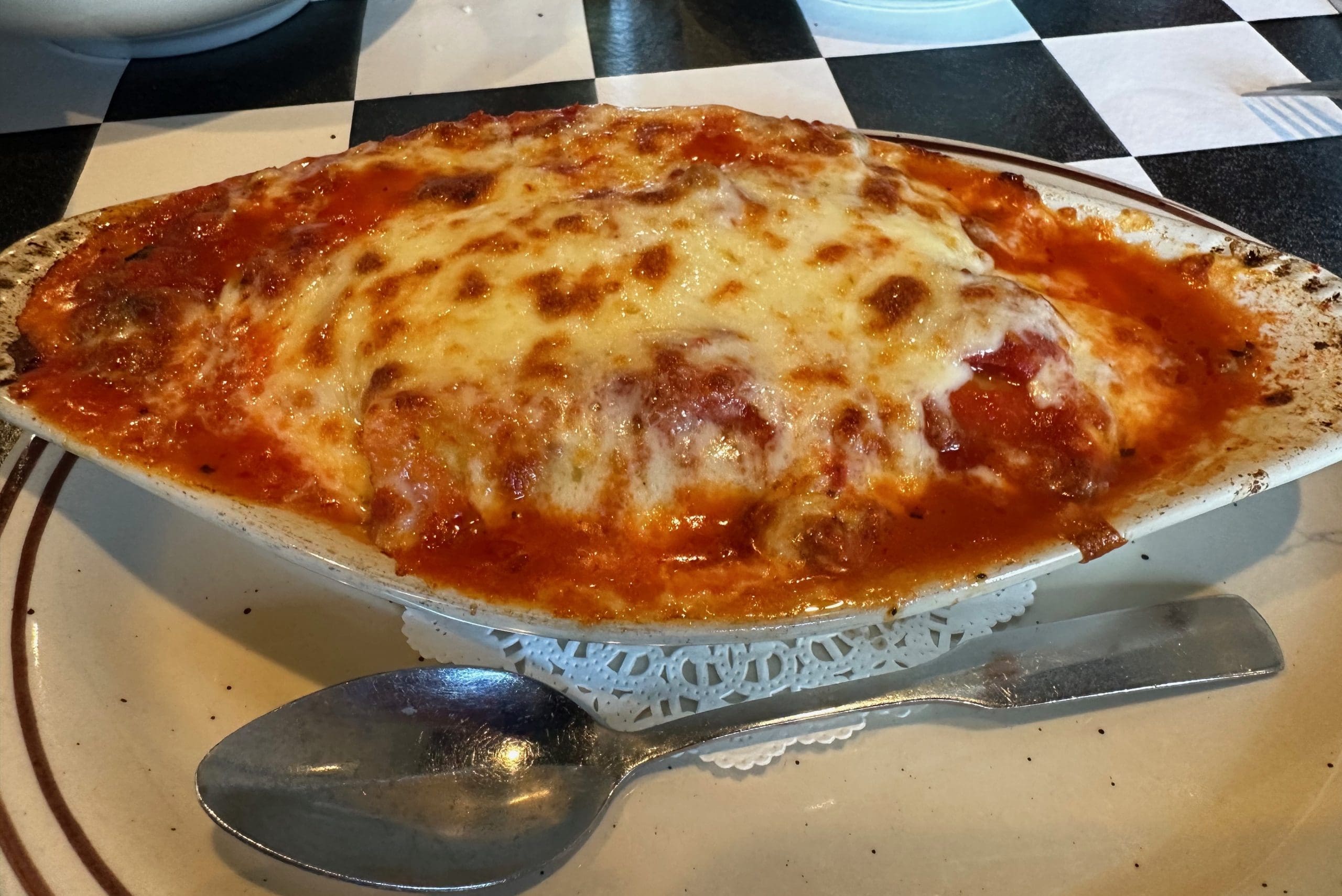
Sassella – Santa Fe, New Mexico (CLOSED)

In Cold Tuscan Stone, the first in a series of spellbinding mysteries set in Italy, author David P. Wagner did such a magnificent job in developing relatable characters and creating a sense of place that I felt myself transported to the world of Rick Montoya, the affable protagonist in David’s series.  Through David’s vivid imagery, I could almost taste, smell and experience la dolce vita of the Italian countryside.  I laughed with delightful voyeurism at the bumpkinly naivete of Herb and Shirley, an American couple who came to Italy to find an Italian chef for a restaurant they planned to open in Davenport, Iowa. Not surprisingly their benchmark for Italian cooking was the Olive Garden.   They were puzzled when the menus at the Italian restaurants they visited in the ancient Tuscan hill town of Volterra didn’t offer spaghetti and meatballs or pasta Alfredo.  It baffled them that they had to ask for olive oil to dip their bread into. “It’s almost like they don’t know what Italian food is,” they decried. Can it really be true that the Italian food we know and love across the fruited plain isn’t Italian at all?  That’s what Food Network star Alton Brown…