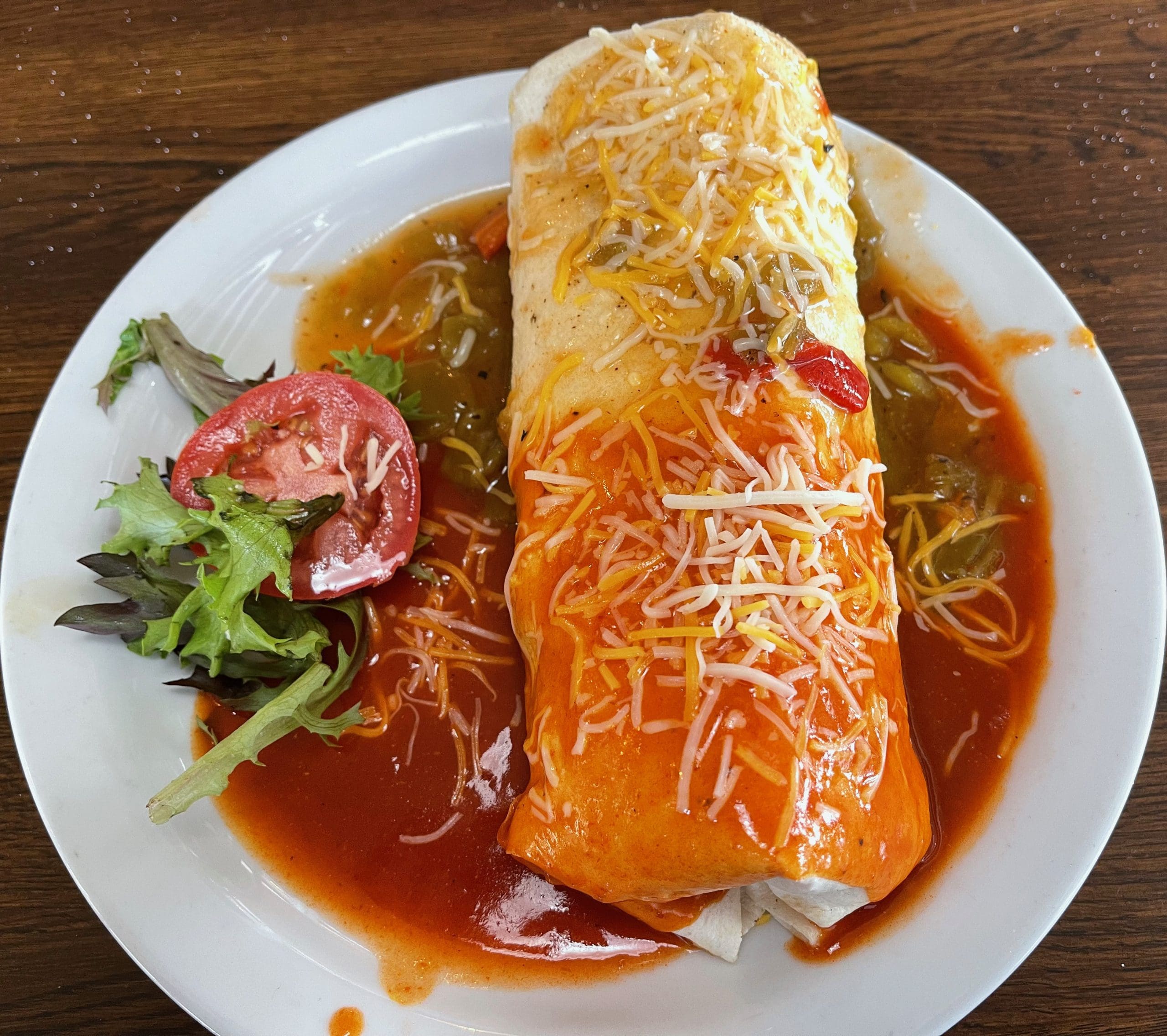
Ruby’s Tortilleria – Bernalillo, New Mexico

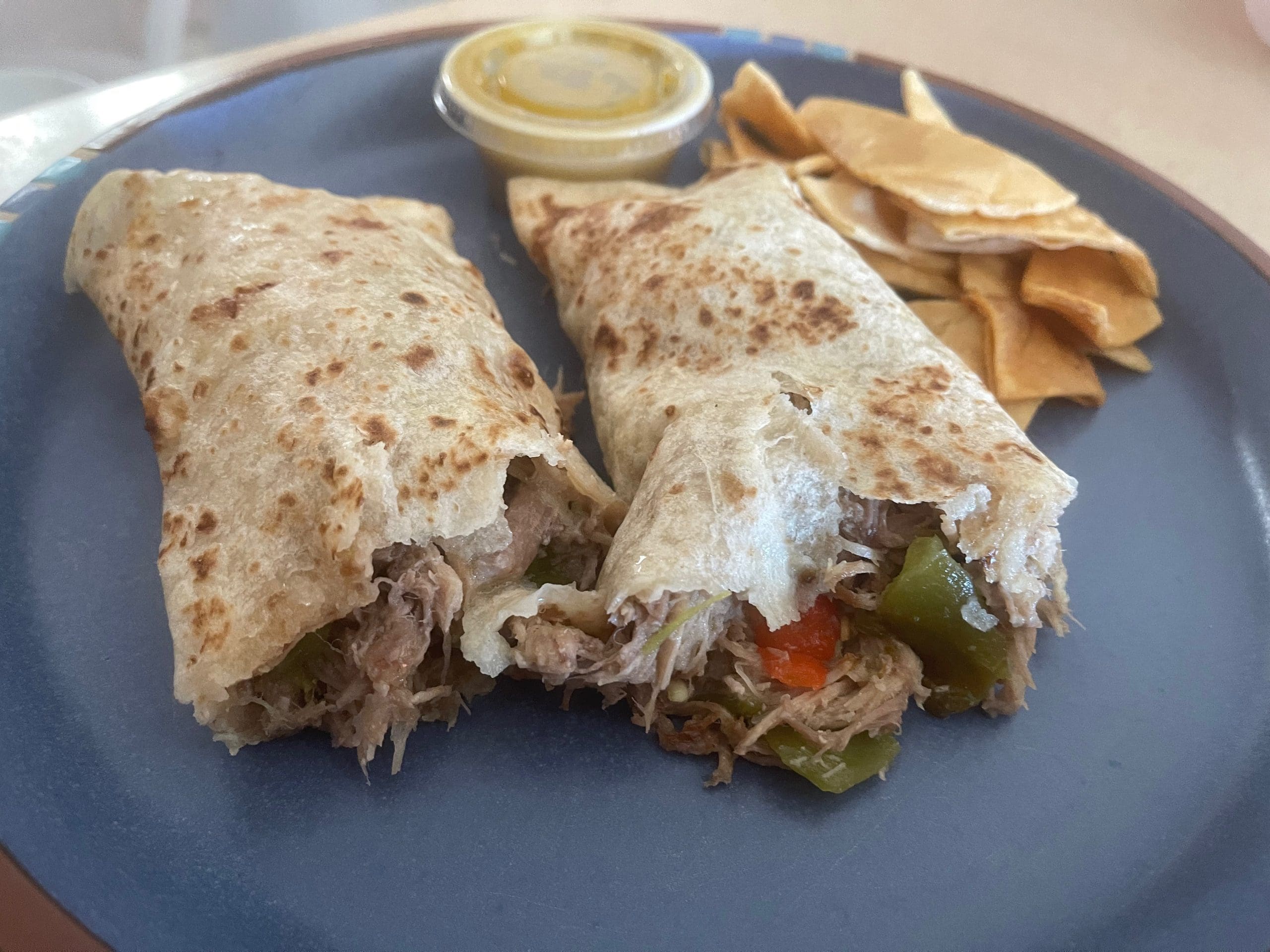
“A tortilla can be the, I would say, the most meaningful, the symbol of the Mexican cuisine, it’s the heart of the Mexican cuisine, the soul … the most recognizable element of the Mexican cuisine.” ~ Hugo Ortega James Beard Nominated Chef In 1519, when Hernan and his Spanish conquistadors arrived in Mexico, the indigenous people had never seen anyone like the bearded strangers attired in imposing armor made of iron.  These light-skinned strangers, some of whom had eyes of blue or green, arrived in “floating mountains” significantly larger than the canoes used by the natives.  The arrival of the strangers coincided with an Aztec prophecy, leading Montezuma, the Aztec ruler, to believe that perhaps Cortés was the Aztec god Quetzalcoatl, the “feathered (bearded) serpent.”  According to legend, Montezuma convened his most sage advisors who counseled their leader to proceed with caution.  They dispatched emissaries to greet the strangers and offer them two types of food:  the food of the gods, covered with the blood of human sacrifice; and the food of humans, including avocados, turkey and soft, flat corn breads they called tlaxcalli (from the verb “ixca” (to cook [on a comal: grill or griddle]).  The Spaniards chose the…
Holy Burger- Albuquerque, New Mexico

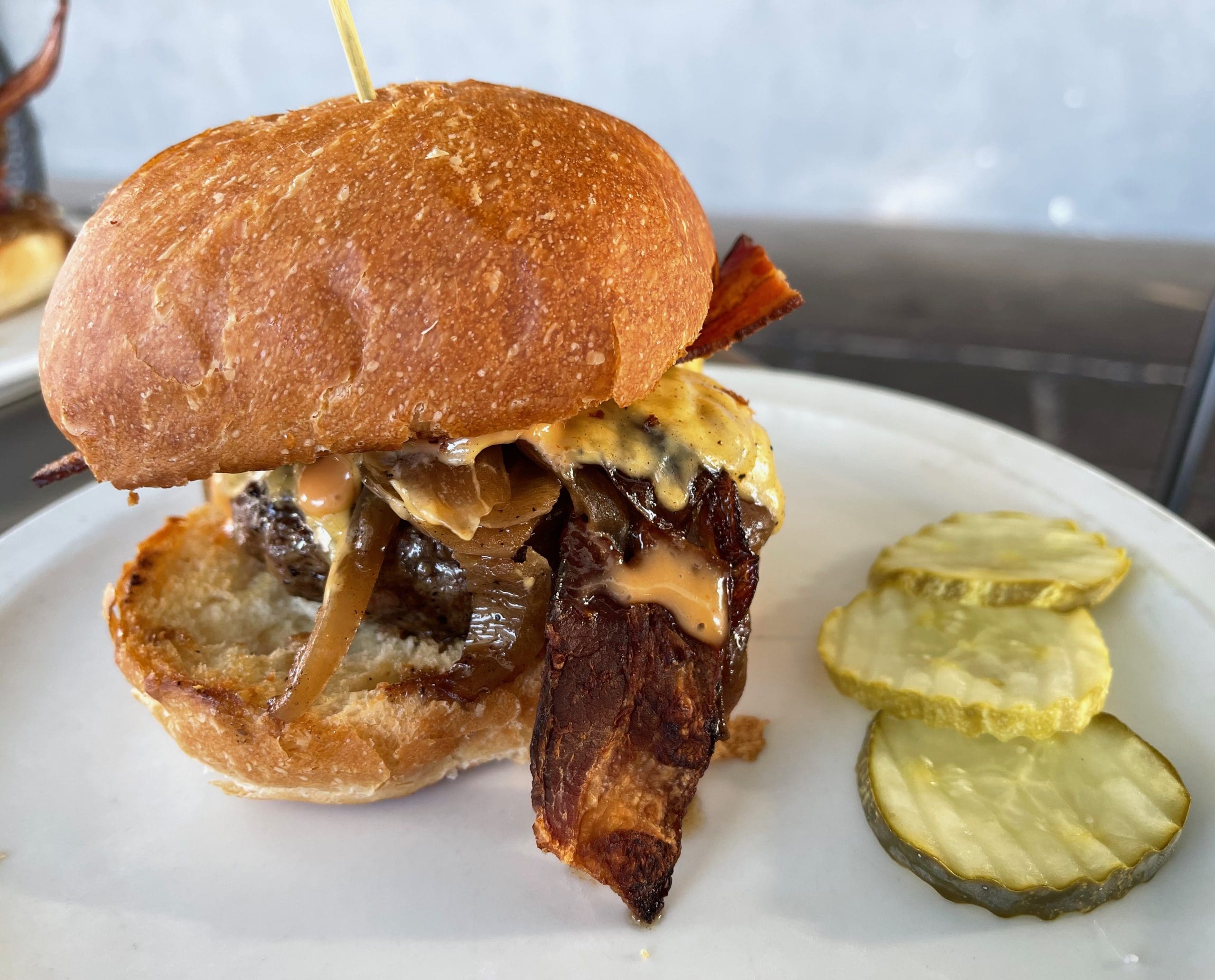
During his 40-year career as a radio and television broadcaster for the York Yankees, Phil Rizzuto made “Holy Cow” his trademark exclamation. Similar to Yogi Berra, another legendary Yankee personality, Rizzuto became beloved for his snafus and humor: “Uh-oh, deep to left-center. Nobody’s gonna get that one! Holy cow! Someone got it.” In 1985 when the Yankees retired his uniform number 10, they paraded a live cow with a halo propped on its head onto Yankee Stadium. During the ceremony the “holy cow” knocked Rizzuto to the ground, an encounter he described thusly: “that big thing stepped right on my shoe and pushed me backwards, like a karate move.” The comedic broadcaster’s “Holy Cow” catchphrase became further cemented in pop culture during a 1997 episode of Seinfeld when Yankees owner George Steinbrenner gave George Costanza a key chain with Rizzuto’s likeness in honor of his induction into the Hall of Fame. When Rizzuto’s head was squeezed, it uttered (that’s uttered, not uddered) “Holy Cow.” Predictably Costanza lost the key chain while jumping over a pothole which was later paved over by construction workers. Every time a vehicle ran over the patched street, the key chain exclaimed “Holy Cow!” When I…

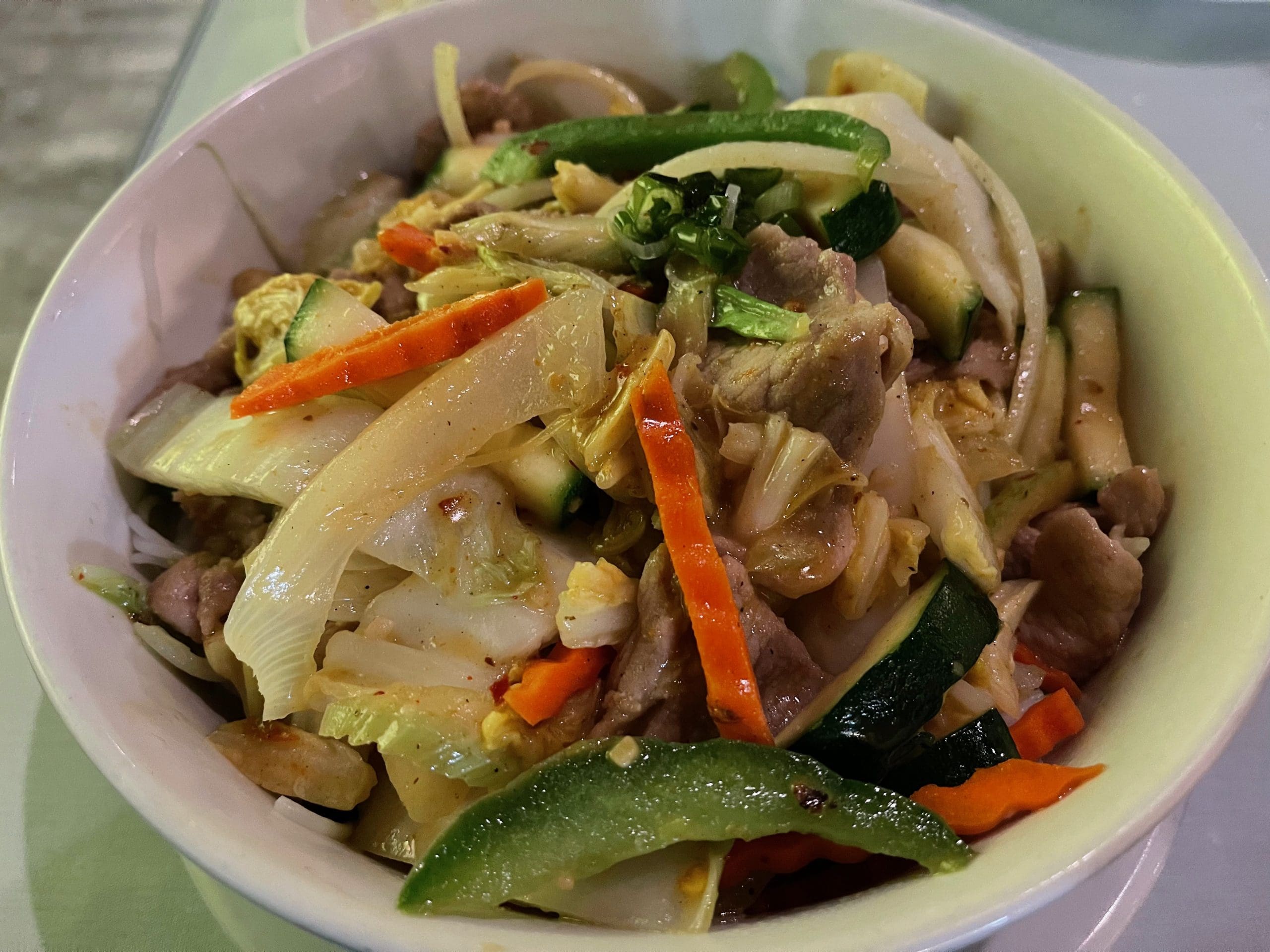
Lime Vietnamese Restaurant – Albuquerque, New Mexico

Kevin: What am I looking at here? Donna: It’s pho. Kevin: It’s what? Donna: Pho. Kevin: Well pho looks like a clogged sink. What are those chunks floating around in there? What is that? Donna: It’s chicken. You love chicken. Kevin: Do they make this outside? What is this? <pulls up a single basil leaf> Donna: Seasoning. Just try it. Kevin: <slurps up spoonful and contemplates flavor> Donna: Is it good? Kevin: <holds up finger and slurps up another spoonful; slaps palm on table> Kevin: Hold the pho-one. This is insane! This existed this whole time and you don’t tell me about it? Donna: Yeah and wait til you try the beef. Kevin: <look of utter surprise> This comes in beef? ~ Kevin Can Wait If you’ve ever introduced an unadventurous dining companion to the wonder of utter deliciousness that is Vietnamese cuisine, you can probably relate to that little snippet from the CBS comedy series Kevin Can Wait. Kevin exemplifies the culinary neophyte who is reluctant to try new foods, especially those which might be considered exotic or strange. Life’s travels and travails haven’t afforded them the opportunity to experience and enjoy such foods, so it’s up to us,…

Central Grill and Coffee House – Albuquerque, New Mexico

It’s been said that “when you feed those in need, you are feeding your soul.”  That is especially true when the giver is practicing selfless giving, a conscious, intentional approach to giving that not only benefits others, but comes during a time when the giver is in dire need of help as well.  When the New Mexico state government’s approach to the Cabrona Virus virtually closed down or limited restaurant operations across the state, it’s an understatement to say restaurateurs were really hurting.  Dozens of restaurants across the Land of Enchantment closed. Hundreds of employees were laid off.   It was during these trying times that several restaurateurs demonstrated truly heroic altruism, showing precisely what it means to be a great neighbor.   Among the most selfless givers were restaurateurs George and Alicia Griego, owners of Albuquerque’s Central Grill.   In 2020, George and Alicia were named the New Mexico Restaurant Association’s (NMRA) Restaurant Neighbor of the Year for 2020.  Though their popular eatery faced the same unpredictable operating conditions crippling other restaurants, George and Alicia looked for opportunities to help their neighbors.  In the spirit of Luke 10:25, they opened their hearts, providing thousands of boxes to feed school…

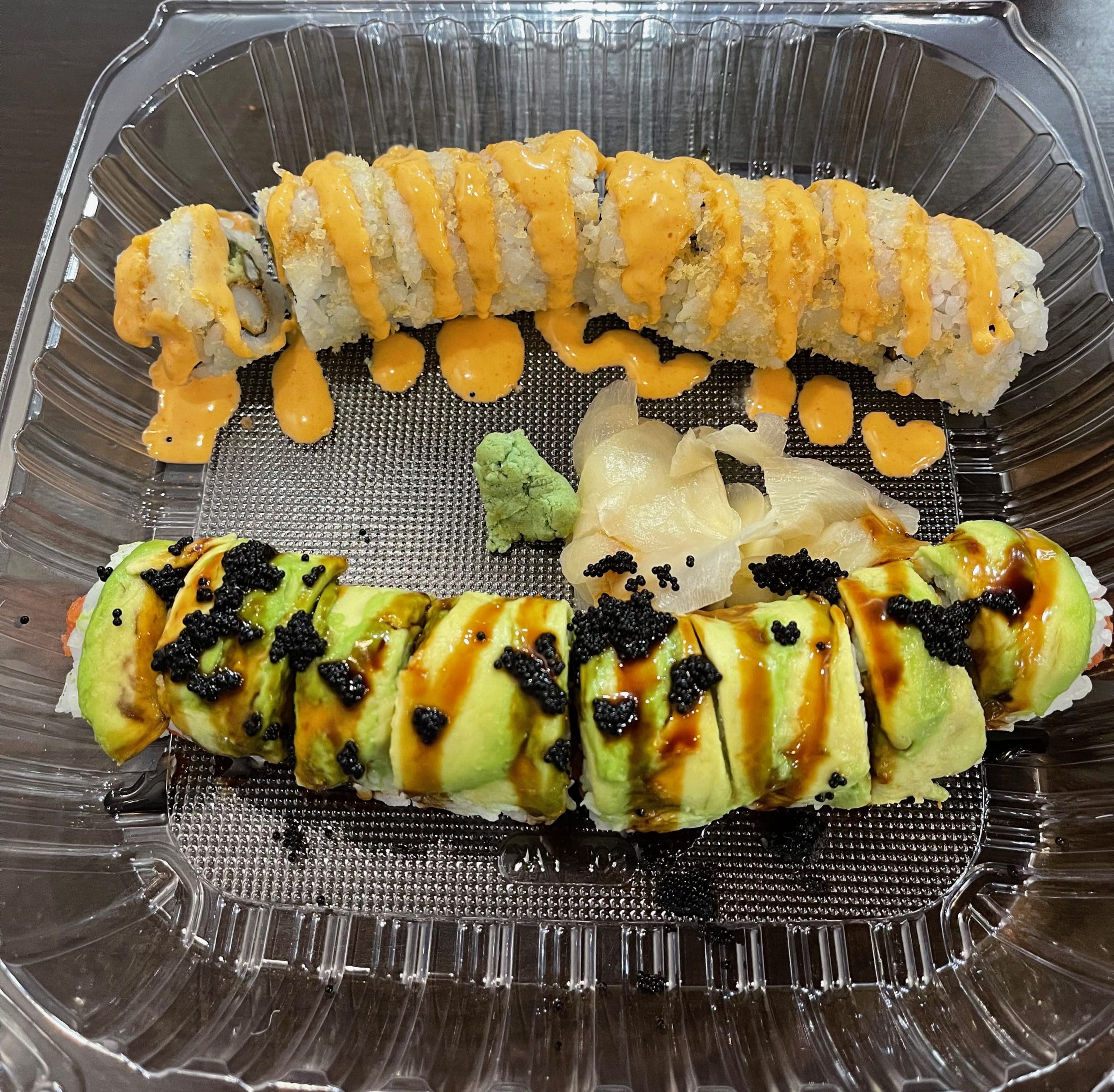
Sushi Freak – Albuquerque, New Mexico

Somewhere in Japan generations of traditional sushi chefs are rolling in their graves…and they’re not rolling sushi.  What set them off?  No one knows for sure, but it could have been a 2014 article in the San Diego Reader in which Jennifer Duarte, the co-owner of a San Diego based sushi restaurant named Sushi Freak boasted “I can teach any kid to become a sushi roller.  I could train you in five minutes.”  Sushi masters (itamaes) trained in Japan would argue that it takes years to learn and master the delicate art of making great sushi, that it’s significantly more complex and subtle a specialty than could possibly be mastered in five minutes by a kid.   The painstaking process of earning the exceptionally prestigious and revered title of itamae can take as long as ten years of rigorous training.  Itamae, which translates from Japanese to “in front of the board” literally means “this is the person in charge of all that happens on the (cutting) board where sushi preparation takes place.”  All that happens on the board includes being entrusted with the time-honored responsibility of artfully preparing sushi, guiding the sushi kitchen, pleasing the guests and even calculating the final bill…

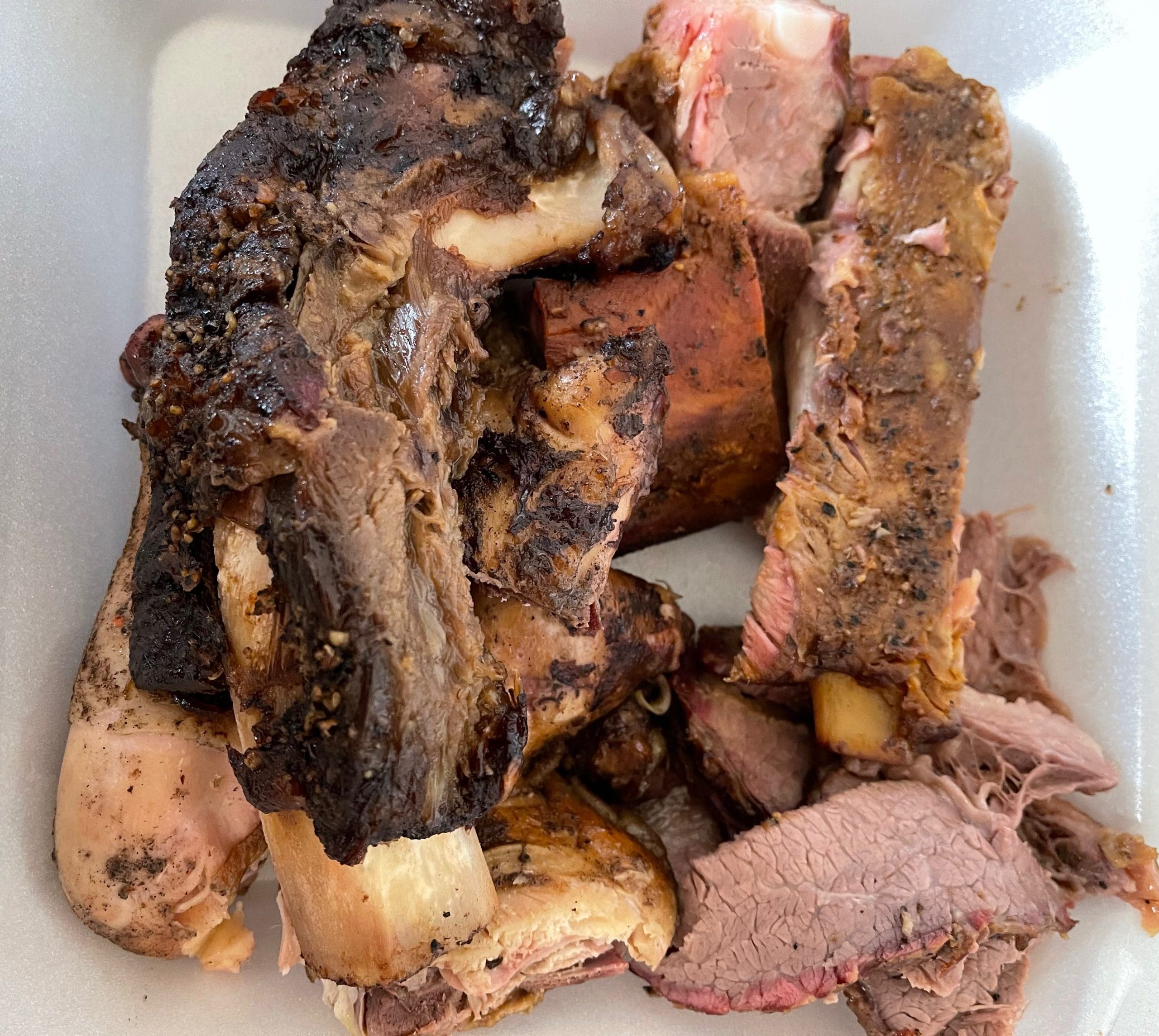
Black Mesa BBQ – Albuquerque, New Mexico (CLOSED)

“Barbecue may be our nation’s most democratic food. (Think small d-democratic, as in of the people, by the people, for the people.) That’s part of the problem: Egalitarian foods with elemental appeal oftentimes get short shrift.” ~John T. Edge for Gourmet Magazine When we first heard about a restaurant in Albuquerque’s South Valley offering “Texas style barbecue in the Land of Enchantment,” three questions came to mind.  First, of course, was “could this really be Texas style barbecue?”  “Texas is like a whole other country” in which there is no one style of barbecue.  Instead, barbecue varies from one region to another across the Lone Star State.  Pundits who refer to “Texas style barbecue” are usually talking about Central Texas barbecue hailing from the hill country region around Austin.  My second question was “why would an Albuquerque restaurant call itself “Black Mesa.”  New Mexico’s most famous Black Mesa is the sacred mountain within the confines of the San Ildelfonso Pueblo just north of Española.  It’s about 80 miles from the Duke City. My third question and maybe the easiest to answer was “why would someone open a barbecue restaurant here.”  “Here” is Coors Blvd. just about as far south as…

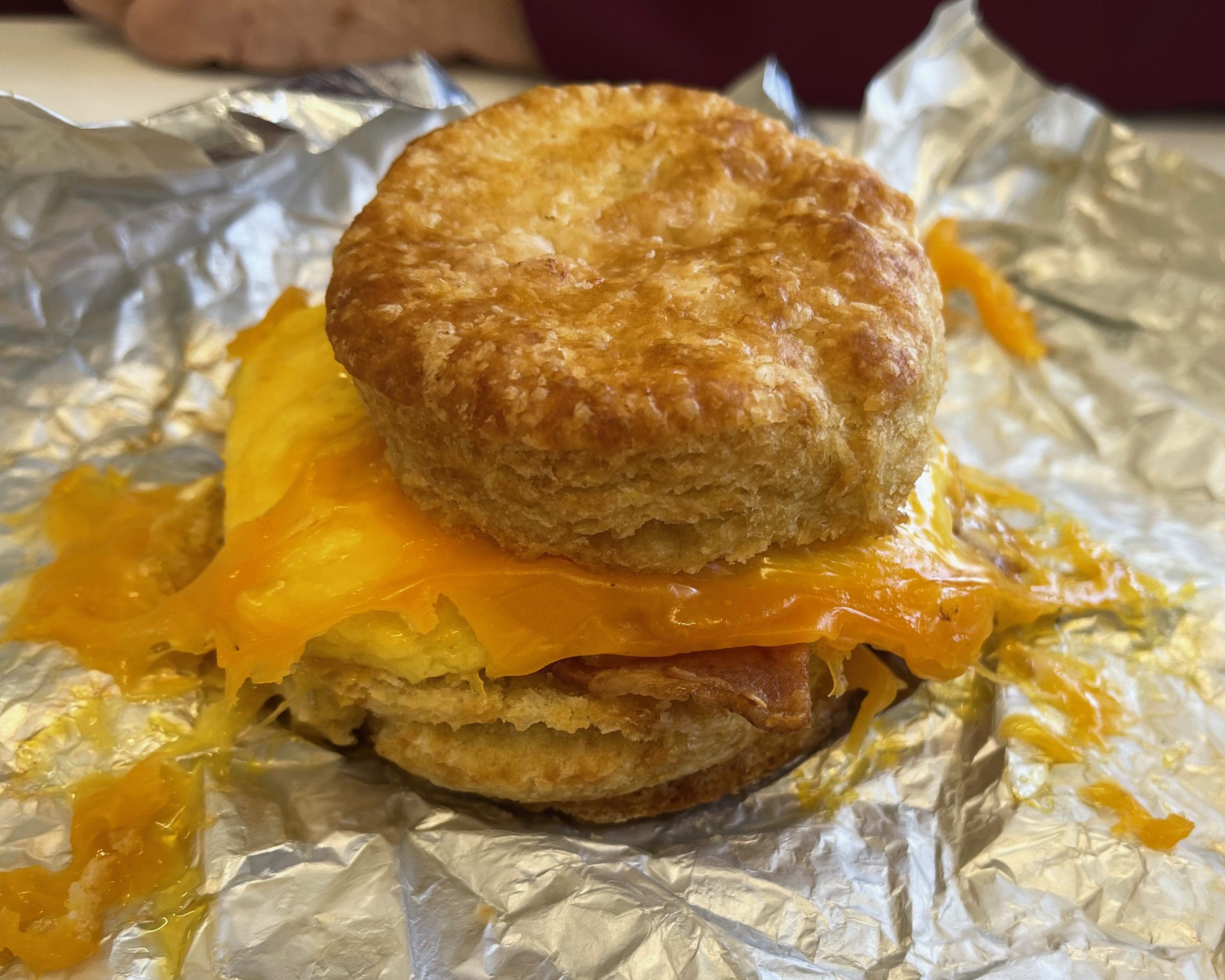
Biscuit Boy – Albuquerque, New Mexico

In Boris Pasternak’s Dr Zhivago, a sagacious old Russian czarist caught up in the communist revolution lamented “Scratch a Russian and you will find a peasant.”  To paraphrase that immortal line “Scratch a cook and you’ll find a chemist.”  Think I’ve been ingesting pharmaceuticals?  Maybe you should ask Deonte “Dee” Halsey, the affable owner of Biscuit Boy about the influence of chemistry in cooking.  He would know!  Dee was actually a research scientist working for the U.S. Department of Architecture before figuring out teaching science actually pays more than doing science.  Dee has been teaching science and math for more than two decades now, imparting knowledge and wisdom to high school, middle school and elementary school students.  For the past two years or so, he’s also been spending weekends hawking some of the very best biscuits you’ll find in the Land of Enchantment.  On Saturday you can find him at La Esquinita, a center for cultural flourishment in the Barelas neighborhood.   A mixed-use development combining housing, food, arts and retail, La Esquinita is yet another reason to visit Barelas.  On Sundays “in season” he plies his sideline at the Rail Yards Market in Albuquerque.   Though he grew up in Los Angeles,…

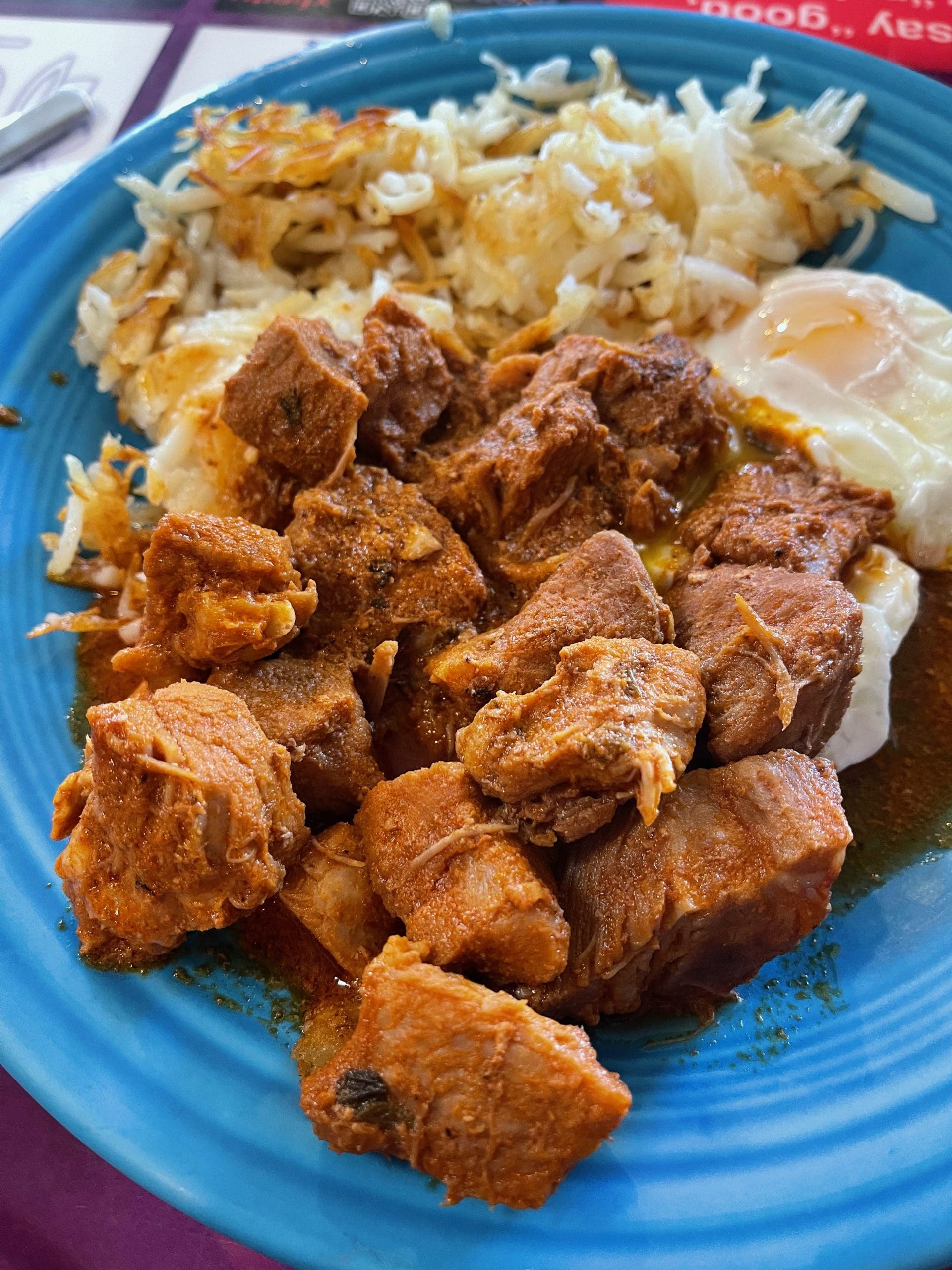
Barelas Coffee House – Albuquerque, New Mexico

Quick, name the oldest neighborhood in Albuquerque. Most people would say Old Town which was settled in 1706 near the banks of the Rio Grande. Most people would be wrong. The oldest neighborhood in Albuquerque is actually the Barelas neighborhood, formally established as a ranching settlement in the late 1600s. The history of the central Rio Grande region began at and expanded from Barelas, once a thriving hub of commerce bustling with activity. Both the Camino Real, the royal road to Mexico City and Route 66, America’s mother road passed through the Barelas neighborhood. Barelas was the seat of a flourishing railroad enterprise which facilitated a burgeoning economy.  The neighborhood began a precipitous decline in the 1950s when odoriferous emanations from an area sewage treatment plant drove people away. Then in the 1960s, shopping mall developments proved too formidable competition for long-established mom and pop businesses, the economic heart of the community. Before long, the federal government was calling Barelas a “pocket of poverty” and what was once a thriving neighborhood languished. By the 1970s, Barelas was all but forgotten–perhaps a blessing in disguise because that allowed the preservation of historic buildings for which the community is best known today.…

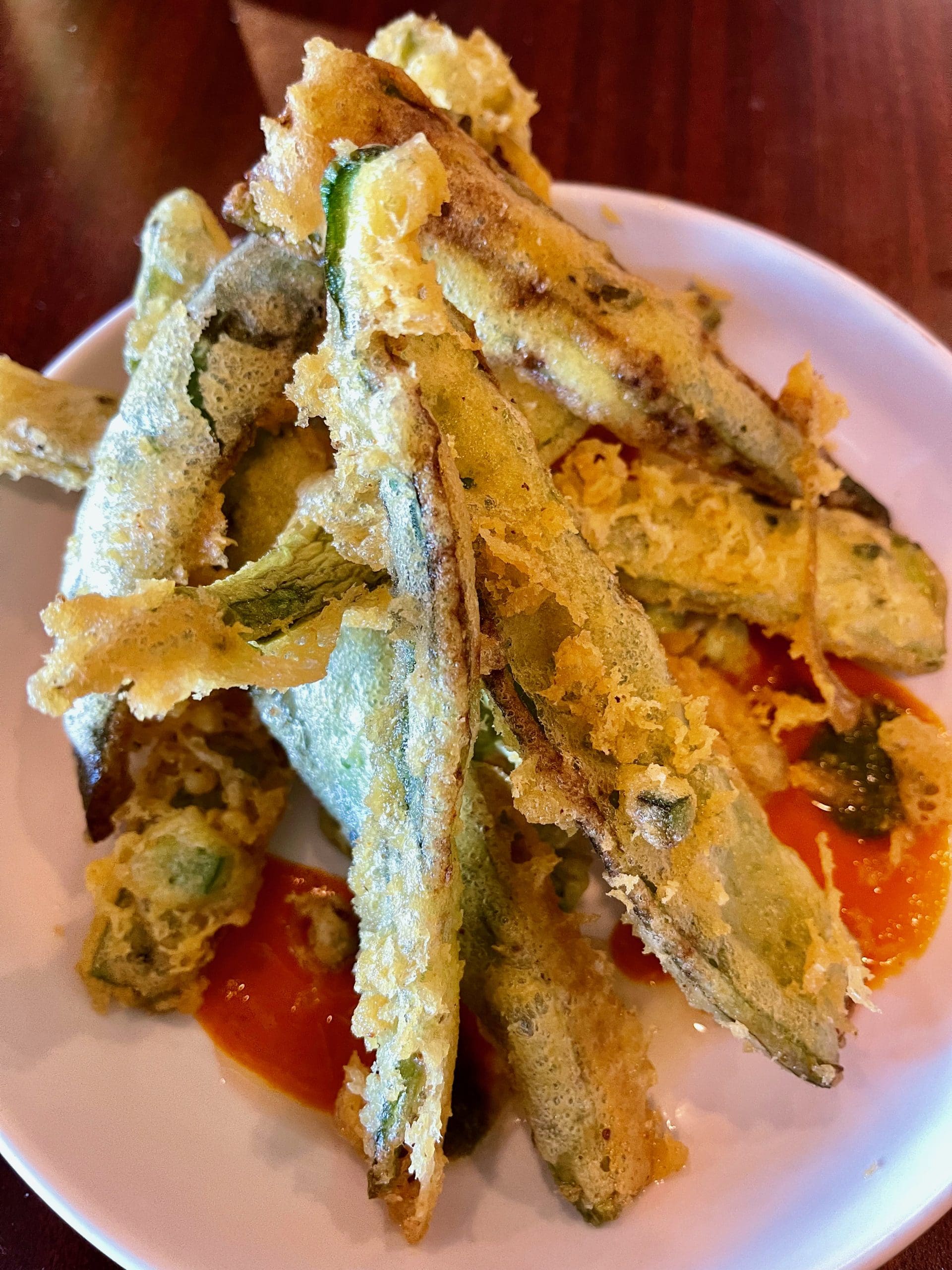
Tikka Hut – Albuquerque, New Mexico (CLOSED)

The cynosure of Tikka Hut, an Indian Fusion restaurant on First Street, is a colorful mural that pays tribute to the extraordinary and constantly evolving history of Mexican cuisine.   The mural depicts the mesmerizing countenance of a beautiful indigenous maiden, maybe even the infamous Malinche herself.  Immediately below the maiden is a Muslim Dhow sailing the azure waters of the ancient world.  The mural was commissioned when the name on the restaurant’s marquee read “Urban Taqueria.”   It’s an evocative spray-painted masterpiece that should inspire contemplation and discussion. It certainly will if you ask owner Hanif Mohamed about it.   Hanif is not only a restaurant impresario who’s owned an extraordinary portfolio of diverse restaurants, he’s quite a culinary historian.  To him and other savvy cognoscenti of contemporary cuisine, the roots of Mexico’s food extend far beyond the influence of the Spanish conquistadores.    Chat him up and he’ll explain how Spanish cuisine itself evolved significantly under the 800 years of Moorish rule of the Iberian Peninsula. He relishes discussing the trade routes that introduced exotic spices and seasonings  which dramatically changed (and improved) the flavor profile of that region’s cuisine that (let’s face it) would otherwise be fairly bland.…

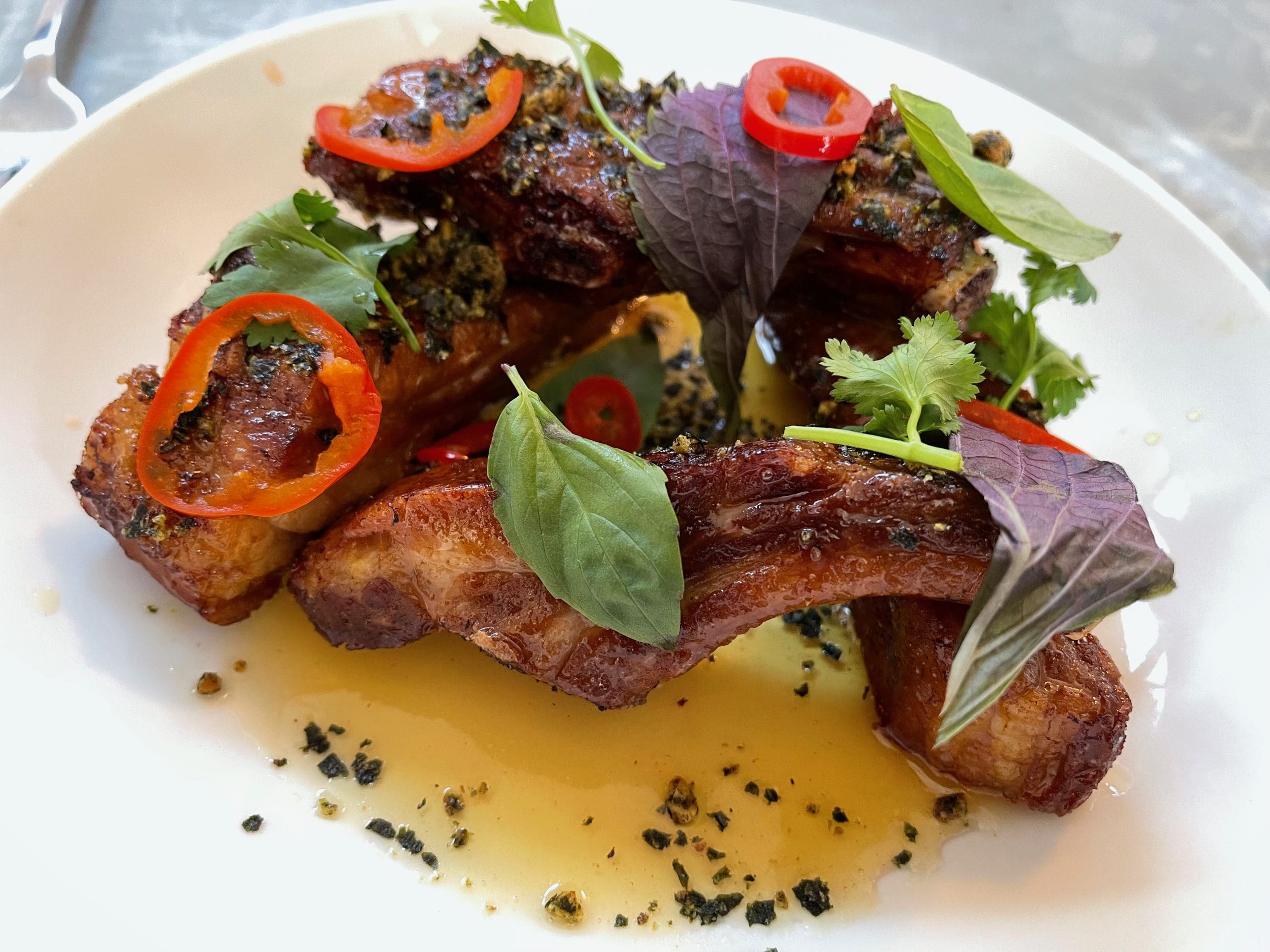
Kitsune – Albuquerque, New Mexico (CLOSED)

FROM THE BITE: Albuquerque’s Asian-inspired Kitsune slipped out of its Old Town location with nary an announcement last year, and now the rumors about their new fling with Sister Bar are official. This will be happening Mondays, but maybe not every Monday; the next one looks to be slated for February 26. Here are a few tips if you’ve got  a trip planned to Japan and would like to practice terms to convey your enthusiasm for the delicious meals you’re sure to experience,    After your first bite, use the term “umai” to express how delicious that first bite was. As you continue to eat, use the term “oishii” frequently to convey with alacrity that the food you’re eating is fantastic.  Because it’s considered good manners in Japanese culture not only to finish every single morsel on your  plate but to ask for a second serving, the phrase “okawari” will come in handy.  And to make it even more polite, postface the term with “kudasai” which means “please.” On the last Sunday of October when our planned lunch excursion was to Kitsune, a Japanese term for “fox,” I had hoped to be able to display this gaijin’s (foreigner’s) mastery of Japanese…

The Hollar – Madrid, New Mexico (CLOSED: December 17, 2023)

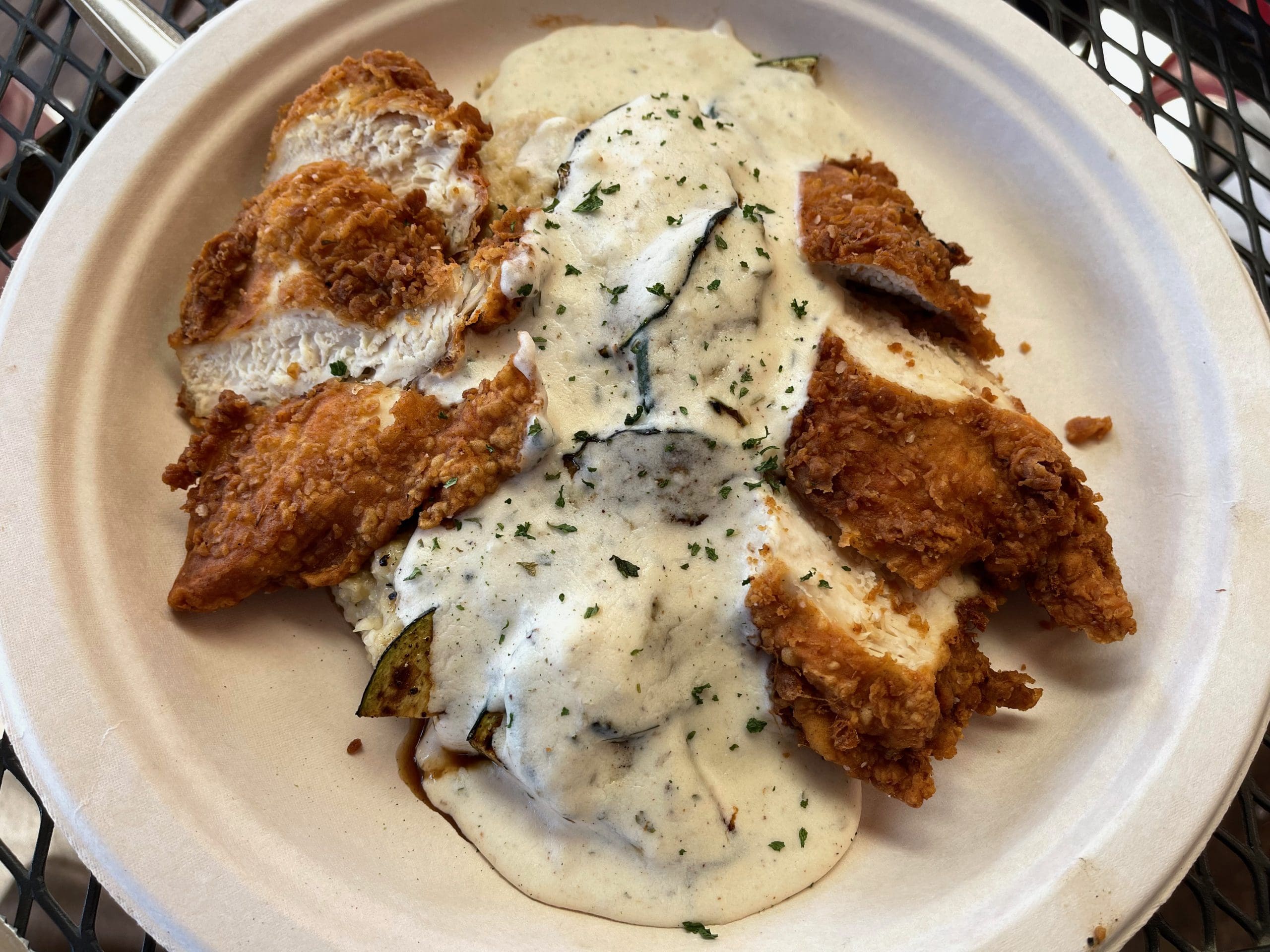
It wasn’t that long ago that if you played “word association” with almost anyone outside the Mason-Dixon line, the first thing coming to mind if you used the term “Southern food” was probably something like “heapin’ helpins’ of hillbilly hospitality.”  During their nine-year run as one of the most popular comedies in the history of American television, the Clampetts, a hillbilly family who relocated to Beverly Hills after finding oil on their property, introduced “vittles” to the American vernacular.  Vittles, of course, meant such “delicacies” as possum shanks, pickled pig jowls, smoked crawdads, stewed squirrel, turnip greens, and owl cakes.  “Weeeee Doggies,” now that’s eatin‘.” To much of America, the aforementioned delicacies were culinary curiosities–bumpkinly and provincial food no one outside the deeply rural south would eat.  Because the Beverly Hillbillies predated the Food Network and the culinary awakening of America, those stereotypes as to what constitutes Southern food became deeply ingrained in the fabric of American culture. In 2008, Gary Paul Nabhan published Renewing America’s Food Traditions, one of the most important books written about American food. This terrific tome celebrates the vast diversity of foods which gives North America its distinctive cultural identity, an identity reflecting the vast and…