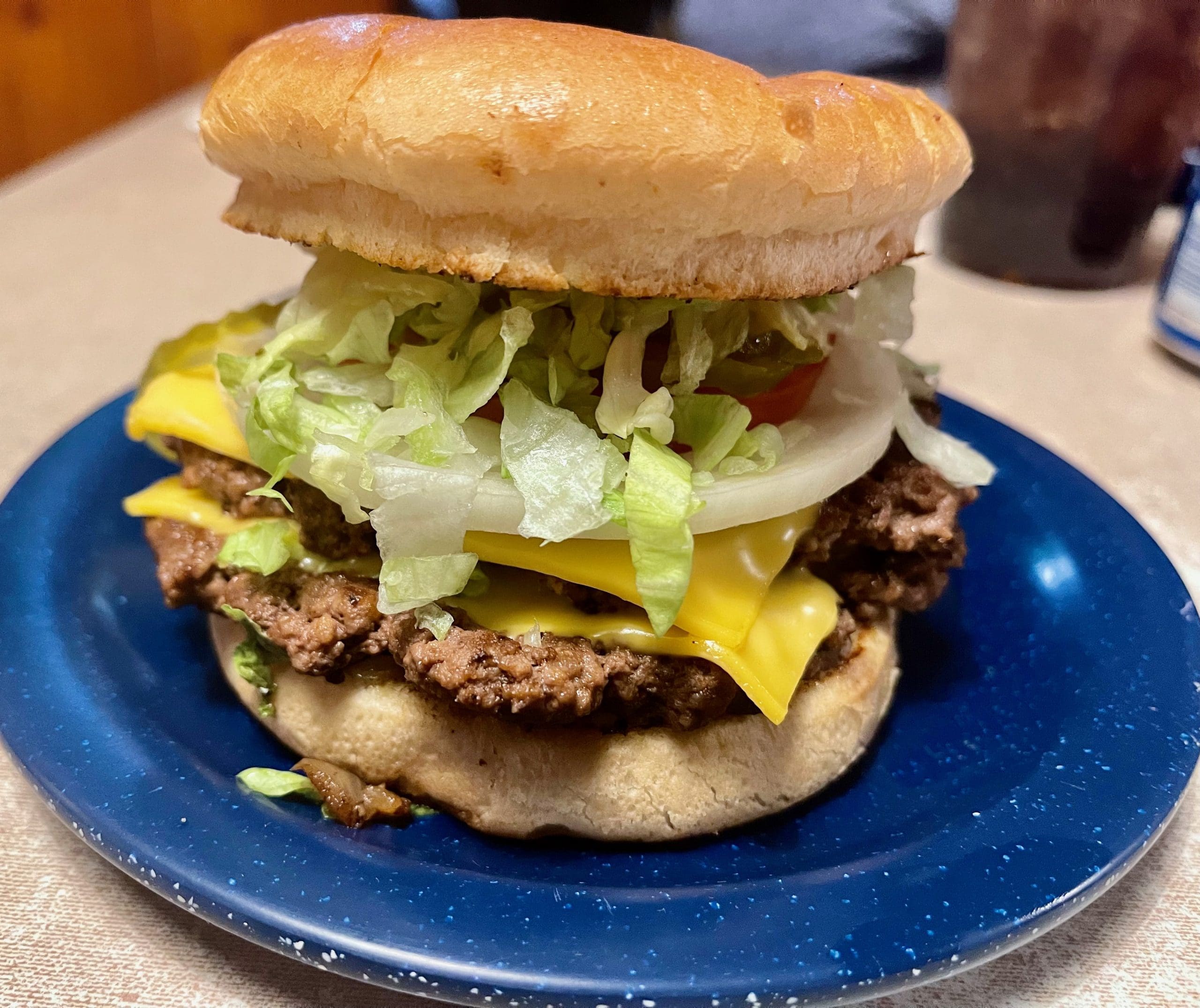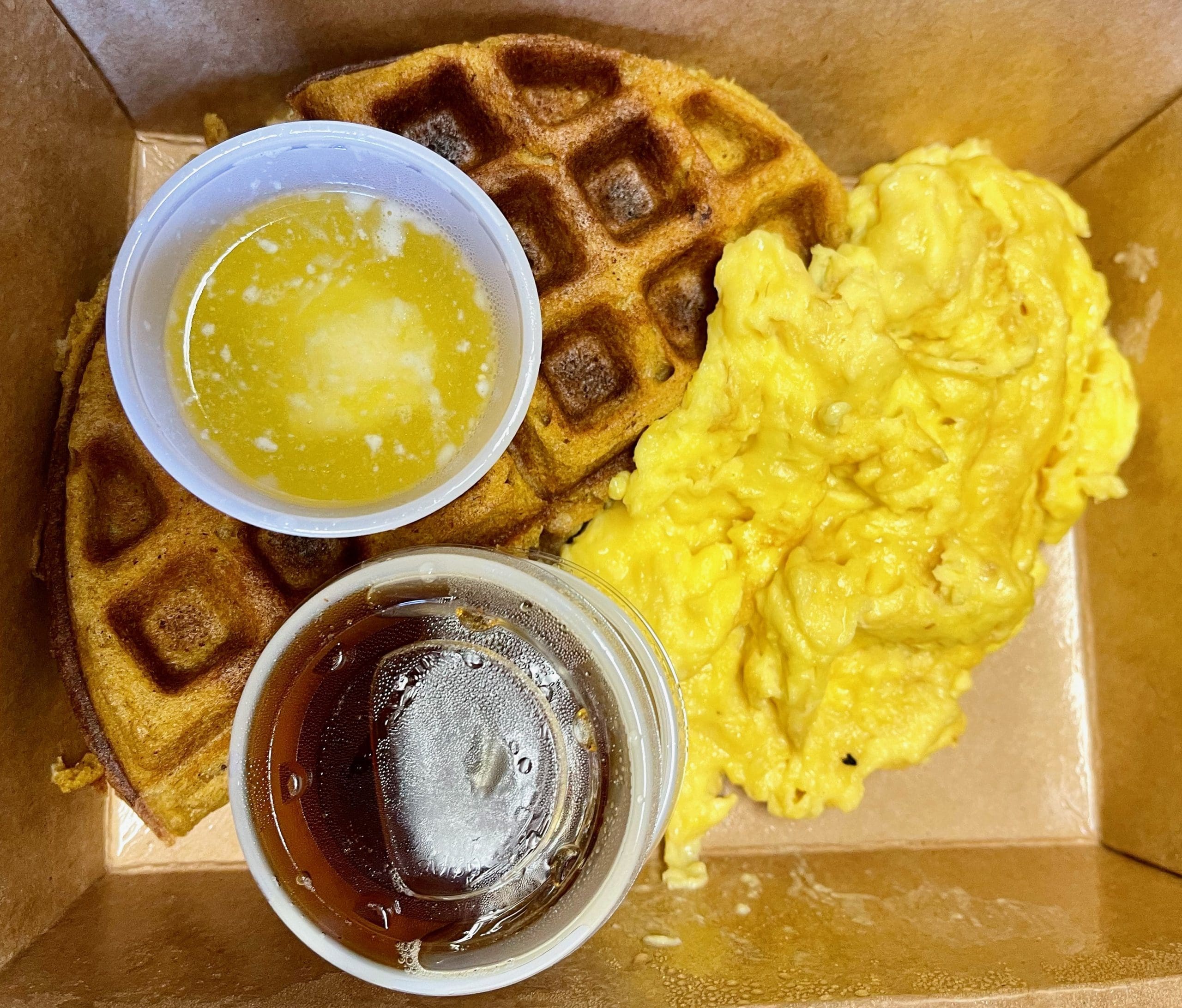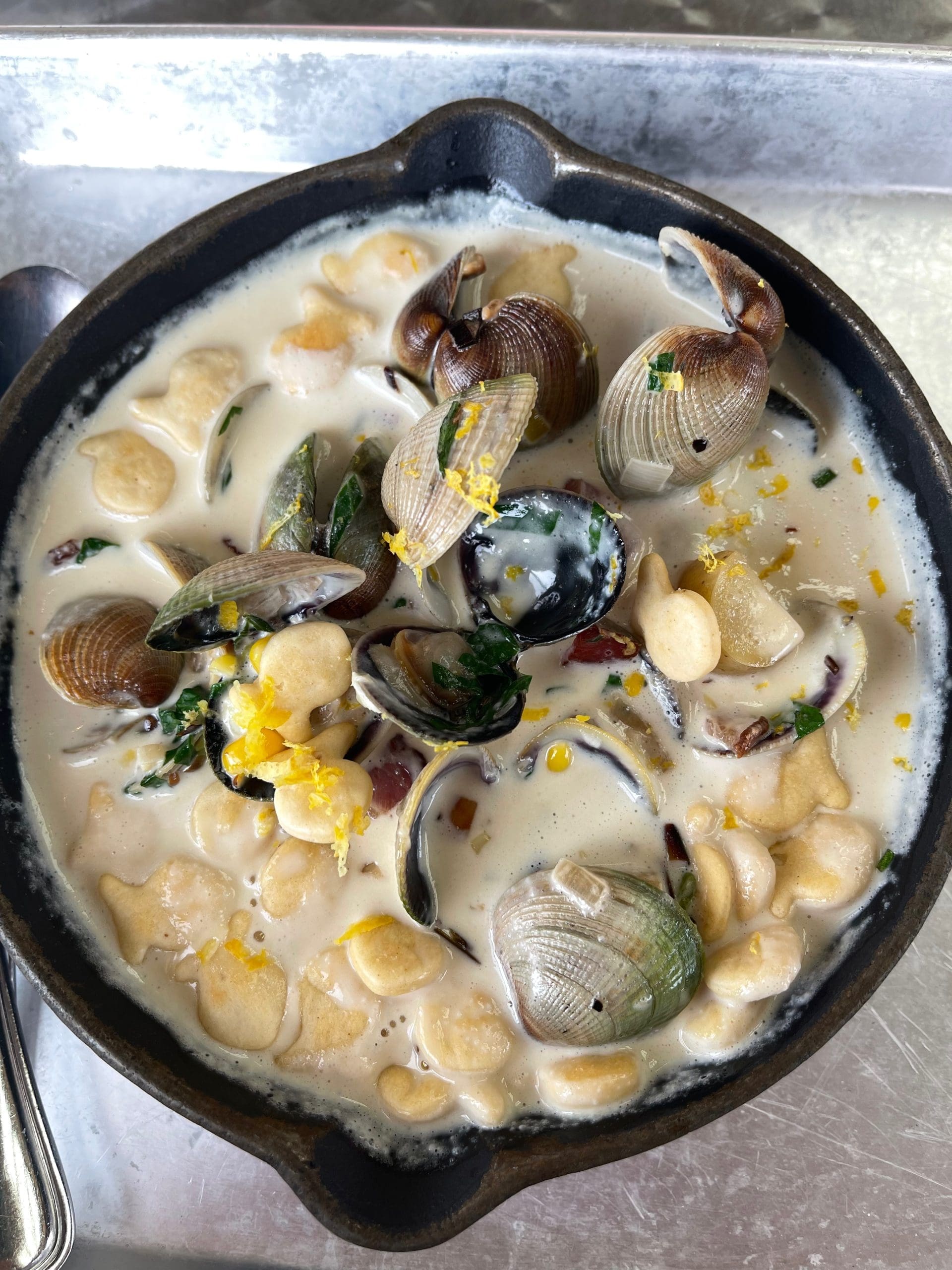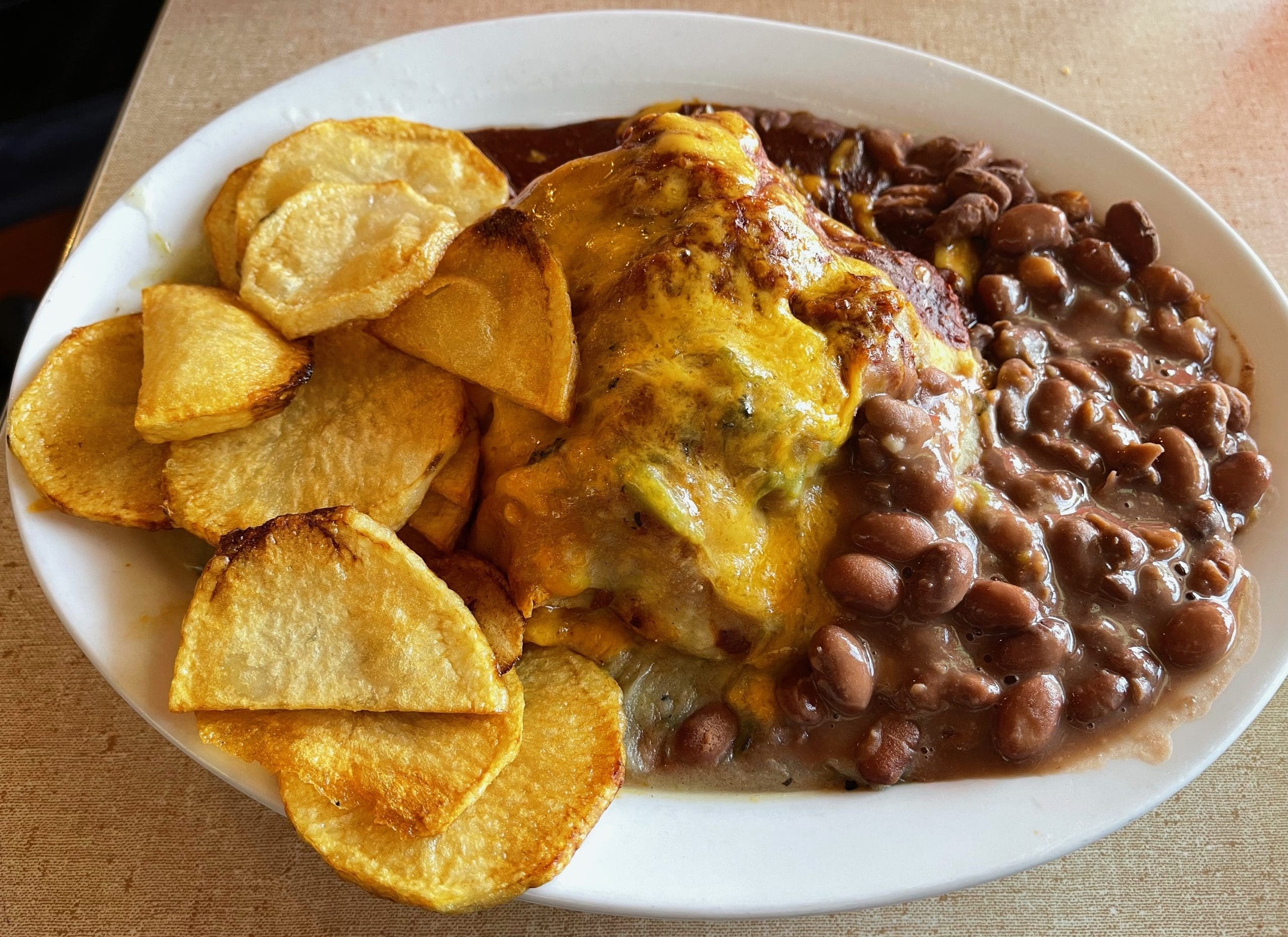
Milly’s Restaurant – Albuquerque, New Mexico
Until rather recently, if there was a wide diversity of opinion about Albuquerque’s restaurant scene, it wasn’t widely shared. Albuquerque’s two daily periodicals, the Albuquerque Journal and the Albuquerque Tribune as well as a number of alternative publications published weekly restaurant reviews, but opinions and observations expressed therein were rather one-sided. It wasn’t until about 2008 that crowd-sourced restaurant reviews really took off in the Duke City. Published in such online mediums as TripAdvisor (founded in 2000), Yelp (launched in 2004) and Urbanspoon (debuted in 2006), crowd-sourced review venues gave everyone an opportunity to become a “critic.” More than ever…